



Ever want something light, filling, and actually good for you? But without spending forever in the kitchen?
That’s exactly where this ragi vegetable soup fits in.
It’s warm, peppery, gently spiced, and surprisingly satisfying. The kind of soup that keeps you full, supports weight loss, and still feels comforting enough for everyday meals. No deep frying. No refined flour. Just simple ingredients doing their job.
If you’re trying to eat clean, manage weight, or switch to millet-based meals without feeling deprived, this soup is a smart place to start.
Why Ragi Soup Has Been a Staple for Generations
Ragi, also known as finger millet, has been part of Indian kitchens for centuries, especially in South India.
Traditionally, ragi was used because it is:
- naturally filling
- easy to digest
- rich in minerals like calcium and iron
Unlike refined grains, ragi releases energy slowly. That’s why it has always been popular for children, elders, and people recovering from illness, and today, it’s gaining attention again for weight loss and diabetic-friendly diets.
This soup format modernises that wisdom into something quick, light, and practical.
Why This Ragi Vegetable Soup Is Great for Weight Loss
Let’s talk real benefits, not buzzwords.
This soup works because it solves everyday problems:
- High fibre keeps you full for longer
- Low-calorie but still satisfying
- No refined carbs or flour
- One-pot cooking, easy cleanup
- Gentle spices, easy on digestion
It’s ideal for:
- light dinners
- detox-style meals
- days when you want something warm but not heavy
This isn’t crash-diet food. It’s sustainable eating.
What Each Ingredient Brings to the Soup
- Ragi Flour – This is the backbone of the soup. It thickens naturally and provides fiber, calcium, and slow-digesting carbs — perfect for steady energy.
- Garlic & Onion- They build the base flavour. Garlic also supports digestion, which pairs well with dishes made from millet.
- Beans, Carrot, Sweet Corn & Peas – The combination of beans, carrots, sweet corn, and peas adds both colour and nutrition to the dish. And provides dietary fibre and sweetness to the dish.
- Tomato – Adds light acidity and balances the earthiness of ragi, preventing the soup from tasting flat.
- Spices (Pepper, Cumin, Coriander Powder)- These keep the soup warm, aromatic, and digestion-friendly without overpowering the millet.
- Ghee- Just a small amount goes a long way. It adds aroma and helps absorb nutrients while keeping the soup satisfying.
- Lemon Juice & Coriander – Added at the end for freshness and brightness — this is what lifts the entire bowl.
How This Ragi Vegetable Soup Comes Together
The process begins with making a smooth ragi slurry. This step is more important than it seems. When the slurry is completely lump-free, the soup turns silky and comforting instead of grainy.
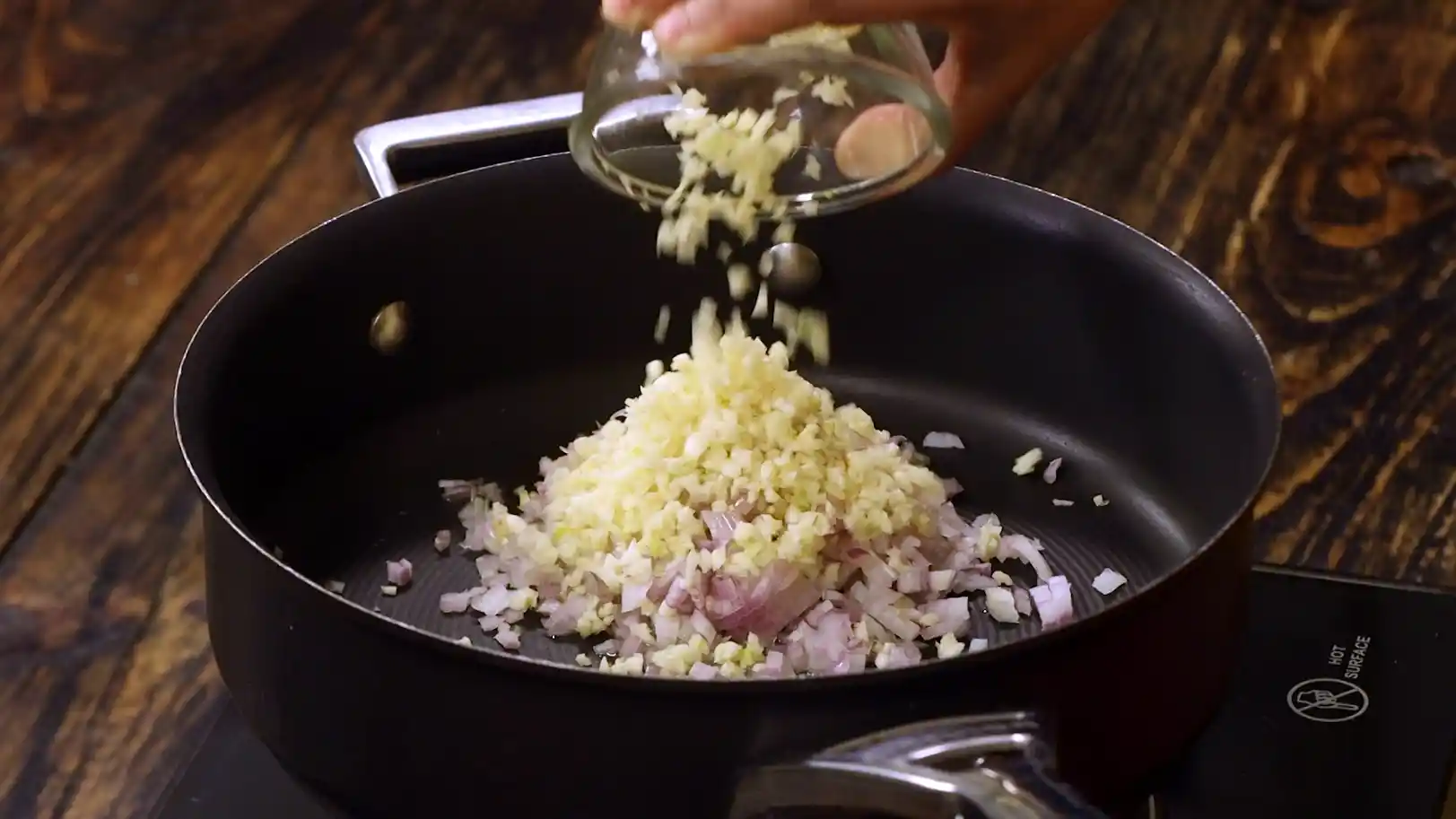
Once the ghee heats up, onions go in first. That initial aroma is your cue that everything is on the right track. Garlic follows, along with beans, carrots, sweet corn, and peas, creating a gentle, flavourful vegetable base.
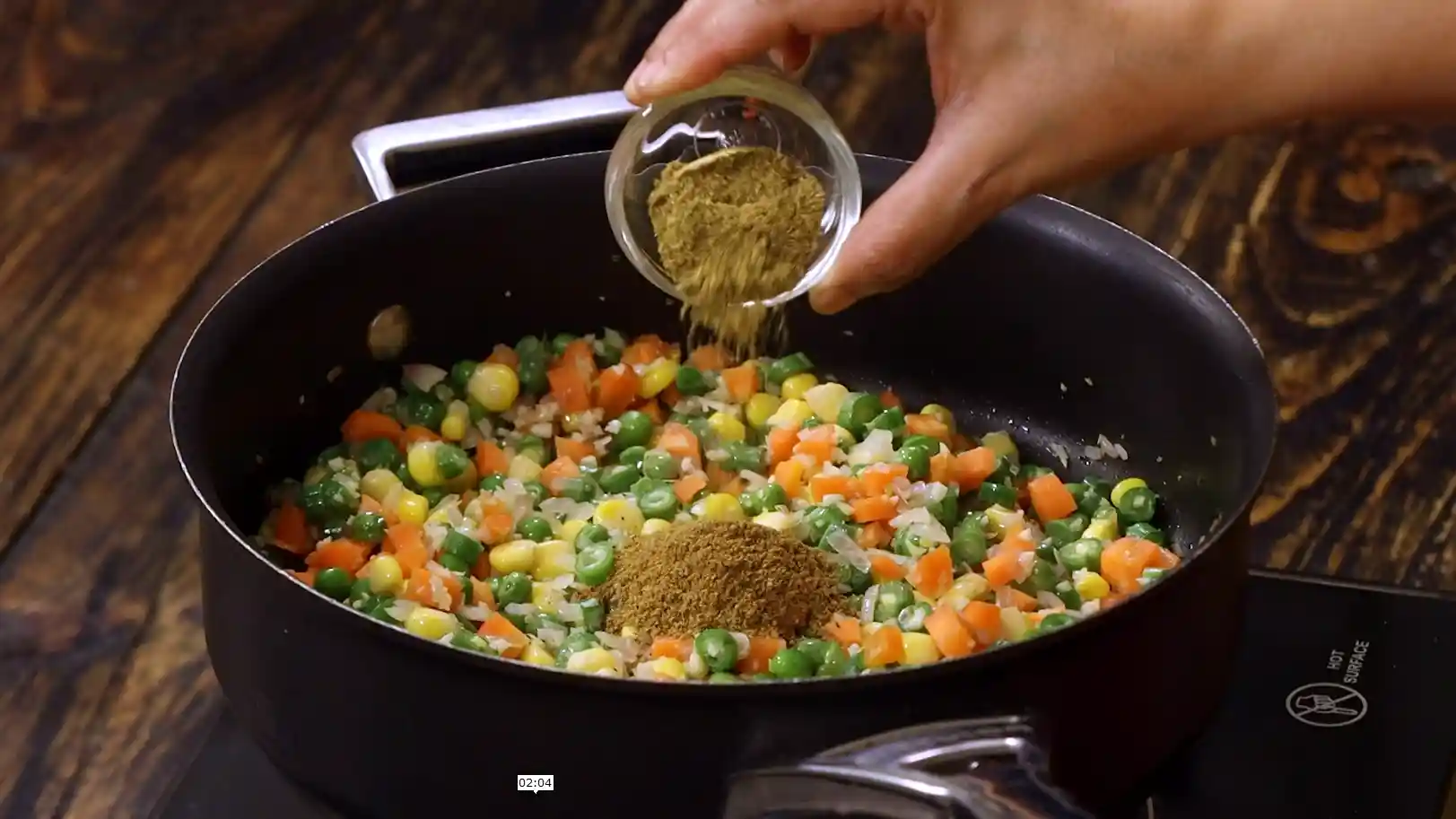
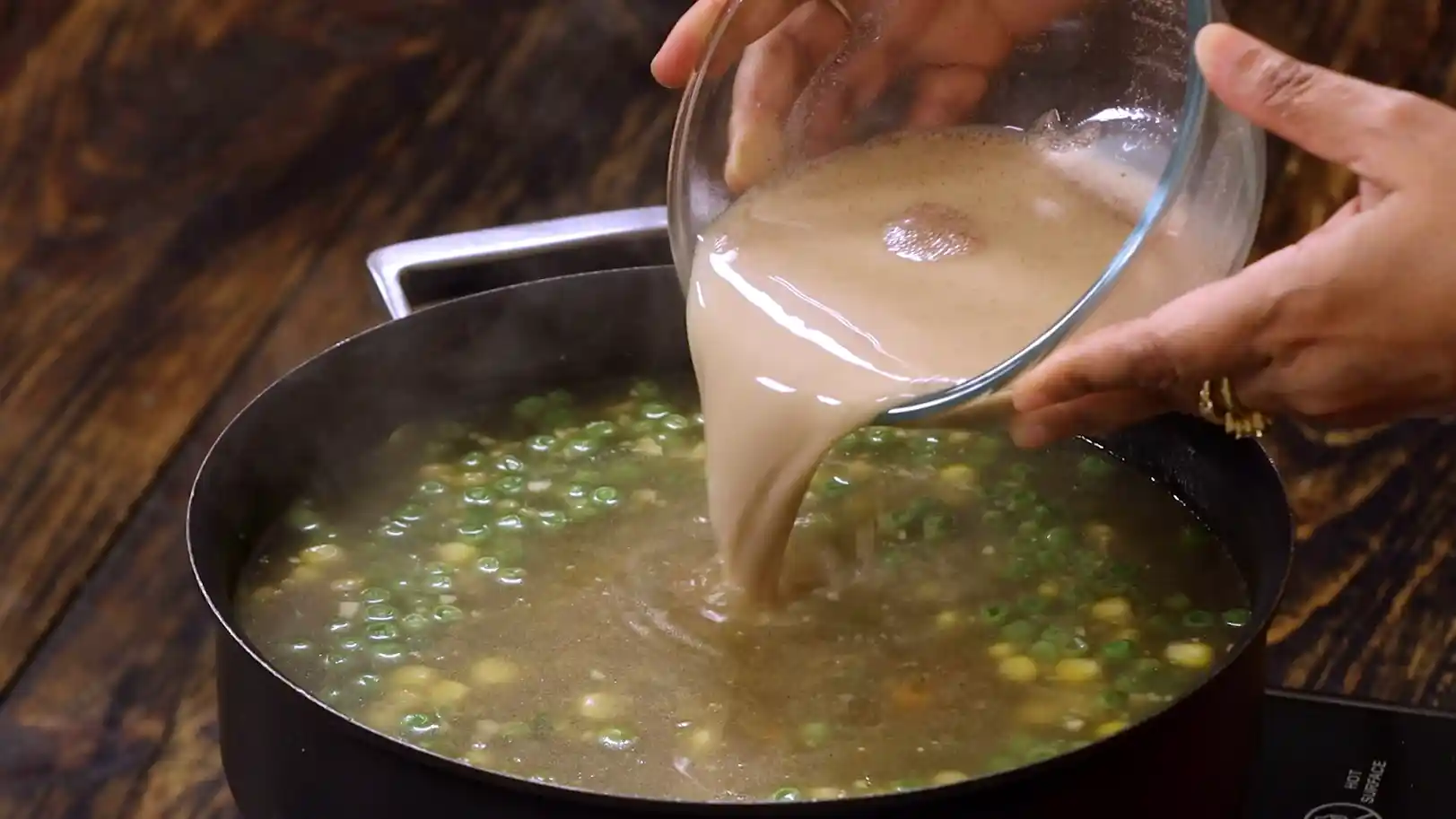
Spices are added directly to this mixture so they bloom properly in the heat. Water is then poured in, and once the soup begins to simmer, the heat is lowered. At this stage, the ragi slurry is slowly added while stirring continuously to ensure a smooth texture.
Tomatoes are added next and allowed to cook until soft and slightly pulpy. This slow, careful cooking is what transforms the soup into something smooth and comforting, rather than thick or pasty.
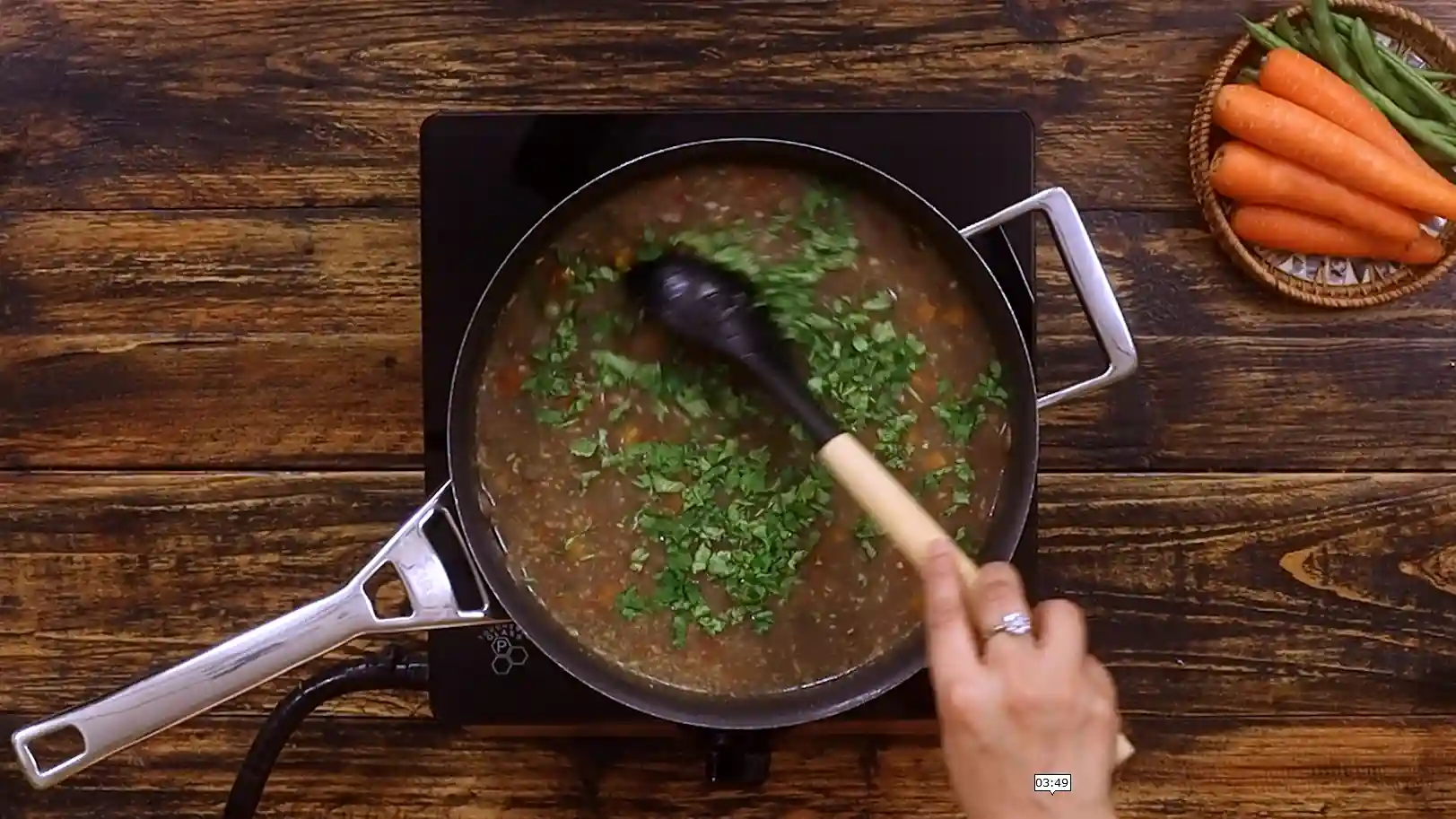
Finally, lemon juice and fresh coriander are stirred in right at the end, never earlier, to preserve their freshness and brighten the soup.
Pro Tip 💡: Always add ragi slurry on low heat and stir continuously. High heat will instantly form lumps, and there’s no fixing that later.
Diet-Friendly & Allergen Notes
This ragi vegetable soup is:
- Gluten-free
- Diabetic-friendly (in controlled portions)
- Vegan and vegetarian
- Nut-free and lactose-free
- Heart-healthy and iron-rich
It’s especially useful if you’re avoiding wheat, refined flour, or heavy dinners.
When and How to Serve This Soup
This soup works beautifully as:
- a light dinner
- an evening meal
- a starter for heavier lunches
- a detox-style meal between rich days
Serve it hot, freshly made. It thickens as it sits, so it’s best enjoyed warm.
Meal Prep, Packing & Bulk Cooking Tips
If you plan to make this ahead:
- Store in airtight containers
- Stir well before reheating, as ragi settles
- Add a little water while reheating to adjust consistency
For office meals, pack lemon juice separately and add it just before eating.
How to Store Ragi Vegetable Soup
Refrigerate for up to 2 days.
Avoid freezing, ragi changes texture when frozen.
How to Reheat Ragi Soup
Reheat gently on low heat while stirring continuously.
Add warm water if it becomes too thick.
Avoid microwaving on high power, as it can cause uneven thickening.
Common Mistakes to Avoid
- Adding ragi slurry on high heat
- Not stirring continuously while pouring the slurry
- Over, thickening the soup
- Adding lemon juice too early
Fix these, and the soup turns out perfect every time.
Substitutions & Variations
- Ghee can be replaced with oil for a fully vegan version
- Onion can be skipped for a lighter, digestion-friendly soup
- Finely chopped vegetables like carrots or beans can be added
Vegan Swap 🌿: Use oil instead of ghee; the soup remains just as comforting.
Other Related Recipes You Might Like
- Ragi Upma – healthy millet-based breakfast made with finger millet.
- Ragi Kanji – traditional nourishing porridge, perfect for digestion and immunity.
- Millet Pongal – wholesome pongal made using millets for a balanced meal.
- Vegetable Broth – light, comforting broth that pairs well with healthy soups.
- Dal Soup for Weight Loss – protein-rich lentil soup for a light dinner.
- Beetroot Carrot Soup – nutrient-dense vegetable soup option.
- Moringa Soup – immunity-boosting leafy soup.
- Buttermilk Rasam – light South Indian soup-like rasam, easy on the stomach.
Ragi Soup
Description
Ragi Soup is a wholesome, nourishing dish made from finger millet (ragi), vegetables, and mild spices. Naturally rich in calcium, iron, and dietary fiber, this soup is light on the stomach yet deeply satisfying, making it ideal for weight management, digestion, and overall wellness. With its smooth texture and subtle earthy flavor, ragi soup is perfect for breakfast, light dinners, or recovery meals. Popular in South Indian kitchens, it is especially beneficial for kids, elders, and anyone looking for a healthy, millet-based alternative to regular soups. Easy to prepare and highly customizable, homemade ragi soup is a comforting bowl of nutrition that fits perfectly into a balanced, traditional diet.
Ingredients
Instructions
Prep Work
-
Prepare ragi slurry
Whisk ragi flour with water until completely smooth and lump-free

-
Chop vegetables
Finely chop onion, carrot, beans, tomato, garlic and coriander leaves.
-
Keep garnish ready
Keep coriander leaves and lemon juice aside.
Method
-
Heat the base
Heat ghee in a saucepan on medium flame
-
Sauté aromatics
Add onion and garlic, sauté
-
Add vegetables
Add beans, carrot, sweet corn, peas and sauté

-
Season the soup
Add salt, pepper, cumin powder and coriander powder, mix well
-
Add water
Pour in water and bring the mixture to a gentle boil

-
Add ragi slurry
Reduce heat and slowly pour ragi slurry while stirring continuously
-
Add Tomato
Add chopped tomato and cook
-
Simmer
Allow the soup to simmer until slightly thick and cooked
-
Finish and garnish
Turn off heat, add lemon juice and garnish with coriander leaves
Equipment
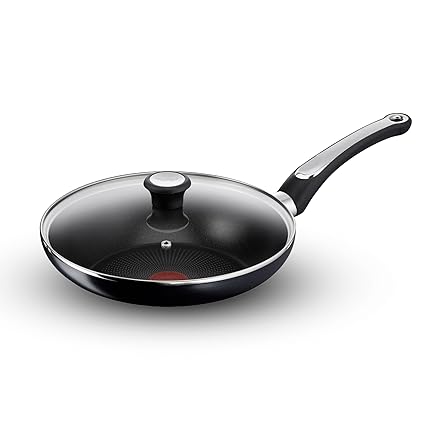
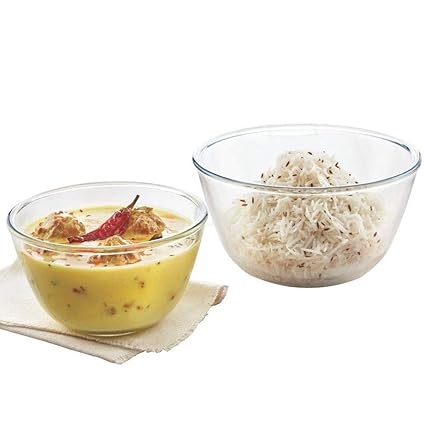

Affiliate Disclosure: This post contains Amazon affiliate links, i.e., when you buy any product using the links below, we get commissions. but it doesn’t cost you anything extra. If you do purchase any product using the given links, we thank you in advance!
Nutrition Facts
Servings 2
- Amount Per Serving
- Calories 120kcal
- % Daily Value *
- Total Fat 4g7%
- Saturated Fat 1.5g8%
- Cholesterol 5mg2%
- Sodium 380mg16%
- Potassium 260mg8%
- Total Carbohydrate 18g6%
- Dietary Fiber 4g16%
- Sugars 3g
- Protein 3g6%
- Calcium 120 mg
- Iron 3 mg
- Magnesium 60 mg
* Percent Daily Values are based on a 2,000 calorie diet. Your daily value may be higher or lower depending on your calorie needs.