

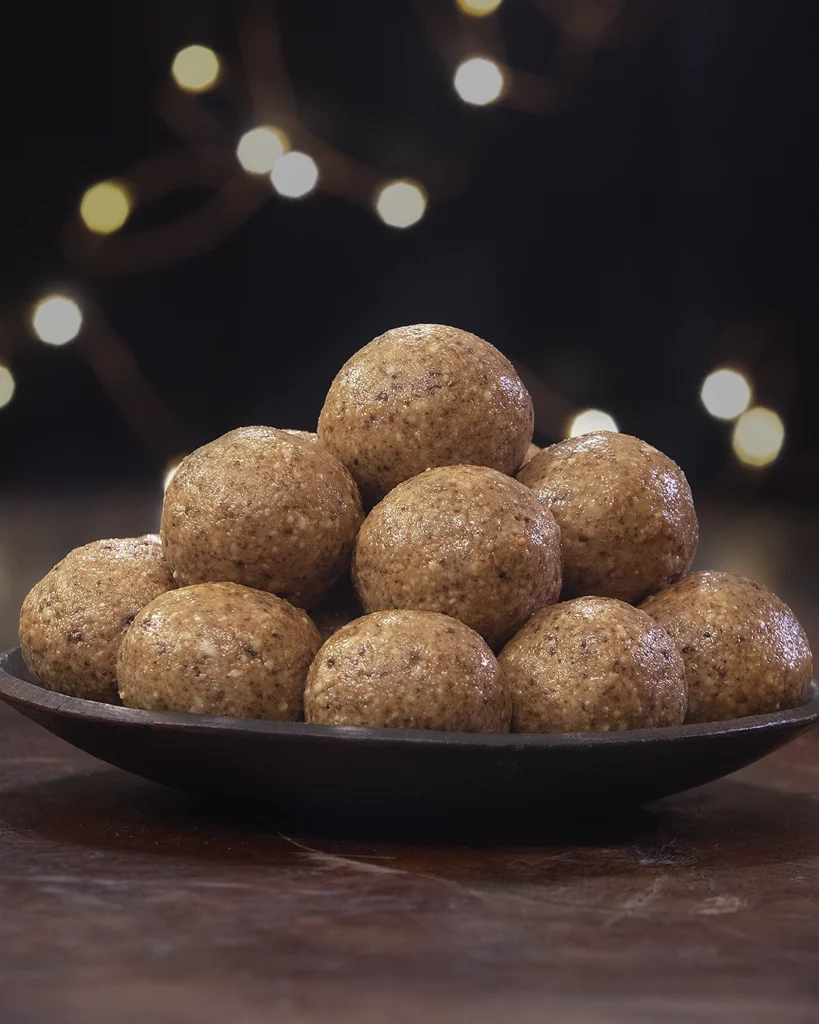

There’s something incredibly satisfying about biting into a peanut ladoo—that initial crunch giving way to a dense, sweet interior that’s nutty, caramelly from the jaggery, and subtly spiced with cardamom. These aren’t fancy, fussy sweets that require culinary degrees. They’re honest, homestyle confections that grandmothers across India have been making for generations.
The flavor is pure comfort: roasted peanuts with their toasty, almost coffee-like depth, jaggery bringing its complex, molasses-like sweetness (so much more interesting than plain sugar), and cardamom adding that warm, floral note that makes everything feel festive. The texture is beautifully rough—these ladoos have personality, with visible peanut pieces that crunch satisfyingly with each bite. They’re perfect for festivals like Sankranti or Diwali, as after-meal treats, energy snacks during long days, or just because you want something sweet that’s actually made of real food.
Peanut ladoos have deep roots in Indian tradition, especially in states like Maharashtra, Karnataka, and Tamil Nadu where peanuts grow abundantly. These sweets emerged from a time when processed sugar was expensive and jaggery was the sweetener of choice—nutritious, affordable, and adding its own distinctive flavor. They became associated with winter festivals because peanuts are harvested in winter, and jaggery is believed to provide warmth and energy during colder months. In Maharashtra, they’re called “shengdana ladoo” and are essential during Makar Sankranti.
My grandmother used to make these by the dozens every January, storing them in old tin containers, and they’d last for weeks—though they never actually lasted that long because we’d sneak them constantly. She’d say these weren’t just sweets; they were energy food, brain food, packed with protein and iron from the jaggery.
The Ingredients
For these simple yet spectacular ladoos, you need just three essentials. Peanuts are the foundation—raw, skin-on peanuts that you’ll roast yourself for maximum flavor and crunch. Roasting brings out their natural oils and creates that deep, toasty flavor you can’t get from store-bought roasted nuts. Jaggery (gur) is the traditional sweetener—unrefined cane sugar with molasses still intact, giving you a complex sweetness with hints of caramel and toffee, plus minerals like iron and calcium that white sugar doesn’t have. Cardamom powder adds that essential aromatic warmth—floral, slightly citrusy, with a hint of mint that makes these taste special rather than just sweet.
How It All Comes Together
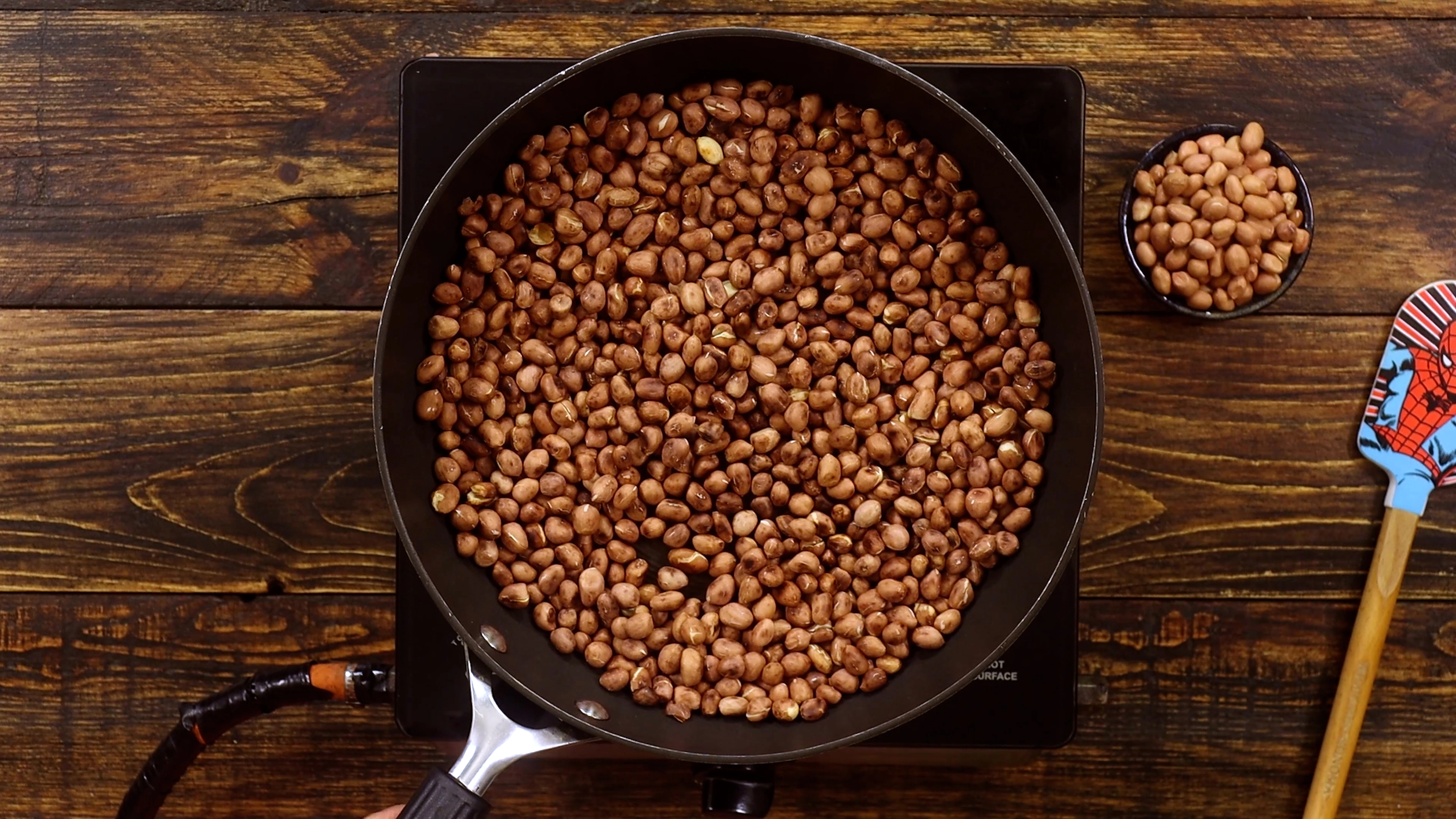
Let’s start with the most important step: roasting those peanuts properly. Heat a wide, heavy-bottomed pan over medium flame—no oil needed, this is a dry roast. Add your peanuts and start stirring them constantly with a wooden spoon or spatula. Don’t walk away, don’t get distracted by your phone—peanuts go from perfectly roasted to burnt in seconds, and there’s no coming back from that.
Keep stirring and tossing them for about 10-15 minutes. You’ll hear them start to crackle and pop slightly, and the skins will begin to darken and blister. The aroma will shift from raw and grassy to deep, toasted, and nutty—almost like coffee. You want them golden brown inside (break one open to check), not dark brown or burnt. The skins should be dried and papery, ready to slip off easily.
💡 Pro Tip: Roast on medium flame only—high heat will burn the outside while leaving the inside raw. Low and steady wins this race. The peanuts are done when they make a crisp sound when you bite into one, not a dull crunch.
Once they’re perfectly roasted, immediately transfer them to a large plate or tray and spread them out in a single layer. Let them cool completely to room temperature—this is crucial. Hot peanuts will release oils when ground, making your mixture greasy and preventing the ladoos from holding their shape. Patience here pays off. This cooling takes about 20-30 minutes.
While you’re waiting, if you have whole cardamom pods, crush them and remove the seeds, then grind them to a fine powder. Freshly ground cardamom is infinitely more aromatic than store-bought powder that’s been sitting on shelves for months.
Once the peanuts are completely cool, take them in your palms and rub them vigorously between your hands. The papery skins will start flaking off. Do this over a large bowl or in batches, blowing gently or using a small fan to winnow away the skins. You don’t need to remove every single bit of skin—a few here and there actually add fiber and texture—but most should come off. This step makes the ladoos less bitter and gives them a cleaner taste.
Transfer your cleaned, roasted peanuts to a mixer jar or food processor. Now here’s where technique matters: grind them in short pulses—3-4 seconds at a time, then stop, then pulse again. You’re aiming for a coarse, grainy texture, not peanut butter. Think somewhere between coarsely chopped peanuts and fine powder—you want visible peanut pieces for texture but enough fine powder to hold everything together. If you grind continuously, the heat and friction will release the oils, and you’ll end up with peanut butter. Pulse, pause, pulse, pause.
💡 Pro Tip: If your mixer starts getting warm or the peanuts look like they’re releasing oil, stop immediately and let everything cool down. You can refrigerate the partially ground peanuts for 10 minutes, then continue.
Once you’ve achieved that perfect coarse-but-cohesive texture, add your jaggery and cardamom powder directly to the mixer jar. Use powdered jaggery if you can find it, or grate a jaggery block on the large holes of a box grater. The jaggery should be dry and powdery, not sticky and moist—moisture is the enemy of ladoos that hold their shape.
Pulse the mixture again several times until the jaggery is evenly distributed and everything starts to clump together slightly. When you pinch a bit of the mixture between your fingers, it should hold together without being sticky or oily. If it feels too dry and won’t stick, add a tiny bit more jaggery (in powder form). If it’s too wet or oily, add a few more roasted peanuts to absorb the excess moisture.
Transfer this mixture to a large bowl. Now comes the fun, hands-on part—shaping the ladoos. Take about a tablespoon of the mixture in your palm and squeeze it firmly—really squeeze, applying pressure so the oils from the peanuts help bind everything together. While squeezing, roll it between both palms to form a tight, compact ball about the size of a small lime or large marble. The key is firm pressure; gently rolling won’t work. You need to compress the mixture so it sticks together.
💡 Pro Tip: If the mixture isn’t holding together even with firm pressure, here’s a trick—heat a teaspoon of ghee until just melted (not hot), add it to the mixture, mix well, and try again. The tiny bit of fat helps bind everything. Alternatively, you can lightly wet your palms with water before rolling each ladoo.
Continue shaping ladoos until you’ve used up all the mixture. Place them on a plate or in an airtight container. They’ll firm up even more as they sit, so if they feel slightly soft when freshly made, don’t worry—they’ll set properly within an hour or two.
What Goes Along
Peanut ladoos are perfect on their own as a sweet snack or dessert. They’re traditionally served during festivals alongside other sweets like til ladoos or coconut burfi. They make an excellent after-meal treat, especially after spicy meals where their sweetness provides balance. Some people love them with a cup of hot masala chai—the spices in the tea complement the cardamom in the ladoos beautifully. They’re also fantastic as mid-morning or afternoon energy snacks, providing sustained energy from the protein and complex carbs.
How to Serve
Serve these at room temperature—they taste best when they’re not cold. Arrange them on a decorative plate or in small paper cups for festivals or parties. For gifts, pack them in boxes lined with parchment paper, separating layers to prevent sticking. They look rustic and homemade (because they are), which is part of their charm—no need for fancy presentation.
How to Store Peanut Ladoo
Store peanut ladoos in an airtight container at room temperature for up to 2-3 weeks, or refrigerate them for up to a month. They actually taste better after a day or two as the flavors meld. If you live in a very humid climate, refrigeration is better to prevent them from becoming sticky or soft. Let them come to room temperature before eating for the best texture and flavor.
How to Reheat
No reheating needed—these are meant to be enjoyed at room temperature. If they’ve been refrigerated and feel too hard, just let them sit out for 15-20 minutes to soften slightly.
Common Substitutions
- Can’t find jaggery? Use brown sugar or even regular sugar, though you’ll lose that complex, caramel-like flavor that makes these special. Date paste or date sugar also works and adds its own nutritional benefits.
- No cardamom? Try a tiny bit of cinnamon or nutmeg, or even vanilla extract for a different but still delicious flavor profile. Want to make them fancier?
- Roll the finished ladoos in sesame seeds, desiccated coconut, or crushed pistachios. Some people add a tablespoon of roasted sesame seeds to the peanut mixture for extra crunch and nutrition.
Packing for a Party / Bulk Preparation
Peanut ladoos are ideal for bulk preparation because they store so well and the recipe scales up easily. Double, triple, or quadruple the recipe for festivals or gifts. The most time-consuming part is roasting the peanuts, so if you’re making a huge batch, roast them in multiple pans simultaneously or do it in large batches and store the roasted, skinned peanuts until you’re ready to make the ladoos. You can even roast peanuts weeks in advance and store them in an airtight container. For gifting, pack them in small boxes or jars tied with ribbon—homemade sweets are always appreciated. For parties, make mini ladoos (half the normal size) so people can pop them in one bite. They travel extremely well, making them perfect for sending to college students, gifting to friends, or packing for long journeys.
Other Related Recipes you might like:-
- Tender Coconut Payasam – Festive sweet with coconut-rich.
- Sabudana Kheer Navratri Platter – Festive sweet with sabudana.
- Millet Pongal – Festive sweet with millet.
- Ivy Gourd Curry Kovakkai Curry – Festive sweet with spiced curry.
- Dry Fruit Ladoo – Festive sweet with dry.
- Rava Coconut Ladoo – Festive sweet with coconut-rich.Rava Pongal – Festive sweet with rava.
Peanut Ladoo
Description
Peanut Ladoo is a quick, no‑cook Indian sweet made by dry‑roasting peanuts until golden, then grinding them with jaggery and a hint of aromatic cardamom. The mixture comes together into a soft, slightly grainy dough that you simply roll into bite‑sized balls. Each ladoo delivers the deep nuttiness of fresh peanuts perfectly balanced by the caramel sweetness of jaggery and a warm whisper of spice—an ideal festive treat or anytime snack that’s ready in under fifteen minutes.
Ingredients
Instructions
Prep Work
-
Roast peanuts
Dry roast the peanuts in a wide pan until golden brown.
-
Cool peanuts
Transfer the roasted peanuts to a plate and let them cool completely. -
Remove skins
Once cooled, rub the peanuts between your palms to remove the skins.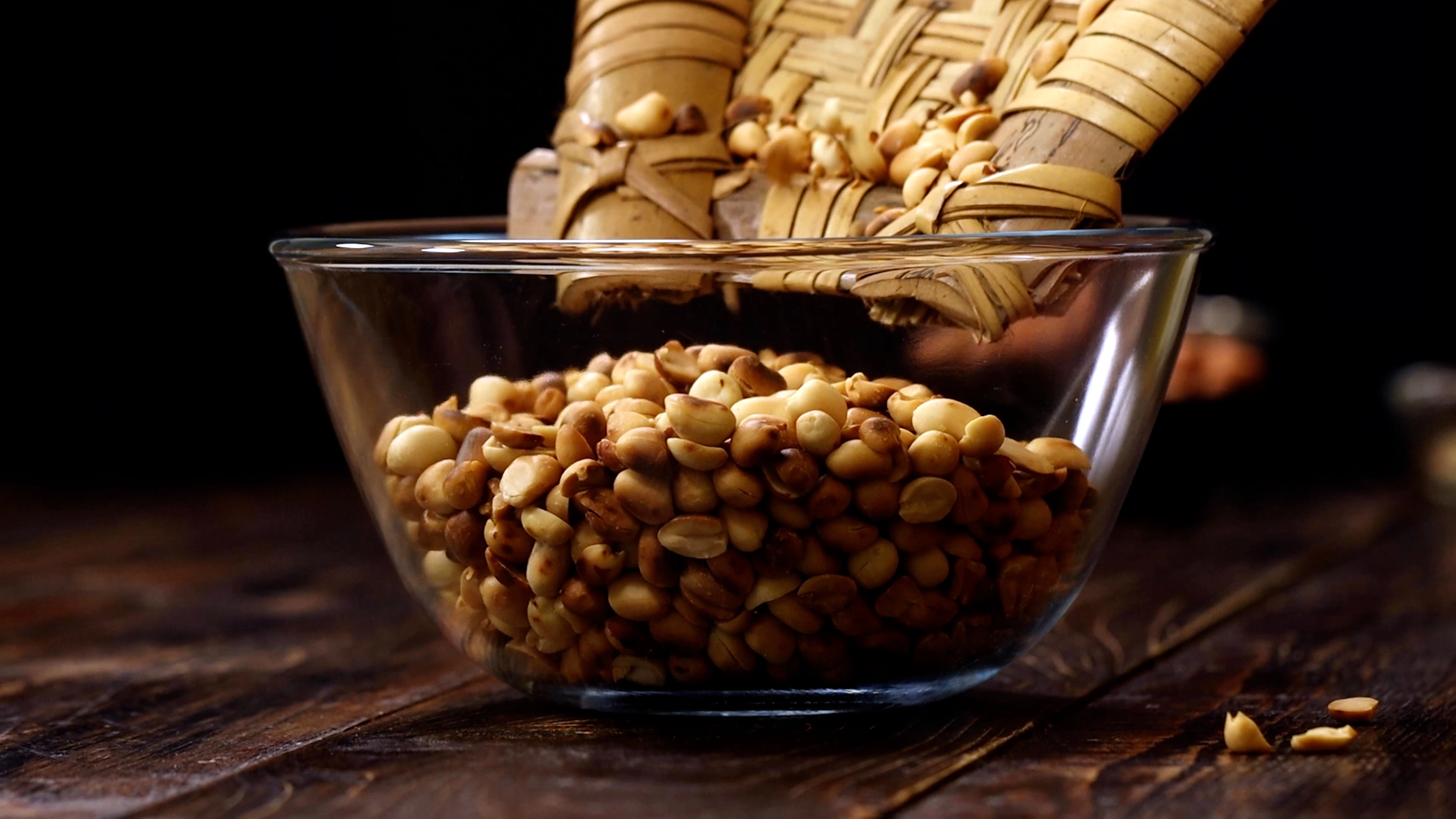
Method
-
Grind peanuts
Transfer the roasted peanuts to a mixer jar and grind them in pulse mode (not too fine powder).
-
Add ingredients
Once done, add jaggery and cardamom powder, then mix. -
Grind again
Grind the mixture again in pulse mode until it reaches the right consistency.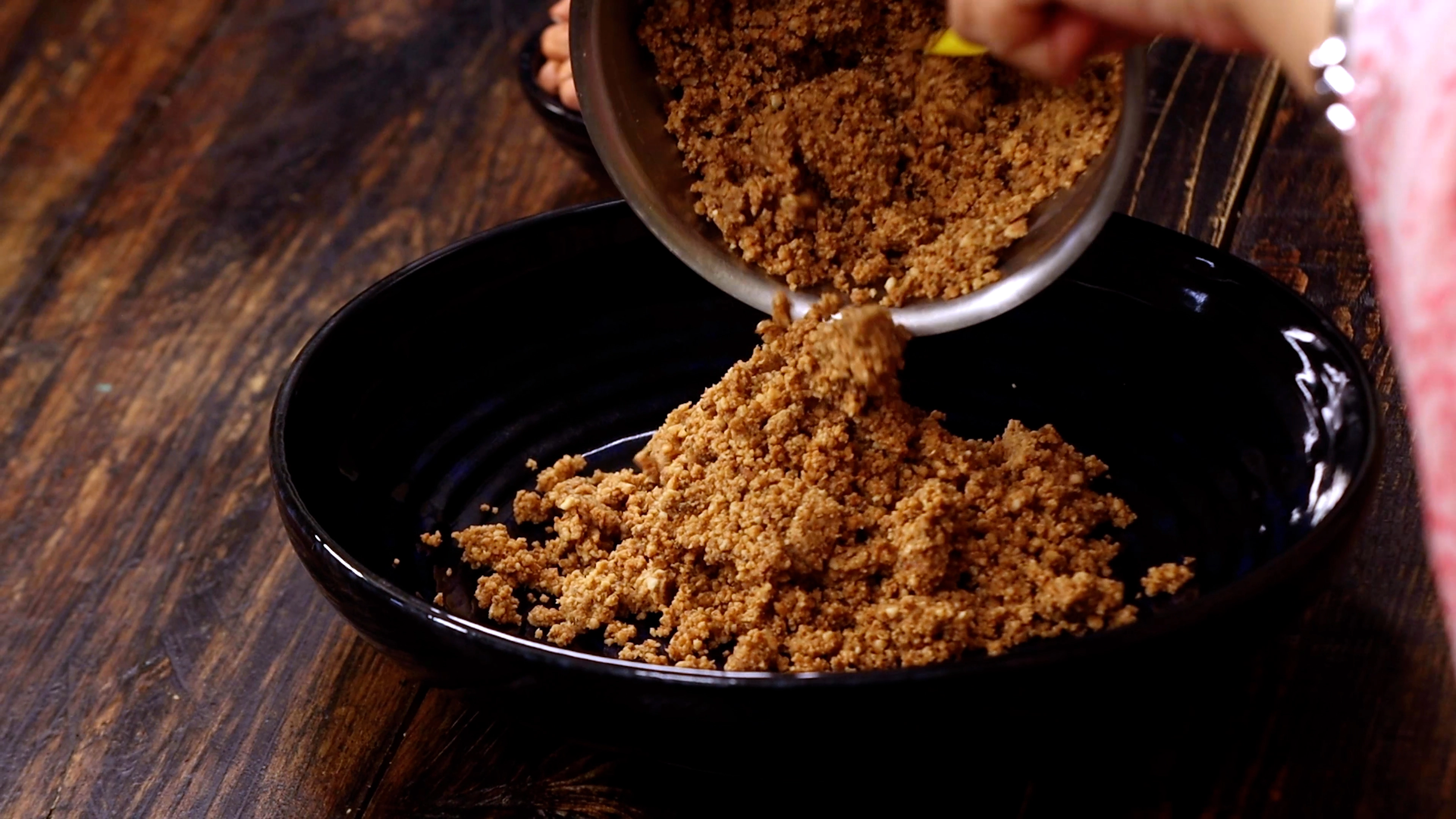
-
Transfer mixture
Transfer the peanut-jaggery mixture to a bowl. -
Shape ladoos
Take small portions and roll them into round balls.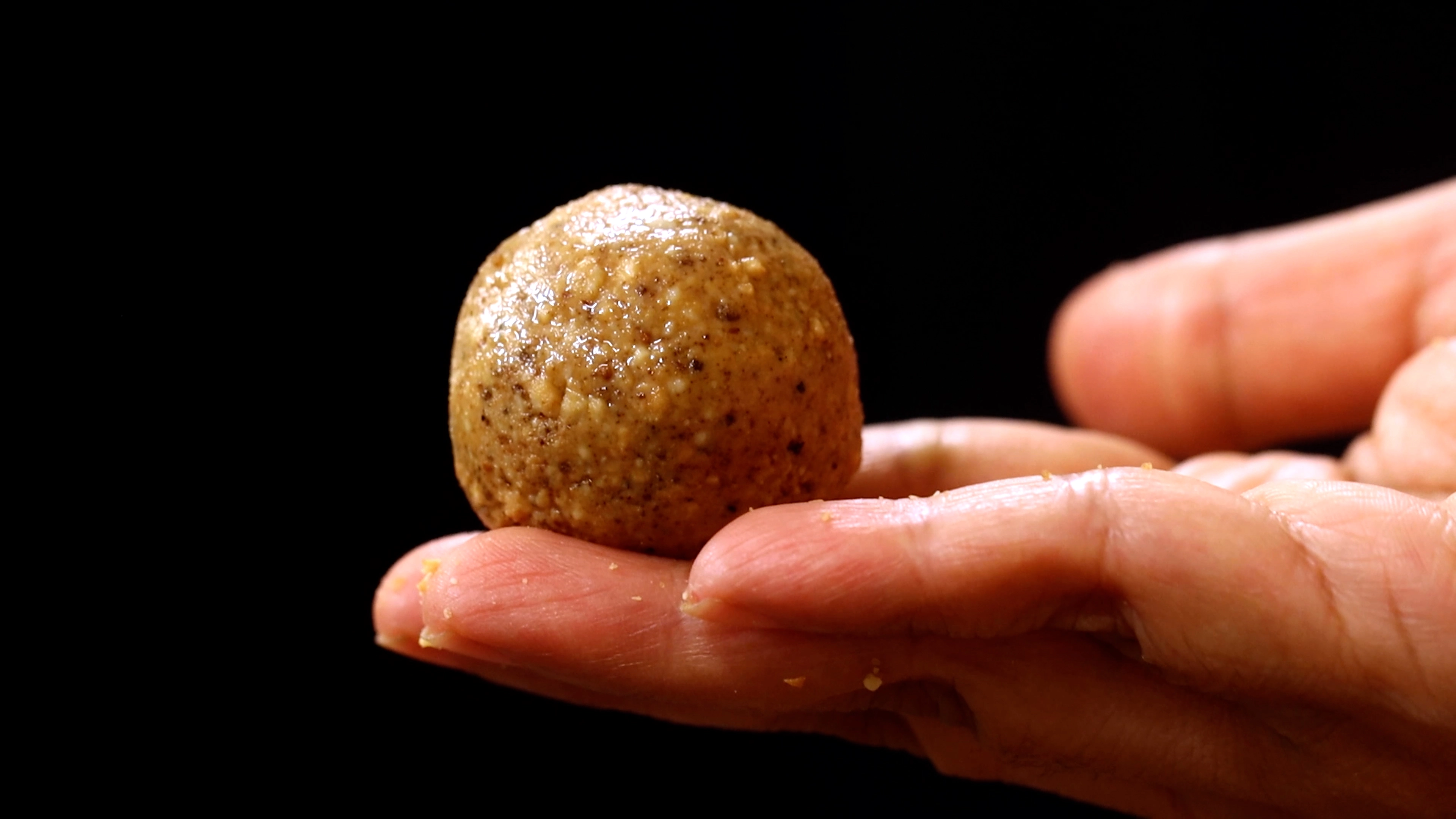
-
Ready to serve
Tasty peanut ladoos are ready to be served!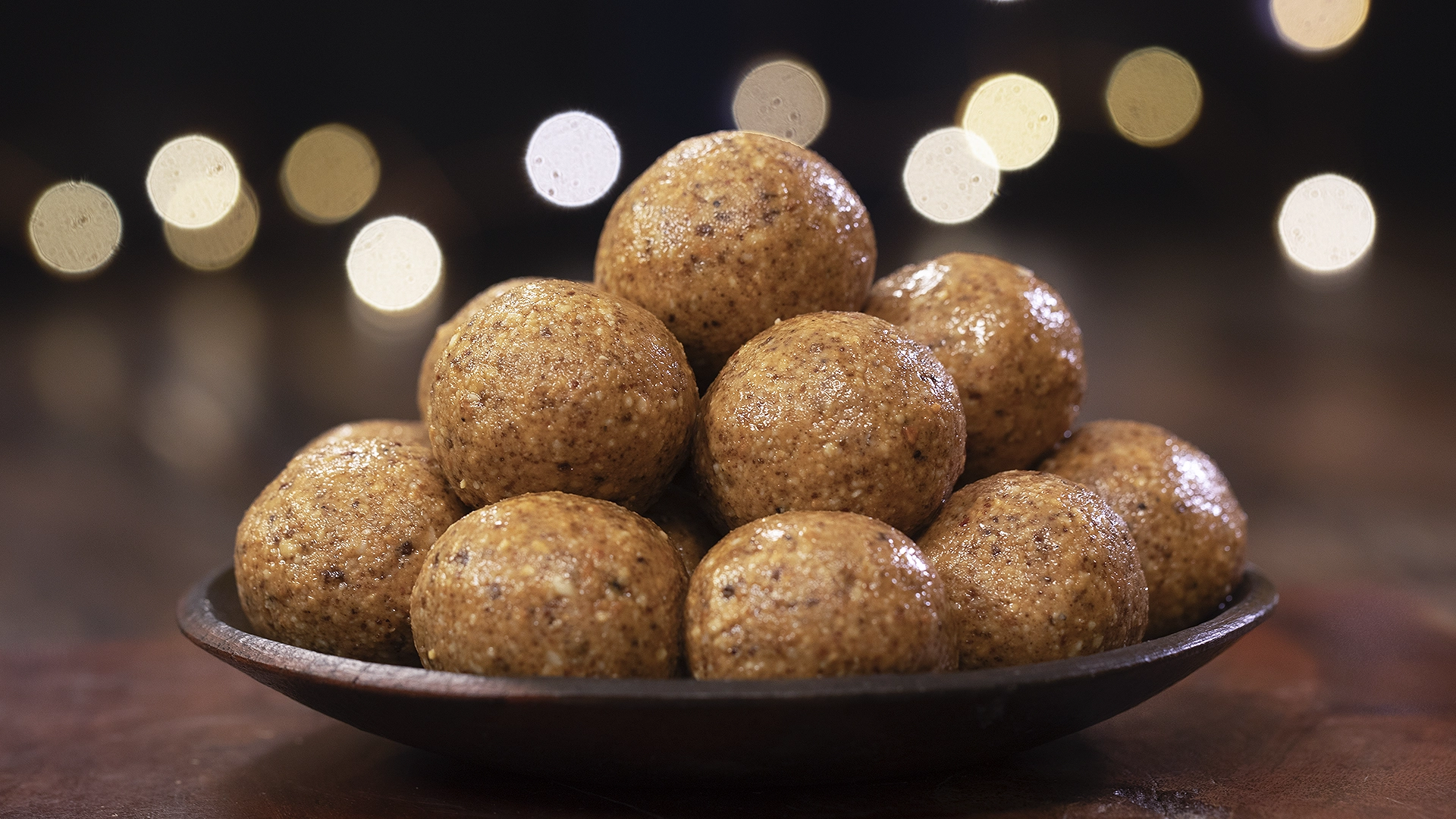
Equipment


Affiliate Disclosure: This post contains Amazon affiliate links, i.e., when you buy any product using the links below, we get commissions. but it doesn’t cost you anything extra. If you do purchase any product using the given links, we thank you in advance!
Nutrition Facts
Servings 10
- Amount Per Serving
- Calories 120kcal
- % Daily Value *
- Total Fat 7g11%
- Saturated Fat 1g5%
- Sodium 2mg1%
- Potassium 110mg4%
- Total Carbohydrate 10g4%
- Dietary Fiber 2g8%
- Sugars 6g
- Protein 4g8%
- Calcium 10 mg
- Iron 0.5 mg
- Magnesium 30 mg
* Percent Daily Values are based on a 2,000 calorie diet. Your daily value may be higher or lower depending on your calorie needs.