

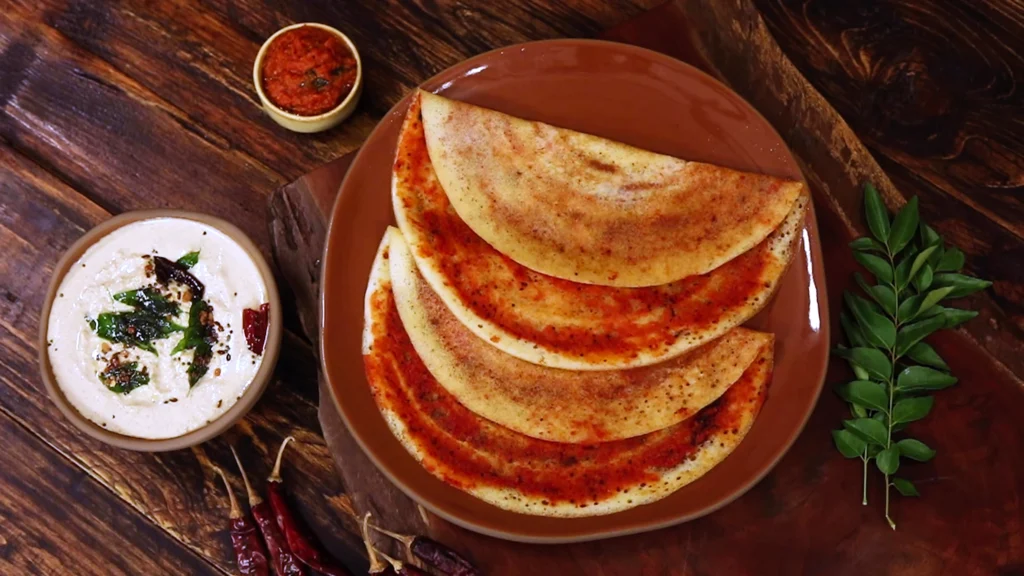

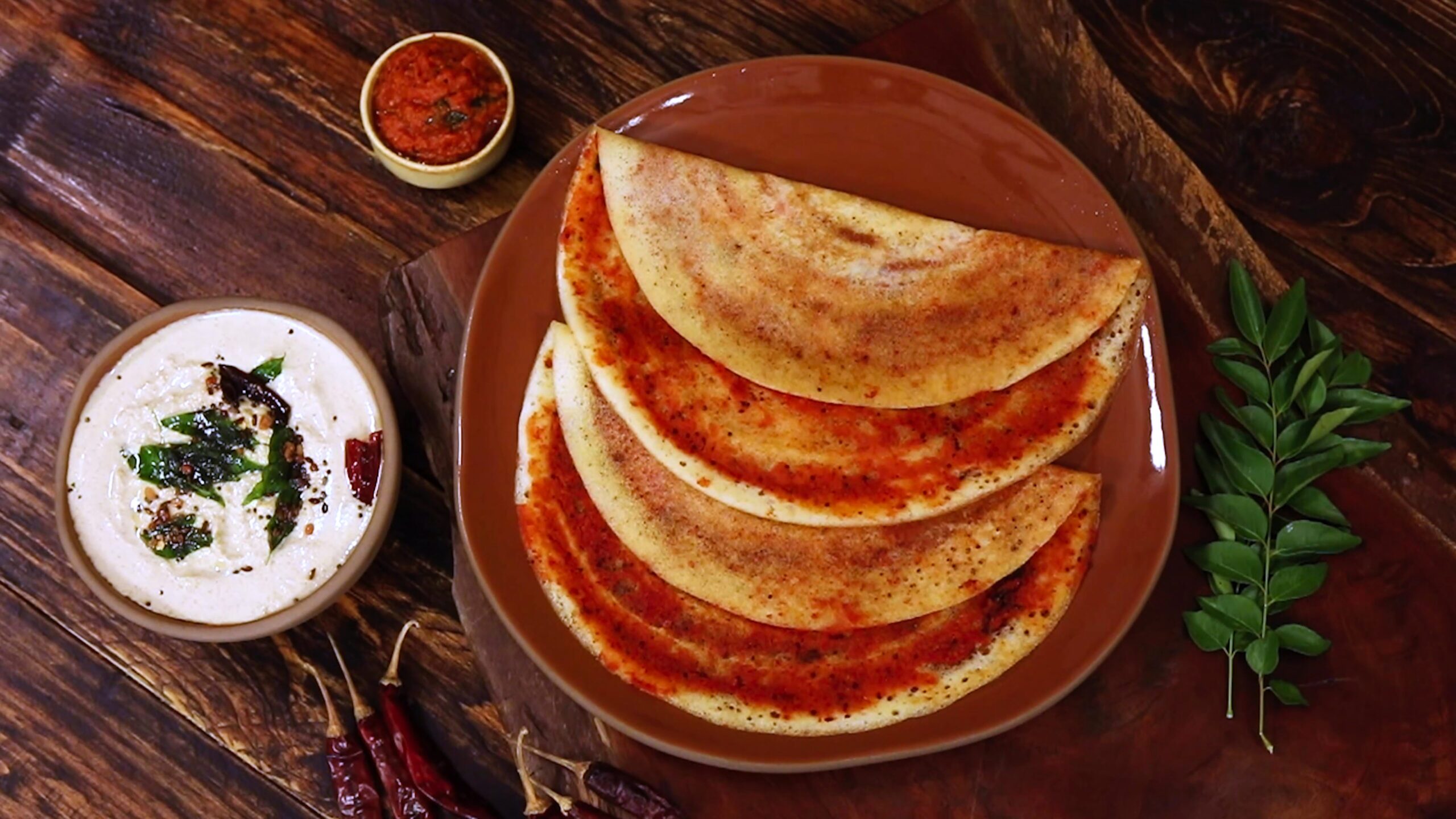
Imagine a crispy, golden dosa slathered with a vibrant red masala that’s spicy, tangy, and deeply aromatic—that’s onion tomato dosa in all its glory. This isn’t your everyday plain dosa; this is the kind that announces itself with bold flavors and a gorgeous rusty-red hue. The masala is made by grinding together onions, tomatoes, garlic, and a generous amount of red chilies into a fiery paste that’s then cooked down until the raw edges disappear and all that’s left is pure, concentrated flavor. When spread onto a crispy dosa and drizzled with ghee, it becomes something truly spectacular—each bite delivering crunch, spice, tang, and that irresistible ghee richness.
This dosa is for those who like their food with personality. It’s perfect for breakfast when you want to wake up your taste buds, great for brunch when you’re feeding spice-loving friends, or ideal for dinner when you’re craving something familiar yet exciting. Serve it with coconut chutney to cool things down, and you’ve got a meal that’s both comforting and thrilling.
The Story Behind This Bold Creation
Dosa has been the canvas for culinary creativity across South India for generations. While the classic masala dosa with its potato filling remains beloved, regional variations have emerged that showcase local preferences and available ingredients. Onion tomato dosa, also known as Mumbai’s special masala dosa or red chutney dosa in some regions, represents that beautiful intersection of traditional technique and bold, street-food-inspired flavors.
What makes this version special is its simplicity and intensity. Unlike masala dosa which requires preparing a separate potato filling, this version uses a masala that’s ground raw and then cooked—a technique that preserves the bright, sharp flavors of the ingredients while mellowing them just enough. The generous use of red chilies and garlic gives it that characteristic punch that’s become synonymous with Mumbai street food, where bold flavors reign supreme.
Breaking Down Your Flavor Builders
- Dosa Batter – Your crispy, golden canvas made from fermented rice and lentils. It provides the structure and that characteristic tangy flavor.
- Ghee – Pure liquid gold that adds richness, helps crisp up the dosa beautifully, and makes everything taste more indulgent.
- Onion – Chopped and ground into the masala, they provide sweetness, body, and depth.
- Red Chilli – The star that brings the heat and that gorgeous red color. These aren’t just for show—they deliver serious spice.
- Tomato – Adds tanginess, natural sweetness when cooked, and helps create the masala’s thick consistency.
- Garlic Cloves – Pungent, aromatic, and absolutely essential for that bold, assertive flavor profile.
- Salt – For seasoning the masala properly so it’s flavorful, not just spicy.
- Oil – For tempering the spices and cooking the masala.
- Mustard Seeds – Classic South Indian tempering that adds a sharp, slightly bitter pop.
- Curry Leaves – The aromatic signature that makes it authentically South Indian.
How This All Comes Together
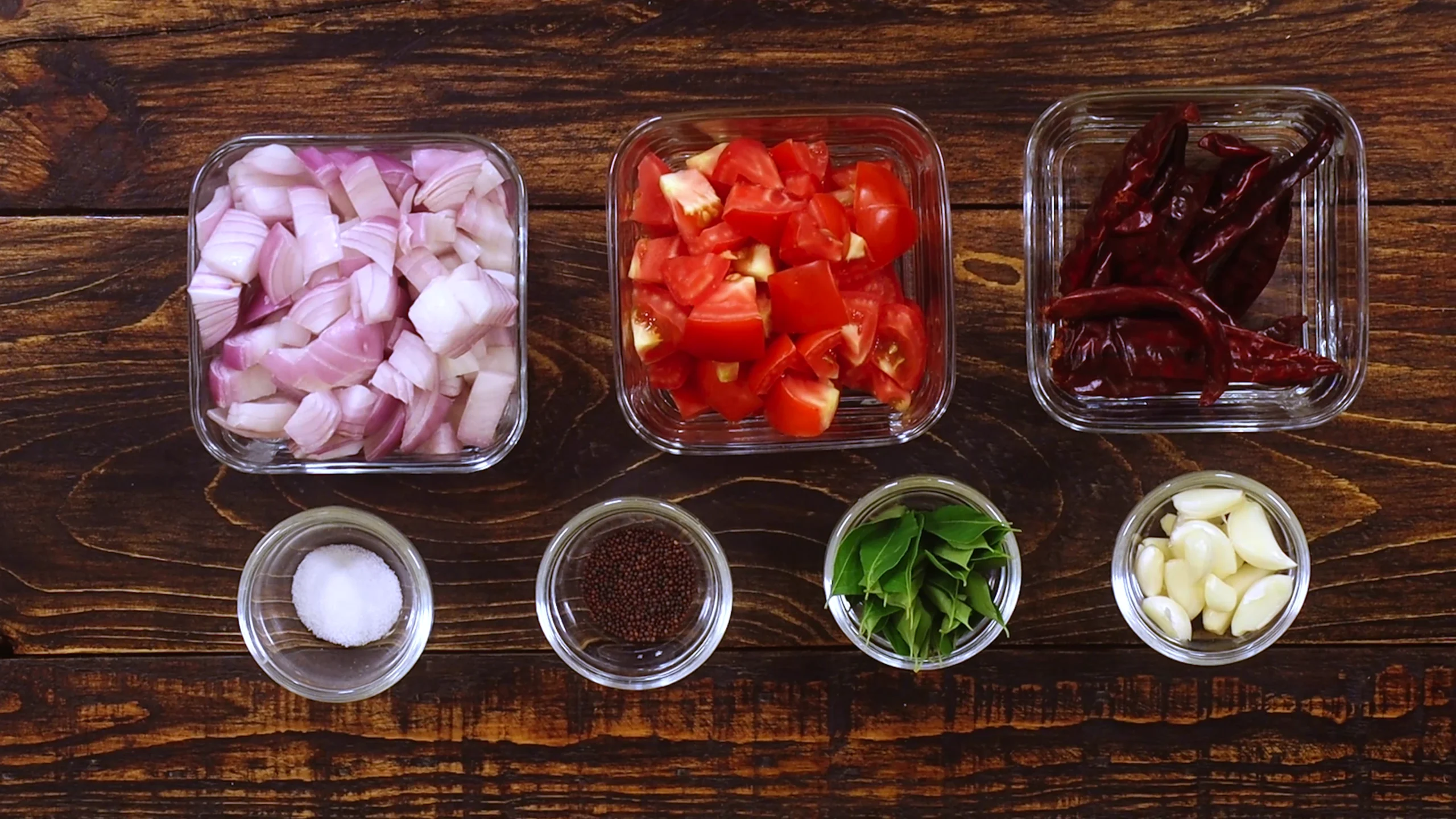
Start with your prep work because once you begin making dosas, you want everything ready to go. Roughly chop your onions—they don’t need to be perfectly fine since you’re going to grind them anyway. Do the same with your tomatoes and garlic cloves. Having everything chopped and ready means you can move smoothly through the process.
Now here’s where this recipe gets interesting—you’re going to grind your masala raw, without cooking it first. Take your chopped onions, red chilies, tomatoes, garlic, and salt, and transfer everything to a grinder. Grind it all into a fine paste without adding any water. This is important—adding water will make the paste too thin and watery, and you want a thick, concentrated masala that will spread easily on your dosa and cook quickly. The paste should be smooth and cohesive, with all the ingredients fully broken down and integrated.
💡 Pro Tip: Grinding without water might take a little longer and require some patience, but it’s crucial for the right consistency. If your grinder is struggling, pause occasionally to scrape down the sides and pulse again. The result should be a thick, spreadable paste.
Heat oil in a wide pan over medium heat and get your tempering ready. Add mustard seeds and let them crackle and pop. Toss in a generous handful of curry leaves—they’ll sizzle beautifully and release their distinctive aroma. This tempering is the aromatic base that will flavor your entire masala.
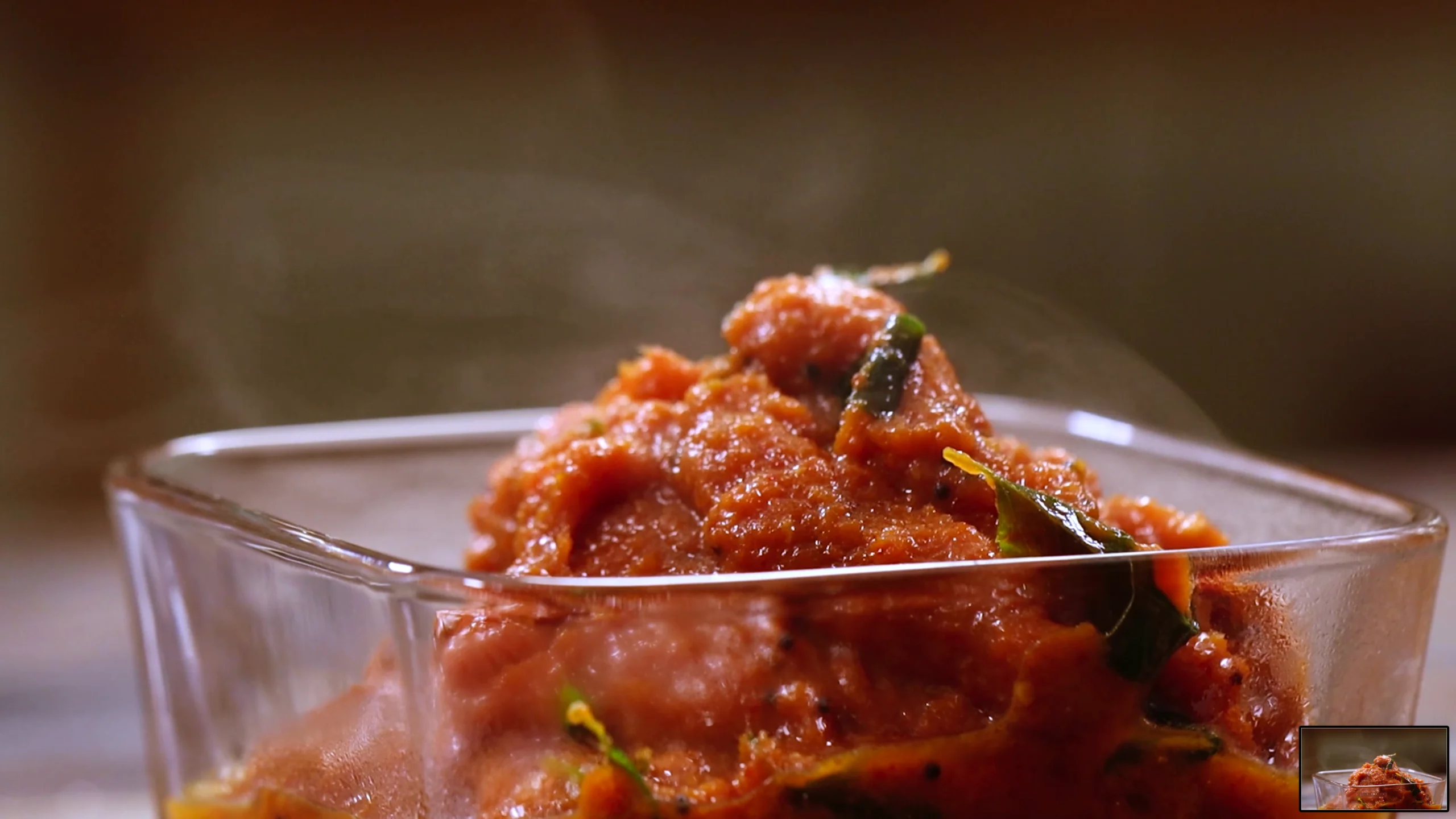
Add your ground onion-tomato masala to the pan. Now comes the cooking part—let this masala cook for about ten minutes, stirring occasionally. What you’re doing here is cooking out all the raw, sharp flavors of the onion and garlic, allowing the tomatoes to break down, and mellowing the heat of the chilies just slightly while deepening all the flavors. You’ll notice the raw smell gradually disappearing and being replaced by a cooked, more rounded aroma. The masala will also darken slightly and the oil might start separating at the edges—that’s your sign it’s ready.
💡 Pro Tip: Don’t rush the masala cooking. Those ten minutes transform raw, pungent ingredients into a cohesive, flavorful mixture. The masala should smell cooked and aromatic, not sharp and raw.
Once your masala is cooked, transfer it to a bowl and set it aside. You can make this ahead—it keeps well in the refrigerator for 3-4 days, which makes your dosa-making process much faster on busy mornings.
Now let’s make those dosas. Heat your dosa tawa or griddle until it’s nice and hot—sprinkle a few drops of water on it; they should sizzle and evaporate immediately. Take a ladleful of your dosa batter and pour it onto the center of the tawa. Using the back of the ladle in a circular motion, spread the batter outward from the center to create a thin, round dosa. The thinner you spread it, the crispier it will be.
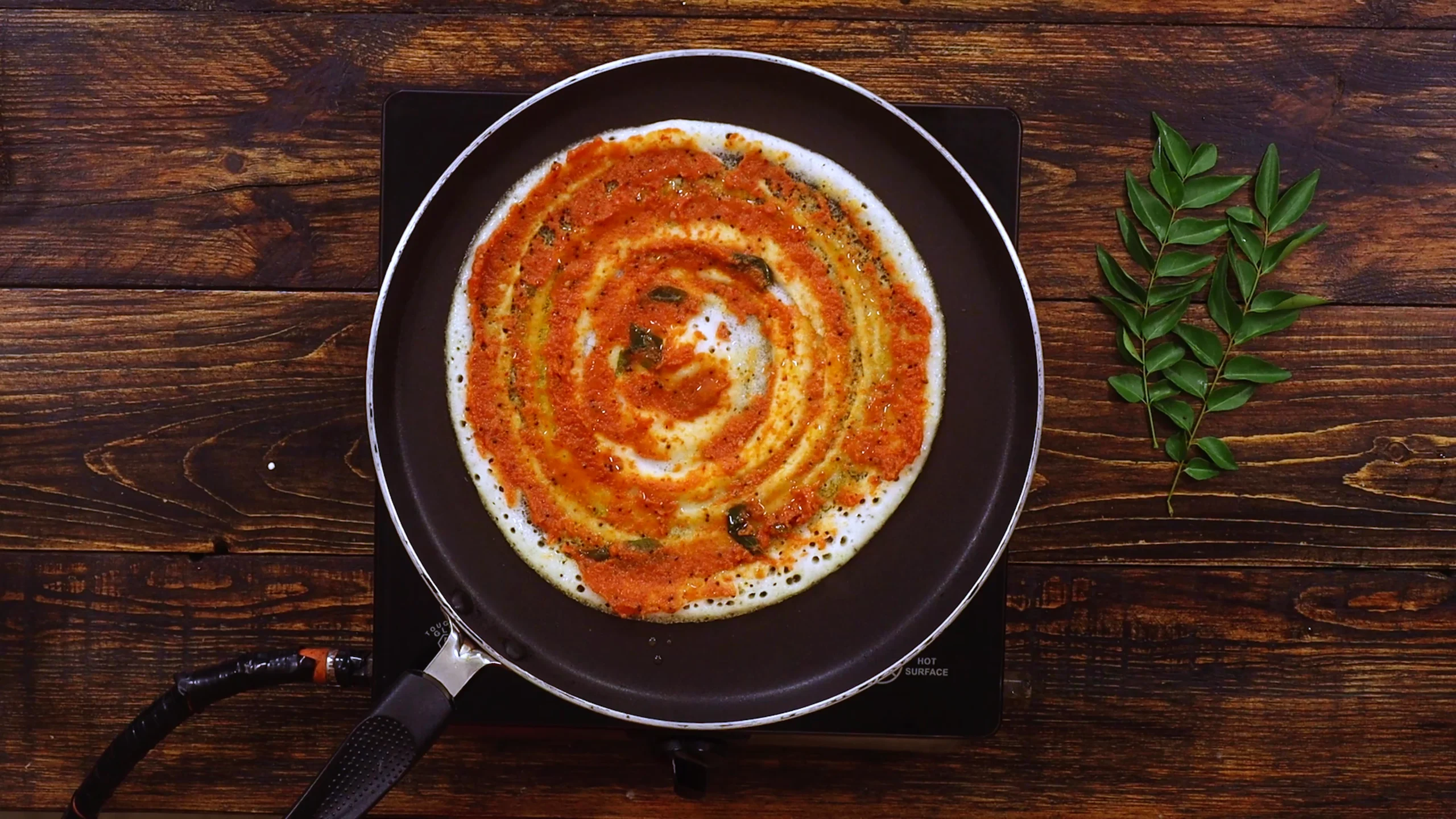
As soon as the dosa starts cooking and you see the surface beginning to set, drizzle ghee generously along the edges. This ghee will seep under the dosa, helping it crisp up beautifully and adding that incredible flavor. Take a spoonful of your prepared onion-tomato masala and spread it across the surface of the dosa while it’s still cooking. Don’t be stingy—this masala is the star of the show.
Drizzle more ghee on the sides and over the masala itself. Yes, more ghee. This is what makes the dosa irresistibly crispy and gives it that rich, indulgent quality. The ghee also helps the masala cook into the dosa rather than just sitting on top of it.
💡 Pro Tip: The key to a perfectly crispy dosa is not being shy with the ghee and cooking on medium-high heat. The ghee creates that golden, lacy crispness that makes dosa so addictive.
Let the dosa cook until the bottom is golden brown and crispy—you’ll see the edges starting to lift and turn darker. Using a wide spatula, carefully flip the entire dosa so the masala side is now facing down. Let it cook briefly on this side—just 30-45 seconds—so the masala gets a bit of direct heat and caramelizes slightly. This adds another layer of flavor and texture.
Flip it back if you’d like, or simply slide it onto a plate with the masala side up so you can see all that gorgeous red topping. Your onion tomato dosa is ready—crispy, golden, fragrant, and absolutely stunning.
🌿 Vegan Swap: Use oil instead of ghee for cooking. The dosa will still be crispy and delicious, just without that characteristic ghee richness. Coconut oil works particularly well and adds its own subtle flavor.
What Goes Along
Onion tomato dosa pairs beautifully with cooling coconut chutney—you’ll need that creamy, mild contrast against the spicy masala. A tomato-onion chutney adds even more tangy, spicy notes if you’re really into bold flavors. Sambar on the side makes it a complete meal. Some people love it with just a dollop of fresh curd or a simple onion raita. Hot filter coffee or masala chai alongside makes it a proper South Indian breakfast experience.
- Peanut Chutney
- Tomato Mint Chutney
- Mango Coconut Chutney
- Tomato Peanut Chutney
- Onion Chutney
- Spicy Mint Chutney
- Raw Mango Chutney
- Toor Dal Chutney
- Bombay Chutney
How to Serve
Serve onion tomato dosa immediately, hot off the tawa—that’s when it’s at its crispiest and most delicious. Fold it in half or roll it up if you prefer, though many people like serving it flat so you can see that gorgeous red masala. Place it on a warm plate with your choice of chutney in a small bowl on the side. If you’re making multiple dosas, serve them as you make them rather than keeping them warm—dosas are always best fresh.
How to Store
The cooked masala stores beautifully in an airtight container in the refrigerator for 3-4 days, making it easy to whip up these dosas quickly throughout the week. Just make fresh dosas and spread the pre-made masala. The dosa batter itself keeps in the fridge for 2-3 days (it actually ferments more and develops more flavor). Cooked dosas don’t store well—they lose their crispiness—so it’s best to make them fresh.
How to Reheat
Honestly, dosas aren’t great reheated—they lose that crispy texture that makes them special. If you must reheat, use a hot tawa or griddle rather than a microwave. Heat for a minute on each side to try to restore some crispness. An air fryer works better—about 2-3 minutes at 180°C can bring back some of that crunch.
Common Substitutions
- If you can’t find or don’t have red chilies, you can use red chili powder mixed with a little water to form a paste—about 2-3 tablespoons, depending on your heat tolerance.
- Regular onions work if you don’t have any specific type mentioned.
- No garlic? The masala will lose some of its punch, but you could add extra ginger for a different kind of sharpness.
- Butter can substitute for ghee if needed, though the flavor will be slightly different.
- No curry leaves? Unfortunately, they’re really hard to substitute, but you could skip them if absolutely necessary—the masala will still be delicious, just less authentically South Indian.
Packing for Parties / Bulk Preparation
For parties or bulk preparation, make a large batch of the masala ahead of time—it keeps well and actually improves with a day of rest. You can prep everything the night before: have your batter ready, masala cooked and stored, and all your equipment set up. On the day of, set up a dosa-making station with a hot tawa, and make them fresh as people arrive or are ready to eat.
If you’re serving a crowd, consider having two tawas going simultaneously to speed up the process. People actually enjoy watching dosas being made, so live preparation can be part of the entertainment. Keep the cooked masala in a bowl nearby so you can quickly spread it on each dosa.
For a dosa party, set up different toppings and let people customize—some might want extra masala, others might prefer less spice. You could even make a regular masala dosa filling alongside this onion-tomato version to give people options.
Meal Prep Ideas
The masala is perfect for meal prep—make a big batch on the weekend and you’ve got quick, flavorful dosas throughout the week. Just store the masala in a container and make fresh dosas whenever you want them. This cuts your morning cooking time significantly.
You can also prep the vegetables ahead—chop your onions, tomatoes, and garlic and store them in the fridge, ready to grind when needed. The dosa batter, being fermented, actually keeps well and even improves with a few days in the fridge.
For variety, use the same masala as a spread on toast, as a base for eggs, or even mixed into scrambled eggs for a spicy breakfast. It’s versatile beyond just dosas and adds instant flavor to whatever you pair it with. You could also use it as a pizza base sauce for a fusion creation, or spread it on parathas for a spicy twist.
Other Dosa Recipes You Might Like:
- Egg Dosa — protein-packed dosa topped with a soft cooked egg for a hearty twist.
- Tomato Dosa — tangy, tomato-spiced dosa batter for a bright, flavorful crease.
- Multigrain Dosa — nutritious dosa made with a mix of grains for extra fibre and texture.
- Set Dosa — soft, fluffy twin dosas traditionally served in a stack.
- Beetroot Dosa — colorful dosa made with pureed beetroot, mildly sweet and earthy.
- Green Gram Dosa (Weight Loss Recipe) — healthy, protein-rich dosa made from green gram for a lighter meal.
- Banana Dosa — slightly sweet dosa with mashed banana — great for a quick, comforting breakfast.
Ghee Karam Dosa
Description
Ghee Karam Dosa is a classic South Indian breakfast dish loved for its crispy texture, spicy onion-tomato karam, and rich aroma of ghee. Originating from Andhra cuisine, this dosa is thin, golden, and generously topped with a flavorful masala that makes every bite irresistible. Perfect for breakfast or a light dinner, it’s a wholesome and comforting dish you can easily make at home. Pair it with coconut chutney or peanut chutney for a truly authentic experience
Ingredients
Instructions
Prep Work
-
Chop the Vegetables
Chop onions, tomatoes, and garlic cloves.
-
Make the Masala Paste
Grind onions, chilies, tomatoes, garlic, and salt into a fine paste without adding water.
-
Get Tempering Ready
Heat oil in a wide pan and keep mustard seeds and curry leaves ready.
Method
-
Temper the Spices
Heat oil in a pan, add mustard seeds and curry leaves. Let them crackle.
-
Cook the Masala
Add the ground onion-tomato masala and cook for about ten minutes until the raw smell disappears.
-
Set the Masala Aside
Transfer the cooked masala to a bowl and set it aside.
-
Spread the Dosa
Heat a dosa tawa and spread the dosa batter thinly.
-
Add Ghee and Masala
When the dosa starts cooking, drizzle ghee along the edges and spread a spoonful of the onion-tomato masala on top.
-
Enhance with More Ghee
Add more ghee on the sides and over the masala for extra flavor.
-
Flip and Cook the Dosa
Once the dosa is crisp on one side, flip and cook the other side briefly.
-
Serve Hot
Once done, transfer it to a plate and serve hot with chutney.
Equipment


Affiliate Disclosure: This post contains Amazon affiliate links, i.e., when you buy any product using the links below, we get commissions. but it doesn’t cost you anything extra. If you do purchase any product using the given links, we thank you in advance!
Nutrition Facts
Servings 3
- Amount Per Serving
- Calories 320kcal
- % Daily Value *
- Total Fat 12g19%
- Saturated Fat 6g30%
- Cholesterol 10mg4%
- Sodium 400mg17%
- Total Carbohydrate 45g15%
- Dietary Fiber 4g16%
- Sugars 6g
- Protein 6g12%
* Percent Daily Values are based on a 2,000 calorie diet. Your daily value may be higher or lower depending on your calorie needs.

User Reviews
Nice one
Thank you, krishnan! Glad you liked it 😊