Let’s be honest—when the rain starts pouring and those first drops hit your window, your brain immediately goes to one place: Maggi. It’s the default monsoon move, the instant comfort we’ve all reached for since college days. Hot, quick, satisfying—we get it.
But here’s the thing: you deserve better than another bowl of instant noodles. Monsoon season calls for snacks that actually celebrate the weather—crispy textures that contrast with the dampness outside, spicy heat that cuts through the humidity, and that satisfying sizzle of something frying in hot oil while rain drums on your roof. This is the food that generations have perfected for rainy days, the recipes that turn a gloomy afternoon into something special.
From golden onion bajjis that rival any street vendor’s to potato bondas with their perfectly crispy shells, from mixed pakodas that use whatever vegetables you have on hand to coastal-style fish fry that transforms a rainy evening into a mini celebration—these are the recipes that will make you forget all about that packet of instant noodles in your pantry. Each one is designed to deliver exactly what monsoon cravings demand: hot, crispy, comforting, and best enjoyed with a steaming cup of masala chai.
What Makes the Perfect Monsoon Snack?
Not all snacks are created equal, and monsoon cooking has its own rules. The perfect rainy day treat needs to check specific boxes that regular snacks don’t. Understanding these characteristics helps you see why certain foods become irresistible when the weather turns wet and why a simple pakoda beats fancy restaurant food on a rainy evening.
Crispy texture is non-negotiable. When everything outside is damp and soggy, your food needs to provide textural contrast. That satisfying crunch when you bite into a properly fried bajji or pakoda isn’t just pleasant—it’s psychologically comforting. The crispy exterior creates a shield against the humidity, giving you something definitive and substantial to bite into while the world outside turns liquid.
Deep-fried preparation provides essential warmth. Your body temperature drops slightly in monsoon weather due to increased humidity and cooler air. Deep-fried foods deliver concentrated calories and warmth from the inside out. The hot oil cooking method also creates complex flavors through the Maillard reaction that lighter cooking methods can’t achieve. This isn’t about being unhealthy—it’s about seasonal eating that responds to your body’s actual needs during rainy weather.
Spicy kick serves multiple purposes. Monsoon humidity can dull your taste perception, making foods taste blander than they would in dry weather. Adding extra spice compensates for this effect while also boosting your metabolism and helping your body generate heat. The capsaicin in chilies also has mild antimicrobial properties—relevant during monsoon when food-borne bacteria thrive in increased moisture. Traditional recipes aren’t spicy by accident; they’re responding to seasonal health considerations.
Quick preparation matters because rain is unpredictable. Unlike planned meals, monsoon snack cravings hit suddenly—often triggered by the first sound of rain or a sudden temperature drop. The best monsoon recipes come together in under 30 minutes, allowing you to move from craving to satisfaction while the mood is still right. Foods that require hours of preparation miss the spontaneous joy that defines monsoon snacking.
Temperature is crucial to the experience. These snacks must be served hot—not warm, not room temperature, but actually hot from the oil. The temperature contrast between the hot snack and cool rainy air outside is part of the sensory pleasure. This is why monsoon snacks don’t reheat well and why street vendors frying them fresh have lines out the door during rain.
The Essential Monsoon Snacks Collection
Betal Bajji: Your 20-Minute Emergency Monsoon Fix
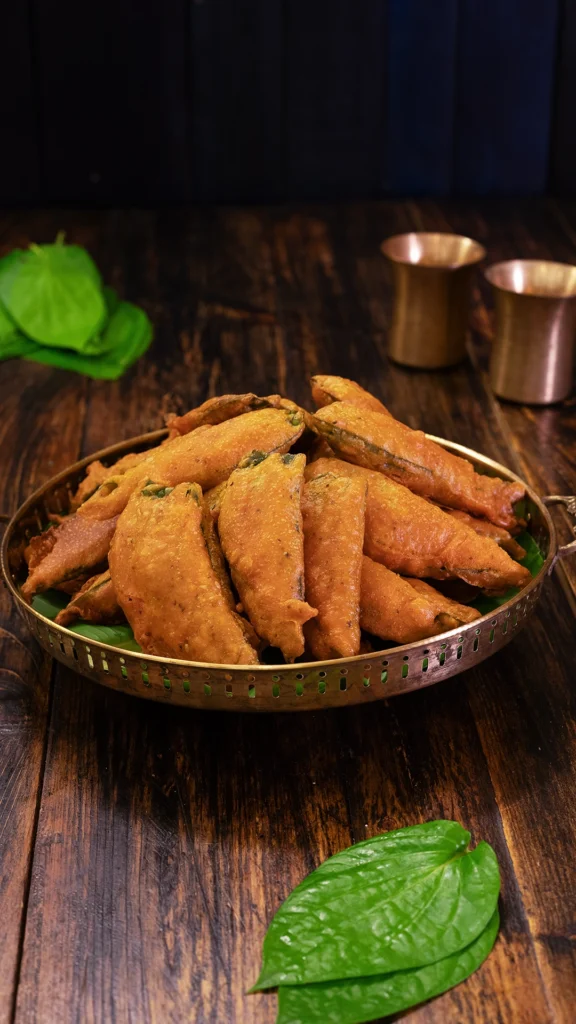
When the rain hits unexpectedly and you need something different from the usual suspects, betal bajji is your answer. These crispy fritters made with cluster beans (gavar or kothavarangai) wrapped in spiced gram flour coating deliver earthy, slightly bitter notes that cut through monsoon humidity beautifully. Betal bajji takes just 20 minutes from start to finish—faster than getting food delivered and offering a sophisticated alternative to everyday pakodas. Each piece delivers that perfect contrast between the tender bean interior and the shattering crisp exterior, with a flavor profile that’s more complex than typical vegetable bajjis.
What makes betal bajji special is its unique taste—cluster beans have a distinctive earthiness with slight bitterness that becomes addictive when combined with the right spice mix. You need just cluster beans, gram flour, basic spices, and hot oil. The beans are typically halved lengthwise or left whole if small, then coated and fried until golden. The natural texture of cluster beans—tender yet with slight bite—creates interesting mouthfeel that’s different from softer vegetables like onions or potatoes.
The regional variations tell their own story. In Tamil Nadu and Karnataka, where cluster beans are commonly consumed, betal bajji is a monsoon favorite often served at roadside tea shops. Some versions add a pinch of asafoetida to the batter for extra digestive benefits, as cluster beans can be heavy. Others incorporate curry leaves directly into the batter for aromatic depth. The key is balancing the beans’ natural bitterness with adequate salt and spice so the flavor is bold rather than bland.
Pakoda: The Versatile King of Monsoon Snacking
If there’s one recipe that defines monsoon across India, it’s pakoda. This mixed vegetable fritter adapts to whatever you have in your kitchen, works for feeding two people or twenty, and once mastered, becomes your template for endless variations. The beauty lies in its flexibility—onions and potatoes form the base, but you can add spinach, cauliflower, cabbage, bell peppers, eggplant, or whatever vegetables need using up. Each combination creates a slightly different flavor profile while the technique remains constant.
Pakoda differs from bajji in structure. Here, vegetables are chopped or thinly sliced and mixed into thick batter that binds them together. Each bite contains multiple vegetables held in a crispy gram flour matrix. The batter needs to be thicker than bajji batter—think thick pancake consistency—so the vegetables stay suspended rather than sinking. This creates a more substantial snack that can almost function as a light meal, especially if you pack it with protein-rich spinach and potatoes.
The real challenge with pakoda is achieving crispiness without oil absorption. Too many home cooks end up with greasy, heavy pakodas that sit in your stomach like rocks. The secret lies in batter consistency, oil temperature, and the addition of rice flour—about 20% of your total flour content. Rice flour creates a lighter, crispier crust that stays crunchy longer, even in humid weather. The other critical technique is not overcrowding the pan, which drops oil temperature and leads to absorption.
Regional styles reflect local preferences. North Indian pakoras tend toward heavier spicing with garam masala and sometimes include a touch of yogurt in the batter for tang. South Indian versions emphasize curry leaves and might include rice flour as standard. Mumbai’s monsoon pakodas are famous for their perfect texture—crispy outside, soft inside, never greasy—achieved through precise oil temperature control and quick frying.
Masala Tea: The Non-Negotiable Companion
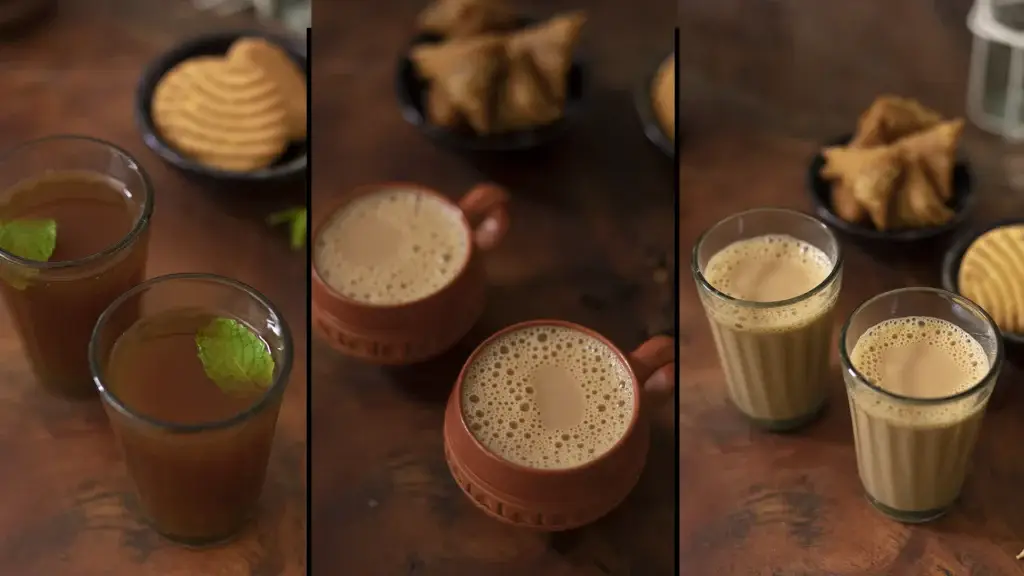
While technically not a snack, masala chai deserves its place here because every monsoon snack becomes exponentially better when paired with properly made spiced tea. The warming ginger, aromatic cardamom, sharp black pepper, and sweet cinnamon in masala chai don’t just taste good—they serve practical purposes during monsoon. Ginger has antimicrobial properties and helps with digestion of fried foods. Black pepper creates internal warmth that combats the damp chill. Cardamom aids digestion while providing an aromatic high note that makes each sip interesting.
The steam rising from a hot cup of masala chai adds to the sensory experience. As you bite into a crispy pakoda or bajji, the hot tea helps cleanse your palate, preparing it for the next bite while preventing the heavy feeling that comes from eating fried foods alone. The sweetness in chai balances the savory, spicy snacks, and the tannins in black tea actually help your body process oils better.
Different regions have their chai styles, each perfect for their local snacks. Tamil Nadu’s tea shops serve strong, milky chai with less spice—the tea flavor dominates, providing a robust background for heavily spiced bajjis and pakodas. Kerala variations include more ginger and sometimes lemongrass, reflecting the state’s spice-growing heritage. Mumbai cutting chai is small, strong, and sweet—designed for quick consumption between bites of vada pav or pakodas at street corners.
Making proper masala chai isn’t difficult, but it requires attention to detail. The spices need to boil in water first to release their essential oils before milk is added. The tea leaves go in next, steeping until the color darkens. Sugar dissolves in the heat, and the entire mixture is brought to a rolling boil that creates the characteristic frothy top. Straining into cups releases the aroma that signals monsoon comfort.
Bonda Soup: Comfort in a Bowl with a Crispy Surprise
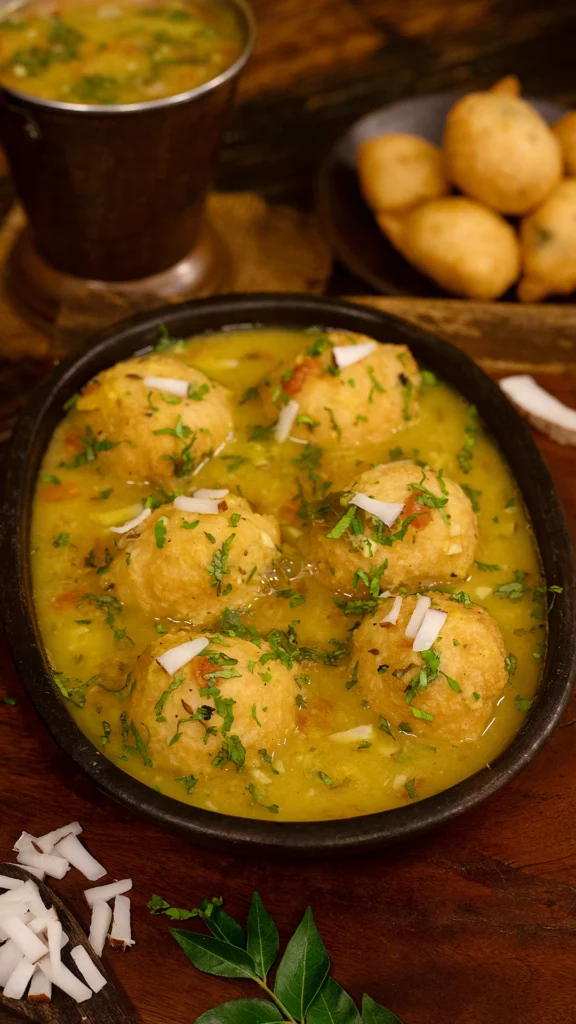
Bonda soup is the genius fusion that defines monsoon comfort food—a hot, peppery vegetable broth served with crispy potato bondas floating on top. This South Indian specialty takes the concept of soup and snack and merges them into one soul-satisfying dish that warms you from the inside while delivering textural contrast with every spoonful. The soup itself is light, aromatic, and mildly spiced with black pepper and cumin providing warmth, while the bondas add substance and richness. As the bondas soak slightly in the hot broth, they release flavor while maintaining enough crispiness to provide that satisfying bite.
What elevates bonda soup from simple soup to monsoon magic is the interplay of textures and temperatures. The broth is typically made with mixed vegetables—carrots, beans, peas—cooked in a pepper-forward spice base until tender. The liquid should be clear or slightly thickened, more like rasam than a heavy stew. Meanwhile, small potato bondas are prepared separately—spiced mashed potato filling shaped into golf-ball-sized spheres, coated in gram flour batter, and deep-fried until golden. Just before serving, 2-3 hot bondas are placed in a bowl and the steaming soup is ladled over them.
The technique requires timing. Make the soup first and keep it hot, then fry bondas fresh just before serving. The bondas should be smaller than regular bondas—easier to eat with a spoon and better bonda-to-soup ratio. Some versions include a tempering of curry leaves, mustard seeds, and dried red chilies added to the soup at the last minute for extra aromatic punch. The soup is finished with fresh coriander and a squeeze of lime that brightens all the flavors.
This dish is particularly popular in Tamil Nadu’s Kongu region and in Coimbatore, where roadside stalls serve it during monsoon as both snack and light meal. It’s the perfect answer when you can’t decide between hot soup for comfort or fried snacks for satisfaction—bonda soup delivers both. The soup’s lightness prevents the heavy feeling that comes from eating bondas alone, while the bondas add enough substance that you feel properly fed.https://chatgpt.com/gg/v/69256633d0048194afd49092c630b760?token=VBsAYRP2ObKjfj5r_4xxjA
Bread Rolls: The Crispy, Stuffed Monsoon Indulgence
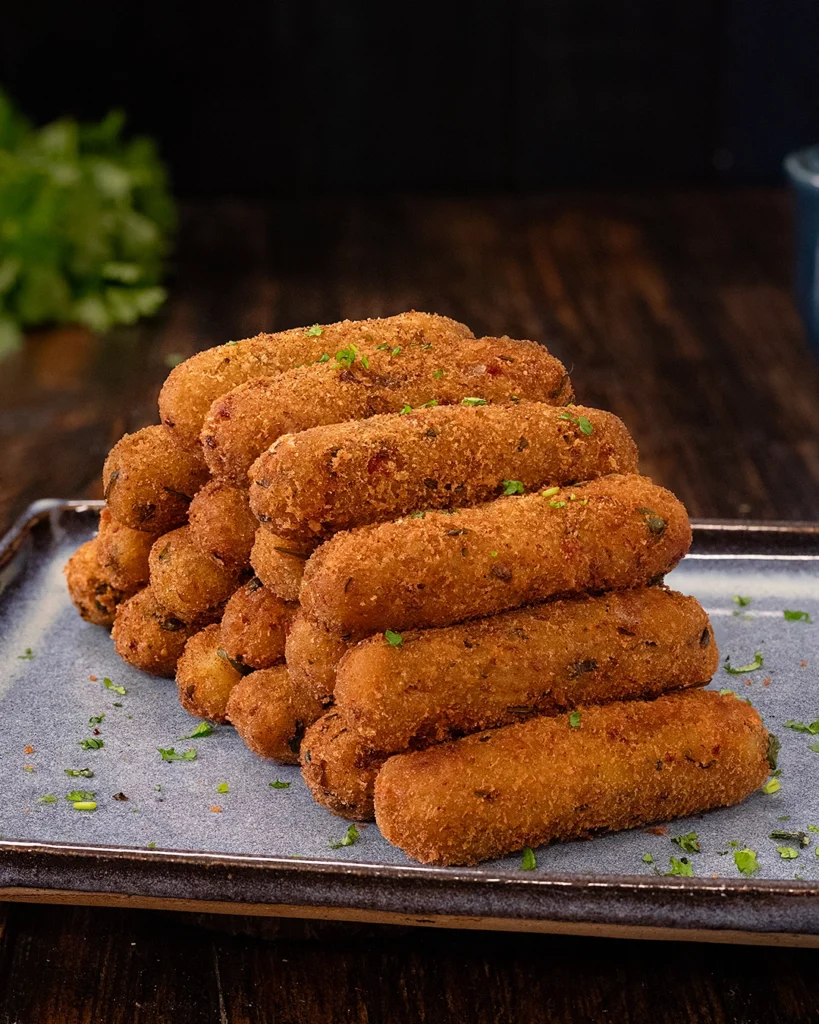
Bread rolls take Indian street food genius to the next level—bread slices are stuffed with spiced vegetable or meat filling, rolled into tight cylinders, coated in batter or breadcrumbs, and deep-fried until golden and crispy. This is monsoon snacking at its most indulgent, offering more substance than regular pakodas with the satisfying crunch of a perfectly executed fried snack. The cylindrical shape creates maximum crispy surface area while the filling stays protected inside, releasing its flavors only when you bite through the crust. These rolls can be made vegetarian with potato-pea filling or non-vegetarian with minced chicken or mutton.
The bread preparation is crucial. Fresh white sandwich bread works best—remove the crusts, flatten each slice with a rolling pin to make it pliable, then add a cylinder of filling along one edge. Roll tightly, seal the edge with a flour-water paste, and the bread roll is ready for coating. The rolling technique prevents filling from escaping during frying and creates even thickness throughout. Some cooks chill the rolls for 15-20 minutes before frying to help them hold shape better.
The coating determines the final texture. Traditional versions dip rolls in thin gram flour batter before frying, creating coating similar to pakoda. Modern variations roll them in breadcrumbs after a light egg wash or cornflour slurry, creating extra-crunchy Japanese-style coating. A third option uses a double coating—light batter dip, then breadcrumb roll—for maximum crispiness. Each method works but creates different textures and requires different oil temperatures.
What makes bread rolls particularly appealing for the monsoon is their versatility. The filling can be whatever you have—last night’s leftover vegetables mashed and spiced, boiled eggs chopped with onions and spices, or even paneer crumbled with herbs. They’re substantial enough to serve as a light meal rather than just snacks, and they pair beautifully with various chutneys and sauces. Kids love them because they’re handheld and not too spicy (if you moderate the filling), while adults appreciate the crispy-soft contrast and the way they satisfy hunger without feeling too heavy.
Essential Ingredients for Monsoon Cooking
Mastering monsoon snacks starts with understanding the core ingredients that appear across recipes. Keeping these pantry staples on hand means you can respond to sudden rain-induced cravings without running to the store. Each ingredient serves specific purposes beyond just flavor, especially during humid weather when cooking chemistry changes.
Gram flour (besan) forms the foundation of most monsoon batters. Made from ground chickpeas, it creates coating that fries up crispy while providing nutty, earthy flavor and significant protein. Gram flour also has natural binding properties that help batters cling to vegetables without requiring eggs. During monsoon, store it in an airtight container away from moisture—humid gram flour clumps and develops off flavors quickly.
Rice flour is the secret ingredient that separates mediocre fried snacks from exceptional ones. Adding 15-25% rice flour to gram flour batters creates lighter, crispier coating that stays crunchy longer. Rice flour contains less gluten than wheat flour, resulting in more delicate texture. It also absorbs less oil during frying, making your snacks feel less greasy. Keep it sealed tightly as rice flour is prone to insect infestation in humid conditions.
Spice essentials include red chili powder for heat and color, turmeric for earthiness and antimicrobial properties, and asafoetida (hing) for umami depth. Ajwain (carom seeds) deserves special mention for monsoon cooking—these tiny seeds aid digestion of fried foods and prevent the heavy, bloated feeling that can come from eating too many pakodas. Garam masala adds finishing warmth and complexity. Store spices in the refrigerator during monsoon to prevent moisture absorption and loss of potency.
Fresh aromatics make the difference between good and great monsoon snacks. Ginger provides warming heat that’s different from chili heat, plus it has natural anti-inflammatory properties helpful during monsoon when colds are common. Green chilies add sharp, fresh heat and brightness. Curry leaves are non-negotiable for South Indian versions—their distinctive aroma can’t be replicated by any other ingredient. Fresh coriander leaves add color and herbal freshness. Buy these weekly rather than storing long-term, as their impact diminishes with age.
Oil selection matters more than you might think. Refined vegetable or peanut oil are neutral options that work well for deep frying without imparting their own flavor. Coconut oil adds subtle sweetness and is traditional in South Indian cooking, though its lower smoke point requires careful temperature management. Mustard oil brings its own pungent character beloved in Eastern Indian cooking. Whatever oil you choose, never reuse frying oil more than 2-3 times—during monsoon, used oil develops off flavors faster due to increased humidity.
Monsoon Cooking Tips: Mastering Crispiness in Humidity
Humidity is the enemy of crispy fried foods. The increased moisture in monsoon air works against everything you’re trying to achieve with deep frying, turning perfectly crispy snacks soft and soggy within minutes if you don’t understand the science. These tips address the specific challenges of cooking during rainy season, helping you achieve and maintain crispiness despite weather working against you.
Moisture management starts before cooking. Pat every vegetable completely dry with paper towels or clean kitchen cloth before adding to batter. Water on vegetable surfaces prevents batter from adhering properly and introduces extra moisture into the oil, lowering its temperature. After washing vegetables, let them sit spread out on towels for 10-15 minutes to air dry. This step seems tedious but makes dramatic difference in final crispiness.
Batter consistency requires adjustment during monsoon. The same recipe that works perfectly in dry weather needs modification when humidity is high. Make batters slightly thicker during monsoon—they should coat vegetables smoothly but not drip excessively. Test by dipping a spoon: batter should cling to the spoon and slowly drop off. If it runs off immediately, it’s too thin. Add gram flour one tablespoon at a time until you reach proper consistency.
Oil temperature control is the single most critical factor. Maintain oil between 350-375°F (175-190°C) for most recipes. Too hot and exteriors burn before interiors cook; too cold and food absorbs oil like a sponge. Invest in an oil thermometer—they’re inexpensive and remove all guesswork. Without a thermometer, test by dropping a small amount of batter into oil: it should sizzle immediately and rise to the surface within 2-3 seconds. If it browns instantly, oil is too hot. If it sinks and sits at the bottom, oil needs more heating.
Never overcrowd the frying pan. Adding too many pieces at once drops oil temperature significantly, leading to oil absorption and soggy results. Fry in small batches—5-6 pakodas at a time maximum depending on pan size. Yes, it takes longer. Yes, it’s worth it. The oil temperature should recover within 30 seconds of adding food. If the sizzling slows dramatically, you’ve added too much.
The rice flour trick multiplies crispiness. As mentioned earlier, replacing 20-25% of gram flour with rice flour creates noticeably crispier coating. Rice flour can be increased slightly during monsoon—up to 30%—to compensate for humidity. The resulting crust will be more delicate and crispier, though you lose some of the characteristic gram flour flavor if you go too far.
Cold water in batter is a game-changer. Using ice-cold water to mix batter during monsoon creates extra crispiness through sudden temperature shock when cold batter hits hot oil. The rapid expansion creates more air pockets in the coating, resulting in lighter, crispier texture. Mix batter with refrigerated water or add a few ice cubes to your water before mixing.
Post-frying drainage matters as much as frying technique. Never stack fried snacks on top of each other—trapped steam makes everything soggy. Use a cooling rack set over a paper-towel-lined tray, allowing air to circulate around each piece while excess oil drips away. If you only have paper towels, spread snacks in a single layer and don’t let them sit long before serving.
Serve immediately or use the oven trick. Monsoon snacks are best within 15-20 minutes of frying, while they’re still hot and the coating is at peak crispiness. If you’re cooking for a crowd and need to keep batches warm, place them in a 200°F (95°C) oven on a cooling rack—this keeps them warm without making them soggy. Don’t cover them with anything, as trapped moisture is your enemy.
Spice levels need boosting in humid weather. Humidity actually dulls taste perception, making foods taste blander. During monsoon, increase spices by about 10-15% compared to dry season. Add an extra pinch of chili powder, another few curry leaves, extra ginger in the filling. Your taste buds will thank you, and the food will taste properly seasoned despite the weather.
Perfect Pairings: Completing the Monsoon Experience
Monsoon snacks reach their full potential when paired thoughtfully with chutneys, dips, and beverages. These accompaniments aren’t just afterthoughts—they’re integral to the eating experience, providing temperature contrast, flavor balance, and textural variety that makes you want to eat more rather than feeling heavy after a few pieces.
Green coriander chutney is the classic pairing for virtually all fried monsoon snacks. Fresh coriander leaves are ground with green chilies, ginger, lime juice, and salt into a smooth, bright green paste. The cooling effect of coriander balances spicy heat in pakodas and bajjis, while lime juice cuts through oil, cleansing your palate between bites. The fresh, herbal flavor provides contrast to the rich, fried main snacks. Make it fresh on the day you plan to serve—day-old chutney loses its vibrant color and much of its flavor impact.
Coconut chutney brings South Indian authenticity to the table. Fresh coconut is ground with roasted chana dal, green chilies, and ginger, then tempered with mustard seeds and curry leaves popped in hot oil. The result is creamy, mildly spicy, and nutty—perfect with potato bonda and onion bajji. The fat in coconut creates luxurious mouthfeel that complements rather than competes with fried foods. Unlike green chutney, coconut chutney can be made a few hours ahead and actually improves slightly as flavors meld.
Tamarind chutney adds sweet-tangy complexity popular in North Indian street food culture. Tamarind pulp is cooked with jaggery, roasted cumin powder, red chili powder, and black salt until it reaches syrupy consistency. This dark, glossy chutney provides completely different flavor profile—sweet, sour, and slightly spicy all at once. It’s particularly good with bread pakoda and fish fry, where the sweetness balances savory filling and spicy coating.
Tomato ketchup deserves mention despite not being traditional. Kids prefer it, and honestly, sometimes you just want the familiar. There’s no shame in serving good quality ketchup with your pakodas—it’s quick, universally liked, and the acidity does help cut through fried foods. Elevate basic ketchup by mixing in a pinch of chaat masala or red chili powder for Indian twist.
Masala chai remains the beverage champion for all monsoon snacking. The warming spices, sweet milky base, and high temperature make it perfect for punctuating bites of savory, fried snacks. The ritual of alternating sips of hot tea with bites of crispy pakoda defines Indian monsoon culture. Make a strong brew—weak tea doesn’t stand up to heavily seasoned food.
Filter coffee works beautifully in South India, where coffee culture rivals tea culture. Strong, aromatic filter coffee with its frothy top and intense flavor pairs surprisingly well with onion bajji and potato bonda. The bitterness of coffee balances sweetness in onions and potatoes while providing caffeine kick that tea sometimes can’t match.
Ginger tea offers extra warming for particularly cold, rainy evenings. Fresh ginger is boiled with tea leaves, creating a brew that’s more medicinal and warming than regular masala chai. It’s less about balanced spices and more about ginger’s powerful heat and digestive properties—ideal when you’ve eaten one pakoda too many.
Your Monsoon Cooking Journey Starts Here
The recipes in this guide represent generations of Indian home cooking wisdom—techniques refined through countless rainy seasons, flavor combinations perfected by families across regions, practical tips earned through trial and error in humid kitchens. While instant noodles have their place in convenience, these monsoon snacks offer something Maggi never can: the satisfaction of creating something from scratch, the sensory pleasure of fresh fried foods, and the connection to culinary traditions that turn bad weather into celebrations.
Each linked recipe provides detailed, step-by-step instructions that assume you’re learning from scratch. The ingredient lists are precise, the techniques are explained clearly, and the pro tips address actual problems you’ll encounter in your kitchen. Whether you start with the quick simplicity of onion bajji or challenge yourself with perfectly fluffy potato bondas, each recipe builds your skills while delivering food worth making.
The beauty of monsoon snacking is its flexibility. These recipes work for solo rainy afternoons when you’re craving comfort, for family gatherings where everyone crowds into the kitchen watching pakodas fry, for parties where hot snacks and masala chai create instant warmth. They scale up or down easily, accommodate dietary preferences (most are naturally vegetarian, fish fry is the exception), and improve with practice.
Choose a recipe that calls to you, gather your ingredients, and discover why generations of Indians have made these snacks their monsoon tradition. The next time rain clouds roll in, you’ll reach for gram flour and spices instead of instant noodles—and your taste buds will be much happier for it.