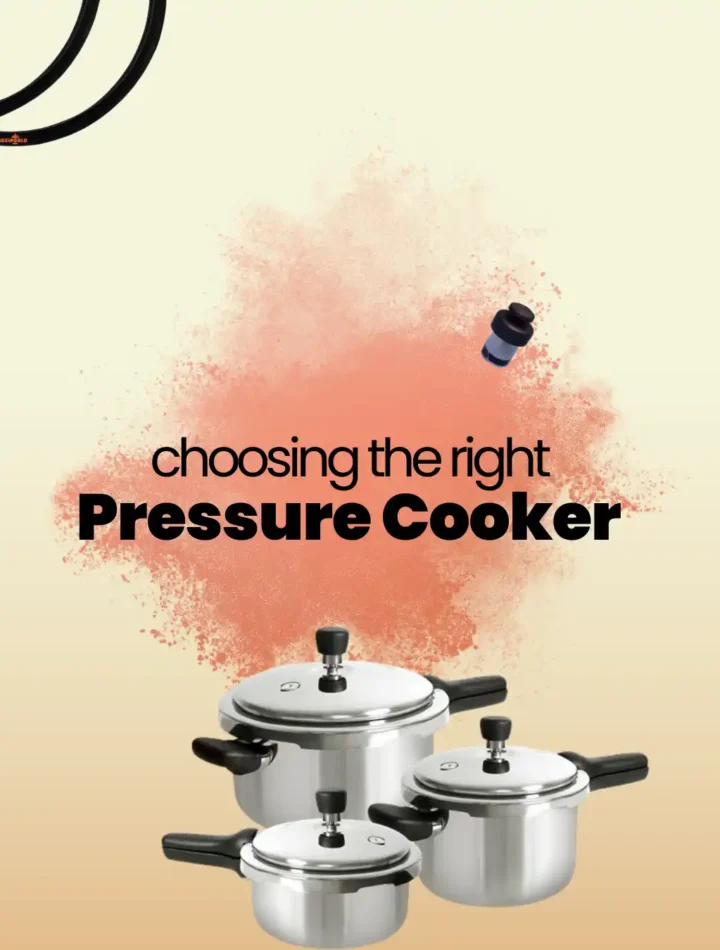
Let’s be honest—walking into a store or scrolling through pressure cooker options online can feel overwhelming. There are so many brands, sizes, and features that it’s hard to know where to start. But here’s the good news: picking the right pressure cooker doesn’t have to be complicated. You just need to match a few key things—size, material, type, and safety—to how you actually cook at home.
This guide will walk you through everything you need to know, so you can buy with confidence and avoid those “why did I get this?” moments later.
Start With Capacity: Size Matters More Than You Think
The first question to ask yourself is: how many people am I usually cooking for?
This matters because buying too small means you’ll be cooking in batches (annoying), and buying too big means you’re lugging around a heavy pot you don’t really need.
Here’s a simple breakdown:
- 1–2 people: Go for a 3–4 liter cooker. It’s compact, easy to handle, and perfect for everyday meals.
- 3–4 people: A 5–6 liter cooker is your sweet spot. Big enough for family dinners, small enough to not take over your kitchen.
- 5+ people or love batch cooking: Look at 6–8 liters or larger. Great if you like making big pots of dal, stew, or meal prepping for the week.
One important thing to remember: never fill your pressure cooker to the brim. You need to leave some space at the top for the pressure to build safely. Most cookers work best when filled about two-thirds full.
So when you’re deciding on size, think about your typical meals, not the occasional big family gathering. You can always cook a little extra in a medium-sized cooker, but you can’t shrink a giant one when you just want to make rice for two.
Choose the Right Material: Steel vs Aluminum vs Multi-Ply
Next up is material. This affects everything—how your food cooks, how long the cooker lasts, and even what stovetops it works on.
Stainless Steel
This is the go-to for most people, and for good reason. Stainless steel is tough, doesn’t react with acidic foods like tomatoes or tamarind, and works on all stovetops including induction. It might take a bit longer to heat up compared to aluminum, but it’s built to last for years. If you’re looking for something you’ll use daily and want it to age well, stainless steel is a solid choice.
Aluminum
Aluminum heats up fast and is usually more affordable. It’s also lighter, which is nice if you’re not a fan of heavy cookware. The downside? It can react with acidic or salty foods, which might affect the taste over time. It also dents more easily than steel. If you’re on a tight budget and mostly cooking neutral dishes, aluminum works just fine.
Tri-Ply or Multi-Ply
These are the fancy ones—layers of different metals sandwiched together for better heat distribution. They cook more evenly and are great if you’re serious about cooking. They cost more, but if consistency matters to you and you don’t mind spending a bit extra, they’re worth considering.
Bottom line: stainless steel is the safe, reliable middle ground. Aluminum saves money upfront. Multi-ply is for those who want the best performance.
Decide the Type: Stovetop or Electric Pressure Cooker
This is where your cooking style really comes into play.
Stovetop Pressure Cookers
These are the classic ones—you put them on your stove, control the heat yourself, and they get the job done fast. They’re simple, durable, and usually cheaper than electric models. There are fewer parts that can break, and they tend to last forever. If you like being hands-on with your cooking and don’t mind adjusting the flame, a stovetop cooker is a great fit.
Electric Pressure Cookers (Multi-Cookers)
Think of these as the “set it and forget it” option. You press a few buttons, walk away, and come back to a cooked meal. Many can also slow cook, sauté, steam, and more. They’re super convenient if you’re busy or not comfortable managing heat on the stove. The trade-offs? They’re bulkier, take up counter space, cost more, and have more components that could eventually wear out.
So ask yourself: do you want control and simplicity, or do you want convenience and automation? There’s no wrong answer—just what fits your life better.
Lid Types Explained (For Stovetop Cookers)
If you’re going the stovetop route, you’ll also need to pick between two lid styles. This might seem like a small detail, but it affects how you use the cooker every day.
Inner Lid
The lid sits inside the rim of the pot. It’s compact and great for quick, everyday cooking. Most people find it easy to use once they get the hang of it.
Outer Lid
The lid sits on top of the pot, outside the rim. This design gives you a bit more room and makes it easier to stir or check your food before sealing it up. It’s nice for larger meals or if you like to prep everything before locking the lid.
Neither is better—it’s just about what feels more natural to you. If you can, try handling both types in a store to see which one you prefer.
Safety Features You Should Never Compromise On
Let’s talk safety. Modern pressure cookers are way safer than the old ones your parents or grandparents used. But you still want to make sure you’re buying something with proper safety features.
Here’s what to look for:
- Multiple safety valves: These release excess pressure if it builds up too much. Good cookers have at least two or three.
- Secure locking mechanism: The lid should lock tight and not open until the pressure is fully released. This is non-negotiable.
- Pressure indicator: A simple visual or audible cue that tells you when the cooker is pressurized. Super helpful for beginners.
- Quality gasket (rubber seal): This creates the airtight seal. Make sure it’s thick, fits well, and replacements are easy to find.
If a cooker seems cheap and doesn’t clearly list these features, skip it. Safety is not where you cut corners.
Check Stovetop Compatibility
Before you hit “buy,” double-check that your pressure cooker will actually work on your stovetop. This is especially important if you have an induction cooktop.
Induction stoves only work with cookware that has a magnetic base. Stainless steel is usually induction-friendly, but aluminum is not—unless it has a special induction-ready base.
If you’re unsure, look for labels like “induction compatible” or check the product description. Trust me, you don’t want to bring home a cooker that just sits there doing nothing because it’s not compatible.
Ease of Use & Cleaning
You’re going to be using this thing regularly, so it should be easy to clean and maintain.
Look for:
- A smooth interior with no hard-to-reach corners
- Dishwasher-safe parts (if that matters to you)
- A lid that opens and closes easily
- Availability of spare parts like gaskets and valves
Some cookers have tons of grooves and parts that food gets stuck in. Others are beautifully simple. Go for simple. Your future self will thank you when you’re scrubbing it for the third time that week.
Also, check if the brand easily sells replacement gaskets and valves. These wear out over time, and you don’t want to replace the whole cooker just because you can’t find a $5 part.
How to Maintain Different Pressure Cooker Types
Taking care of your pressure cooker properly means it’ll last longer and cook better. The maintenance routine depends on what type you have.
For Stovetop Pressure Cookers
After every use, wash the pot, lid, and gasket with warm soapy water. Don’t just wipe them down—food particles can get stuck in small spaces and affect the seal. Check the safety valves and steam vent regularly to make sure nothing’s blocking them. A toothpick works great for clearing out any buildup.
The gasket needs special attention. After washing, let it air dry completely before putting it back. Store it loosely, not stretched tight under the lid—this helps it last longer. Replace the gasket once a year if you use your cooker often, or when you notice it’s getting hard or cracked.
Every few months, give the lid a deeper clean. Some lids can be taken apart a bit—check your manual. Clean around the valves and any rubber parts carefully.
For Electric Pressure Cookers
These need a bit more care since they have electronic parts. Never submerge the main unit in water—just wipe it down with a damp cloth. The inner pot, lid, and sealing ring can usually go in the dishwasher, but check your manual first.
The sealing ring in electric cookers tends to absorb smells. Some people keep two rings—one for savory dishes, one for sweet. Wash it after every use and let it air out. If it starts smelling funky even after washing, it’s time for a new one.
Clean the condensation collector (that little cup on the side) regularly. It catches moisture and can get gross if you forget about it. Also, wipe down the rim where the lid seals—bits of food here can prevent a good seal.
The anti-block shield (the small metal screen inside the lid) should be cleaned often. Food can get stuck there and mess with the pressure release.
General Tips for Both Types
Never use harsh scrubbers on the inside of your cooker—they can scratch the surface. Stick to soft sponges. If food gets burned on, soak it with warm water and baking soda for a while before scrubbing.
Store your pressure cooker with the lid upside-down or slightly open, not sealed tight. This lets air circulate and prevents any musty smells from developing.
Keep spare parts on hand—an extra gasket and maybe a backup safety valve. It’s annoying to need them and not have them, especially if you use your cooker a lot.
When to Replace Your Pressure Cooker
Even with good care, pressure cookers don’t last forever. Here’s how to know when it’s time to let go and get a new one.
Watch for These Safety Red Flags
If steam is leaking from anywhere other than the steam vent during cooking, that’s a problem. It usually means the gasket isn’t sealing properly anymore, but sometimes it points to bigger issues with the lid or body.
Dents or warping in the body are serious. They can affect how the cooker sits on the stove and how pressure builds. If the bottom is warped, the heat won’t distribute evenly, and that’s both inefficient and potentially unsafe.
If the safety valves aren’t releasing pressure properly or seem stuck, don’t mess around. This is the most important safety feature, and if it’s not working right, the cooker needs to go.
Regular Wear and Tear Signals
The gasket should be replaced every 1-2 years depending on use, but if you can’t find replacement parts for your model anymore, that’s a sign the cooker itself is getting outdated. No point keeping a cooker you can’t maintain properly.
If the lid doesn’t lock securely anymore, even with a new gasket, the locking mechanism might be worn out. This isn’t always fixable.
For aluminum cookers, watch for pitting or discoloration that won’t clean off. This can affect both the taste of your food and the cooker’s safety.
For Electric Pressure Cookers
If the digital display is acting weird or buttons aren’t responding, it might be a simple fix—or it might mean the electronics are dying. If it’s out of warranty and repairs cost almost as much as a new unit, just replace it.
Error messages that keep showing up, even after cleaning and troubleshooting, usually mean something internal is failing.
If the heating element isn’t working consistently—like it takes way longer to come to pressure than it used to—that’s a sign it’s wearing out.
The Age Factor
Most good-quality stovetop pressure cookers last 10-15 years or more with proper care. Electric ones typically have a shorter lifespan—around 5-8 years is pretty common.
If your cooker is more than 15-20 years old, even if it seems fine, consider upgrading. Modern cookers have way better safety features, and honestly, the peace of mind is worth it.
Bottom Line on Replacement
Don’t take chances with safety. If something feels off—weird noises, steam where it shouldn’t be, difficulty sealing—trust your gut. Pressure cookers are generally very safe when working properly, but a malfunctioning one is not worth the risk. When in doubt, replace it.
Budget, Warranty & Long-Term Value
It’s tempting to just buy the cheapest option and call it a day. But with pressure cookers, spending a little more upfront can actually save you money in the long run.
Here’s what to think about:
- Warranty: A good brand will offer at least 2–5 years. That shows they stand behind their product.
- Brand support: Can you easily reach customer service? Are spare parts available?
- Cost per year: A $50 cooker that lasts 2 years costs you $25/year. A $100 cooker that lasts 10 years? Just $10/year.
Don’t just look at the price tag. Think about durability, how often you’ll use it, and whether you’ll need to replace it soon.
Quick Decision Checklist
Let’s wrap this up with a simple checklist you can use while shopping:
- Family size → capacity: 3–4L for 1–2 people, 5–6L for 3–4 people, 6–8L+ for larger families
- Cooking style → material & type: Stainless steel for durability, stovetop for control, electric for convenience
- Stovetop → induction compatibility: Make sure it works with your stove
- Safety → multiple valves & locks: Don’t compromise here
- Cleaning → smooth, simple design: Less hassle means you’ll actually use it
- Budget → warranty & durability: Think long-term value, not just price
FAQ
What size pressure cooker should I buy for my family?
Choose based on how many people you cook for regularly.
1–2 people: 3–4 liters
3–4 people: 5–6 liters
5+ people or batch cooking: 6–8 liters or more
Always leave space for pressure buildup—never fill to the brim
Is a stainless steel pressure cooker better than aluminum?
Yes, for most homes. Stainless steel is more durable, non-reactive with food, and works on all stovetops, including induction. Aluminum heats faster and costs less, but it can react with acidic foods and doesn’t last as long
Should I buy a stovetop or electric pressure cooker?
It depends on your cooking style.
Stovetop cookers are affordable, long-lasting, and great for traditional cooking.
Electric pressure cookers offer preset programs and convenience but cost more and take up counter space.
What safety features should I check before buying?
Look for:
Multiple safety valves
A secure locking lid
A clear pressure indicator
Good-quality gasket and build
These features ensure controlled pressure release and prevent accidents
Will my pressure cooker work on an induction stove?
Only if it’s induction-compatible. Stainless steel pressure cookers usually are. Aluminum cookers may require a separate induction base—always check the product specifications.
What’s the difference between an inner lid and outer lid pressure cooker?
Inner lid: Compact and easy for daily cooking
Outer lid: Better for larger meals and allows stirring before sealing
Both are safe—it’s mostly about convenience and cooking volume.
How easy are pressure cookers to clean?
Stainless steel cookers with smooth interiors are the easiest to clean. Some parts may be dishwasher-safe, but always check manufacturer guidelines. Regular gasket cleaning helps maintain performance.
How long does a pressure cooker usually last?
A good-quality stainless steel pressure cooker can last 10+ years with proper care. Regular gasket replacement and proper usage extend its lifespan.
Is a bigger pressure cooker always better?
No. Oversized cookers waste energy, take longer to build pressure, and are harder to store. Buy the size you’ll use most often—not the biggest available.
Can I cook all types of food in a pressure cooker?
Most foods cook well in pressure cookers, including rice, lentils, vegetables, meat, and stews. Very dry or frothy foods need extra care and water.
What should I prioritize: price or warranty?
Warranty and brand support matter more than the lowest price. A slightly higher upfront cost often means better safety, durability, and access to spare parts.
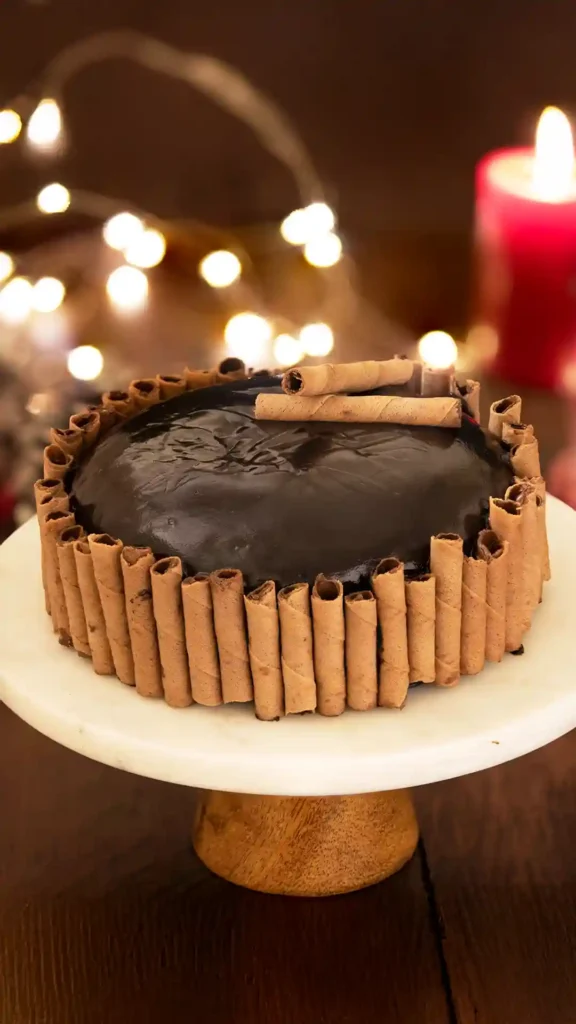
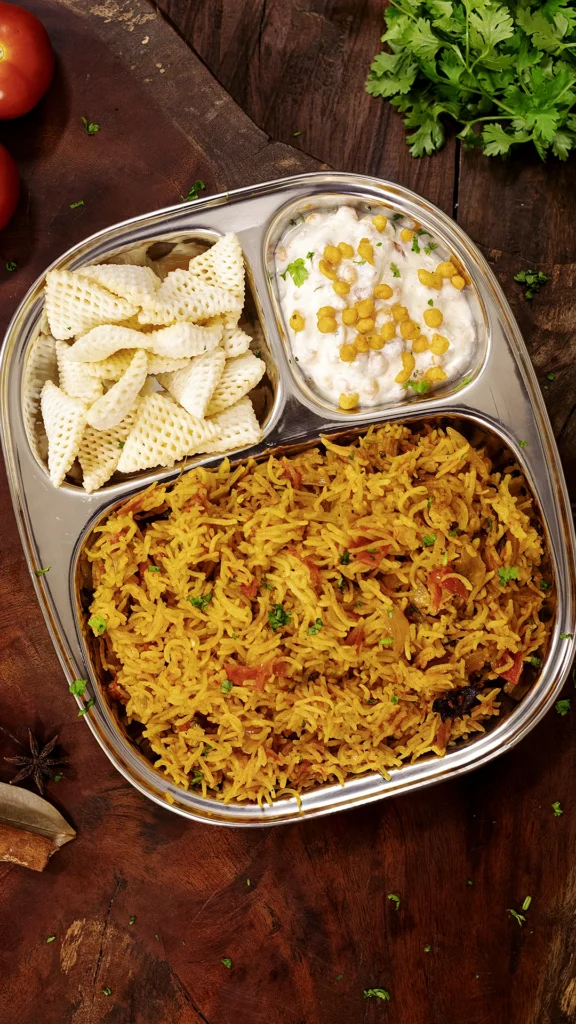
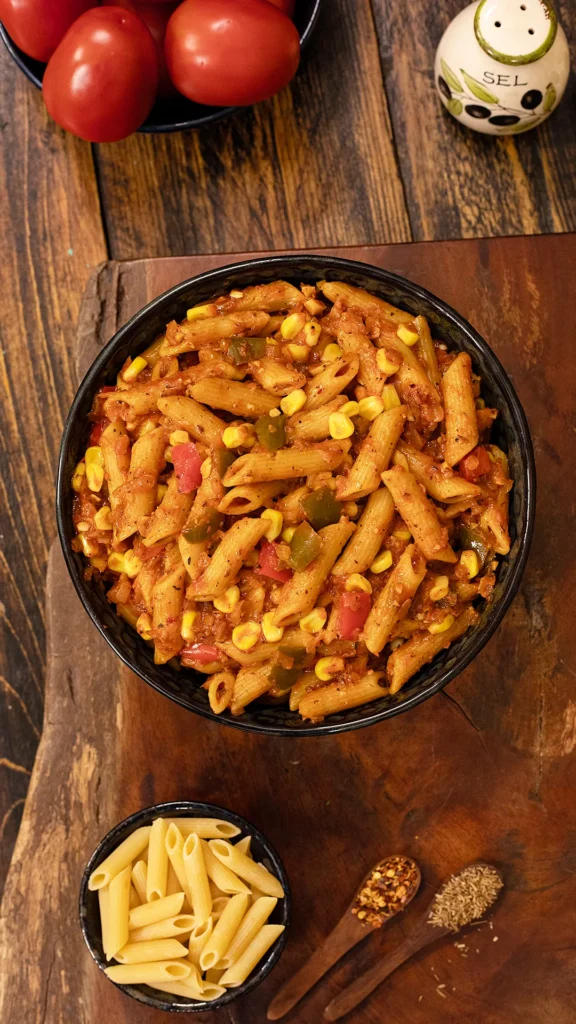
Here are some amazing recipes that you can try with your new pressure cooker
Final Thoughts
Choosing a pressure cooker is really just about being practical. You don’t need the fanciest model or the biggest brand name. You need something that fits your family size, matches how you like to cook, works with your kitchen setup, and keeps you safe.
When you get those basics right, pressure cooking becomes what it should be—fast, easy, and actually enjoyable. No stress, no guesswork, just good meals made simple.