Whether it’s a potluck at work, a dinner with roommates, or your first party abroad — Indian food can win hearts if it’s simple and shareable. The challenge isn’t cooking; it’s knowing what travels well, what appeals to diverse palates, and how to explain that beautiful dish you just made without launching into a 20-minute ingredient breakdown.
As an Indian abroad, you have a secret weapon: food that tells stories. But the key to successful hosting and potluck participation isn’t recreating your grandmother’s 15-ingredient specialty. It’s choosing dishes that are approachable, conversation-starting, and genuinely delicious to people who might be trying Indian flavors for the first time. Whether you’re the student bringing something homemade to a dorm potluck or the professional hosting colleagues for dinner, these recipes and strategies will help you share the joy of Indian cuisine while making genuine connections through food.
Let’s explore easy, crowd-pleasing dishes and creative fusion ideas that will have everyone asking for your recipes — and maybe even inviting you to host the next gathering.
Easy Indian Potluck Dishes
The best potluck dishes are those that taste even better after sitting for a while, transport easily, and can feed a crowd without breaking your budget or requiring exotic ingredients that half your guests can’t pronounce.
Rice-Based Crowd Favorites
Rice dishes are potluck gold because they’re filling, vegetarian-friendly, and familiar enough that even cautious eaters will try them. Plus, they’re practically designed to feed groups.
Vegetable Pulao is your go-to crowd-pleaser. Use basmati rice if available, or any long-grain rice will work. The beauty lies in its simplicity: sauté whole spices (cumin seeds, bay leaves, cinnamon stick) in oil or ghee, add rice, then water with frozen peas and carrots straight from the bag. Season with salt, turmeric, and a pinch of garam masala. It’s colorful, aromatic, and accessible — plus it pairs beautifully with any curry someone else brings.
For something more special, try an Instant Pot Paneer Biryani shortcut. Layer partially cooked rice with chunks of store-bought paneer (or even cubed halloumi), sautéed onions, and simple spices. The pressure cooker does all the work, creating that coveted “dum” effect that makes biryani special. Garnish with fried onions from a packet and fresh mint leaves for an impressive presentation that looks far more complicated than it actually was.
The key with rice dishes is getting the texture right — you want each grain separate but flavorful. Always rinse your rice until the water runs clear, and don’t skip the resting time after cooking.
Curry Crowd-Pleasers
Curries are where Indian cuisine truly shines at potlucks, but the secret is choosing ones that aren’t intimidatingly spicy and have familiar, recognizable ingredients.
Paneer Curry is the ultimate crowd-pleaser because paneer has a mild flavor and pleasant texture that appeals to vegetarians and meat-eaters alike. If you can’t find paneer, ricotta cheese works surprisingly well — it’s creamier but still holds its shape in curry. Create a simple tomato-onion base with ginger-garlic paste, add basic spices (turmeric, coriander powder, garam masala), and finish with cream or coconut milk. The result is rich, comforting, and not too spicy.
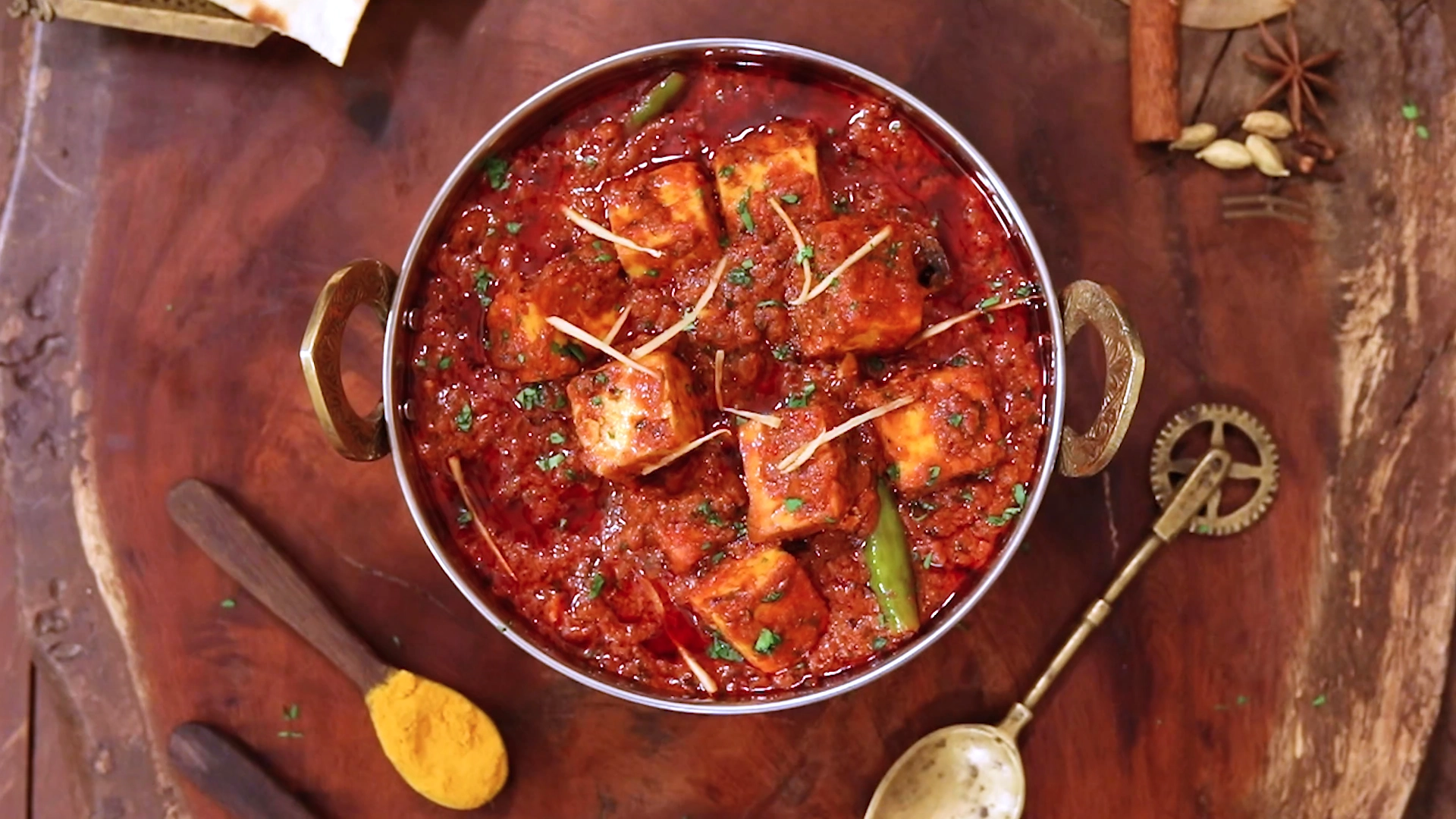
Chana Masala with canned chickpeas is another winner. Chickpeas are familiar to most people, the dish is naturally vegan, and it’s nearly impossible to overcook. The best part? It actually tastes better the next day, making it perfect for advance preparation. Use canned chickpeas for convenience, but rinse them well to remove excess sodium. A good chana masala should have a robust, slightly tangy tomato base with warm spices that complement rather than overwhelm.
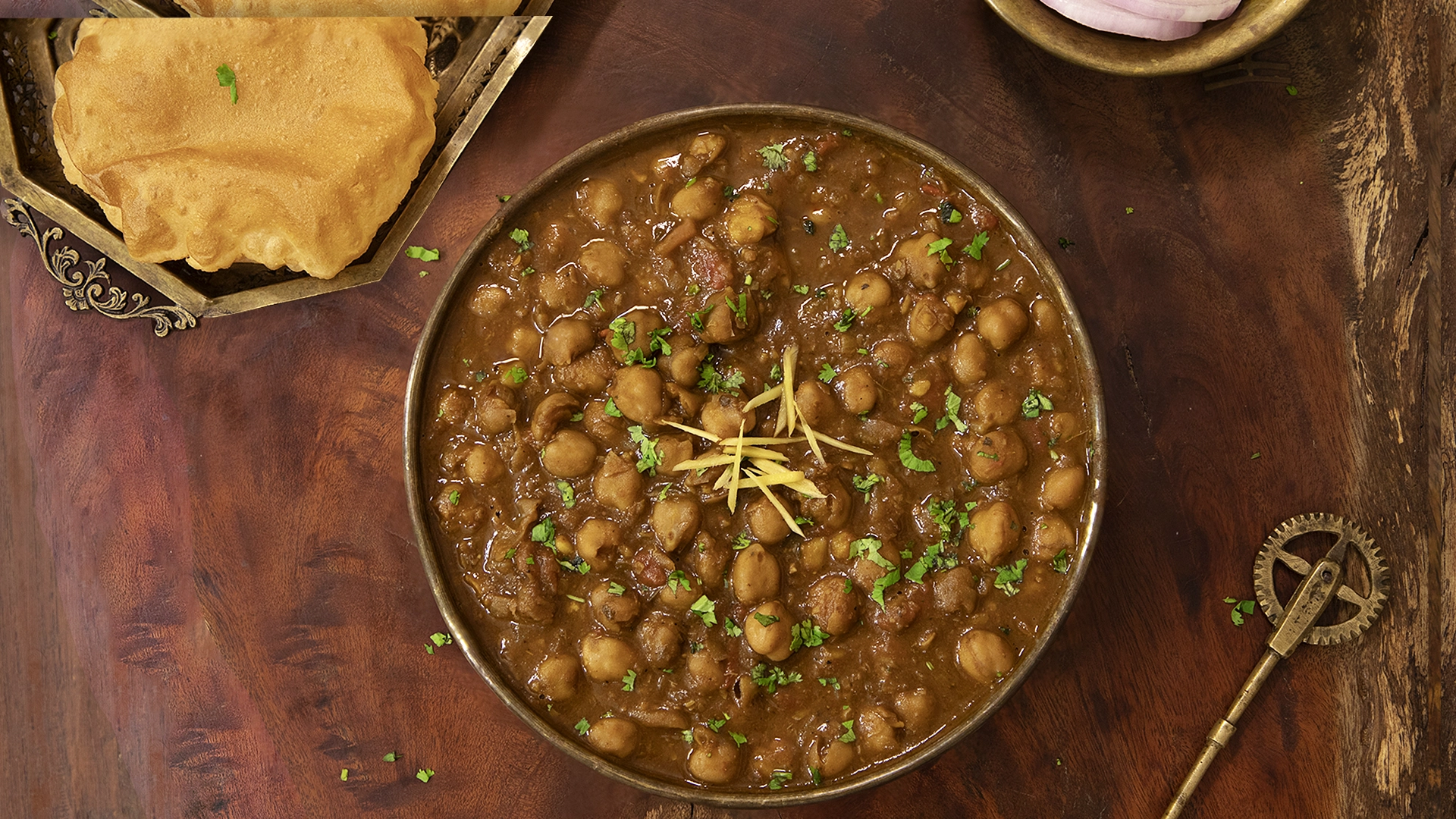
Both these curries benefit from being made a day ahead — the flavors deepen and meld beautifully overnight, which is exactly what you want for potluck dishes.
Snacks & Cutlets
Sometimes the best potluck contribution isn’t a main dish but the appetizer that disappears within minutes of arrival.
Vegetable Cutlets are incredibly versatile and use whatever frozen mixed vegetables you have on hand. Boil and mash potatoes with cooked frozen vegetables (peas, carrots, beans work perfectly), season with green chilies, ginger, and basic spices, then form into patties. Coat with breadcrumbs and either shallow fry or use an air fryer for a healthier option. They’re crispy outside, soft inside, and familiar enough that even picky eaters will try them.
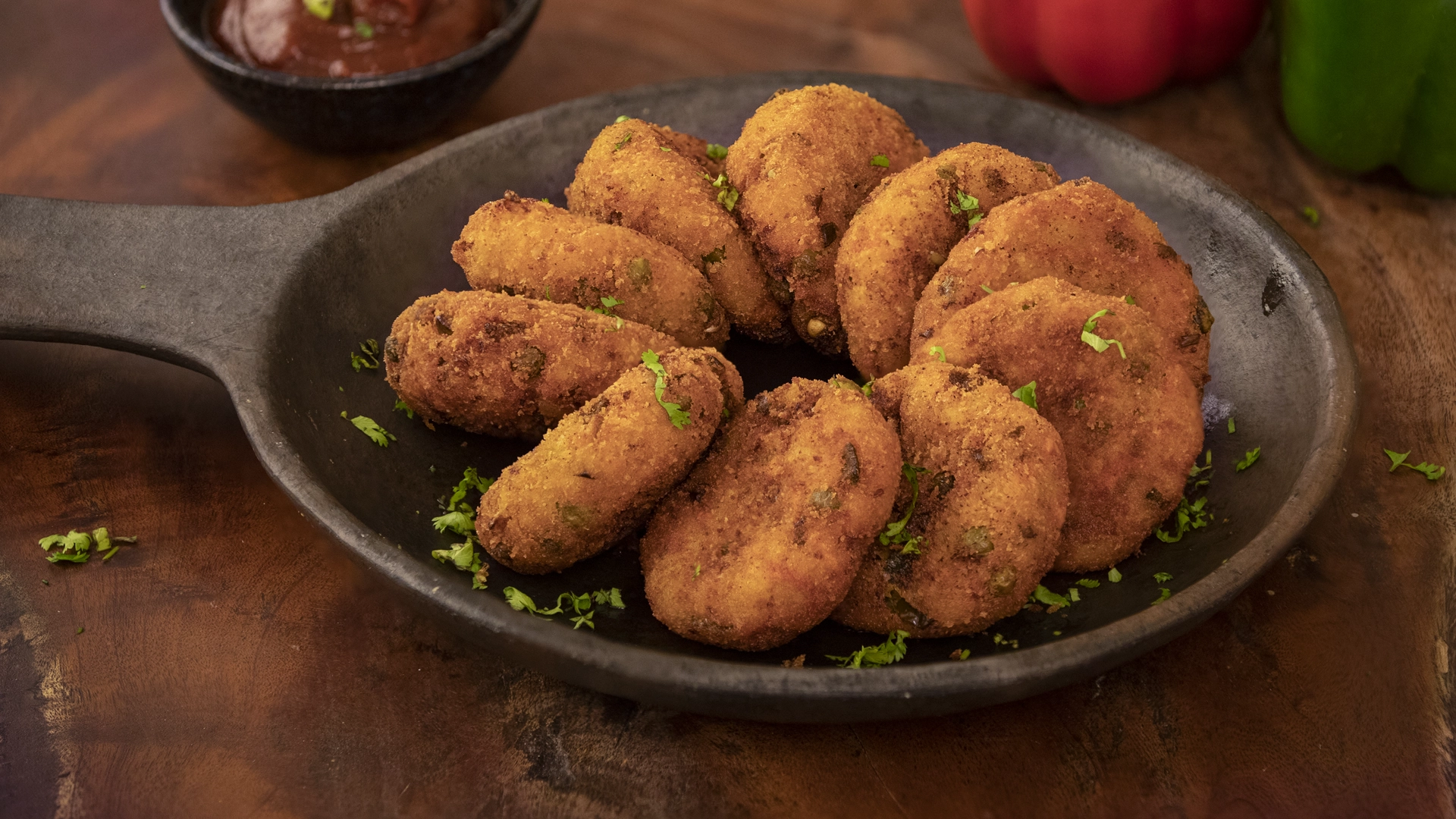
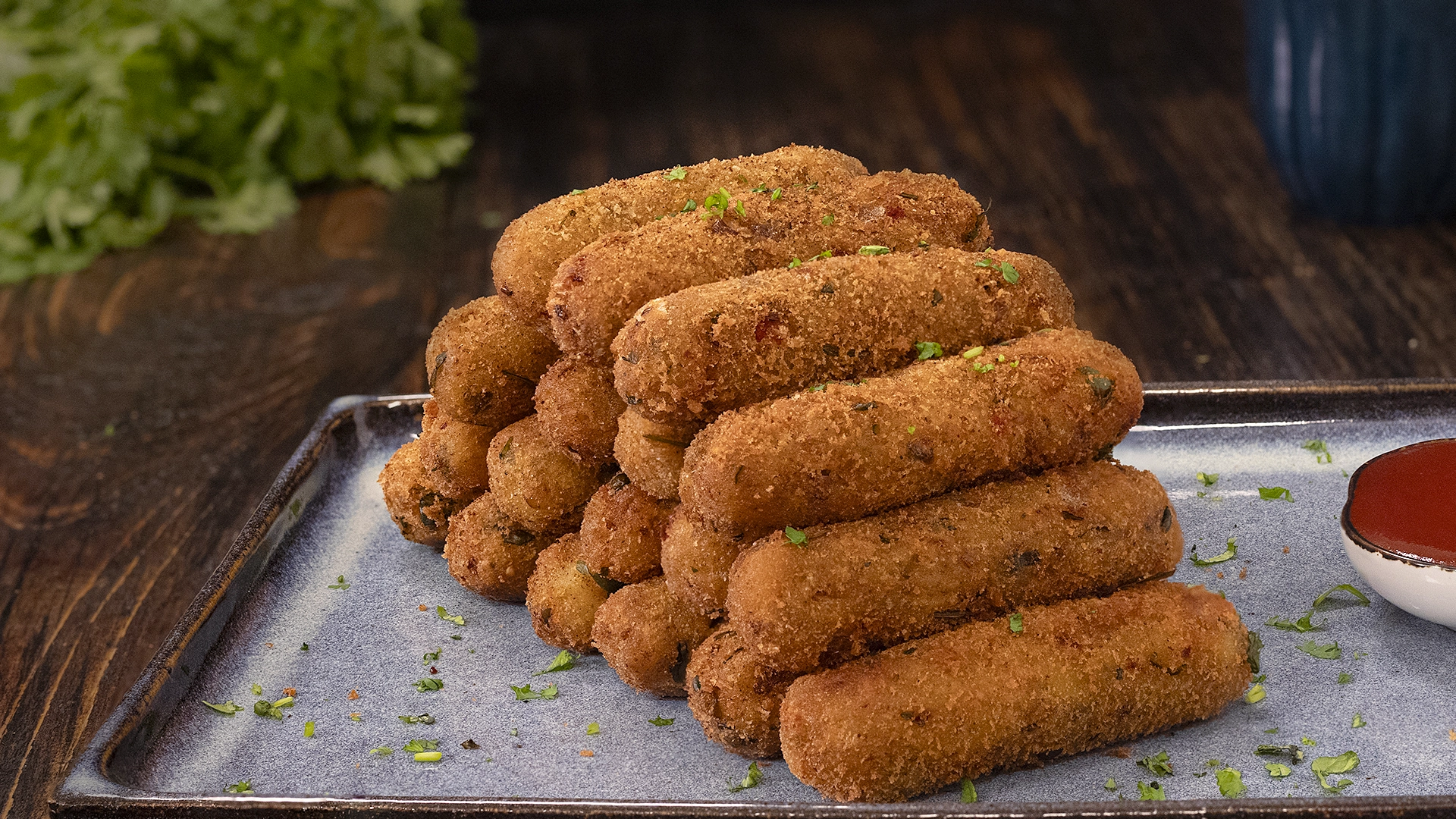
Bread Rolls are another crowd favorite that’s essentially Indian-spiced mashed potatoes rolled in bread and fried until golden. Use day-old sandwich bread, remove crusts, dip in water briefly, then wrap around spiced potato filling. Air fryer versions work beautifully and are less messy than traditional frying.
Pro Tip: Batch-cook your curries a day in advance. Not only do the flavors deepen and improve, but it also reduces your day-of stress significantly. Most Indian curries are actually better after spending a night in the refrigerator.
Explaining Indian Food to Non-Indians
Half the battle of successful hosting abroad is helping your guests understand and appreciate what they’re eating without overwhelming them with information or making them feel ignorant about unfamiliar ingredients.
The golden rule is simplicity in explanation. Instead of serving six different dishes that require individual explanations, focus on 2-3 key dishes that showcase different aspects of Indian cuisine. A rice dish, a curry, and a bread or snack create a balanced, understandable meal.
Use familiar language and comparisons whenever possible. “Paneer” becomes “Indian cottage cheese,” “pulao” becomes “flavored rice,” and “dal” becomes “yellow lentil curry.” These explanations aren’t dumbing down the cuisine — they’re creating bridges of understanding that let people appreciate the food without feeling lost.
Highlight familiar ingredients in your descriptions. “This curry has tomatoes, onions, and ginger” sounds approachable. “This has hing, methi, and garam masala” sounds intimidating to uninitiated palates. You can share the authentic names and ingredients with interested guests, but lead with accessibility.
Always pair spicy dishes with cooling elements. If you’re bringing a curry with some heat, accompany it with rice, naan, or a yogurt-based side like raita. This gives people options and shows thoughtfulness about different spice tolerances.
Most importantly, be prepared to share cooking tips or simplified recipes. Nothing breaks ice like someone asking, “How did you make this?” and you being able to give them a realistic answer they could actually try at home.
Fusion Indian Dishes Abroad
Sometimes the most successful way to introduce Indian flavors is through fusion dishes that combine familiar formats with Indian spices and techniques. These dishes are conversation starters and often more approachable for first-time Indian food eaters.
Indian Masala Pasta
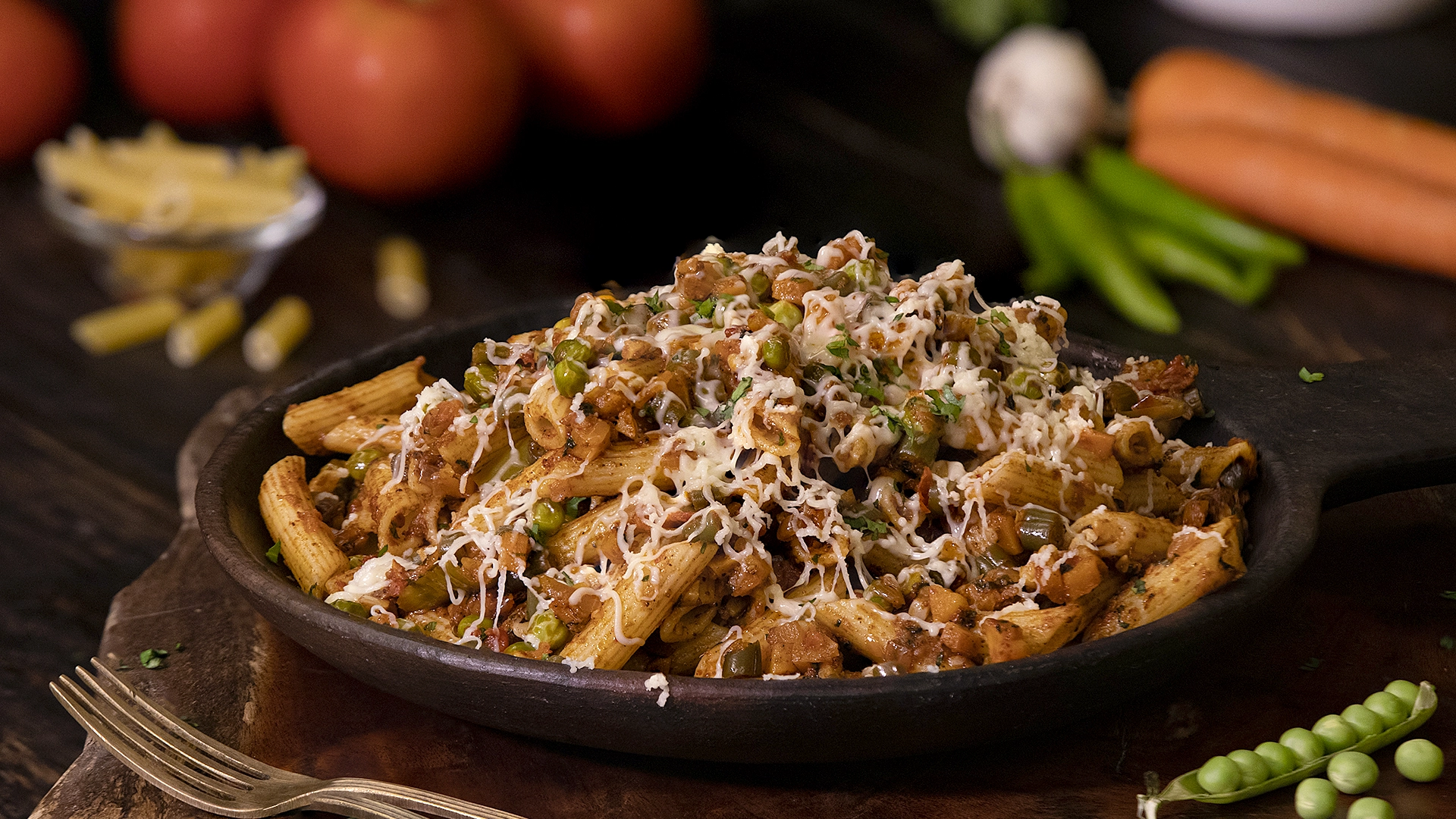
Masala Pasta bridges two beloved comfort food traditions and consistently wins over crowds. Start with any pasta shape — penne or fusilli work particularly well — and create an Indian-spiced sauce using the same base you’d use for curry: onions, tomatoes, ginger-garlic paste, and spices like turmeric, coriander, and garam masala.
The magic happens when you add vegetables like bell peppers, mushrooms, or paneer cubes, creating a dish that’s familiar in format but exciting in flavor. A splash of cream or coconut milk at the end creates richness, and fresh cilantro provides color and freshness. It’s comfort food that spans cultures and invariably leads to recipe requests.
Tikka Tacos & Wraps
Tikka Tacos are perhaps the most Instagram-worthy fusion dish you can bring to any gathering. Use soft flour tortillas as your base and fill them with paneer tikka or chicken tikka (marinated in yogurt and spices, then grilled or baked). Add fresh vegetables like lettuce, tomatoes, and onions, then finish with mint chutney or a yogurt-based sauce.
The beauty of this dish is its customizability — you can prepare components separately and let people assemble their own, making it interactive and accommodating different dietary preferences and spice tolerances.
Indo-Chinese Hacks
Indo-Chinese cuisine might sound inauthentic to purists, but it’s incredibly popular in India and translates beautifully to international potlucks. Masala Fried Rice combines the familiar format of fried rice with Indian spices — use soy sauce as your base but add turmeric, cumin, and green chilies for that distinctive Indo-Chinese flavor profile.
Gobi Manchurian using frozen cauliflower is always a hit. The cauliflower florets are coated in a light batter, fried or air-fried until crispy, then tossed in a sweet and spicy sauce that combines soy sauce, ketchup, and Indian spices. It’s essentially Indian-spiced sweet and sour cauliflower, and it disappears quickly at every potluck.
Drinks & Desserts for Hosting Abroad
No Indian gathering is complete without thoughtful beverages and something sweet to end the meal. The key is choosing options that complement your food without requiring specialized ingredients or techniques.
Masala Chai for groups is always appreciated, especially during cooler months. Make a large batch by brewing strong black tea with milk, sugar, and whole spices like cardamom, cinnamon, and ginger. The aroma alone creates atmosphere, and it’s a perfect conversation starter as people often want to know about the spices involved.
Mango Lassi using Greek yogurt is refreshing and familiar enough that even people hesitant about trying new foods will enjoy it. Greek yogurt provides the thickness and tang that traditional lassi requires, and canned mango pulp ensures consistent sweetness and flavor. A pinch of cardamom elevates it from smoothie to authentic lassi.
For desserts, instant Gulab Jamun mixes are your friend. These require minimal effort but provide maximum impact — especially when served warm with a scoop of vanilla ice cream. The contrast between warm, syrup-soaked dumplings and cold ice cream is universally appealing.
A simple but impressive fusion dessert combines vanilla ice cream with chai-spiced syrup made by reducing milk with cardamom, cinnamon, and a touch of honey. Drizzle over ice cream and garnish with chopped pistachios for a dessert that’s recognizably Indian in flavor but familiar in format.
Hosting Abroad
Different countries offer unique advantages and challenges for Indian hosting, and knowing what’s locally available can significantly improve your success rate.
USA: Trader Joe’s is invaluable for Indian hosts. Their frozen naan and samosas are surprisingly authentic and save enormous time. Their spice selection is also extensive and reasonably priced. Whole Foods carries excellent paneer, ghee, and organic ingredients that work beautifully in Indian dishes.
UK: British supermarkets like Sainsbury’s and Tesco carry impressive ranges of Indian ingredients, including ready-made tikka masala sauces that can serve as bases for more elaborate dishes. The large South Asian population means ingredients are authentic and reasonably priced. Indian restaurants provide inspiration and sometimes sell their chutneys and sauces separately.
Australia/New Zealand: Woolworths and Coles stock frozen parathas that are excellent quality, and the wine culture provides interesting pairing opportunities — a Riesling pairs beautifully with spicy Indian food. The multicultural food scene means people are generally adventurous eaters.
Singapore/Malaysia: These countries offer the easiest access to ingredients and the most adventurous diners. Party-friendly biryani kits from local brands save time while maintaining authenticity. The existing Indian food culture means your guests likely have some familiarity with the cuisine.
Europe: Paneer can be expensive or unavailable, but halloumi makes an excellent substitute in curries, or ricotta works well in milder dishes. Turkish and Middle Eastern stores often stock spices and ingredients that work for Indian cooking. The dairy culture means excellent yogurt for raita and lassis.
Building Your Hosting Confidence
Successful Indian hosting abroad isn’t about impressing people with complexity — it’s about sharing flavors that bring joy and create connections. Start with simple, accessible dishes and gradually expand your repertoire as you gauge what your social circle enjoys.
Remember that most people abroad have limited exposure to authentic Indian food. What seems basic to you might be revelation to them. A well-made dal with rice and a simple vegetable curry can be more impressive than attempting elaborate dishes that stress you out and overwhelm your guests.
The goal is creating positive associations with Indian food that encourage people to be more adventurous in the future. Better to serve three perfectly executed dishes than six mediocre ones.
Planning Your Perfect Potluck Contribution
When choosing what to bring, consider the event context. Office potlucks often benefit from dishes that can sit at room temperature safely and don’t require reheating. Dinner parties allow for more elaborate presentations and dishes that benefit from being served hot.
Think about dietary restrictions proactively. Having at least one vegan option ensures everyone can enjoy your contribution. Clearly labeling dishes helps people with allergies or dietary preferences make informed choices.
Most importantly, bring enough. Indian food often looks more exotic than it tastes, which means people might initially take small portions but come back for more once they realize how much they enjoy it.
You don’t need ten complicated dishes to impress. A few thoughtful, balanced ones — or even a fusion twist — will win every table. The magic isn’t in recreating restaurant-quality complex curries; it’s in sharing food made with care that introduces people to flavors they might never have tried otherwise.
Indian cuisine’s greatest strength is its ability to bring people together. Whether you’re ladling out portions of comforting dal or watching someone try their first bite of your masala pasta creation, food becomes the bridge that connects cultures and creates lasting friendships.
So start with one dish that you feel confident making, focus on flavors over complexity, and remember that the best Indian food abroad isn’t necessarily the most authentic — it’s the food that makes people happy and curious to try more.