
Ask any Indian abroad what they miss most — and it’s usually street-side chaat, Amma’s rasam, or a hot cutting chai shared with friends. That familiar tang of tamarind chutney, the warmth of freshly ground spices, or the comforting ritual of brewing the perfect cup of tea becomes a distant memory when you’re thousands of miles from home.
But here’s the thing: you don’t need to wait for your next trip back to India or hunt down specialty stores to recreate these beloved flavors. With some clever substitutes and a little jugaad spirit, any kitchen can become your personal street food stall or South Indian coffee house. Whether you’re a homesick student in dormitory, an expat professional in a foreign city, or simply someone curious about Indian comfort food, these hacks will help you bring the taste of home to wherever you are.
Street Food Hacks Abroad
The beauty of Indian street food lies not just in its flavors, but in its adaptability. Street vendors have always been masters of improvisation, and that same spirit can guide you in recreating these dishes abroad.
Chaat with Local Ingredients
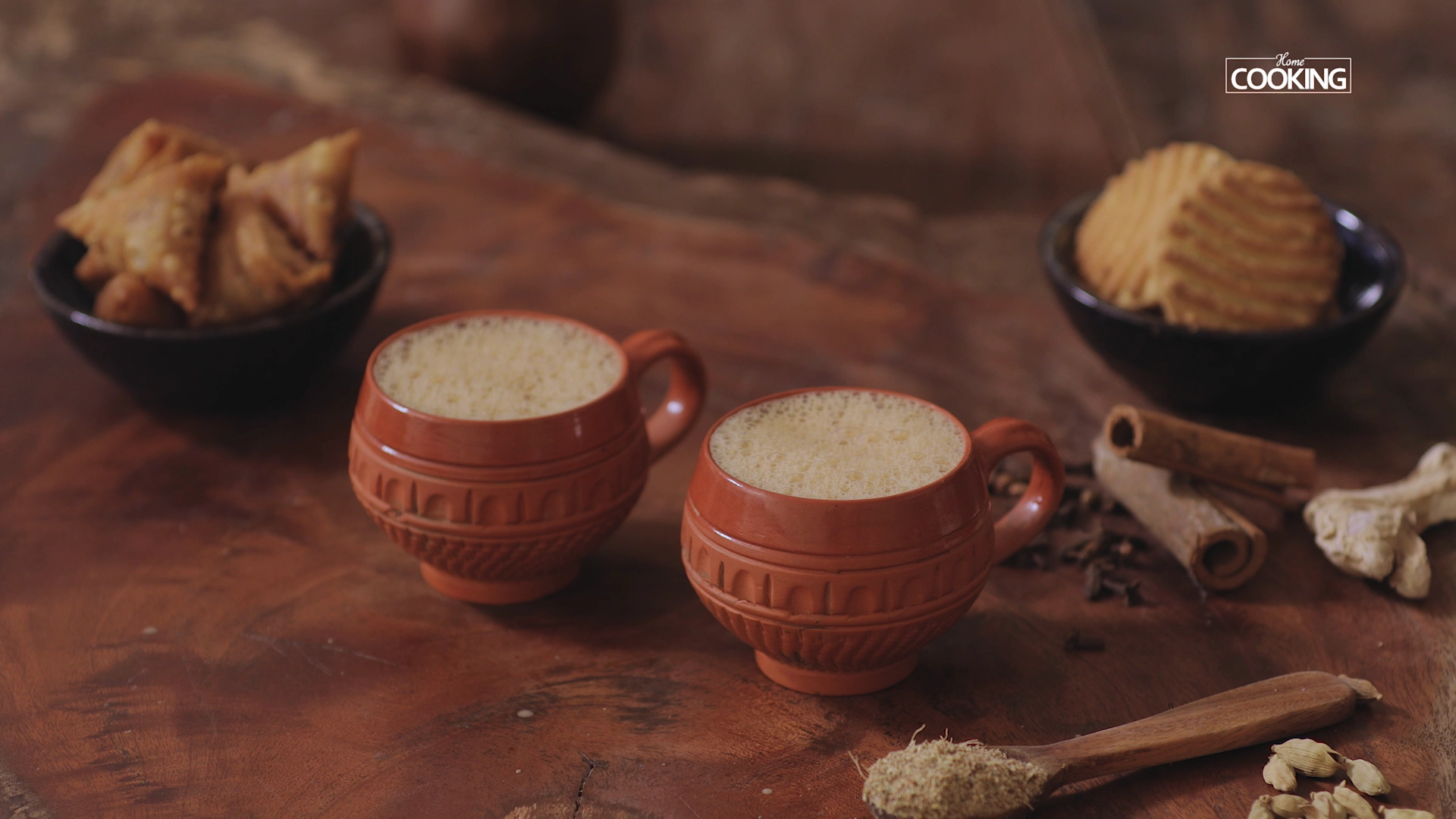
Chaat doesn’t have to be complicated or require a trip to the Indian grocery store. The key is understanding that chaat is all about contrasting textures and bold flavors — crunchy, tangy, spicy, and cooling elements coming together in perfect harmony.
Instead of traditional papdi, grab a box of Ritz crackers or saltines from your local supermarket. Their buttery crunch provides an excellent base for your chaat creation. For the potato element, frozen french fries work beautifully — just air fry or bake them until crispy and cube them up. You can even use leftover roasted potatoes from dinner.
For that essential crunch factor, cornflakes make an surprisingly effective substitute for traditional elements. Crush them lightly and sprinkle over your chaat for texture. Tortilla chips, broken into smaller pieces, also work wonderfully as a crunchy base — think of it as fusion chaat that would make any creative street vendor proud.
The magic happens with store-bought plain yogurt mixed with whatever chutneys you can find or make. Mint chutney can be approximated with fresh mint leaves, green chilies, and a touch of lemon juice blended together. For tamarind chutney, mix some tamarind paste (or our substitute below) with jaggery or brown sugar and a pinch of chaat masala if you have it.
Sev Alternatives
Sev is one of those ingredients that seems irreplaceable until you start thinking creatively. Asian grocery stores often stock crispy fried noodles that work brilliantly as sev substitutes — they provide that same addictive crunch and neutral flavor that lets other chaat elements shine.
Alternatively, take corn tortillas, cut them into thin strips, and either bake or fry them until crispy. Season lightly with salt and a pinch of turmeric for color. Shred them finely, and you’ve got homemade sev that’s arguably fresher than what you’d find in many packets.
Of course, if you prefer the convenience and authentic taste, Amazon and most Indian grocery stores stock various brands of sev that can be delivered right to your door. Stock up when you order other Indian ingredients to make shipping worthwhile.
Jugaad Golgappa Hacks
Golgappa (or pani puri) is perhaps the trickiest street food to recreate abroad, but not impossible with some creative thinking. Mini tortilla shells, the kind used for appetizer tacos, can be crisped up in the oven to create puri-like vessels. They won’t have exactly the same texture, but they’ll hold your spiced water and filling just fine.
For the filling, any combination of boiled potatoes, chickpeas, and spiced water works. Make your pani with mint, coriander, green chilies, ginger, and black salt if available (or regular salt with a tiny pinch of baking soda for that slightly sulfurous taste). Puffed rice cereal can add texture to your filling if you want to get creative.
Pro Tip: Create a DIY chaat platter for potlucks or when hosting friends. Set out bowls of different chutneys, yogurt, chopped vegetables, and various crunchy elements. Let everyone build their own chaat creations — it becomes an interactive experience that’s almost as fun as visiting an actual chaat stall.
Rasam, Sambar & Dal with Substitutes
The soul food of South India doesn’t have to remain a distant memory just because you’re far from home. These comforting broths and lentil dishes can be recreated with surprising authenticity using ingredients from your local grocery store.
Rasam Hacks Abroad
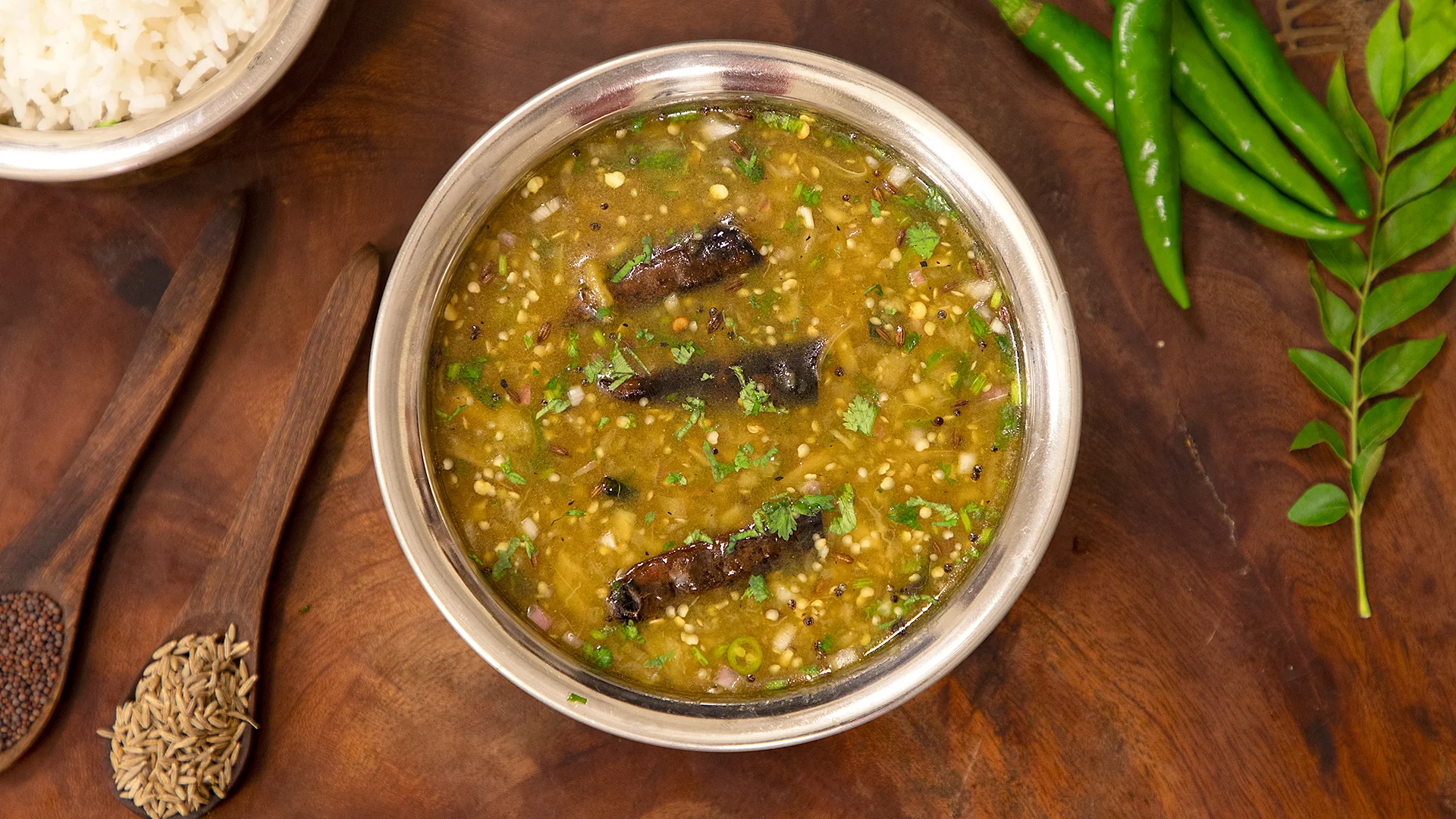
Rasam is pure liquid comfort, and the good news is that its essence can be captured even without traditional ingredients. The key components are tanginess, tomato base, and aromatic spices.
If tamarind paste isn’t available, create a substitute by mixing fresh lemon juice with brown sugar — about two tablespoons of lemon juice to one teaspoon of brown sugar gives you that sweet-sour balance that tamarind provides. Some Worcestershire sauce can add depth, though use it sparingly.
Fresh curry leaves are rasam’s signature aroma, but when they’re not available, try a combination of lime zest and fresh basil leaves. It won’t be identical, but it provides a fresh, aromatic quality that enhances the overall flavor profile. Bay leaves, if you have them, can also contribute to the aromatic complexity.
Canned tomatoes work perfectly for rasam — they’re often more consistent than fresh ones and break down beautifully. Add frozen coriander (cilantro) directly to the pot; it wilts quickly and provides that fresh herb finish that rasam needs.
For the spice base, black pepper and cumin are non-negotiable. If you have turmeric, mustard seeds, and hing (asafoetida), you’re golden. If not, a pinch of garlic powder can substitute for hing’s savory depth.
Sambar Shortcuts
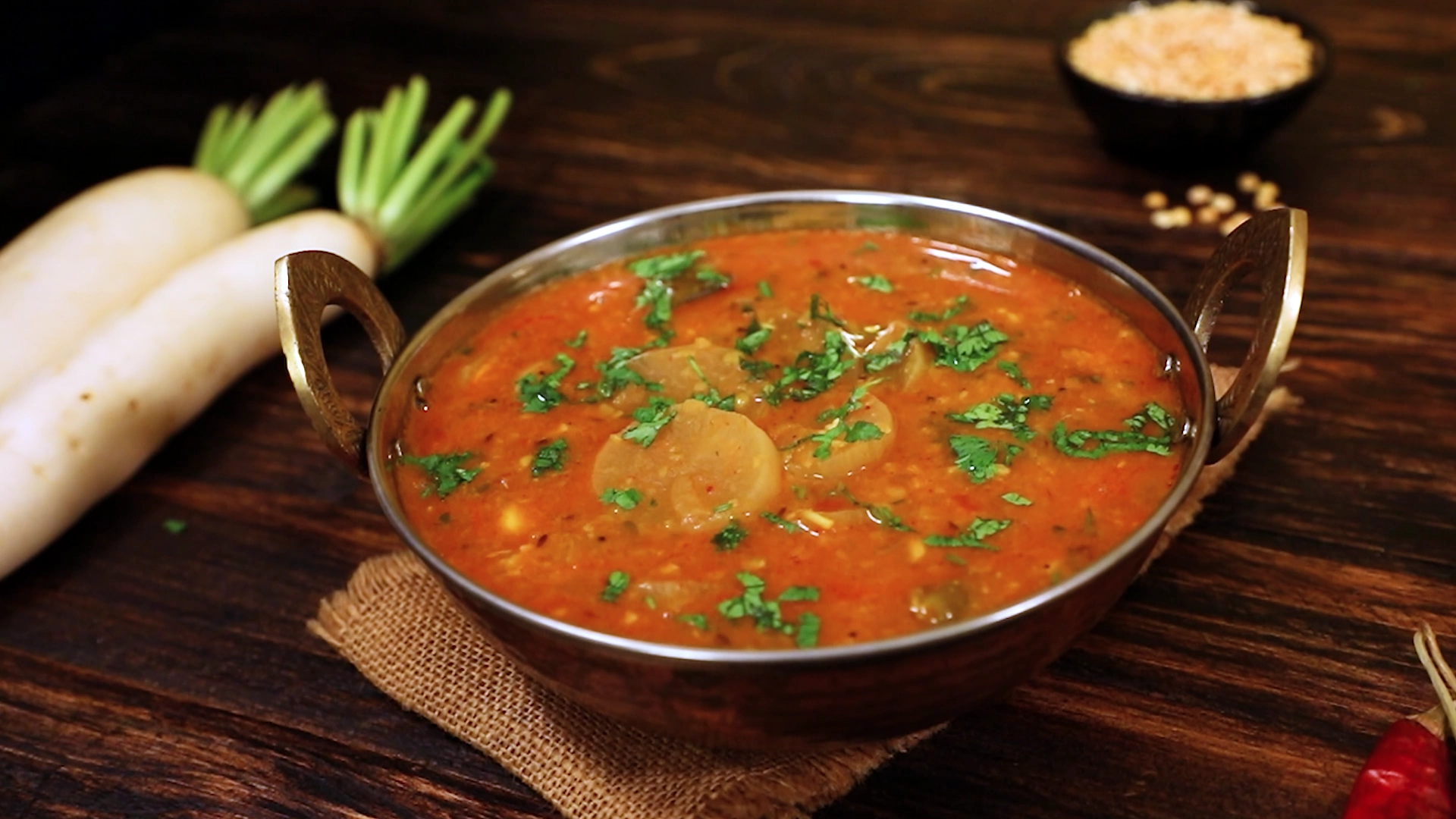
Traditional sambar calls for specific vegetables like drumsticks and okra, but frozen mixed vegetables work beautifully and are available everywhere. Carrots, beans, and peas provide good texture and absorb the sambar flavors well. Eggplant, if available, is particularly good in sambar and is commonly found in most countries.
The secret weapon for authentic sambar abroad is carrying sambar powder from your last India trip. A small packet lasts for months and makes all the difference. If you don’t have it, a combination of ground coriander, red chili powder, turmeric, and a touch of cinnamon and cloves can approximate the complex flavor.
An Instant Pot makes sambar preparation incredibly quick and convenient. Combine lentils (toor dal or split red lentils), vegetables, tomatoes, and spices, and let the pressure cooker work its magic. You can have authentic sambar ready in under 30 minutes.
Dal Made Easy
Dal is perhaps the most adaptable of Indian comfort foods. While toor dal and moong dal are traditional, red lentils (masoor) are available in almost every grocery store and cook quickly. Mung beans, often found in health food sections, work well too.
Frozen spinach or kale can be added directly to dal without thawing, creating a nutritious and colorful variation. The greens wilt into the dal, adding vitamins and a beautiful color.
For a heartier version, canned kidney beans or black beans can be prepared dal-style. Sauté onions, garlic, and ginger, add spices like turmeric and cumin, then add the drained beans with some water or broth. Simmer until the flavors meld, and finish with fresh herbs.
Indian-Style Coffee & Tea Hacks Abroad
The morning ritual of chai or filter coffee is sacred to many Indians, and recreating these beverages abroad is often the first step in making a foreign place feel like home.
Filter Coffee Abroad
Authentic South Indian filter coffee has a distinctive taste that comes from the specific coffee-chicory blend and the traditional brewing method. If you can get your hands on a South Indian coffee filter (easily available on Amazon or eBay), you’re halfway there.
For the coffee itself, look for dark roast coffee with chicory added. If chicory coffee isn’t available, use a strong, dark roast coffee and add a small amount of instant chicory if you can find it in health food stores.
A French press can substitute for a traditional filter in a pinch. Make a very strong coffee concentrate (almost espresso strength), then mix with hot milk in the traditional 1:1 ratio. The key is getting that strong, slightly bitter coffee base that balances beautifully with milk.
Cutting Chai Abroad
The perfect cutting chai requires the right balance of tea, milk, sugar, and spices, and fortunately, these can be adapted anywhere in the world.
Use loose black tea if possible — Assam or English Breakfast work well. If you only have tea bags, use two bags for the strength you’d normally get from loose tea. The key is making sure the tea is strong enough to stand up to milk and spices.
For milk, evaporated milk gives the richest flavor and closest approximation to the buffalo milk used in many parts of India. Half-and-half is another good option. If you’re using regular milk, choose whole milk for better flavor and texture.
Create your own masala chai blend with cardamom pods (crushed), cinnamon sticks, ginger (fresh or powdered), cloves, and black peppercorns. Toast whole spices lightly in a dry pan before using them for more intense flavor.
Instant Comfort Hacks
Sometimes you need comfort fast, and that’s where instant options shine. Packets of Bru instant coffee, Nescafe Sunrise, or premade chai masala mixes are worth stocking up on during your India visits or ordering online. They provide authentic taste with zero preparation time — perfect for busy mornings or late-night study sessions.
Many international grocery stores now stock instant masala chai mixes, though the flavor might be adapted for local tastes. They’re still comforting when you need a quick fix.
Comfort Food Hacks by Country
Different countries offer unique opportunities and challenges for recreating Indian comfort food, and knowing what’s locally available can save you time and money.
USA: Trader Joe’s is a goldmine for Indian food lovers abroad. Their frozen samosas are surprisingly good, and they often stock naan, basmati rice, and various Indian spices. Whole Foods carries high-quality ghee and coconut milk. Major cities usually have well-stocked Indian grocery stores, but even smaller towns often have at least basic Indian ingredients in regular supermarkets.
UK: The large Indian population means excellent ingredient availability, especially in areas like Southall in London, Leicester, and Birmingham. British supermarkets like Tesco and ASDA stock impressive ranges of Indian ingredients. The quality of Indian restaurants is generally high, providing inspiration for home cooking.
Australia/New Zealand: Woolworths and Coles stock frozen parathas, naan, and basic Indian ingredients. For bhel puri, use crushed cornflakes as puffed rice can be hard to find. The multicultural populations in cities like Melbourne and Auckland mean good specialty store availability.
Singapore/Malaysia: These are probably the easiest countries for Indian comfort food abroad. Curry leaves grow locally, Indian coffee culture is strong, and ingredients are readily available and affordable. Local variations of Indian dishes can provide new inspiration for your cooking.
Japan/Korea: These countries present unique challenges as dairy isn’t traditional and lentils aren’t commonly used. Mung beans and adzuki beans from local stores can substitute for dal. Soy milk can replace dairy milk in chai, though the flavor will be different.
Germany/Europe: Dairy cultures here are different but offer interesting substitutions. Greek yogurt makes excellent dahi with its thick texture and tangy flavor. German quark can substitute for paneer or hung curd in many recipes. Turkish and Middle Eastern stores often stock spices and lentils that work for Indian cooking.