There’s something magical about food cooked in Indian villages. The smoky flavor of woodfire, the fragrance of freshly ground spices, the way seasonal greens were plucked straight from the fields—this was food that nourished both body and soul.
But as cities grew and packaged foods took over, many traditional Indian village recipes started to fade away. Today, they survive only in the memories of grandparents or in festivals back home. And yet, these dishes carry centuries of wisdom—nutritious, sustainable, and deeply rooted in the land.
Let’s revisit some of these treasures and see how you can bring them back into your own kitchen.
The Essence of Village Cooking
- Local grains & millets: Ragi, jowar, bajra, madua, foxtail millet.
- Foraged greens & vegetables: Drumstick leaves, amaranth, gongura.
- Rustic techniques: Stone-grinding spices, slow-cooking in earthen pots.
- Simple but nourishing: No excess oil, no processed foods—just wholesome flavors.
10 Traditional Indian Village Recipes
1. Ragi Mudde (Karnataka)
A soft ball made from finger millet flour, eaten with spicy sambar or saaru. This was the staple energy food for farmers, packed with calcium and fiber.
You can also try: Millet Pongal
2. Madua Roti (Uttarakhand)
Made with madua (finger millet) flour, these earthy flatbreads are dense, filling, and perfect with a dollop of ghee. Traditionally eaten in the Himalayan belt.
3. Kalathappam (Kerala)

A rice cake made with jaggery, coconut, and onions, slow-cooked in an iron pan over hot coals. Sweet, savory, and unique to village households.
4. Horse Gram Curry (Andhra/Telangana)
Known as ulavacharu or kollu rasam, this curry is made with horse gram—a protein powerhouse once fed to farm workers for stamina.
Try: Horse Gram Rice
5. Litti Chokha (Bihar)
Roasted wheat balls stuffed with sattu, served with smoky mashed potatoes and brinjal. Traditionally cooked in cow-dung fire, it’s still the pride of Bihari cuisine.
6. Hand-Pounded Podis & Chutneys (South India)

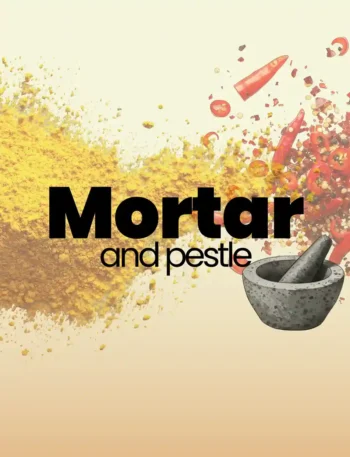
Villages had no blenders—spices, dals, and herbs were hand-pounded in stone mortars, giving chutneys and podis (spice powders) an unmatched rustic flavor.
7. Bajra Khichdi (Rajasthan)
Pearl millet khichdi cooked with ghee and buttermilk. Hearty and warming, especially in winter.
8. Gongura Pappu (Andhra)

Tangy gongura leaves cooked with toor dal—a village staple rich in iron and antioxidants.
9. Thalipeeth (Maharashtra)
A multi-grain flatbread made from a hand-mixed flour blend. Traditionally cooked on a clay griddle.
10. Pakhala Bhata (Odisha)
Fermented rice soaked in water, eaten with green chilies and curd. A cooling, probiotic-rich dish perfect for hot summers.
Forgotten Superfoods from Our Villages
- Horse gram – high-protein, once the “poor man’s food.”
- Ragi & millets – calcium-rich, gluten-free grains.
- Gongura & drumstick leaves – leafy greens full of iron and vitamin C.
- Fermented rice & drinks – gut-healthy and probiotic-rich.
These “forgotten” foods are making a comeback now, but they were always part of our ancestral diets.
Cooking These at Home (Modern Adaptations)
You don’t need a woodfire stove or stone grinder to try these recipes today.
- Use pressure cookers or Instant Pots for dals and millets.
- Replace jaggery blocks with powdered jaggery for easier use.
- Try cast iron pans to mimic traditional smoky flavors.
- Experiment with seasonal greens from your local market.
Why These Recipes Matter
Every village dish carries a story—of farmers working in the fields, families gathering around a mud stove, or festivals celebrated with homemade delicacies. Cooking them today is more than nostalgia—it’s about preserving culture, eating sustainably, and reconnecting with real food.
FAQ
What are traditional Indian village recipes?
These are rustic, regional dishes made in villages using local grains, fresh greens, and simple cooking methods like woodfire or clay pots. They are wholesome, sustainable, and deeply tied to culture.
Why are village recipes disappearing?
Urbanization, fast food, and changing lifestyles have reduced reliance on seasonal, local foods. Many younger generations never learned these dishes, making them “forgotten recipes.”
Are traditional Indian village recipes healthy?
Yes. Most are naturally gluten-free, high in fiber, and rich in plant-based protein. Ingredients like millets, horse gram, and gongura leaves are now considered “superfoods.”
Can I cook village recipes at home without traditional tools?
Absolutely. Pressure cookers, Instant Pots, and cast iron pans can recreate the flavors without needing woodfire stoves or stone grinders.
Which traditional village recipes are easy for beginners?
Dishes like ragi mudde, horse gram curry, bajra khichdi, and chutneys are simple and beginner-friendly.