
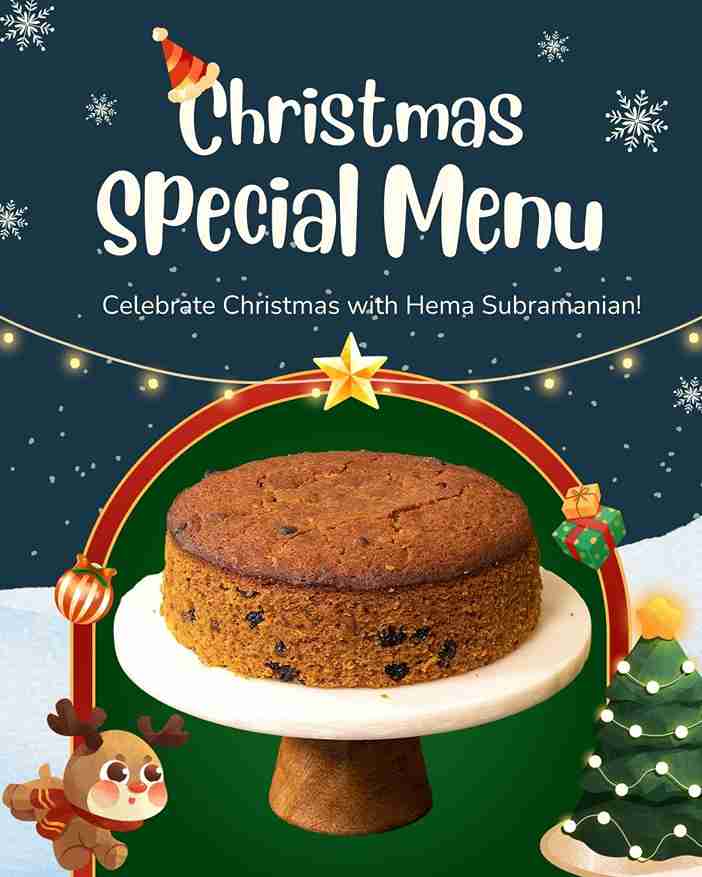
Christmas in India tastes different everywhere you go. Sure, we all agree on the basics: the dense plum cakes wrapped in butter paper, sweet smelling butter cookies, the homemade wines fermenting quietly in glass jars, the aroma of freshly fried rose cookies drifting through neighbourhoods. These are the familiar markers of the season — the comfort foods that make December unmistakably ours.
But those are just the opening notes.
The deeper you travel into India, the clearer it becomes that Christmas isn’t a single flavour. It’s a mosaic — shaped by centuries of Portuguese, British, Dutch, and French influence, blended seamlessly with hyperlocal ingredients, family rituals, and regional cooking traditions that have evolved for generations.
For me, growing up in Chennai meant Christmas arrived early — long before the actual day. It began with neighbours exchanging tins of rose cookies, somas, and kalakala. Plum cakes travelled across the city in cardboard boxes tied with twine, each with its own personality depending on the household. Some dense, some fruitier, some dangerously boozy. And every year, without fail, at least one aunty would quietly slip you an extra slice “for later.”
But the magic truly hit when friends returned from Goa with bottles of homemade wine and squares of perad wrapped in wax paper… or when someone from Kerala shared a box of Thalassery biryani that tasted like the entire Malabar coast had been condensed into a single mouthful. It was impossible not to connect Christmas with travel — because every state insisted on celebrating it with its own edible identity.
And that’s the beauty of an Indian Christmas.
The cakes and wines might be universal, but the real stories lie in the regional dishes.
Some were born in Portuguese kitchens and adopted into local traditions. Others emerged from Syrian Christian heritage, or Anglo-Indian households, or tribal cooking techniques of the Northeast. Some were created in coastal towns touched by spice traders; others were shaped in hill stations built by the British.
This guide is a journey through those plates — region by region. A look at how history, culture, and cuisine intersect to create the most diverse Christmas feast in the world.
Let’s begin.
Tamil Nadu Christmas Recipes: A Fiery, Festive, and Deeply Traditional Feast
Christmas in Tamil Nadu has its own unmistakable rhythm — louder, spicier, and more community-driven than almost anywhere else in India. While the rest of the country might picture roast meats and puddings, a Tamil Christmas table proudly leans into local spice architecture, coconut-rich curries, and handmade sweets that carry centuries of tradition.
And yet, interestingly, many of these foods exist because of a cultural crossroads: British influence mingling with Tamil cooking, especially in coastal districts like Chennai, Tuticorin, and Tirunelveli, where early Christian communities and colonial settlements took root. Over time, these households crafted a Christmas identity that feels both deeply Tamil and uniquely global.
Below is a look at the dishes that define a Tamil Nadu Christmas — the ones you’d see in old Anglo-Indian homes in Vepery, in coastal parishes near Tuticorin, and in bustling Christian neighbourhoods across Chennai.
British Roots, Tamil Heart: A Quiet Colonial Influence
British rule didn’t radically rewrite Tamil cuisine — but it did shape the structure of Christmas meals in Tamil families:
- The idea of a special Christmas breakfast came from British custom.
- The cultural ritual of baking fruit cakes came through Anglo-Indian families.
- Even certain sweets like rose cookies travelled from Dutch/Sri Lankan influence into Tamil kitchens.
Yet the flavours? Entirely Tamil — packed with fennel, pepper, cumin, curry leaves, coconut milk, and homemade masalas ground fresh at sunrise.
Popular Tamil Nadu Christmas Dishes
1. Chettinad Chicken or Mutton Curry
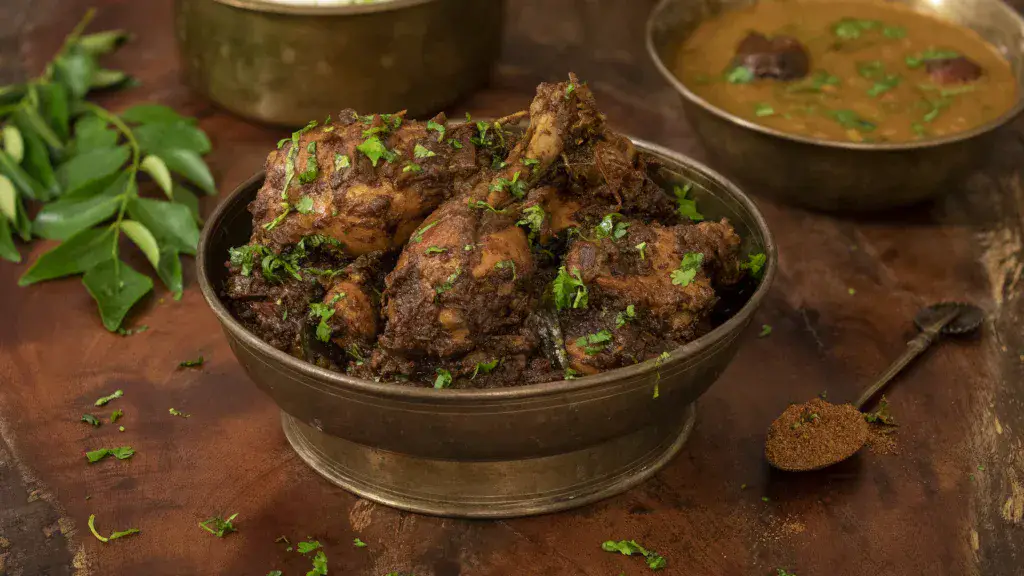
A festival classic — bold, aromatic, unapologetically hot. Christmas morning often begins with the sound of masalas being dry-roasted: pepper, fennel, cloves, kalpasi, red chillies, cinnamon.
No two households make it the same.
Served with:
- Coconut milk rice
- Idlis
- Appam
- Idiyappam
- Or soft bread rolls (another quiet British influence)
2. Coconut Milk Rice (Thengai Paal Saadham)
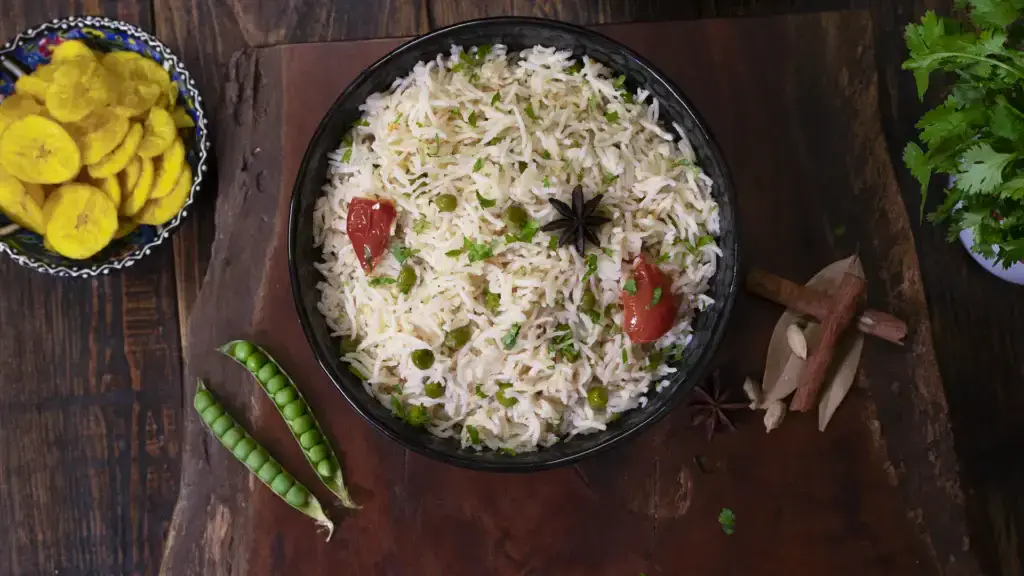
If biryani takes centre stage elsewhere, coconut milk rice is the gentle counterpart.
It’s fragrant, creamy, studded with whole spices, and meant to balance the heat of Chettinad gravies.
Some families add cashews and raisins; others keep it humble and comforting.
3. Chicken Kuruma or Salna
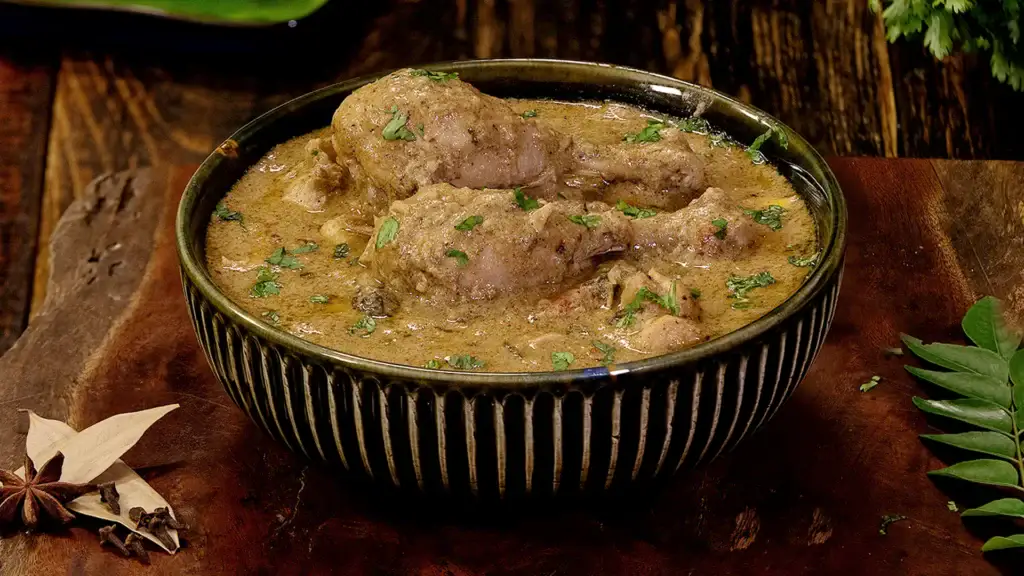
A milder, coconut-forward curry that’s almost ceremonial in Tamil Christian homes.
This is the dish you serve guests who “can’t handle Chettinad heat,” yet it’s packed with flavour, thanks to coconut paste, poppy seeds, and subtle spices.
4. Prawn Thokku
Seafood-heavy districts like Chennai, Thoothukudi, and Nagapattinam swear by a Christmas prawn dish.
Prawn thokku — spicy, glossy, semi-dry — is often cooked early and reheated throughout the day as guests parade through the house.
Traditional Tamil Christmas Sweets & Snacks
Christmas in Tamil Nadu isn’t just about the big feast — it’s the weeks of preparations leading up to it. Kitchens begin to smell like ghee, coconut, and cardamom long before the tree is lit.
1. Mundhiri Kothu
A signature from Tirunelveli & Kanyakumari. Roasted green gram + jaggery + coconut + cardamom → shaped into balls → dipped in batter → deep fried. These stay fresh for weeks and are almost always part of the Christmas sweet box.
2. Achu Murukku (Rose Cookies)
Your childhood favourite — and one of Tamil Nadu’s most iconic Christmas snacks.
A Dutch-influenced recipe that travelled through Sri Lanka and settled into Tamil households. Made using a delicate metal mold dipped into a rice flour–coconut milk–egg batter, then deep-fried into crisp, golden flowers.
3. Kala Kala (Diamond Cuts)
Small pieces of sweet dough fried until crunchy and tossed in sugar syrup. Universally loved, universally present — no Christmas sweet tin is complete without these.
4. Somas
Another beloved crescent-shaped pastry with a filling of roasted rava, roasted gram, and sugar. Labour-intensive, but that’s the charm — entire families sit around to make these together.
5. Vivikkam
A lesser-known gem from southern Tamil Nadu. Fermented raw rice batter mixed with coconut, sugar, cashews, raisins, steamed until firm. Usually eaten for breakfast after early morning church service.
The Flavour of Community
Tamil Nadu’s Christmas isn’t quiet.
It’s music, neighbours, visiting, sharing, exchanging tins of sweets, and doors left open all day. The food reflects that spirit — bold, generous, layered with spices, and always cooked in large batches.
And while plum cakes and wine may be universal across India, Tamil Nadu brings its own personality to the table: heat, coconut, tradition, and an explosion of handmade sweets passed down from grandmothers.
Kerala Christmas Recipes: A Feast Rooted in Spice, Tradition, and Portuguese Legacy
If Tamil Nadu’s Christmas is fiery and communal, Kerala’s Christmas is elegant, slow-cooked, and deeply intertwined with its Christian heritage — one of the oldest in the world.
Here, food is not just celebration. It’s history. It’s ritual. It’s inheritance.
Kerala’s Christian communities — especially Syrian Christians and Latin Catholics — have preserved culinary traditions shaped by centuries of Portuguese influence, Middle Eastern trade, and coastal abundance. And Christmas is the one time of year when every one of those threads comes together on one impossibly generous table.
The result? A feast that begins with a soft, lacy appam… and ends (hours later) with a dark, rum-scented plum cake that’s been aging for weeks.
Colonial Influences on Kerala’s Christmas Cuisine
1. The Portuguese (the strongest influence)
They brought:
- Vinegar (leading to dishes like fish molee and vindaloo variants)
- The concept of baking with eggs and sugar
- Techniques for rich desserts
- Trade routes that shaped spice use
2. Syrian Christian Heritage
One of the world’s oldest Christian communities — their food is deeply local, coconut-rich, and spice-layered.
3. Dutch Influence
Less direct, but evident in bakery culture and certain snacks.
Kerala, more than any other Indian state, preserved these influences while keeping flavours unmistakably Malayali — creamy coconut milk, fragrant curry leaves, fresh peppercorns, and coastal seafood.
Popular Kerala Christmas Dishes
1. Appam + Chicken/Mutton Stew (the iconic Christmas breakfast)
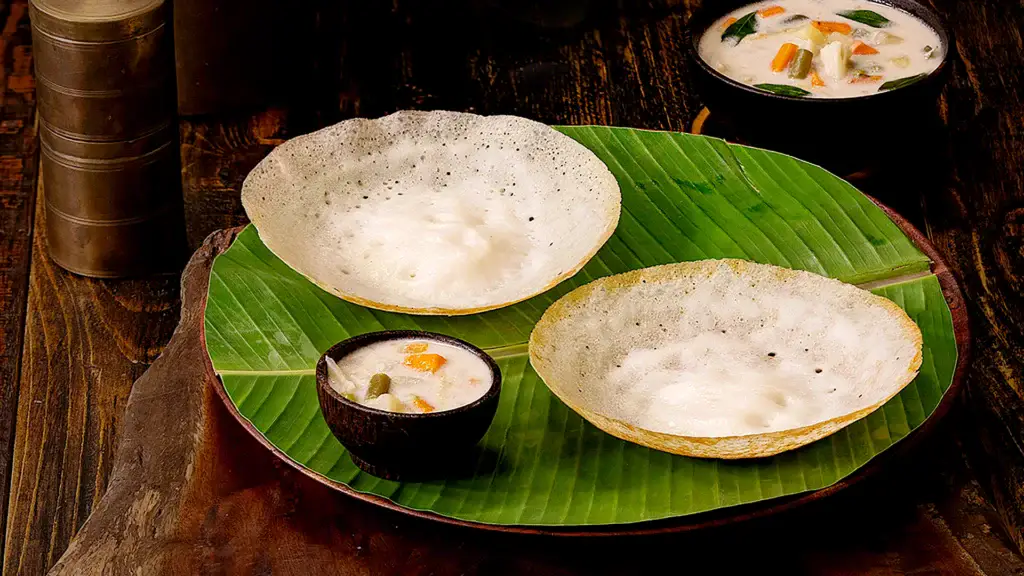
No Kerala Christmas morning is complete without appam, those delicate, lacy-edged rice pancakes that are crisp on the outside and soft at the centre.
They’re paired with a luxurious, mildly spiced stew made with:
- Coconut milk
- Whole spices
- Potatoes and carrots
- Chicken, mutton, or sometimes duck
- Green chillies and ginger
It’s almost ceremonial — families return from midnight mass or early morning service to a table set with steaming appams and fragrant stew.
2. Vattayappam & Kallappam
Soft, steamed rice cakes that are slightly sweet and lightly fermented.
These are festival staples throughout Southern Kerala, especially among Syrian Christian communities. They’re also easier on the stomach after a night of festivities — and perfect carriers for curries.
3. Duck Roast (Tharavu Roast)
A Kuttanadan masterpiece from the backwater regions around Alleppey.
This dish is:
- Slow-cooked
- Spicy
- Rich
- Coated in a caramelised masala
- Finished in coconut oil with shallots
Duck is considered a delicacy, making it the star of many Kerala Christmas lunches.
4. Fish Molee (Portuguese-inspired)
If one dish showcases colonial influence clearly, it’s this one.
Fish Molee is a mild, coconut-milk-based curry believed to have evolved from Portuguese fish stews.
It uses:
- Fresh seer fish
- Coconut milk
- Curry leaves
- Green chillies
- Minimal spices
The result is golden, silky, and surprisingly delicate — unlike Kerala’s fiery fish curries.
5. Nadan Beef Fry / Beef Ularthiyathu
This is Kerala soul food. Slow-cooked beef tossed with:
- Pepper
- Coconut strips (thenga kothu)
- Shallots
- Curry leaves
- Coconut oil
It’s usually served with ghee rice or porotta for Christmas lunch.
6. Ghee Rice / Neychoru
A fragrant rice dish cooked with ghee, cashews, raisins, and whole spices. Kerala homes often serve it alongside duck roast or beef fry to balance the richness.
Christmas Snacks & Sweets of Kerala
1. Kerala Plum Cake (Fruit Cake)
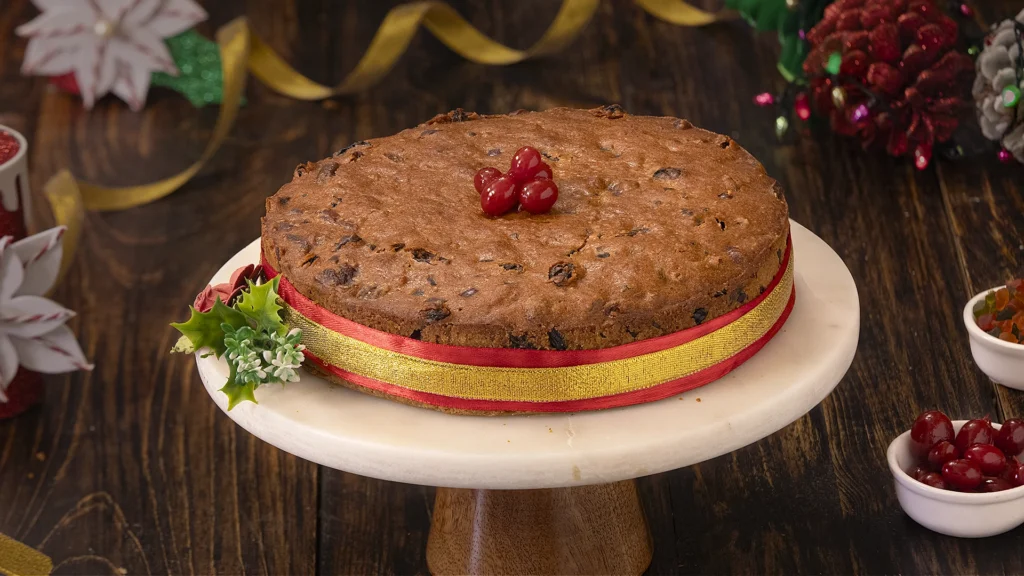
Dark, dense, and soaked in rum or homemade wine.
Kerala’s plum cake is different from other Indian versions — it uses caramel syrup, local spices, and richly soaked fruits.
Most households begin soaking fruits weeks in advance, a ritual passed down through families
2. Cutlets (Chicken/Beef/Veg)

Breaded, shallow-fried patties served as party starters.
Every Christmas gathering in Kerala has a plate of cutlets disappearing within minutes.
The Grand Feast: Theenmura
Kerala’s Christmas lunch is called Theenmura — a lavish, multi-course spread featuring:
- Appam
- Stew
- Duck roast
- Fish molee
- Ghee rice / Neychoru
- Beef fry
- Pudding or plum cake
It’s not just a meal — it’s a full-day event, with families dropping in, eating, resting, returning for seconds, and ending the evening with wine or black tea.
Kerala’s Christmas food is festive but grounded — elegant, but still deeply rooted in the coast, the church, and the spice-soaked history of the state.
Goa Christmas Recipes: A Portuguese Legacy Wrapped in Spice, Smoke & Sweetness
If there is one Indian state where Christmas feels both deeply Indian and unmistakably European, it’s Goa.
Here, food isn’t just influenced by Portuguese culture — it is intertwined with it. Four hundred years of colonial rule left behind an entire culinary ecosystem: vinegar-based curries, slow-cooked stews, elaborate sweets, and a baking tradition unmatched anywhere else in India.
Christmas in Goa is not subtle.
It’s loud, celebratory, aromatic, rich — and almost always prepared days or weeks in advance.
Walk through any Goan village in December, and you’ll hear the clatter of grinding stones, smell pork marinating in vinegar, and see families gathered around tables shaping kuswar sweets.
This is a cuisine built on patience, technique, and a kind of festive generosity found nowhere else.
Portuguese Influence on Goan Christmas Cuisine
Unlike most Indian states where colonial influences were partial, Goa absorbed Portuguese culinary DNA wholesale.
They introduced:
- Vinegar as a base for marinades
- Pork in celebratory meals
- Techniques for braising, aging, and slow-cooking
- Multi-layer desserts like bebinca
- Use of eggs and flour in festive sweets
- Cashew cultivation (which later influenced Goan sweets and feni)
The result is a Christmas table where European technique meets Konkani soul.
Popular Goan Christmas Main Dishes
1. Pork Vindaloo
Perhaps Goa’s most internationally famous dish — but the authentic version is miles away from the tomato-heavy restaurant version.
Real vindaloo is:
- Pork marinated in palm vinegar, garlic, and Kashmiri chillies
- Slow-cooked until tender
- Tangy, spicy, deeply aromatic
- Even better the next day
The name itself comes from the Portuguese carne de vinha d’alhos — meat marinated in wine vinegar and garlic.
This is one of the dishes you personally love, and for good reason: nothing tastes more “Goan Christmas” than vindaloo simmering on day three.
2. Sorpotel
If there is one dish that represents Goan heritage, it’s this one.
Sorpotel is:
- A spicy pork-and-liver stew
- Cooked several days before Christmas
- Reheated repeatedly to deepen flavor
- Served with sannas, the slightly sweet, fluffy Goan steamed rice cakes
This dish is a ritual. A tradition. A celebration of patience.
Every family has its own recipe — some more vinegar-heavy, others more pepper-forward.
3. Sannas
Steamed Goan rice cakes fermented with palm toddy.
Soft, slightly sweet, and perfect for soaking up sorpotel or vindaloo.
4. Chicken Cafreal
A green, coriander-heavy grilled chicken dish with African origins (brought by Portuguese colonists from their African territories). Bright, spicy, and refreshing — the perfect counterbalance to heavy pork dishes.
5. Beef Roulade / Roast Beef
A celebratory European-style roast adapted to Goan flavours. Flattened beef rolls stuffed with bacon, vegetables, and spices, then simmered in gravy.
Roast chicken and turkey have also entered modern Goan homes, but roulade remains the true festive classic.
Goan Kuswar: The Legendary Christmas Sweet Collection
Goa is the only Indian state with an entire Christmas sweet tradition — called Kuswar.
A platter that may contain 10–20 different sweets, each handmade with precision.
Here are the essentials:
1. Bebinca (The Queen of Goan Desserts)
A multi-layered coconut-milk pudding baked one layer at a time.
It’s rich, caramelized, buttery, and impossibly labour-intensive — which is why it’s reserved for Christmas and weddings.
2. Perad (Goan Guava Cheese)
My personal favourite. A ruby-red, chewy, fragrant sweet made from ripe guavas cooked with sugar and lime juice until thickened into a fudge-like consistency.
Perfectly sliceable, deeply nostalgic.
3. Kulkuls (Kidyo)
Crisp, curled, shell-shaped pastries made from semolina and flour dough rolled on a comb to create ridges. Some households glaze them in sugar syrup; others keep them plain.
4. Neureos (Nevri)
Crescent-shaped pastries stuffed with a mixture of:
- Grated coconut
- Jaggery or sugar
- Nuts and raisins
- Cardamom
Fried until golden. Sweet, crispy, addictive.
5. Dodol
A dark, sticky pudding made from coconut milk, palm jaggery, and rice flour.
Slow-cooked for hours. A true labour of patience and family involvement.
6. Doce de Grão (Chana Dal Doce)
A soft fudge made with Bengal gram, coconut, and sugar. Often cut into perfect diamonds and given out in kuswar boxes.
A Goan Christmas Is a Celebration of Labour and Love
Goan Christmas food is not “fast food.”
It’s heritage food — prepared days, sometimes weeks, ahead.
- Fruits soaking for plum cakes
- Vinegar-based marinades aging
- Bebinca layers being baked one at a time
- Meat curries improving with age
- Families making kuswar sweets in huge batches to share with neighbours
Goa shows you that Christmas isn’t just a day. It’s a season. A project. A community event.
Every dish tells a story — Portuguese colonists, spice traders, local cooks, and generations of families keeping traditions alive.
North East India Christmas Recipes: Smoked Meats, Tribal Traditions & Festive Fire
Christmas in North East India looks and tastes entirely different from the rest of the country — and that’s exactly what makes it unforgettable.
This is a region where food is shaped not by European colonizers, but by indigenous tribal traditions, local crops, smoky techniques, bamboo shoots, fermented ingredients, and the volcanic heat of native chillies.
Here, Christmas isn’t marked by cakes and roasts alone. It’s marked by community feasts, open-fire cooking, backyard butchering, and dishes that carry centuries of ethnic heritage. The influence of British missionaries is seen in church traditions and celebrations — but the food remains proudly local, rooted in each tribe’s identity.
If Goa brings vinegars and cakes to Christmas, the Northeast brings smoke, fermentation, fire, and forests.
Cultural Influences on Northeast Christmas Cuisine
1. Tribal Food Heritage
Each state — and often each tribe — has its own cuisine shaped by local ingredients, hunting traditions, and preservation methods like smoking and fermenting.
2. British Missionary Influence
Not on the cooking style itself, but on:
- The idea of community Christmas feasts
- Potluck-style gatherings
- Distribution of food after church services
- Introduction of certain baked items (like doughnuts)
3. Climate & Geography
The winter cold directly influences the menu:
hearty, smoky, warming dishes dominate.
State-Wise Christmas Specialities
The Northeast isn’t a monolith. Every state has its own festive identity — here’s the most authentic breakdown:
Nagaland: Smoked Pork, Fire, and Fermented Flavours
1. Smoked Pork with Fermented Bamboo Shoot
The crown jewel of Naga Christmas. Cooked in its own fat, no oil needed. Smoky, pungent, fiery — thanks to fermented bamboo and naga king chilli (Bhut Jolokia).
Served with simple steamed rice.
This dish is the heart of almost every Christmas feast in Nagaland.
2. Naga Christmas Doughnuts
Soft, mildly spiced with cardamom and nutmeg. Often made in huge batches near Christmas Eve. A clear example of British influence blending into local tradition.
3. Smoked Chilli Chutneys
Pounded with tomatoes, wild coriander, and garlic in a wooden mortar. Served with every meal.
Meghalaya: Pork, Rice & Highland Comfort Food
1. Jadoh
A Khasi favourite — rice cooked with generous amounts of pork and spices. Fragrant, hearty, perfect for cold winters.
2. Pork Innards (Dohthli or Doh Jem)
A special-occasion dish made during festive gatherings. Rich, flavourful, deeply traditional.
Mizoram: Mild, Fragrant, and Soul-Warming
1. Sawhchiar
A porridge-like rice-and-meat dish. Simple, warming, and perfect for colder climates.
Made with pork, chicken, or beef.
2. Vawksa Chhum
Smoked pork stir-fried with mustard leaves and mild spices.
A perfect balance of savoury and fresh.
Assam: Duck, Fish & Sticky Rice Traditions
1. Assam Duck Curry
One of Assam’s most beloved winter dishes, especially around Christmas.
Made with black pepper, fresh ginger, potatoes, and sometimes ash gourd.
2. Sticky Rice Cakes (various ethnic names)
Steamed or pan-cooked sticky rice sweets appear across Assamese, Mishing, Bodo, and Karbi households.
Manipur: Herbs, Bamboo Shoots & Festive Heat
1. Iromba
A mashed vegetable dish cooked with fermented fish (ngari) and bamboo shoots. Spicy, earthy, addictive.
An essential part of Christmas feasts in many homes.
Tripura: Fish & Forest Flavours
1. Mui Borok
Tripura’s signature dish — smoked fish cooked with vegetables, turmeric, and local herbs.
Oil-free, aromatic, and deeply traditional.
Arunachal Pradesh: Sticky Rice & Chicken
1. Chambai
Sticky rice served with rich chicken curry — a festive combination enjoyed by many tribes.
Northeast Christmas Treats & Festive Snacks
1. Sticky Rice Cakes
Names vary across tribes (Hao Khamui, Tang-hou, Niekhruda).
Steamed, sometimes sweetened, often prepared in bamboo.
2. Homemade Doughnuts
Soft, spiced, and often fried fresh for guests.
3. Meat Chutneys
Spicy condiments made with smoked chillies and local herbs.
A Christmas Feast Built Around Community
What truly defines a Northeast Christmas is togetherness.
- Families come together to butcher pigs
- Large pots simmer over wood fires
- Neighbours exchange smoked meats and sticky rice
- Churches host massive potluck meals
- Music, bonfires, and doughnuts fill the night
This is festive cooking stripped of ornamentation — raw, earthy, communal, and honest.
A Christmas shaped not by colonizers, but by the mountains, forests, tribes, and fire.
Mumbai Christmas Recipes: East Indian Traditions, Goan Roots & A Citywide Festive Fusion
Mumbai’s Christmas table is unlike any other in India — because the city itself is unlike any other.
Here, Christmas is celebrated by Bombay East Indians (the original Christian community of Mumbai), Goans, Mangaloreans, Anglo-Indians, Keralites, and countless diasporas who brought their traditions with them.
The result?
A Christmas cuisine that is layered, multicultural, coastal, vinegar-kissed, spice-rich, and sweetened with giant trays of kuswar.
You’ll find dishes with Portuguese influence sitting comfortably next to recipes born in old East Indian fishing villages. A plate might include a Goan sorpotel, an East Indian roast, a Mangalorean dessert — and somehow, it all feels like Christmas in Mumbai.
This is Christmas in a city that never stops moving — warm, noisy, fragrant, and shared across communities.
Cultural Influences on Mumbai’s Christmas Food
1. East Indian Community (Native Christians of Bombay)
They brought:
- Fugiyas (deep-fried fermented bread)
- Mutton Khudi
- Traditional pork and beef dishes
2. Goan Migrants
Established many of Mumbai’s bakery and wine traditions.
Their pork dishes became citywide staples.
3. Mangalorean Catholics
Added their own masalas, stews, and sweets to the urban table.
4. Anglo-Indian Influence
Brought roasts, puddings, and certain snacks.
5. The Cosmopolitan City
Mumbai’s melting pot nature turned Christmas into a multi-cultural feast.
Popular Mumbai Christmas Dishes
1. Pork Sorpotel
If there’s one dish that defines a Mumbai Christmas, it’s sorpotel.
This version is:
- Fiery and tangy
- Slow-cooked with pork and liver
- Heavily influenced by Goan recipes
- Aged for a day or two to intensify flavor
Often served with fugiyas — round, deep-fried fermented breads that puff up beautifully.
2. Pork Vindaloo
Mumbai’s vindaloo is very close to the Goan original but sometimes uses sharper vinegar or local spice tweaks.
In East Indian and Goan households, vindaloo is a Christmas mandatory — its tangy heat cuts through the richness of the sweet kuswar.
3. Stuffed Roast Chicken (or Roast Beef/Mutton)
A classic Anglo-Indian and East Indian centerpiece.
The stuffing can include:
- Minced liver
- Bread crumbs
- Pepper
- Herbs
- Sometimes even eggs or raisins
Families pair it with boiled vegetables, bread, or pulao.
4. Chicken Potato Chops
One of Mumbai’s favourite Christmas snacks.
Mashed potato stuffed with spiced chicken mince, shaped into patties, dipped in egg, rolled in crumbs, and shallow-fried until golden.
They disappear in seconds at every gathering.
5. Salted Tongue
A Mumbai Christian delicacy few outside the community have tasted.
The beef tongue is:
- Brined for days
- Slow-cooked
- Sliced thin
- Served with mustard sauce or vegetables
It’s a heritage dish — time-consuming and deeply nostalgic.
6. Mutton Khudi
An East Indian specialty — a rich curry made with their traditional bottle masala. Spicy, warm, slightly smoky, and perfect with fugiyas or rice.
Mumbai Kuswar: The Sweet Side of Christmas
Mumbai’s sweet platter is heavily inspired by Goan and Mangalorean traditions, but with its own city-style adaptations.
1. Kulkuls (Kidyo)
Crispy, curled, comb-shaped pastries. Sometimes coated in sugar syrup, sometimes kept plain.
2. Nankhatai
Mumbai’s iconic Indian shortbread cookie. Buttery, crumbly, melt-in-your-mouth.
3. Date Rolls
Soft pastry encasing sweet date-and-walnut filling. A Mumbai bakery staple during the festive season.
4. Milk Cream
A luxurious white fudge made from:
- Thickened milk
- Cashew paste
- Sugar
Shaped into tiny moulds: stars, shells, fruits — a favourite among children.
5. Marzipan
Made with cashews instead of almonds (the Indian twist). Shaped into colourful fruits, flowers, and festive symbols.
6. Bebinca
Thanks to Goan communities, bebinca has become a Mumbai Christmas essential — especially in Bandra, Mazagaon, Byculla, and Orlem.
A Mumbai Christmas Is a Celebration of Community & Diversity
Christmas in Mumbai is never quiet or limited to one cuisine.
It spills out into:
- Bakeries in Bandra with queues for plum cakes
- Homes in Byculla and Mazagaon preparing East Indian bottle masala dishes
- Goan households in Orlem cooking sorpotel
- Mangalorean families making kuswar indefinitely
- Neighbours exchanging boxes of sweets
- Midnight mass followed by food-filled gatherings
If food in Kerala represents tradition, and food in Goa represents heritage cooking, then food in Mumbai represents community — every culture contributing a flavour, every home adding a dish, every neighbourhood lighting up for the season.
This is Christmas in India’s most diverse city — bold, busy, and beautifully delicious.
Darjeeling Christmas Recipes: Hill-Station Warmth, Anglo-Indian Charm & Nepali-Tibetan Comfort
Darjeeling celebrates Christmas in a way that no plains city can imitate.
The cold mountain air, the smell of pine, the colonial-era churches, the tea estates wrapped in mist — everything feels like a winter postcard. And the food? It’s a beautiful blend of Anglo-Indian roasts, Nepali-Gorkha classics, Tibetan comfort dishes, and local highland flavours that warm you from the inside out.
While Kolkata gives Christmas its nostalgia and bakeries, Darjeeling gives it soul.
Here, Christmas is cozy, hearty, and rooted in the hills.
Cultural Influences on Darjeeling’s Christmas Food
1. British Hill-Station Influence
Darjeeling was a British summer retreat — and a Christmas playground for colonial officers.
This left a legacy of:
- Roasts
- Stews
- Fruit cakes
- Puddings
- Bakery culture
2. Nepali & Gorkha Influence
The dominant local community, contributing:
- Momos
- Sel roti
- Aloo dum
- Thukpa
- Fermented flavours
3. Tibetan Influence
Thanks to migration and proximity:
- Thukpa
- Tingmo
- Spiced broths
4. Local Ingredients & Climate
Cold winters favour hearty, warming dishes cooked slowly and shared generously.
Popular Darjeeling Christmas Dishes
1. Roast Duck or Roast Chicken
The star of a traditional Christmas dinner in many old Darjeeling Anglo-Indian homes.
Prepared with:
- Herb and spice rubs
- Butter or fat basting
- A slow oven roast
- Stuffing made with bread crumbs, onions, herbs, and sometimes eggs
Served with roasted vegetables, mashed potatoes, or even local pulao.
In the crisp December cold, the aroma fills entire homes.
2. Mutton Brown Stew
A hill-station classic also popular in Kolkata, but in Darjeeling it’s richer and perfect for winter.
Made with:
- Mutton pieces
- Carrots, potatoes, peas
- Whole spices
- Slow simmering until velvety
This stew is a Christmas essential in many Nepali-Christian and Anglo-Indian families.
3. Momos

Yes — momos are eaten year-round, but Christmas is a time for big, generous batches.
Fillings vary:
- Chicken
- Pork
- Mutton
- Cabbage-carrot-veggies for vegetarian families
They’re often served alongside soup or chutney as guests arrive after midnight mass.
4. Thukpa
A piping-hot noodle soup with:
- Broth
- Vegetables
- Meat (optional)
- Fresh herbs
- Chillies
Perfect for a Himalayan winter evening, and often part of Christmas Eve gatherings.
Pork Curries with Local Greens
Many Darjeeling households prepare pork with:
- Mustard greens
- Spinach
- Fermented leafy vegetables
- Local spices
These curries feel rustic, warming, and deeply satisfying.
Darjeeling Christmas Sweets & Treats
1. Sel Roti
A Nepali festive staple — ring-shaped, deep-fried sweet rice bread.
Made with:
- Fermented rice batter
- Sugar
- Ghee
- Cardamom
Served with aloo dum, pickles, or eaten as a sweet snack
A common Christmas breakfast pairing.
2. Aloo Dum

Spicy, tangy, and full of flavour.
Paired with sel roti, it becomes a festive comfort meal unique to the hills.
3. Kulkuls (Kidyo)
Shared with influence from Goan and Mumbai kuswar traditions. Many Darjeeling Christian families include them in their Christmas sweet trays.
5. Homemade Wines & Warm Beverages
In the cold, foggy weather, households make:
- Grape wine
- Ginger wine
- Citrus wine
And often serve:
- Mulled tea
- Hot buttered rum
- Spiced black tea
A Darjeeling Christmas Is Warmth in the Middle of Winter
Christmas in Darjeeling is defined by:
- Foggy mornings
- Old stone churches
- Carols drifting across hills
- Tea estates glittering with lights
- Homes filled with roasts, momos, stews, and sel roti
- Endless cups of hot tea or local wine
- Families and communities celebrating with the warmth only the mountains can offer
It is one of the most magical Christmas experiences in India — one where the food feels like a warm sweater, the air smells of cinnamon and pine, and the hills echo with timeless traditions.
One Festival, A Thousand Flavours
Christmas in India is a celebration that refuses to fit into a single recipe book.
It’s cakes and wine, yes — the familiar symbols that unite us across states.
But as you travel from Tamil Nadu’s spice-laden gravies to Kerala’s coconut-rich stews, from Goa’s vinegar-aged pork to the Northeast’s smoked meats, from Mumbai’s multicultural platters to Kolkata’s bakery nostalgia, and finally to Darjeeling’s winter-warm hill cuisine… you realise something beautiful:
India doesn’t just celebrate Christmas. India translates Christmas.
Each region interprets it through its own history, its own climate, its own people, its own encounters with explorers and colonisers — and its own treasured family recipes passed down quietly through generations.
- Tamil Nadu brings the heat of Chettinad spice and the sweetness of rose cookies.
- Kerala brings the elegance of appam and stew, the richness of duck roast, the deep heritage of Syrian Christian kitchens.
- Goa brings Portuguese soul — slow, patient, flavour-layered cooking.
- The Northeast brings tribal identity, fire, bamboo, smoke, and community feasts.
- Mumbai brings diversity — multiple cultures sharing one table.
- Kolkata brings memory — roasts, puddings, cakes, and old-world warmth.
- Darjeeling brings comfort — roasts, momos, stews, sel roti, and mountain hospitality.
Each plate tells a story. Each meal is a piece of living history. And together, they form the most diverse Christmas culinary landscape anywhere in the world.
Whether you cook from these traditions, travel to experience them, or simply learn about them — you’re not just tasting food.
You’re tasting centuries of culture, movement, belief, and adaptation.
A very Indian Christmas is not one flavour. It’s many. And that’s exactly what makes it magical.

