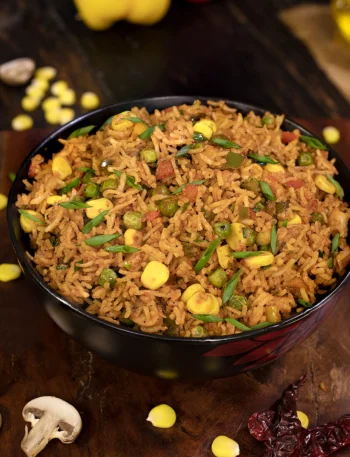
South Indian cuisine is a celebration of bold spices, aromatic curry leaves, and complex layering of flavors that transforms simple ingredients into unforgettable meals. When it comes to chicken dishes, the southern states of India—Tamil Nadu, Kerala, Andhra Pradesh, and Karnataka—each bring their own distinctive character to the table. From the fiery Chettinad peppered curries to Kerala’s coconut-rich gravies, from Tamil Nadu’s iconic Chicken 65 to Andhra’s tangy lemon-spiked preparations, South Indian chicken recipes offer a world of taste that has captivated food lovers globally.
What sets these dishes apart is their reliance on fresh, whole spices that are dry-roasted and ground just before cooking, the generous use of curry leaves and black pepper, and cooking techniques passed down through generations. Whether you’re craving the crispy indulgence of a chicken fry, the comforting warmth of a peppery soup, or the layered complexity of a traditional biryani, this comprehensive guide will take you through the essential recipes that define South Indian non-vegetarian cooking. Consider this your gateway to mastering authentic South Indian chicken dishes—each recipe linked here opens the door to detailed, step-by-step instructions that bring restaurant-quality results to your home kitchen.
What Defines South Indian Chicken Dishes?
South Indian chicken cooking is built on a foundation of signature ingredients that create its unmistakable flavor profile. Curry leaves aren’t just a garnish—they’re an essential aromatic that infuses every dish with a distinctive fragrance. Black pepper takes center stage rather than playing second fiddle to other spices, delivering a sharp, clean heat that defines many regional preparations. Fresh coconut, whether grated, ground into paste, or simmered as milk, adds richness and balances the spice intensity. Tamarind brings a tangy complexity, while gingelly oil (sesame oil) imparts a nutty depth that’s irreplaceable in traditional recipes.
The cooking methods themselves tell a story. A “varuval” is a semi-dry preparation where the chicken is coated in caramelized spices, creating intense flavor concentration. Curries range from Kerala’s thin, coconut-milk based gravies to Tamil Nadu’s thicker, masala-forward versions. Frying techniques vary from the crispy batter-fried Chicken 65 to the simpler tawa fry where spice-marinated chicken is pan-seared until the edges char. Roasting is another cornerstone—whole spices are dry-roasted until fragrant, then ground fresh, a practice that elevates even the simplest preparations.
Each state brings its own emphasis. Tamil Nadu’s Chettinad cuisine is famous for its aggressive spicing and use of stone-ground masalas. Kerala favors coconut and black pepper combinations that reflect its coastal abundance. Andhra Pradesh turns up the heat with generous quantities of red chilies while balancing it with tamarind’s tartness. Karnataka’s preparations often incorporate jaggery for subtle sweetness. Understanding these regional variations helps you appreciate why South Indian chicken dishes offer such remarkable diversity within a shared culinary tradition.
The Essential South Indian Chicken Spices & Techniques
Mastering South Indian chicken cooking begins with understanding the fundamental techniques that unlock flavor. Dry roasting spices is non-negotiable—coriander seeds, cumin, fennel, peppercorns, and dried chilies are toasted in a hot pan without oil until they release their essential oils and turn a shade darker. This process intensifies their flavors exponentially and creates the aromatic foundation of most dishes. Once cooled, these roasted spices are ground to a fine powder, and the difference between freshly ground masala and store-bought powder is night and day.
Tempering, known as “thaalichal” or “tadka,” is the technique of blooming spices in hot oil to infuse the cooking medium with their essence. Mustard seeds, cumin seeds, dried red chilies, and curry leaves are added to hot oil in that order, each element crackling and releasing its aroma before the main ingredients are added. This method isn’t just about adding flavor—it’s about creating layers of it, with the tempered spices providing a different taste dimension than the same spices added raw or ground.
Grinding fresh pastes is another cornerstone technique. Ginger-garlic paste forms the aromatic base for most gravies. Onion paste, when ground with tomatoes and whole spices, creates the body of many curries. Coconut paste—fresh coconut ground with green chilies, ginger, and sometimes poppy seeds or cashews—adds creaminess without dairy. The traditional grinding stone (ammi kallu) is still preferred in many South Indian homes for its ability to release oils and create the ideal texture, though modern blenders work well with a little patience.
Marination styles in South Indian cooking are purposeful and varied. Yogurt-based marinades tenderize the chicken while adding tanginess, often combined with red chili powder, turmeric, and garam masala for preparations like Chicken 65. Spice-based dry marinades coat the chicken with ground masalas and salt, allowing the flavors to penetrate before cooking. For grilled or roasted preparations, the chicken might be marinated with hung curd, crushed peppercorns, and ginger-garlic paste. Each marination style is matched to the cooking method—what works for frying differs from what works for curries or biryanis.
Featured South Indian Chicken Recipes
Chicken 65: The Iconic Tamil Nadu Starter
Chicken 65 is perhaps the most internationally recognized South Indian chicken dish, and for good reason. This deep-fried preparation features bite-sized chicken pieces marinated in yogurt, red chili powder, ginger-garlic paste, and cornflour, then fried until the exterior turns brilliantly crispy while the interior stays juicy. The dish’s bright red color comes from Kashmiri chili powder, which provides color without overwhelming heat. What makes Chicken 65 truly special is the final tempering—curry leaves, green chilies, and garlic are quickly fried and tossed with the chicken, creating an addictive combination of textures and flavors.
The origins of the name remain debated—some say it refers to the year 1965 when it was created, others claim it was the 65th item on a military canteen menu, and some insist it relates to the number of chilies used. Regardless of its etymology, the dish has become a staple of South Indian restaurants worldwide. Modern variations include baked versions for health-conscious cooks, boneless versus bone-in preferences, and adjustments to spice levels. The key to perfect Chicken 65 lies in the double-fry technique: frying once at moderate heat to cook through, then again at high heat to achieve maximum crispiness.
Chicken Gravy: The Homestyle Sunday Lunch Classic
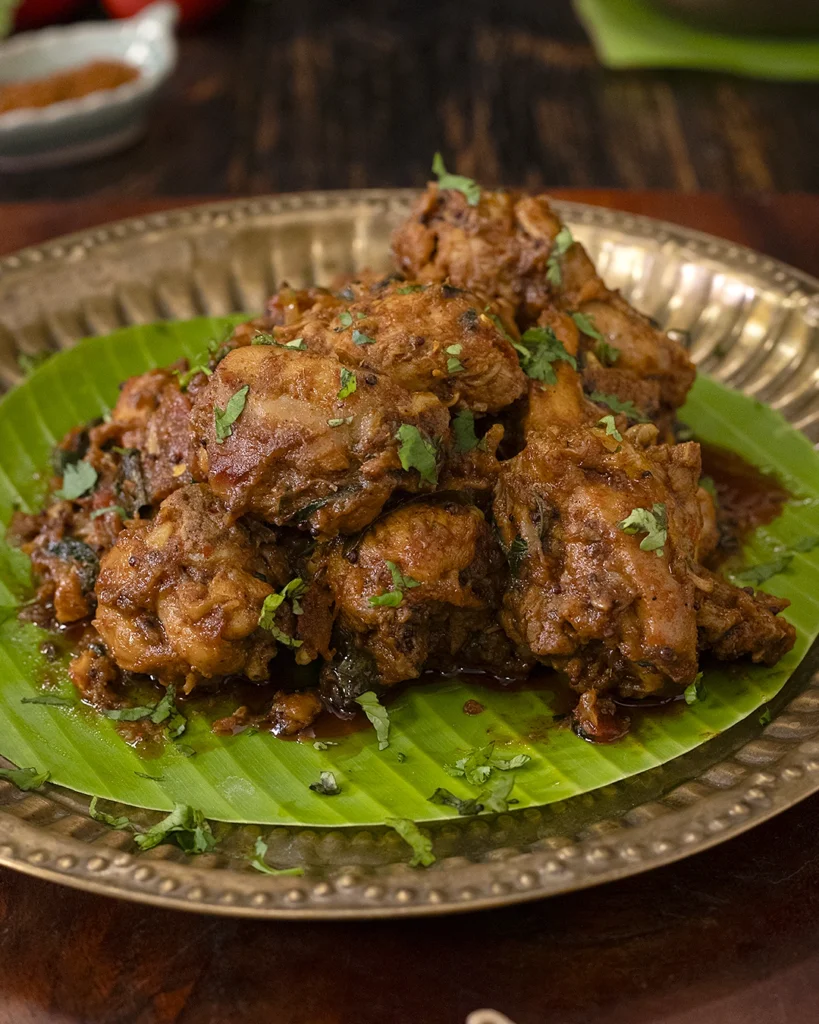
If there’s one dish that defines South Indian home cooking, it’s a simple, soul-satisfying chicken gravy. This everyday curry builds flavor through patience—onions are sautéed until golden, tomatoes are cooked down until they break apart completely, and whole spices like cinnamon, cardamom, and cloves infuse the oil with their essence before the chicken is added. Unlike North Indian gravies that might use cream or cashews, South Indian chicken gravy relies on the natural thickening from well-cooked onions and tomatoes, sometimes finished with a splash of coconut milk for richness.
The beauty of chicken gravy lies in its adaptability. It pairs perfectly with steamed rice, but works equally well as a dipping curry for dosa, idiyappam, or appam. Some versions add a handful of fresh coriander and mint for brightness, while others keep it simple with just the fundamental spices. The curry can be adjusted from thin and soupy (perfect for mixing with rice) to thick and clingy (ideal for parottas). Regional variations include adding drumstick pieces for extra flavor, finishing with a squeeze of lime for tang, or incorporating roasted fennel seeds for a subtle sweetness.
Get the Complete Chicken Gravy Recipe
Pepper Chicken (Kozhi Milagu Varuval): Black Pepper’s Finest Hour
Pepper chicken, or Kozhi Milagu Varuval, puts black pepper front and center as the star spice rather than a background player. This semi-dry preparation from the Chettinad and Kongu regions of Tamil Nadu showcases how a single spice can carry an entire dish when used generously and correctly. Whole black peppercorns are coarsely crushed and added at multiple stages—some bloom in the initial tempering, others coat the marinated chicken, and a final sprinkle provides textural interest and sharp bursts of heat.
The cooking method is crucial: chicken pieces are marinated with basic spices and yogurt, then cooked in a hot pan with minimal liquid. As the moisture evaporates, the spices coat the chicken and begin to caramelize, creating a dark, intensely flavored crust. The result is tender chicken pieces with crispy edges, enveloped in a coating that delivers pepper’s characteristic sharp heat followed by its subtle floral notes. This dish is traditionally served as an accompaniment to rasam and rice, but it’s equally popular as a standalone dry snack with drinks.
Chicken Biryani (South Indian Style): Regional Pride in Every Grain
South Indian biryani is a distinct category within India’s biryani universe, characterized by shorter grain seeraga samba rice, lighter spicing compared to Hyderabadi versions, and cooking techniques that vary dramatically between regions. The Ambur biryani from Tamil Nadu uses a yogurt-based marinade and less oil, creating a lighter, more delicate flavor. Thalassery biryani from Kerala incorporates local short-grain rice called Jeerakasala and features a unique spice blend with more fennel and less heat. Dindigul biryani is known for its small, cube-cut meat pieces and the use of curd and lemon, creating a tangy profile.
What distinguishes South Indian biryanis is the balance—the rice should be fragrant but not overwhelmingly spiced, allowing the meat’s flavor to shine through. The use of seeraga samba rice is traditional because its shorter grains don’t become mushy and maintain a pleasant bite even after layering and dum cooking. Mint and coriander are used generously, and the final tempering often includes fried onions, cashews, and raisins. Whether you prefer the Tamil Nadu style with its dry, separated grains, or the Kerala style with slightly more moisture and coconut notes, mastering South Indian biryani opens the door to understanding regional pride through food.
Discover South Indian Chicken Biryani Variations
Chettinad Chicken: The Heat Seeker’s Paradise
Chettinad chicken curry represents South Indian spicing at its most intense and complex. Originating from the Chettinad region of Tamil Nadu, famous for its merchant community and culinary traditions, this dish is built on a foundation of extensively roasted spices. Star anise, Marathi moggu (kapok buds), stone flower (kalpasi), fennel seeds, dried red chilies, and black peppercorns are dry-roasted separately, then ground together to create the signature Chettinad masala that’s unlike any pre-made spice blend.
The curry itself is earthy, dark, and intensely aromatic. Chicken pieces are cooked with onions, tomatoes, and this complex masala, creating a thick, clinging gravy that’s usually finished with a tempering of curry leaves and whole dried chilies fried in sesame oil. The heat is substantial but not one-dimensional—each spice contributes its own note, creating layers of flavor that unfold with every bite. Coconut in the form of grated pieces or milk is sometimes added to balance the intensity, but traditional versions keep it focused on the masala’s inherent complexity.
Get the Authentic Chettinad Chicken Recipe
Chicken Fry: Quick, Caramelized, Irresistible
Chicken fry is the quick-cooking hero of South Indian kitchens—a dry, spice-coated preparation where chicken pieces are marinated, then cooked in a hot pan until the moisture evaporates and the masala caramelizes into a dark, flavorful coating. Unlike battered fried preparations, this chicken fry relies purely on the Maillard reaction between proteins and spices to create depth. Curry leaves, onions, and green chilies are sautéed first, then the marinated chicken is added and cooked on high heat, stirring frequently to prevent sticking.
The dish works equally well as a meal accompaniment or as a standalone snack. Some versions keep it simple with just red chili powder, coriander powder, and black pepper, while others incorporate garam masala and kasuri methi for restaurant-style richness. The key is getting the pan hot enough that the chicken pieces sear rather than steam, and having the patience to let the masala stick slightly to the bottom of the pan before deglazing with a splash of water—this technique builds flavor exponentially. Finished with a generous handful of freshly chopped coriander and a squeeze of lime, chicken fry delivers maximum flavor with minimum fuss.
Try the Perfect Chicken Fry Recipe
Chicken Curry Kerala Style: Coconut, Curry Leaves, and Balance
Kerala-style chicken curry is a revelation in restraint and balance. Unlike the heavily spiced Tamil Nadu curries, Kerala preparations let coconut milk and black pepper create a rich, aromatic gravy that’s spicy without being aggressive. The curry begins with a tempering of mustard seeds, curry leaves, and green chilies in coconut oil—the use of coconut oil is traditional and adds a subtle sweetness that pairs beautifully with the spices. Onions are sautéed until translucent, tomatoes are added for slight tang, and chicken pieces are browned before coconut milk is poured in.
The gravy is typically thinner than North Indian curries, more like a flavorful soup that coats the chicken and rice rather than clings heavily. Black pepper provides most of the heat, supported by a moderate amount of red chili powder. Some variations add a spoonful of roasted and ground spices including coriander seeds, fennel, and cinnamon for extra depth. The curry is finished with a second tempering of curry leaves fried until crispy, adding both flavor and visual appeal. This dish represents Kerala’s coconut-rich coastal cooking at its finest—comforting, aromatic, and deeply satisfying.
Make Authentic Kerala Chicken Biryani
Lemon Chicken: Tangy, Bright, and Weeknight-Friendly
Lemon chicken brings Andhra Pradesh’s love of tangy flavors to the forefront in a quick-cooking preparation that’s perfect for busy weeknights. Unlike Indo-Chinese lemon chicken, this South Indian version is a dry curry where lemon juice is added toward the end of cooking, creating bright, sharp notes that cut through the spices. The chicken is first marinated with turmeric, red chili powder, and salt, then cooked with onions, green chilies, and ginger-garlic paste until nearly done. Fresh lemon juice is added along with curry leaves, and the dish is cooked for just a few more minutes to allow the flavors to meld without losing the lemon’s vibrant acidity.
The result is a light, refreshing chicken dish that doesn’t feel heavy despite being full of flavor. Some versions add a pinch of sugar to balance the tartness, while others incorporate fresh mint or coriander for herbal brightness. The dish pairs beautifully with plain rice or makes an excellent filling for dosas and wraps. What makes this recipe particularly appealing is its simplicity—no complicated spice blends or lengthy cooking times, just fresh ingredients coming together quickly to create something memorably delicious.
Chicken Omelette: Street Food Protein Punch
The South Indian chicken omelette is street food genius—a protein-packed combination of minced chicken cooked with onions, green chilies, and spices, then mixed with beaten eggs and pan-fried until set. Popular in Tamil Nadu’s roadside eateries and evening tiffin shops, this dish blurs the line between breakfast and dinner, proving equally satisfying at any hour. The minced chicken is cooked first with ginger-garlic paste, pepper powder, and a touch of garam masala until dry and flavorful, then eggs are beaten with salt and chopped coriander and poured over the chicken mixture in a hot pan.
The omelette is cooked until the edges set and the bottom turns golden, then flipped to cook the other side. Some versions fold it like a traditional omelette, while others keep it flat and serve it in wedges. The key is getting the ratio right—enough chicken to make it substantial, enough egg to bind everything together, and enough spices to make it memorable without overwhelming the eggs’ natural richness. Served with bread, parotta, or even as a sandwich filling, chicken omelette represents South Indian adaptability and the region’s genius for creating satisfying food with minimal ingredients.
Chicken Soup (South Indian Style): Peppery Comfort in a Bowl
South Indian chicken soup is nothing like Western-style cream soups or Asian clear broths—it’s a peppery, jeera-forward concoction that’s served as a remedy for colds, a light dinner option, or as part of a multi-course meal. Chicken pieces are simmered with whole spices including peppercorns, cumin seeds, garlic, and ginger until the meat falls off the bone and the broth becomes deeply flavored. The soup is then strained if a clear version is desired, or left chunky with shredded chicken pieces.
The pepper and cumin combination creates a warming effect that’s both comforting and invigorating. Some versions add a handful of greens like spinach or methi leaves toward the end for added nutrition, while others keep it simple with just the broth and meat. A squeeze of lime juice before serving adds brightness, and fresh coriander provides color and herbal notes. This soup is particularly popular during monsoon season and as a light meal when regular curries feel too heavy. It’s also an excellent way to use chicken bones and less tender cuts, creating something nourishing from ingredients that might otherwise be discarded.
Make Traditional South Indian Chicken Soup
How to Pair These Dishes
South Indian chicken dishes shine brightest when paired thoughtfully with the right accompaniments. Steamed rice is the default choice—its neutral flavor and fluffy texture provide the perfect canvas for rich curries and gravies. For dishes like Chettinad chicken or Kerala-style coconut curry, rice soaks up the flavorful gravy and balances the spice intensity. Biryani is of course a complete meal in itself, though it’s often accompanied by raita or pickle for contrast.
Dosas and idiyappam (string hoppers) work beautifully with drier preparations like chicken fry or pepper chicken. The mild, slightly crispy dosa provides textural contrast, while idiyappam’s delicate rice noodles pair wonderfully with gravies that can seep between the strands. Parottas—flaky, layered flatbreads—are the traditional partner for Chettinad chicken and other thick gravies, with the bread’s buttery layers perfect for scooping up sauce. Appams, the fermented rice pancakes with crispy edges and soft centers, are Kerala’s answer to pairing breads, especially good with coconut-based curries.
Condiments and side dishes complete the meal. Coconut chutneys—whether fresh coconut ground with green chilies or roasted coconut versions—add cooling contrast to spicy chicken. Onion raita with yogurt, chopped onions, and tomatoes provides temperature balance and aids digestion. Traditional pickles like lemon pickle, mango pickle, or gongura (sorrel leaf) pickle contribute intense bursts of flavor that complement rather than compete with the main dishes. A bowl of rasam or sambar alongside chicken curry adds variety and helps cleanse the palate between bites.
Tips from South Indian Kitchens
Cooking in batches is a traditional practice that’s worth adopting. Many South Indian households prepare masala powders in larger quantities and store them in airtight containers, saving time during daily cooking. The same applies to ginger-garlic paste—making a week’s worth at once and refrigerating it makes weeknight cooking significantly easier. When making curries for a crowd, the gravy base can be prepared in advance and the chicken cooked in it just before serving, ensuring tender meat and developed flavors.
Freshly ground masalas versus packaged spice powders is perhaps the single biggest factor in authentic South Indian taste. While commercial masalas have their place, investing in a good spice grinder or coffee grinder dedicated to spices transforms your cooking. Dry-roast whole spices in large batches, let them cool completely, grind them, and store in dated containers. The flavor difference is dramatic—aromatic, complex, and vibrant rather than flat and one-dimensional. Even keeping just a few whole spices (coriander, cumin, black pepper, fennel) and grinding them fresh elevates your dishes substantially.
The importance of gingelly oil (sesame oil) in South Indian cooking cannot be overstated. It’s not the toasted Asian sesame oil but rather cold-pressed sesame oil with a milder flavor and high smoke point. This oil is traditional in Tamil cuisine especially and imparts a distinctive nutty undertone that vegetable oil cannot replicate. That said, it’s also strong, so many cooks blend it with neutral oil or reserve it for final temperings where its flavor is most noticeable. If you can’t source gingelly oil, a mix of neutral oil with a small amount of toasted sesame oil approximates the effect.
Allowing chicken to rest after cooking is a practice often skipped but worth respecting. After making a curry, let it sit covered for 15-20 minutes before serving. This resting period allows the chicken to reabsorb some of the moisture it released during cooking, resulting in more tender meat. The spices also continue to meld and develop during this time. For dry preparations like chicken fry, resting for just 5 minutes lets the coating set and become less greasy. Biryani traditionally rests under dum (sealed) for at least 10 minutes after the heat is turned off, allowing steam to complete the cooking and distribute flavors evenly.
Coconut milk timing is crucial for dishes that use it. Adding coconut milk too early or boiling it too vigorously causes it to split and turn oily. The proper technique is to add it toward the end of cooking, let the curry come to a gentle simmer, and remove it from heat relatively quickly. For richer gravies, coconut cream (the thick part from the top of canned coconut milk) can be stirred in just before serving, creating luxurious texture without the risk of splitting. Some cooks add a spoonful of coconut milk after plating as a finishing touch, creating visual appeal and a burst of fresh coconut flavor.
Your Journey into South Indian Chicken Cooking
South Indian chicken recipes represent one of India’s most exciting and diverse culinary traditions—a cuisine where ancient techniques meet bold flavors, where every state and region contributes its unique voice, and where home cooking and restaurant fare both command respect. From the crispy indulgence of Chicken 65 to the comforting simplicity of chicken gravy, from the fierce heat of Chettinad curry to the balanced coconut richness of Kerala preparations, these dishes offer something for every palate and occasion.
The recipes featured in this guide are your gateway to mastering these flavors. Each linked recipe provides detailed, step-by-step instructions with ingredient measurements, cooking times, and tips for success. Whether you’re a beginner taking your first steps into South Indian cooking or an experienced cook looking to expand your repertoire, these authentic recipes will guide you to results that honor tradition while fitting into modern kitchens and lifestyles.
Choose a recipe that speaks to you, gather your spices, and discover why South Indian chicken dishes have captivated food lovers around the world. Bookmark this guide, explore the complete recipe collection, and bring the authentic flavors of South India to your table tonight.