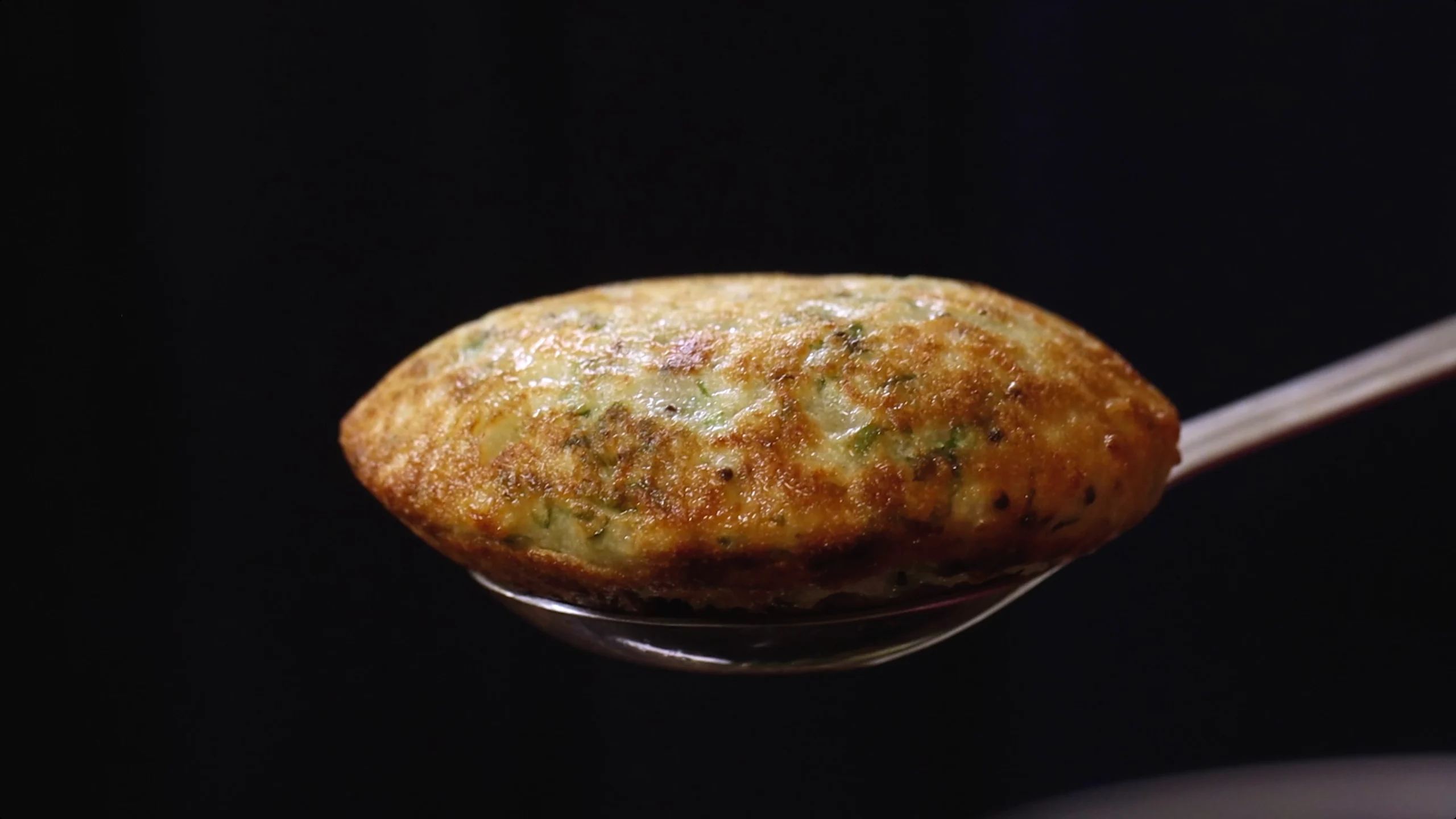
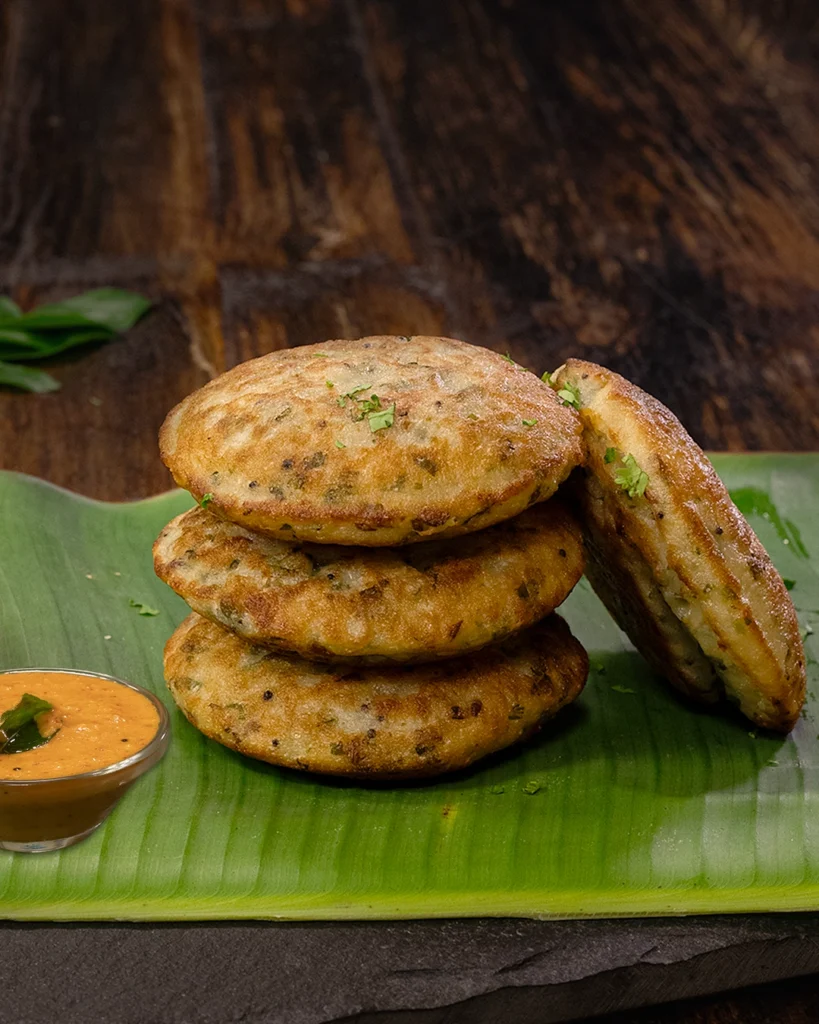
Forget everything you know about thin, crispy dosas for a moment. Bun dosa is an entirely different experience—thick, soft, pillowy, and almost cake-like in texture. When you bite into one, it's fluffy and tender with a golden exterior that's just slightly crisp. The semolina gives it a unique texture that's neither quite like a traditional dosa nor like an utterly, but somewhere wonderfully in between. The tempering of mustard seeds, cumin, curry leaves, and onions runs through every bite, making each mouthful aromatic and flavorful.
This is comfort food at its finest—the kind of dosa you make for a lazy Sunday breakfast or when you want something filling and satisfying without the fuss of fermenting batter overnight. It's instant, it's forgiving, and it's absolutely delicious with coconut chutney and a hot cup of filter coffee. Kids love it, adults crave it, and it's substantial enough to keep you going for hours.
The Story Behind This Fluffy Wonder
Bun dosa, also known as set dosa in some regions, is a beloved variation that emerged as a quicker, more accessible alternative to traditional fermented dosas. While classic dosas require soaking, grinding, and fermenting rice and lentils—a process that takes at least 8-12 hours—bun dosa comes together in under an hour using semolina and curd. This innovation made it possible for anyone to enjoy dosa-like comfort without the advance planning.
The name "bun dosa" comes from its texture—soft and fluffy like a bun, but cooked like a dosa on a griddle. It's particularly popular in Karnataka and parts of Tamil Nadu, where it's often served as part of a breakfast spread. What makes it special is that slightly sour curd combined with the nuttiness of semolina and the aromatic tempering that's mixed directly into the batter, not just spooned on top.
Breaking Down Your Flavor Builders
Semolina (Sooji) – The star ingredient that gives bun dosa its unique texture—grainy yet soft, with a pleasant bite that's different from rice-based dosas.
Curd (Sour) – Using sour curd is key. It adds tanginess that mimics the fermented flavor of traditional dosa and helps with the texture. The acidity also reacts with baking soda to make the dosa fluffy.
Water – For adjusting the batter consistency to just the right thickness—not too thick, not too runny.
Oil – Used both for tempering and for cooking the dosas to that beautiful golden color.
Chana Dal – Adds a subtle nuttiness and a pleasant crunch when it's fried in the tempering.
Mustard Seeds – The classic South Indian tempering ingredient that adds a sharp, slightly bitter pop of flavor.
Cumin Seeds – Earthy warmth that complements the semolina beautifully.
Onion – Adds sweetness, texture, and moisture throughout the dosa.
Green Chilli – Fresh heat that brightens up the entire dish without overwhelming it.
Curry Leaves – The aromatic soul of South Indian cooking—absolutely essential for authentic flavor.
Asafoetida (Hing) – A tiny pinch adds a savory, umami-like depth that makes everything taste more complete.
Coriander Leaves – Fresh, herbaceous notes that add brightness and color.
Salt – For seasoning the batter properly.
Baking Soda – Optional but recommended—it gives the dosa extra fluffiness and a lighter texture.
Rice Flour – Helps bind the batter and gives structure to the dosa. (Note: This ingredient appears in the instructions but not the initial ingredients list)
How This All Comes Together
Start with your prep work because once you begin cooking, things move quickly. Finely chop your onion—you want small pieces that will distribute evenly and cook quickly. Do the same with your green chillies, curry leaves, and coriander leaves. Having everything ready before you start means you won't be scrambling later.
In a large bowl, combine your semolina, sour curd, and water. Mix it all together until well combined. The mixture should be somewhat thick at this stage. Transfer this to a mixer jar and grind it into a smooth batter, adding more water as needed. You're looking for a consistency that's thicker than regular dosa batter—think pancake batter, not crepe batter. Pour this ground batter into a bowl and set it aside.
Now comes the tempering, which is what makes bun dosa truly special. Heat oil in a pan and add your chana dal first—let it turn golden and aromatic. Then add your mustard seeds and cumin seeds. Once they start crackling and popping enthusiastically, add your finely chopped onion, green chillies, and curry leaves. Sauté everything until the onions turn soft and translucent.
💡 Pro Tip: Don't rush the onion sautéing. Cooking them until they're properly soft ensures they add sweetness rather than sharpness to your dosas.
Add your asafoetida, salt, and chopped coriander leaves to the tempering. Give it all a good mix so the flavors meld together. Now here's the important part—transfer this entire tempering into your batter and mix it thoroughly. This is different from traditional dosas where you might add toppings after; here, all those flavors get incorporated directly into the batter.
Add rice flour to the batter and mix well. This helps bind everything together and gives your dosas better structure. Check the consistency—it should be thick enough to spread into a substantial layer on the pan, but not so thick that it doesn't spread at all. Taste and adjust the seasoning if needed.
Just before you're ready to cook, add a pinch of baking soda and give it a final mix. The baking soda is optional, but it does give you that extra fluffiness and helps the dosa rise slightly while cooking, making it even softer.
💡 Pro Tip: Add the baking soda just before cooking, not too far in advance. It starts working immediately when mixed with the acidic curd, and you want that leavening action to happen while the dosa is cooking.
Heat your pan or griddle on medium heat. Unlike regular dosas that need a very hot pan, bun dosas cook better on medium heat because they're thicker and need time to cook through. Pour some oil on the pan and spread it around. Take a ladleful of batter and pour it onto the center of the pan, then spread it into a thick circle—about half an inch thick or even slightly more. Don't try to make it thin like a regular dosa; the thickness is what makes it bun dosa.
Cover the pan with a lid. This is crucial—covering traps the steam and helps the dosa cook through evenly, making it soft and fluffy throughout. Cook until the bottom turns golden brown. You'll know it's ready to flip when you see the edges starting to lift slightly and the top surface looks cooked rather than wet.
Flip the dosa carefully and cook the other side until it's golden as well. Since it's thick, each side needs a few minutes to develop that beautiful color. Once both sides are cooked and golden, remove it from the pan. Your bun dosa should be soft and fluffy on the inside with a golden, slightly crisp exterior.
🌿 Vegan Swap: Replace the curd with plant-based yogurt (coconut or soy yogurt work well). Make sure it's slightly sour for the best flavor and texture. Everything else in the recipe is already vegan!
https://www.youtube.com/watch?v=DeupzBaIaaE
What to Serve Alongside
Bun dosa pairs beautifully with coconut chutney—that's the classic combination. A spicy tomato chutney or peanut chutney works wonderfully too. Some people love it with sambar, which makes it a complete, filling meal. A dollop of butter on top while it's still hot is pure indulgence. Hot filter coffee or masala chai on the side completes the experience perfectly.
Serve bun dosas hot, straight off the pan. They're at their best when they're fresh—that's when the texture is perfectly soft inside with just the right amount of crispness outside. Stack them on a plate, but don't stack too many together or they'll steam each other and become soggy. If you're making multiple dosas, keep the cooked ones warm in a low oven (around 100°C) covered loosely with foil.
💡 Pro Tip: If your dosas are sticking to the pan, your pan might not be well-seasoned or hot enough. Make sure you're using enough oil and that the pan is properly heated before pouring the batter.
Packing for Lunch or Bulk Preparation
Bun dosas travel reasonably well, making them decent for lunch boxes, though they're definitely best enjoyed fresh. If packing for lunch, let them cool completely, then wrap individually in foil or parchment paper to prevent them from sticking together. They'll stay soft for several hours.
For bulk preparation, you can make the batter ahead and refrigerate it for up to 24 hours—just bring it back to room temperature and give it a good stir before cooking. Add the baking soda only when you're ready to start cooking. You can also cook all the dosas ahead of time and reheat them on a pan or in a microwave when needed, though they won't be quite as fluffy as fresh ones.
If you're making these for a crowd, set up an assembly line where you can cook multiple dosas simultaneously on a large griddle. The batter holds well, so you can make batch after batch without any issues. Just remember to stir the batter occasionally as the semolina might settle at the bottom.
Other Dosa Recipes You Might Like:
Ghee Karam Dosa — ghee-tossed, aromatic dosa with a rich, buttery flavor.
Egg Dosa — protein-topped dosa with a soft cooked egg — hearty and filling.
Multigrain Dosa — nutritious dosa made with a blend of grains for extra fibre.
Bun dosa is a thick, soft, and spongy South Indian-style dosa that’s made instantly without fermentation. Prepared with semolina, curd, and a flavorful tempering of spices, onions, and curry leaves, it’s cooked like a pancake on a pan until golden on both sides. Perfect for a quick breakfast or evening snack, it pairs beautifully with coconut chutney or sambar.
Ingredients
To Make Bun Dosa
1cup semolina (sooji)
3/4cup curd (sour)
1cup water (as required)
3tsp oil
1tsp chana dal
1tsp mustard seeds
1tsp cumin seeds
1 onion (finely chopped)
2 green chilli (finely chopped)
1handfull of curry leaves (chopped)
1/4tsp asafoetida
1handfull of coriander leaves (chopped)
1tsp salt (as required)
1a pinch baking soda (optional)
2tsp oil (for cooking one dosa)
Instructions
Prep Work
1
Chopping Ingredients
Finely chop onion, green chillies, curry leaves, and coriander.
2
Preparing SpicesKeep all spices and ingredients ready for tempering.
3
Setting Up WaterSet aside required water for grinding batter.
Method
4
Prepare the Batter
In a bowl, add semolina, curd, and water, then mix well.
5
Grinding BatterTransfer this mixture to a mixer jar, add more water if needed, and grind into a smooth batter.
6
Setting Aside BatterPour the ground batter into a bowl and set aside.
7
Prepare the TemperingHeat oil in a pan and add chana dal, mustard seeds, and cumin seeds.
8
Sauteing Ingredients
Once they splutter, add finely chopped onion, green chillies, and curry leaves. Saute it until onions turn soft.
9
Adding Seasoning
Add hing, salt, and chopped coriander leaves, then mix well.
10
Mixing Tempering with BatterTransfer the tempering into the batter and mix.
11
Final PreparationAdd rice flour and mix well.check the seasoning and adjust if needed.
12
Adding Baking SodaAdd a pinch of baking soda and give it a final mix.
13
Cooking the Bun DosaHeat a pan, pour some oil, and spread the batter thickly.
14
Cooking First SideCover and cook until one side is golden.
15
Flipping the DosaFlip and cook the other side.
16
Serving the Dosa
Once both sides are cooked, remove and serve the hot Soft Bun Dosa.
Nutrition Facts
Servings 2
Amount Per Serving
Calories180kcal
% Daily Value *
Total Fat5g8%
Sodium320mg14%
Total Carbohydrate32g11%
Dietary Fiber2g8%
Protein5g10%
Calcium 40 mg
Iron 1.2 mg
Magnesium 20 mg
* Percent Daily Values are based on a 2,000 calorie diet. Your daily value may be higher or lower depending on your calorie needs.
Keywords:
Soft Bun Dosa, Bun Dosa, tiffin recipe, dosa
Stay Connected with Home Cooking Show!
Love our recipes? Follow us for more delicious cooking inspiration, tips, and behindthescenes fun!
Pin this recipe to share with your friends and followers.
Hema Subramanian
Food and Lifestyle Blogger
I love to cook! And through Home Cooking Show, I hope to make cooking fun, easy, and approachable for everyone.
My way of sharing recipes is all about keeping it simple and delicious—no complicated steps, no fancy ingredients, just real home-cooked food that anyone can make. Cooking should be a joy, not a chore! Whether you’re a beginner or a seasoned cook, you’ll find something here to inspire you. If you love good food made with love, then you’re in the right place!

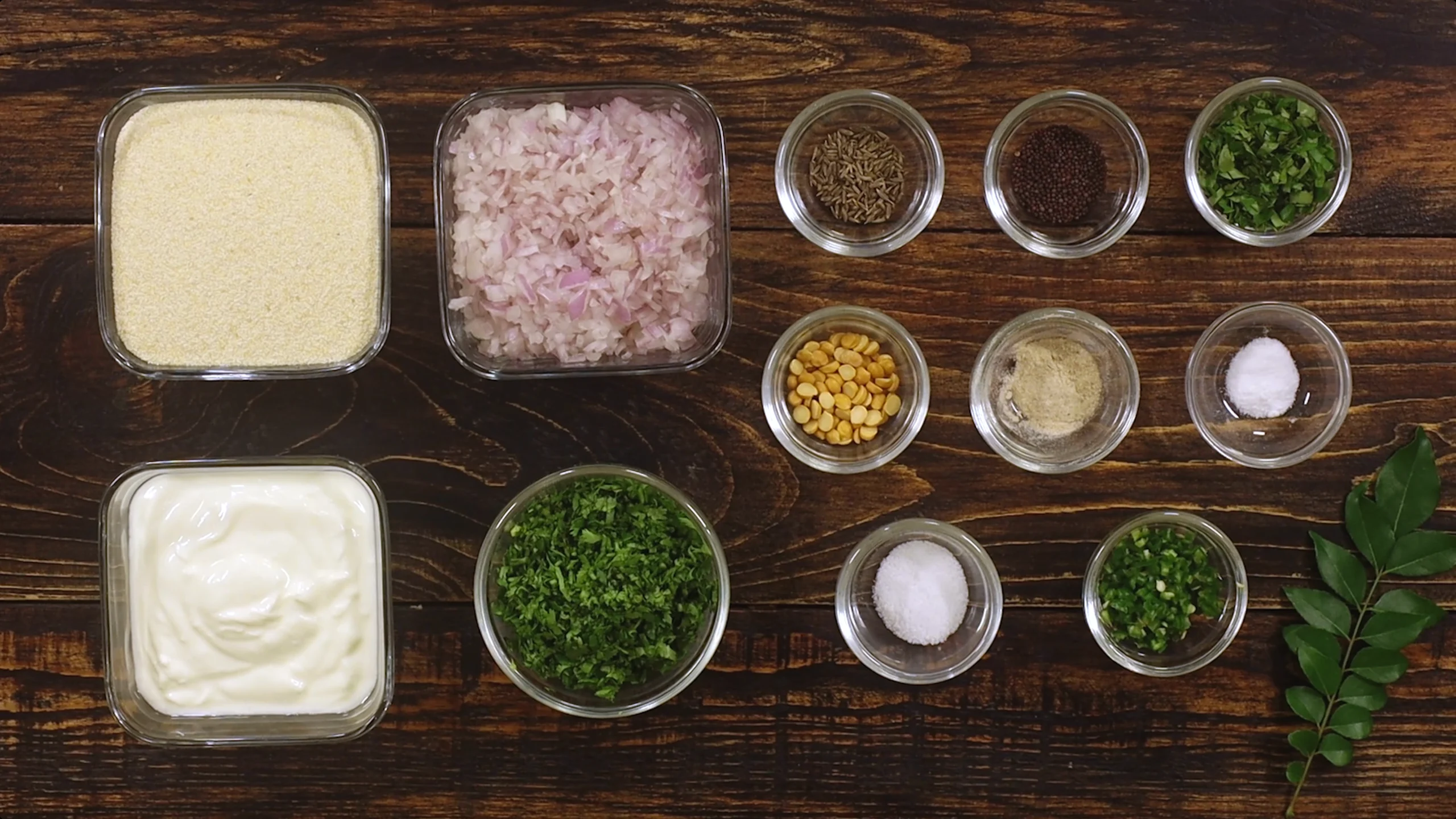 Keep all spices and ingredients ready for tempering.
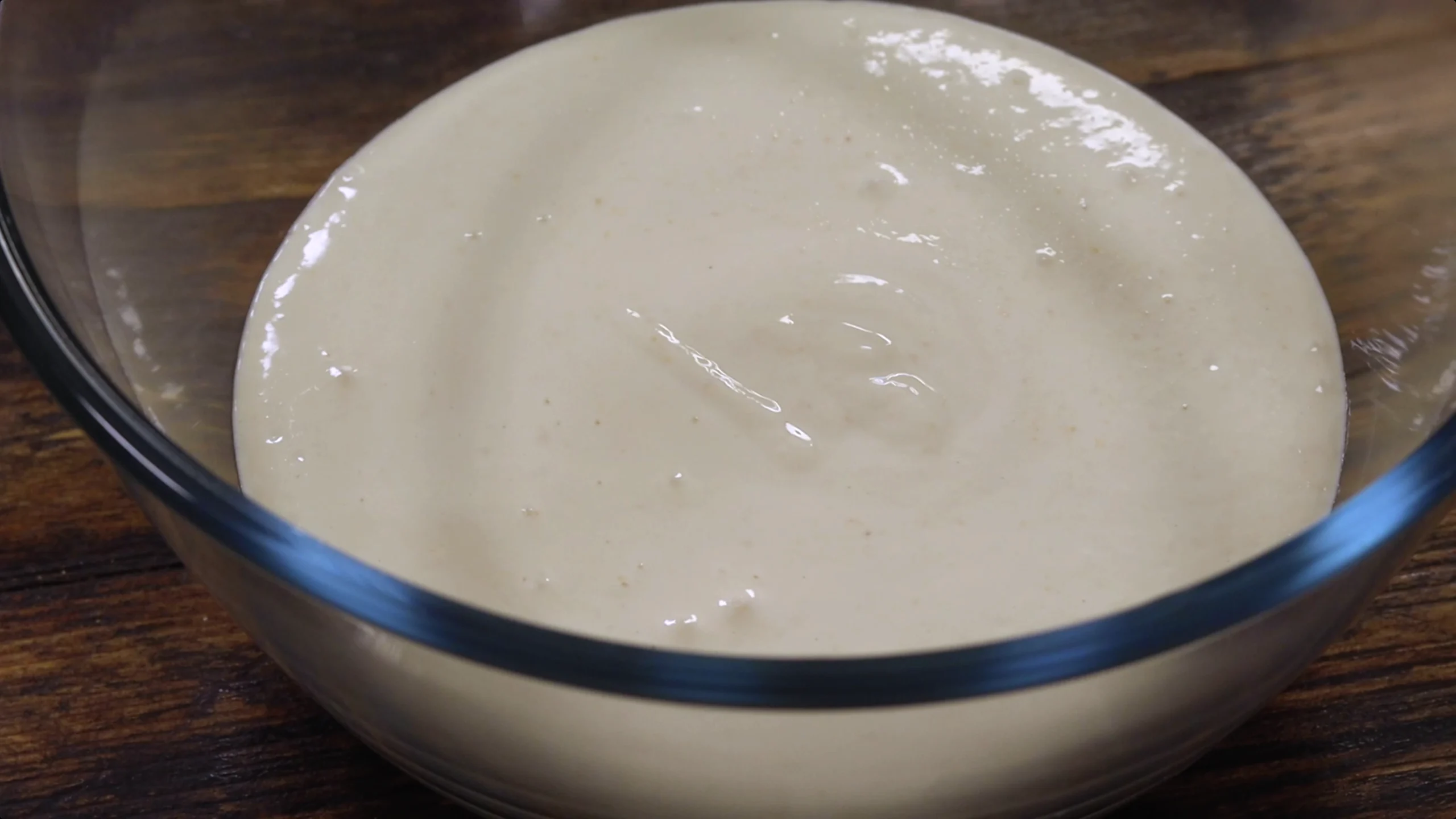 Pour the ground batter into a bowl and set aside.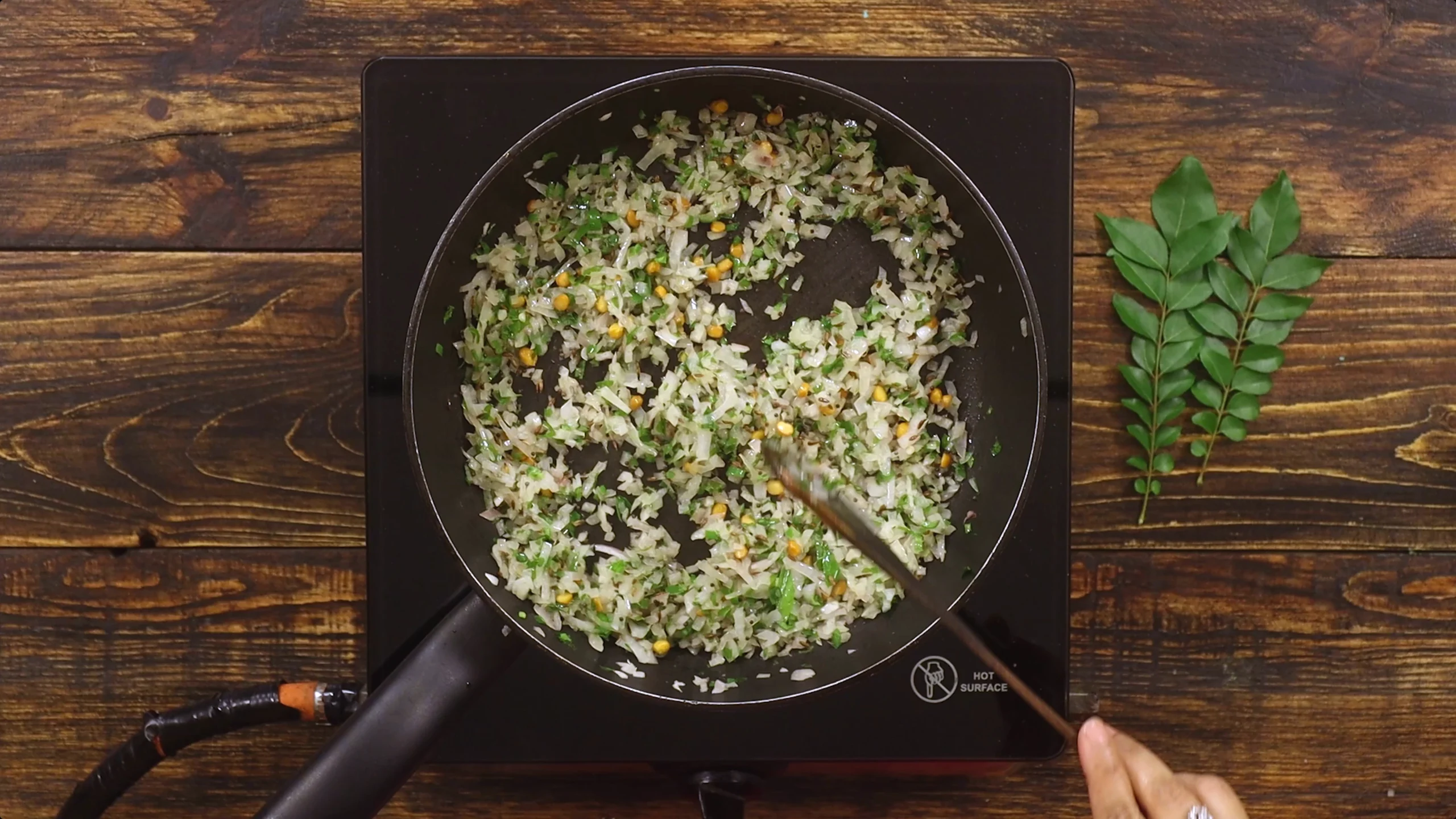
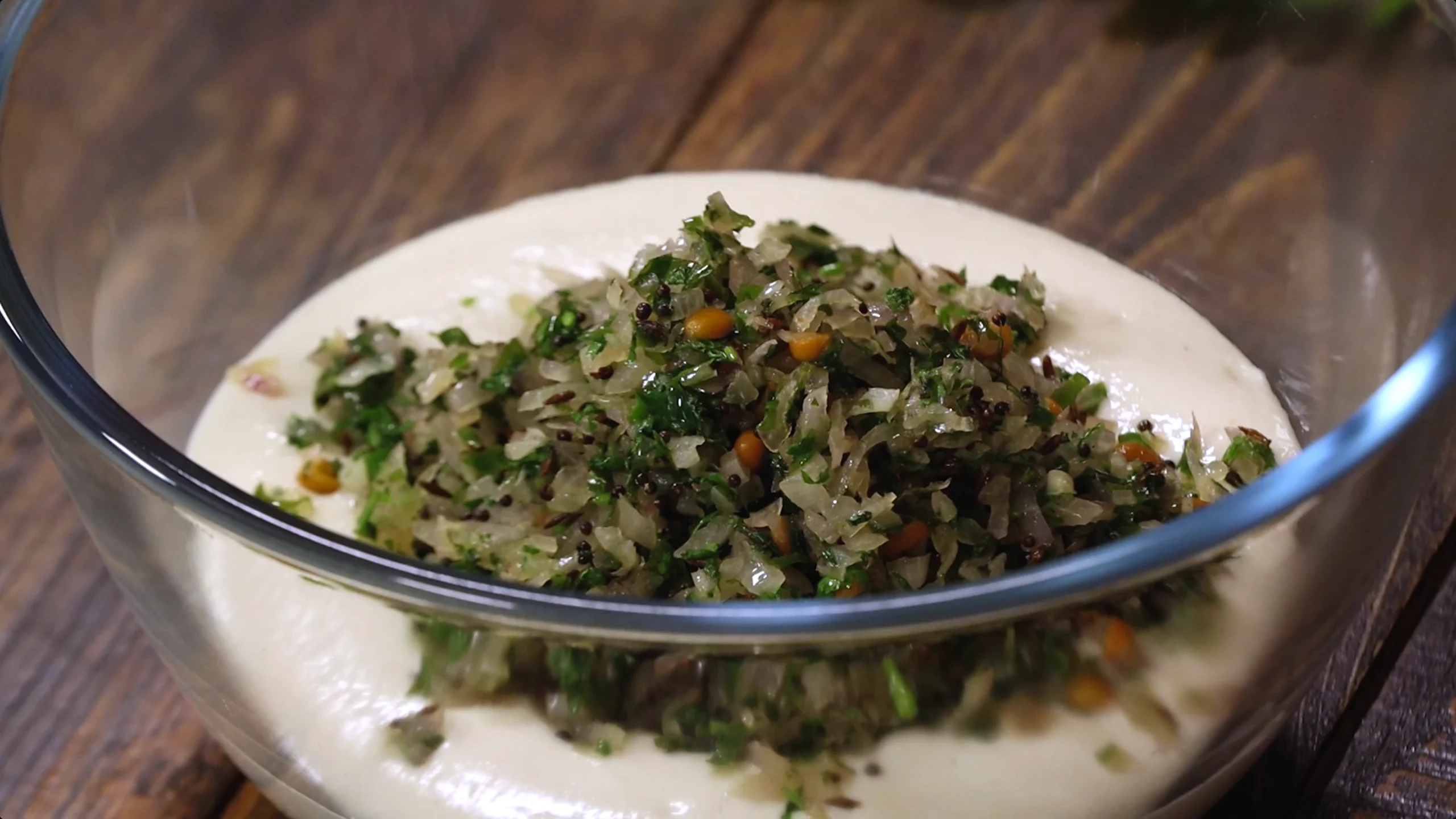 Transfer the tempering into the batter and mix.
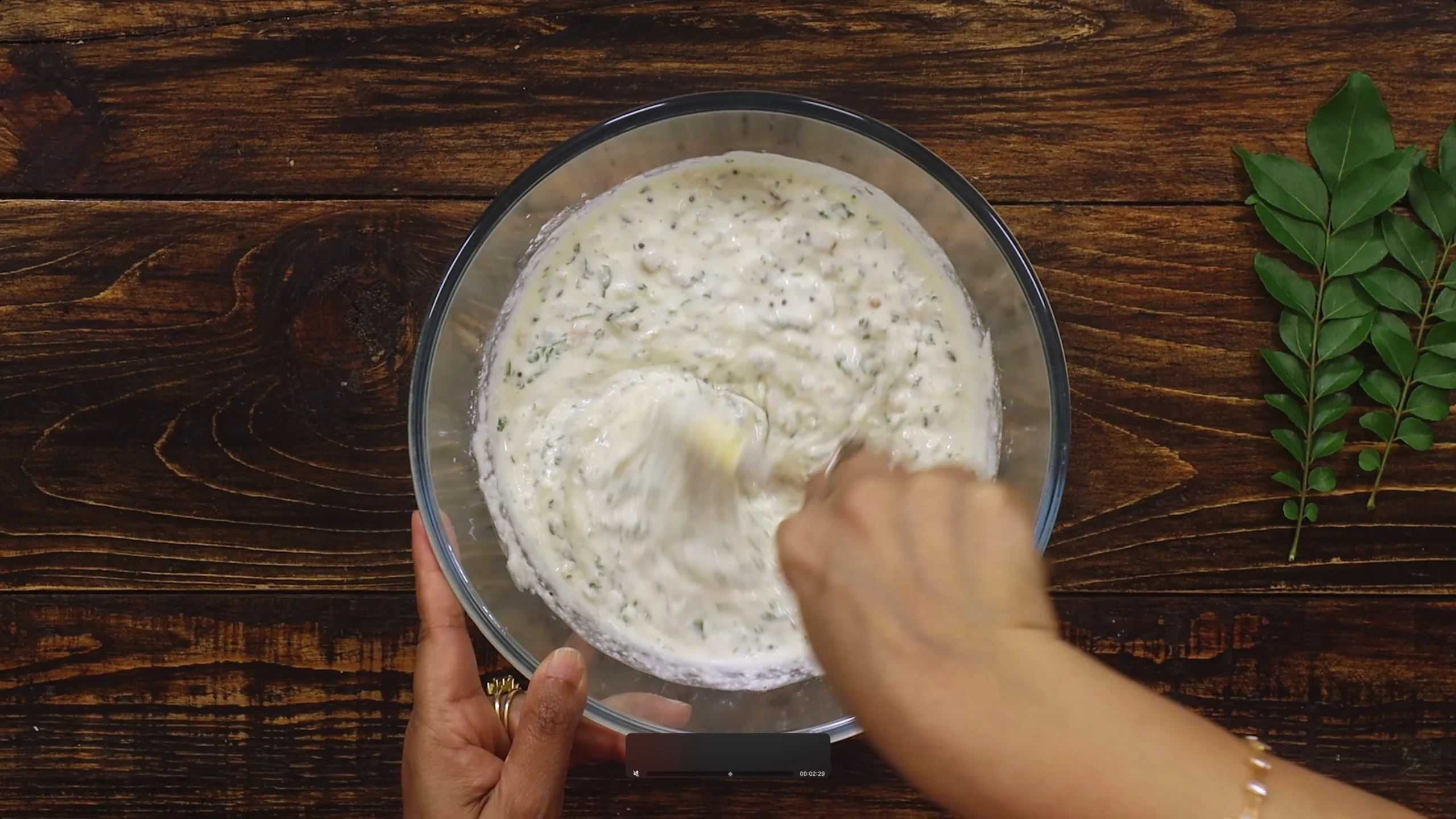 Add a pinch of baking soda and give it a final mix.
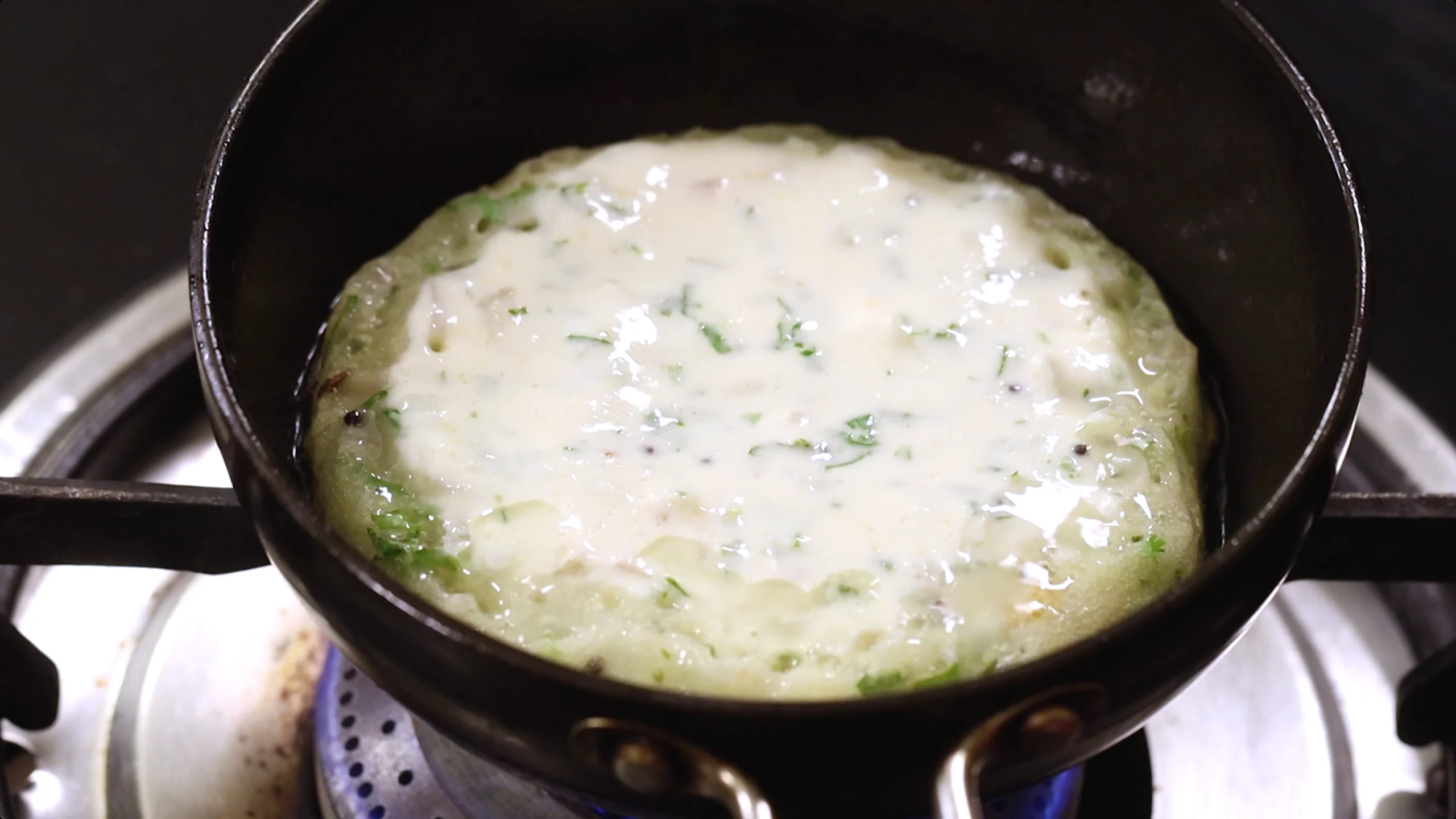 Heat a pan, pour some oil, and spread the batter thickly.
 Flip and cook the other side.