

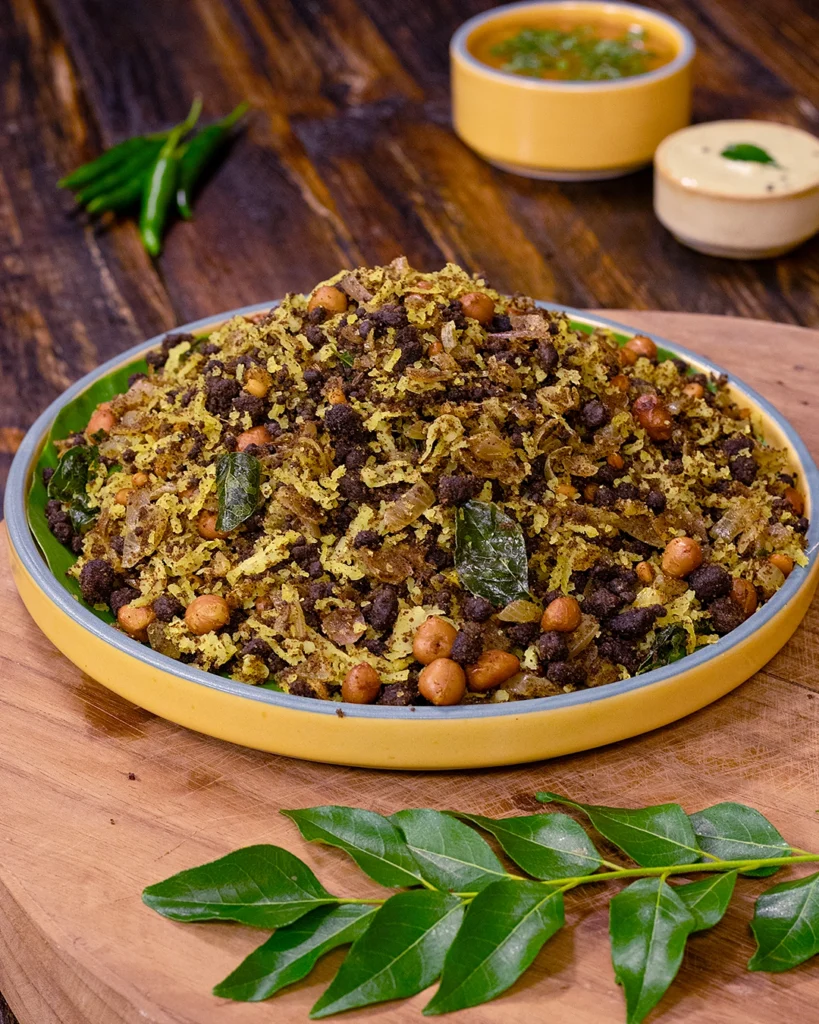

There’s something wonderfully grounding about ragi upma—the nutty, earthy flavor of finger millet combined with the crunch of roasted peanuts and dals, the warmth of ginger and green chilies, and the subtle sweetness of coconut all coming together in a bowl of pure comfort. This isn’t your typical semolina upma; this is the nutritional upgrade that doesn’t compromise on taste. Made with sprouted ragi flour that’s been steamed and then tempered with aromatic spices, each spoonful delivers complex texture—soft yet slightly grainy from the ragi, crunchy from the nuts and dals, fresh from the coconut—and that characteristic millet earthiness that’s both satisfying and wholesome.
Ragi upma is the breakfast champions eat—packed with calcium, iron, and fiber, naturally gluten-free, and substantial enough to keep you energized for hours. It’s perfect for health-conscious folks looking for alternatives to refined flours, ideal for anyone managing diabetes since ragi has a low glycemic index, and wonderful for children who need nutrient-dense meals. Serve it with coconut chutney or just a squeeze of lemon, and you’ve got a meal that nourishes body and soul.
The Story Behind This Nutritious Classic
Ragi, also known as finger millet or nachni, has been cultivated in India and Africa for thousands of years. In Karnataka and parts of South India, ragi is a dietary staple—used in everything from dosas to rotis to porridges. Its nutritional profile is exceptional: rich in calcium (more than milk!), packed with iron, high in fiber, and containing amino acids that are rare in other grains. For generations, it’s been considered a strength-building food, traditionally given to growing children, pregnant women, and the elderly.
Ragi upma represents the modern adaptation of traditional millet cooking—making it accessible and delicious for everyday meals. The technique of steaming the ragi flour first before mixing it with the tempering is brilliant—it prevents lumps, ensures even cooking, and creates that perfect crumbly texture that defines good upma. Using sprouted ragi flour takes it even further, making the nutrients more bioavailable and easier to digest while adding a subtle sweetness and nutty depth that regular ragi flour doesn’t have.
Breaking Down Your Flavor Builders
- Water – For mixing with ragi flour to the right consistency before steaming.
- Oil – Your cooking medium for the tempering and for greasing the steaming plate.
- Chana Dal – Adds nutty crunch and protein when roasted golden.
- Urad Dal – Roasted until golden, it contributes textural contrast and subtle earthiness.
- Peanuts – Roasted peanuts add crunch, protein, and that characteristic South Indian flavor.
- Mustard Seeds – The foundation of South Indian tempering—sharp, slightly bitter, and essential.
- Cumin Seeds – Warm, earthy base notes that ground all the other flavors.
- Hing (Asafoetida) – Just a pinch adds savory depth and aids digestion—particularly good with millet-based dishes.
- Curry Leaves – The aromatic soul that makes it authentically South Indian—fresh, citrusy, and irreplaceable.
- Ginger – Finely chopped for warming spice and digestive benefits.
- Onion – Finely chopped and sautéed until translucent, adding sweetness and body.
- Green Chilli – Slit lengthwise for heat that’s present but not overwhelming, and easy to remove if needed.
- Turmeric Powder – Golden color, earthy warmth, and anti-inflammatory benefits.
- Salt – Essential for bringing out all the flavors.
- Coconut (Grated) – Fresh coconut adds moisture, subtle sweetness, and that characteristic South Indian touch.
- Ghee – The final flourish that adds richness and that irresistible aroma.
- Ragi Flour (Sprouted) – Your nutritional powerhouse base—earthy, nutty, and packed with minerals and fiber.
How This All Comes Together
Start with your prep work so everything’s ready when you need it. Finely chop your ginger into tiny pieces—you want it distributed evenly throughout so every bite has that warming ginger flavor. Slit your green chilies lengthwise; this allows them to release their heat gradually without overwhelming the dish, and makes them easy to spot and remove if someone doesn’t want the heat. Finely chop your onion—small pieces cook quickly and integrate better into the upma. If you’re using fresh coconut, grate it finely; if using frozen, thaw it completely.
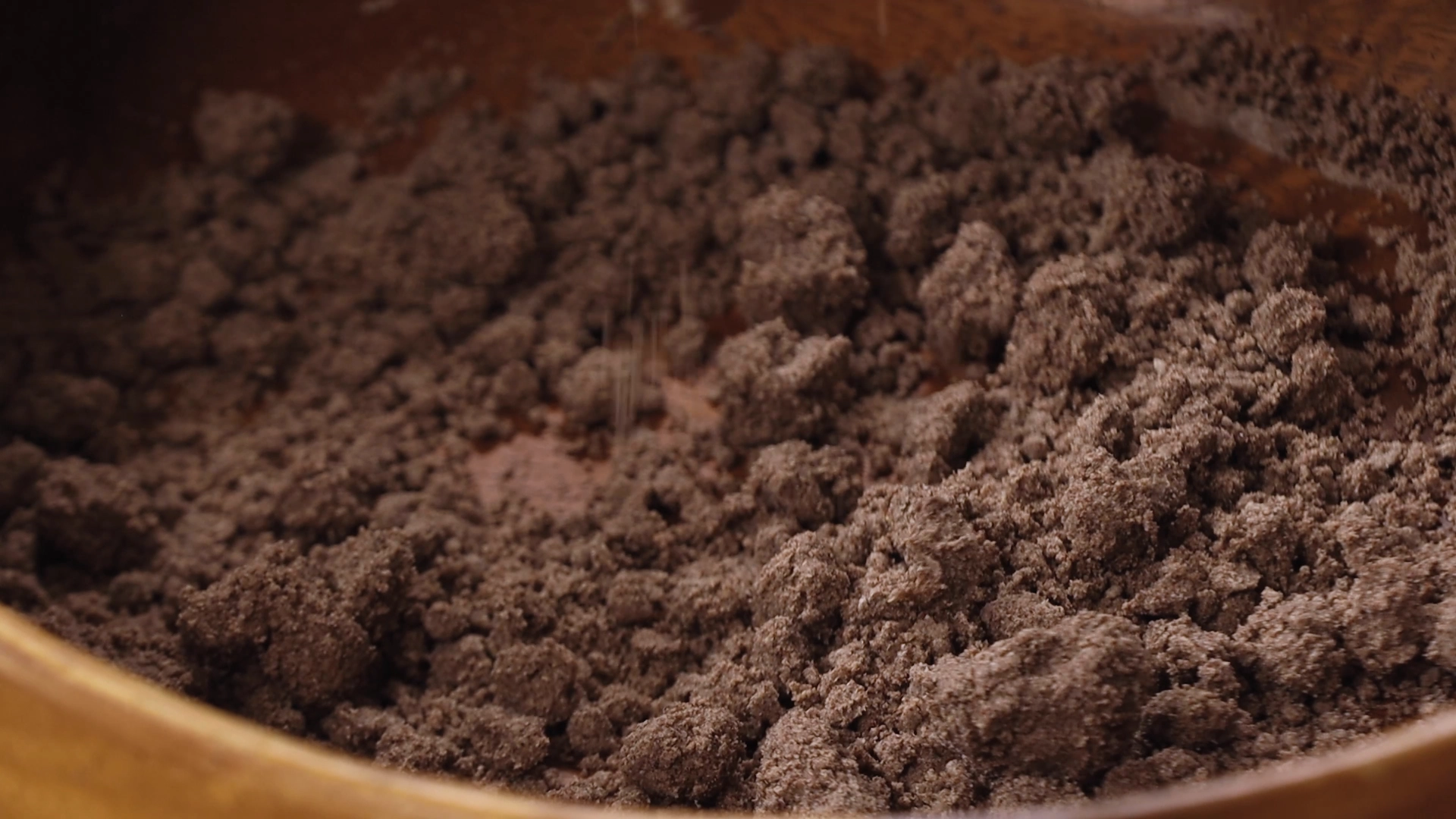
Now let’s prepare the ragi flour. In a bowl, add your sprouted ragi flour and gradually mix in water. You don’t want it to become a wet paste—add water little by little, mixing with your hands or a spoon, until the flour reaches a crumbly texture. Think of it like wet sand that holds together when pressed but isn’t mushy. This consistency is crucial for good upma texture.
💡 Pro Tip: The key to lump-free ragi upma is in this mixing stage. Add water gradually and mix thoroughly, breaking up any lumps as you go. The mixture should be moist and crumbly, not wet or sticky.
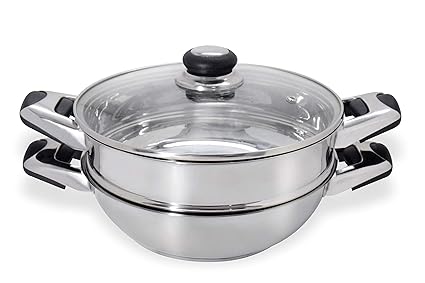
Apply some oil to your steamer plate—this prevents the ragi from sticking. Spread the moistened ragi flour evenly on the plate in a thin layer. Get your steamer going with boiling water and place the plate inside. Steam cook for 10 minutes. This pre-steaming is what makes ragi upma work—it cooks the flour evenly and creates that characteristic crumbly texture. After steaming, set it aside and let it cool slightly.
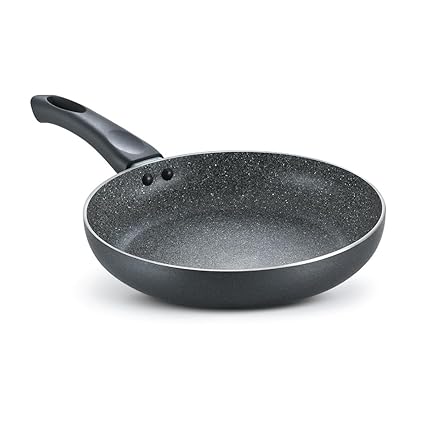
Heat oil in a pan over medium heat. Add your chana dal, urad dal, and peanuts. Roast them together, stirring constantly, until they all turn golden brown and aromatic. This takes about 3-4 minutes. Watch carefully—they go from golden to burnt quickly. The roasting brings out nutty flavors and creates that wonderful crunch.
💡 Pro Tip: Roasting the dals and peanuts properly is crucial for texture and flavor. They should be golden, not pale or burnt. The sound will change from sizzling to crackling when they’re done, and you’ll smell that toasted, nutty aroma.
Add your mustard seeds and cumin seeds to the pan. Let them crackle and pop—about 30 seconds. Add a pinch of hing, a generous handful of curry leaves (they’ll sizzle beautifully), and your finely chopped ginger. Sauté everything together until the ginger is fragrant and the curry leaves are crispy—about a minute.
Add your finely chopped onion, slit green chilies, turmeric powder, and salt. Mix everything together and cook until the onions turn translucent and soft—about 5-7 minutes. The onions should be cooked through but not browned. The turmeric will give everything a lovely golden color.
Stir in your grated coconut and mix well. The coconut adds moisture and flavor, and helps everything come together. Let it cook for a minute so the coconut releases its flavor into the mixture.
Now add your steamed ragi flour. Break it up gently as you add it, mixing it thoroughly with the tempered vegetables and spices. Use a gentle folding motion to incorporate everything without crushing or mashing the ragi. The mixture should be crumbly and well-mixed, with the ragi evenly coated with the tempering and vegetables distributed throughout. Taste and adjust the seasoning if needed—this is your last chance to get the salt and spice levels right.
💡 Pro Tip: When mixing the steamed ragi with the tempering, be gentle but thorough. You want everything evenly distributed without turning it into a mushy paste. A light folding motion works better than aggressive stirring.
Add a teaspoon of ghee and give the upma one final quick mix. The ghee adds richness and that irresistible aroma that makes everything taste better. Turn off the heat—your ragi upma is ready.
🌿 Vegan Swap: This recipe is already vegetarian, but to make it vegan, simply skip the ghee at the end or replace it with coconut oil. The rest of the recipe is completely plant-based!
What Goes Along With Ragi Upma
Ragi upma pairs beautifully with coconut chutney—the creamy coolness complements the earthy ragi perfectly. A spicy tomato chutney or groundnut chutney adds tangy, nutty notes. Some people enjoy it with just a squeeze of fresh lemon juice, which brightens all the flavors. A cup of hot filter coffee or masala chai alongside makes it a complete South Indian breakfast. For a more substantial meal, serve with a simple vegetable curry or sambar.
- Peanut Chutney
- Tomato Mint Chutney
- Mango Coconut Chutney
- Tomato Peanut Chutney
- Onion Chutney
- Spicy Mint Chutney
- Raw Mango Chutney
- Toor Dal Chutney
- Bombay Chutney
How to Serve
Serve ragi upma hot, freshly made and steaming. Transfer it to individual bowls or plates, shaping it gently with a spoon rather than packing it down. Garnish with a few extra curry leaves, a drizzle of ghee, or some fresh grated coconut on top if you like. Serve your chutney in a small bowl on the side. A wedge of lemon on the plate lets people add a squeeze if they want that extra tang.
How to Store
Ragi upma stores well in an airtight container in the refrigerator for 2-3 days. Like most upmas, it tends to dry out and become firmer when cold, but that’s easily fixed when reheating. The tempering might lose some of its crunch, but the flavor remains good.
How to Reheat Ragi Upma
Reheat ragi upma in a microwave with a splash of water to restore moisture—cover and heat for 1-2 minutes, stirring halfway through. You can also reheat on the stovetop in a pan with a tiny bit of water or oil, stirring gently until warmed through. The microwave is faster, but stovetop gives better texture. Don’t reheat on high heat or it will dry out even more.
Common Substitutions
If you can’t find sprouted ragi flour, regular ragi flour works fine—the flavor will be slightly more earthy and less sweet, but still delicious.
No fresh coconut? Use frozen grated coconut or even desiccated coconut (unsweetened)—just use less since it’s more concentrated.
You can replace peanuts with cashews or omit them entirely if there are allergies.
No chana dal or urad dal? Just use more of one or the other, or skip them and use extra peanuts for crunch.
Any oil works—coconut oil is particularly good with ragi.
Packing for Parties / Bulk Preparation
While ragi upma is traditionally a breakfast dish made fresh, it can be prepared for bulk serving. You can steam the ragi flour ahead of time and refrigerate it, then just do the tempering and mixing when you’re ready to serve. This speeds up the process significantly.
For gatherings or potlucks, keep the upma warm in an insulated container or serve it at room temperature—it’s actually quite good even when not piping hot. Make the tempering extra flavorful with generous amounts of curry leaves, ginger, and coconut since these dishes are often served without accompaniments at large gatherings.
Meal Prep Ideas for This High-Fiber Millet Breakfast
Ragi upma is excellent for meal prep, especially for health-conscious folks looking for nutritious, quick breakfasts. You can pre-steam the ragi flour in bulk on the weekend and store it in the refrigerator for up to 3-4 days. Then each morning, just do a quick tempering and mix it in—breakfast ready in under 10 minutes.
You can also prepare the entire upma and portion it into individual containers for grab-and-go breakfasts through the week. Just add a splash of water when reheating to restore the texture.
For variety, try different add-ins each time—one day add grated carrots and peas for vegetable upma, another day add lemon juice for a tangy version, or mix in some roasted sesame seeds for extra nutrition and crunch. The basic technique stays the same, but varying the vegetables and seasonings keeps things interesting.
Ragi upma also makes a surprisingly good post-workout meal—it’s high in protein and complex carbs, easy to digest, and provides sustained energy. Athletes and fitness enthusiasts often turn to millets like ragi for their nutritional profile and low glycemic index.
For kids who might be hesitant about the earthy millet flavor, you can mix half ragi flour and half semolina to ease them in, then gradually increase the ragi proportion as they get used to it. You can also shape cooled upma into small balls or patties and shallow fry them—kids love eating with their hands, and the crispy exterior makes it more appealing.
The beauty of ragi upma is that it proves healthy food doesn’t have to be boring or bland. With proper tempering and seasoning, this nutritional powerhouse becomes something you actually crave, not just something you force yourself to eat. It’s wholesome comfort food that happens to be incredibly good for you—the best of both worlds.
Other Related Recipes You Might Like:-
- Vegetable Oats Upma For Weight Loss — wholesome vegetable-packed oats upma, perfect for weight management.
- Jowar Upma — nutritious jowar upma with a healthy twist.
- Lemon Upma Andhra Style Rava Pulihora — tangy Andhra-style lemon-flavoured rava upma.
- Semiya Upma Vermicelli Upma — light and quick vermicelli upma, perfect for breakfast.
Ragi Upma
Description
Ragi Upma is a nutritious twist on the classic South Indian breakfast, transforming finger millet (ragi) flour into a savory, hearty porridge. Toasted mustard seeds and urad dal in hot oil release their nutty aroma, then curry leaves, chopped green chilies, and ginger add bright, spicy notes. Stirring in onions and diced vegetables—like carrots, peas, and bell peppers—creates a colorful, textural base before whisking in ragi flour with water to form a smooth, lump‑free mixture. As the millet cooks, it thickens into a comforting, earthy‑tasting porridge, finished with a squeeze of fresh lemon juice and a sprinkle of chopped cilantro for brightness. Serve Ragi Upma piping hot, topped with toasted peanuts or grated coconut for crunch—a wholesome start to your day.
Ingredients
Instructions
Prep Work
-
Chop the ginger finely
Finely chop a small piece of fresh ginger for an even distribution of flavor throughout the upma.
-
Slit the green chillies
Slit the green chillies lengthwise for a balanced heat and easier removal if needed. -
Finely chop the onion
Peel and finely chop the onion to ensure quick and even cooking during sautéing. -
Grate the fresh coconut
If using whole coconut, grate it finely for better blending with the ragi mixture.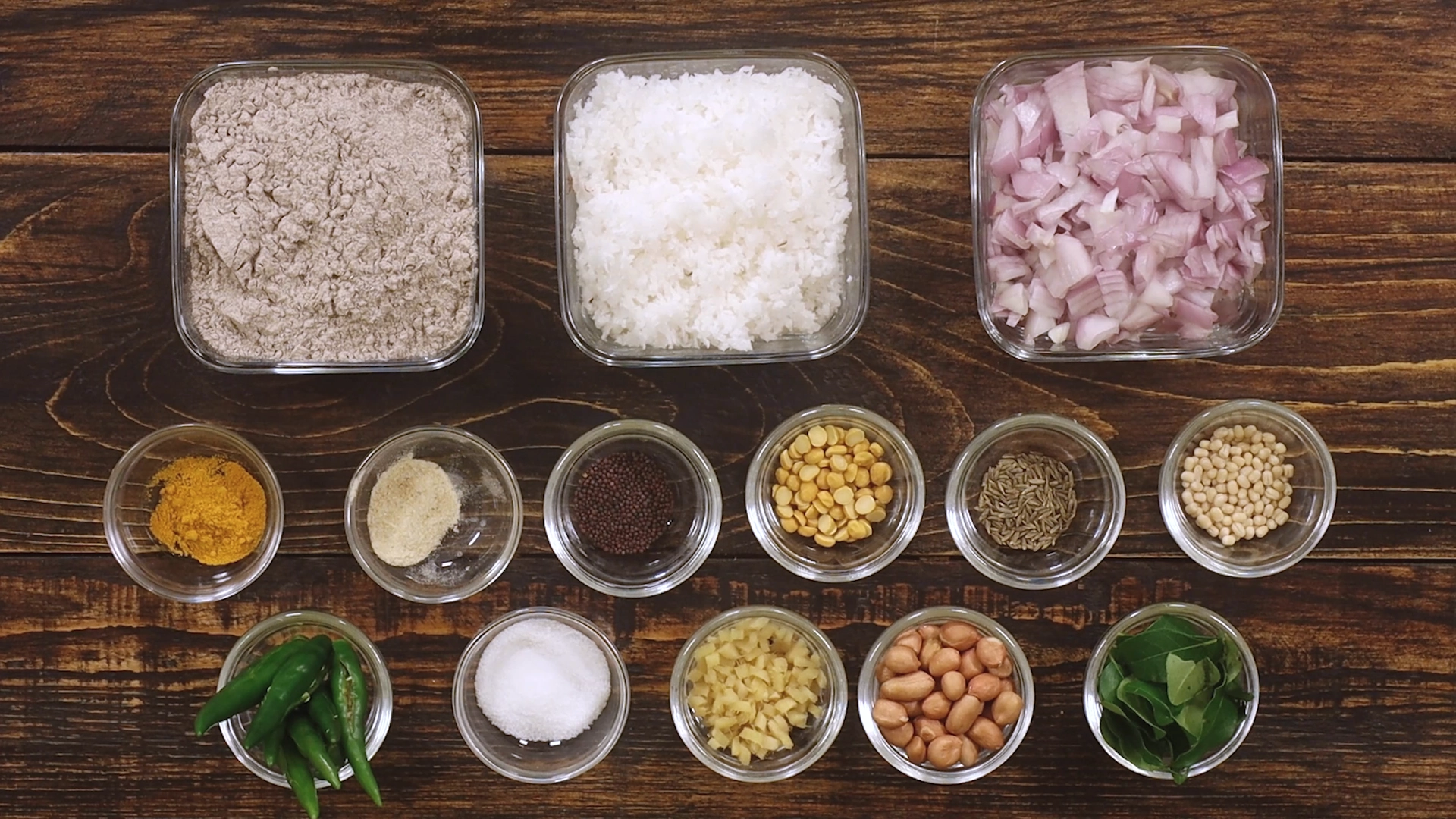
Method
-
Prepare the ragi flour mixture
In a bowl, mix sprouted ragi flour with water gradually until it reaches a crumbly texture
-
Steam the ragi flour
To a steamer plate, apply some oil, and spread out the ragi flour evenly.and steam cook for 10 minutes. Set aside after steaming.
-
Temper the spices
Heat oil in a pan, add chana dal, urad dal, and peanuts. Roast until golden brown. -
Add aromatic spices
Add mustard seeds, cumin seeds, hing, curry leaves, and chopped ginger. Sauté until fragrant. -
Cook onions and chillies
Add chopped onion, slit green chillies, turmeric, and salt. Mix and cook until onions are translucent. -
Add coconut and steamed ragi
Stir in the grated coconut and steamed ragi flour. Mix everything well. Check the seasoning and adjust if needed. -
Final touch with ghee
Add a teaspoon of ghee and give the upma a final quick mix. -
Serve hot
Serve the ragi upma hot for a healthy, nourishing breakfast.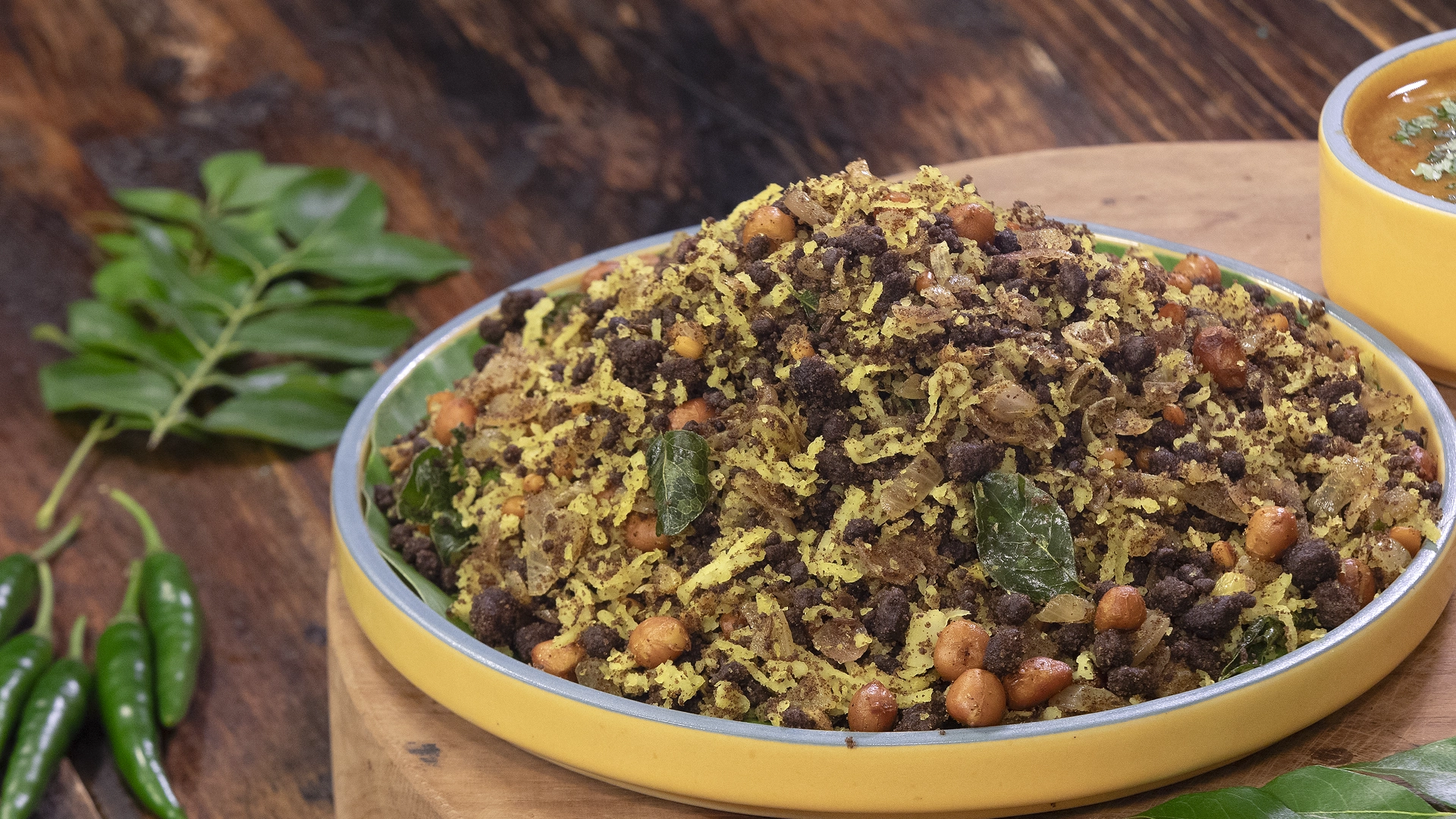
Equipment

Affiliate Disclosure: This post contains Amazon affiliate links, i.e., when you buy any product using the links below, we get commissions. but it doesn’t cost you anything extra. If you do purchase any product using the given links, we thank you in advance!
Nutrition Facts
Servings 3
- Amount Per Serving
- Calories 220kcal
- % Daily Value *
- Total Fat 10g16%
- Saturated Fat 3g15%
- Cholesterol 5mg2%
- Sodium 300mg13%
- Potassium 200mg6%
- Total Carbohydrate 25g9%
- Dietary Fiber 4g16%
- Sugars 2g
- Protein 6g12%
- Vitamin A 100 IU
- Vitamin C 5 mg
- Calcium 60 mg
- Iron 2 mg
- Magnesium 45 mg
* Percent Daily Values are based on a 2,000 calorie diet. Your daily value may be higher or lower depending on your calorie needs.