

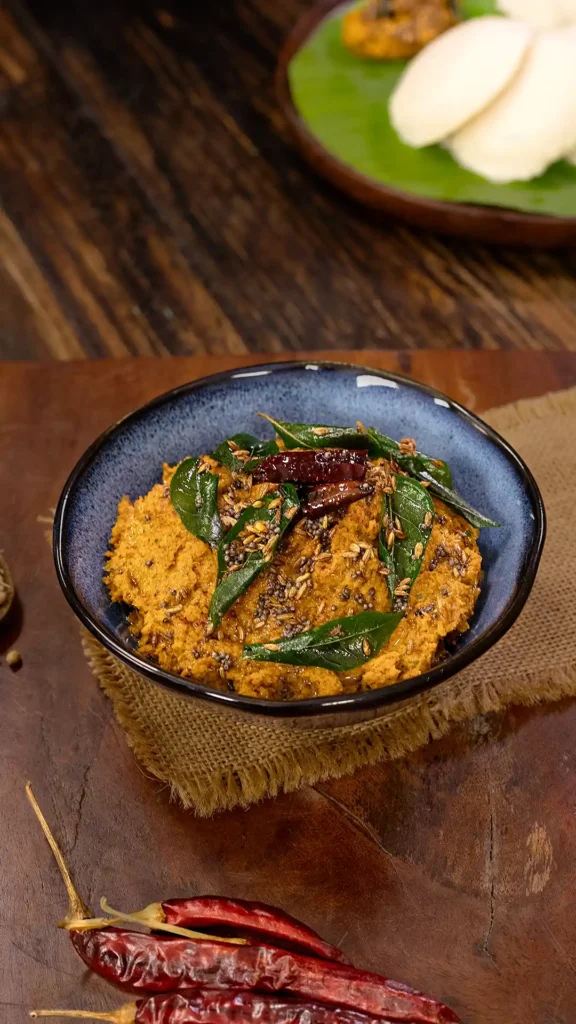

If you’ve ever opened your fridge, seen mullangi sitting there, and wondered, “What now?”, this chutney is the answer.
This Andhra-style mullangi chutney is spicy, earthy, and deeply satisfying. It doesn’t try to hide the radish. Instead, it treats it gently. A quick sauté removes that strong raw smell, and once it blends with coconut, roasted spices, and a good tempering, the chutney turns beautifully balanced and aromatic.
This is the kind of chutney that makes plain idli feel special and crispy dosa taste complete. Simple ingredients, no deep frying, and ready before your idlis even cool down.
Why Mullangi Works So Well in Chutney
Radish has a reputation. Sharp smell, strong taste, not everyone’s favourite.
But when handled correctly, it becomes something else entirely.
Here’s what makes this chutney work:
- High-flame sautéing softens radish quickly and removes rawness
- Coconut adds body and mild sweetness
- Coriander and cumin give warmth and depth
- Tamarind balances the pungency
- Tempering brings everything together with aroma
The result is a chutney that tastes bold but not harsh.
A Very Andhra Way of Cooking Radish
In many Andhra homes, radish isn’t overcooked or drowned in oil.
It’s treated simply, cooked just enough, and paired with strong but familiar spices.
This chutney follows that same thinking:
- No deep frying
- No complicated steps
- Strong flavour, but still homely
It’s the kind of chutney that feels familiar even the first time you make it.
Ingredient Notes
- Radish: Fresh, firm radish works best. Older radish tends to be bitter.
- Coconut: Fresh coconut gives the best taste, but frozen works too.
- Red chillies: Dried chillies add heat without overpowering the radish.
- Coriander & cumin seeds: Always dry roast for aroma. This step changes everything.
- Tamarind: Just a little. Too much will dominate the chutney.
- Oil: Use regular cooking oil. Tempering oil carries the aroma into the chutney.
How This Mullangi Chutney Comes Together
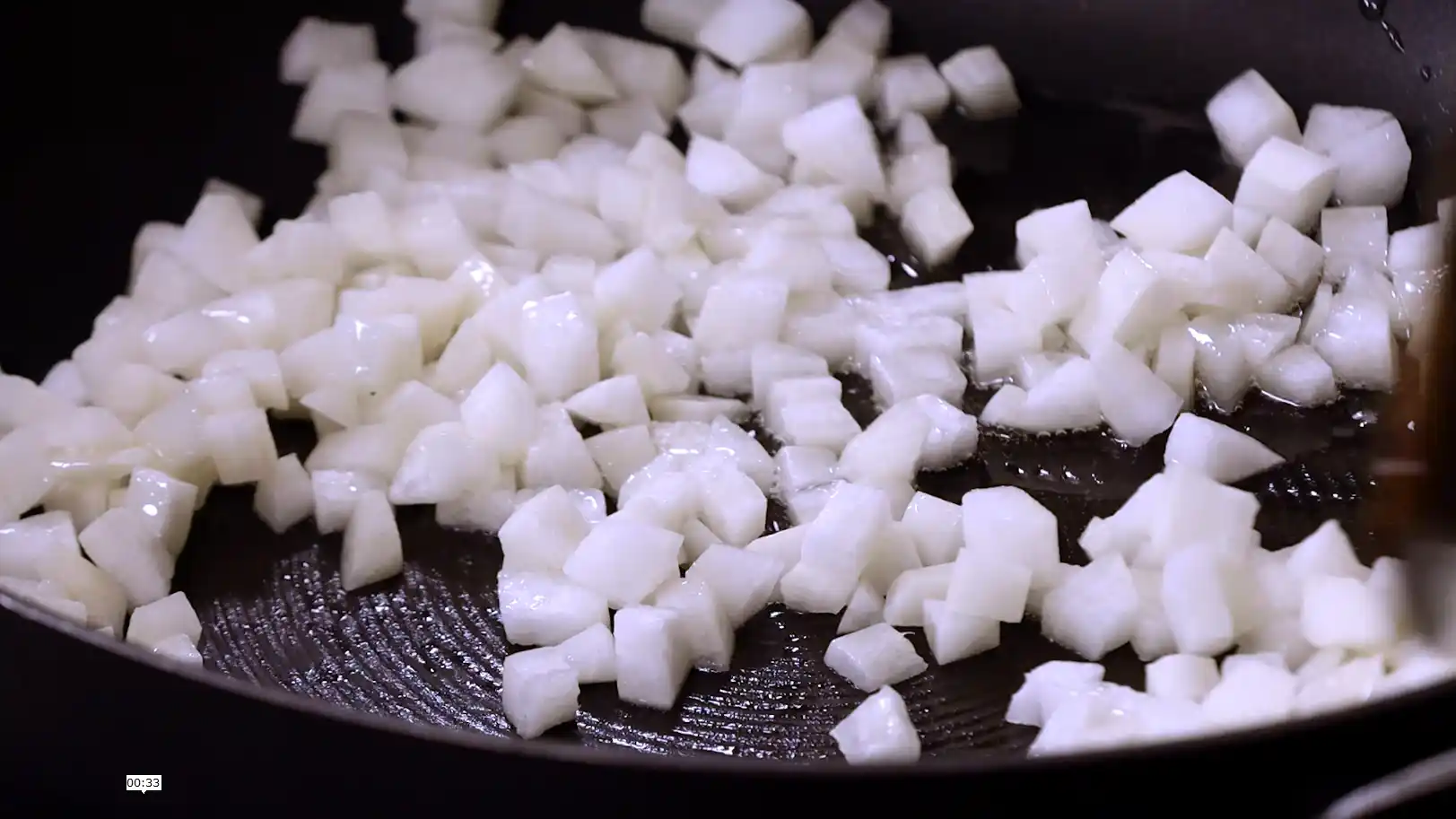
First, the radish goes into hot oil. High flame is important here. You’re not trying to brown it, just soften it and drive away that raw smell. Once it starts looking slightly tender, onions go in and cook until translucent.
Coconut, curry leaves, tamarind, salt, and a pinch of turmeric are added next. This forms the base. At this stage, the kitchen already smells comforting. Turn off the heat and let this mixture cool completely.
Separately, coriander seeds, cumin seeds, and dried red chillies are dry roasted. Not until dark- just until fragrant. These are ground into a fine powder.
Now comes the blending. The cooled radish mixture and spice powder are ground together into a slightly coarse chutney. Not too smooth. Texture matters here.
Finally, hot oil is heated for tempering. Mustard seeds crackle, cumin follows, broken red chillies, hing, and curry leaves go in. This sizzling tempering is poured directly over the chutney and mixed in.
That’s it. Simple, traditional, and full of flavour.
Pro Tip💡 : This chutney is meant to be slightly spicy. Reduce chillies only if you prefer mild chutneys.
Texture Matters More Than You Think
This chutney tastes best when:
- Slightly coarse
- Not watery
- Not paste-like smooth
That rough texture lets you taste radish, coconut, and spices separately while still feeling balanced.
What to Serve Mullangi Chutney With
This chutney pairs beautifully with:
It also works surprisingly well as a side for simple rice and ghee.
Storage & Freshness Tips
- Best consumed fresh or the same day
- Can be refrigerated for up to 24 hours
- Always bring to room temperature before serving
- Stir well before serving, as coconut-based chutneys tend to thicken
Avoid reheating. Freshness is key here.
Common Mistakes to Avoid
- Grinding the mixture while hot
- Skipping the high-flame sauté for radish
- Overusing tamarind
- Making it too smooth
Each of these changes the final taste noticeably.
Other Related Recipes You Might Like
- Mullangi Sambar – comforting radish sambar made in traditional South Indian style.
- Onion Chutney – spicy red chutney perfect with idli and dosa.
- Tomato Peanut Chutney – tangy and nutty chutney with a rich texture.
- Ridge Gourd Chutney (Andhra Pachadi) – traditional pachadi with mild sweetness and spice.
- Mint Coconut Chutney – refreshing chutney that balances strong flavours.
- Set Dosa – soft, spongy dosa that pairs beautifully with chutneys.
- Soft Bun Dosa – fluffy dosa ideal for thick chutneys.
- Idli Sambar – classic tiffin combo with chutney and sambar.
Mullangi Chutney
Description
Mullangi Chutney by Hema Subramanian is a spicy South Indian chutney made with radish, coconut, roasted spices, and tamarind. A flavorful side dish for idli, dosa, or hot rice.
Ingredients
To make radish chutney
For tempering
Instructions
Prep Work
-
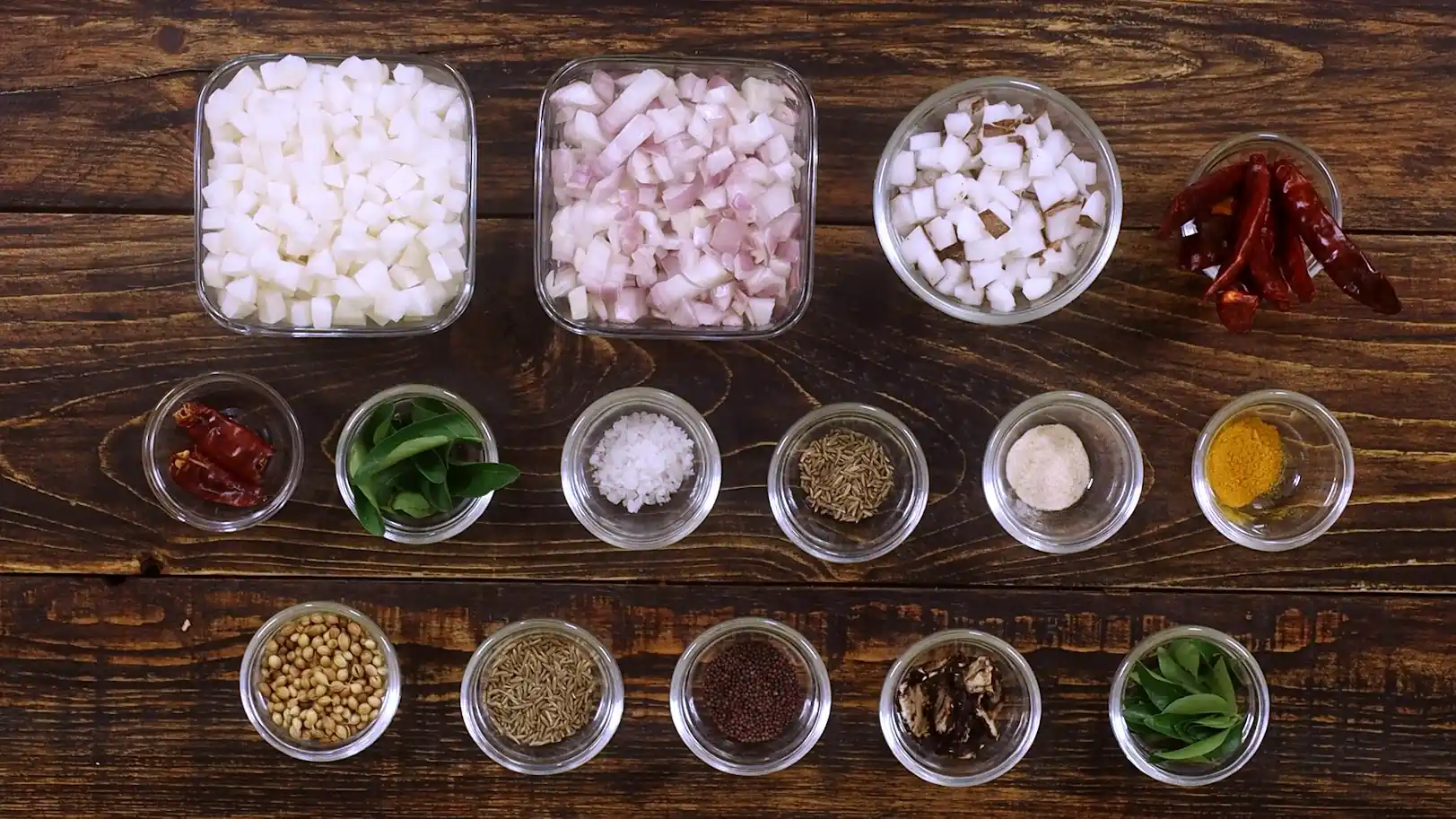
Chop radish
Wash, peel, and finely chop radish
-
Prep onion
Peel and chop onion evenly -
Grate coconut
Grate fresh coconut and keep aside -
Break chillies
Break dried red chillies into pieces -
Soak tamarind
Keep tamarind pieces ready
Method
-
Sauté radish
Heat oil and sauté radish on high flame until slightly soft
-
add onion
Add onion and cook until translucent -
Mix coconut
Add coconut, curry leaves, tamarind, salt, and turmeric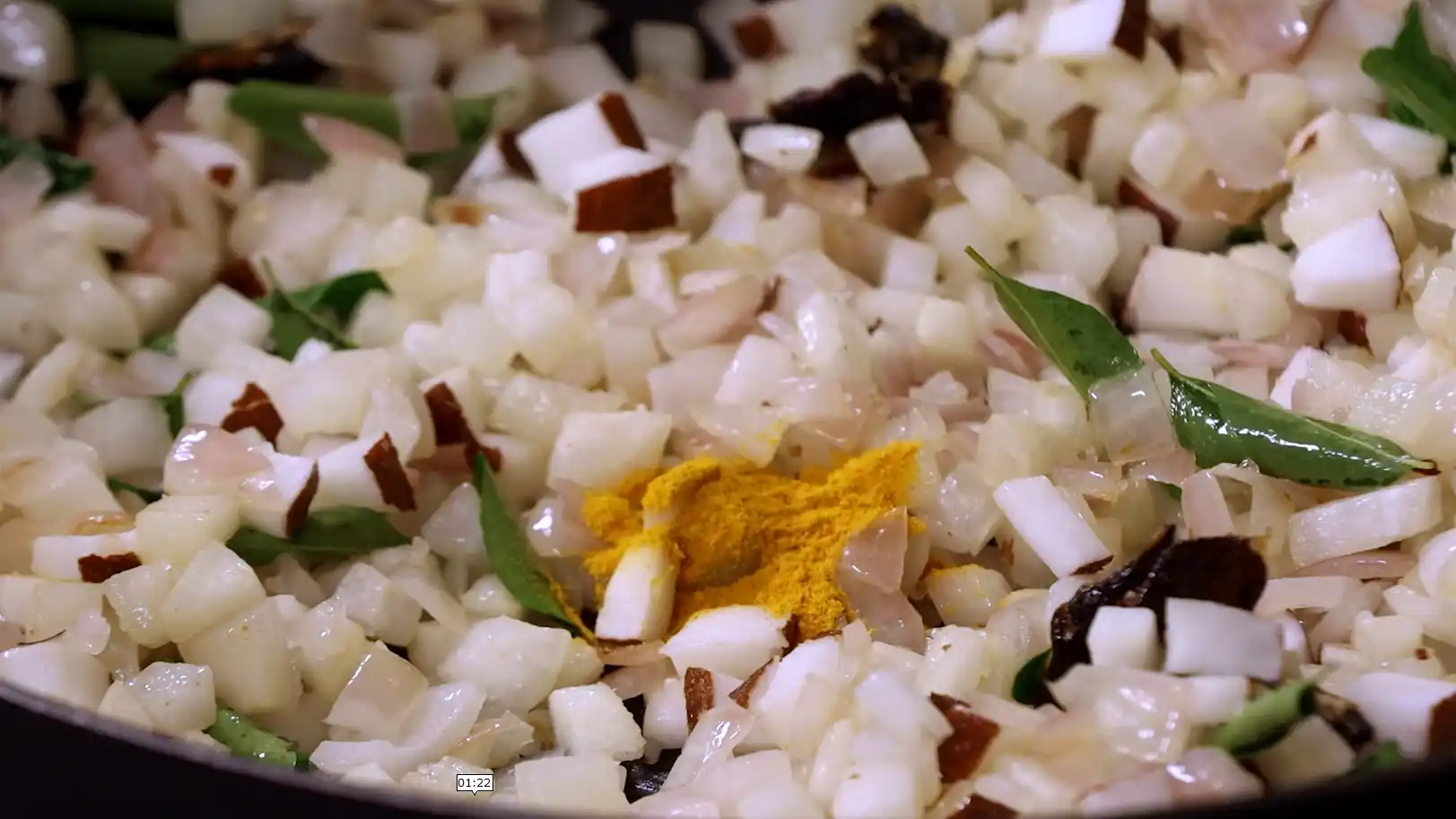
-
Cool mixture
Remove from heat and allow to cool -
Roast spices
Dry roast coriander, cumin, and red chillies until fragrant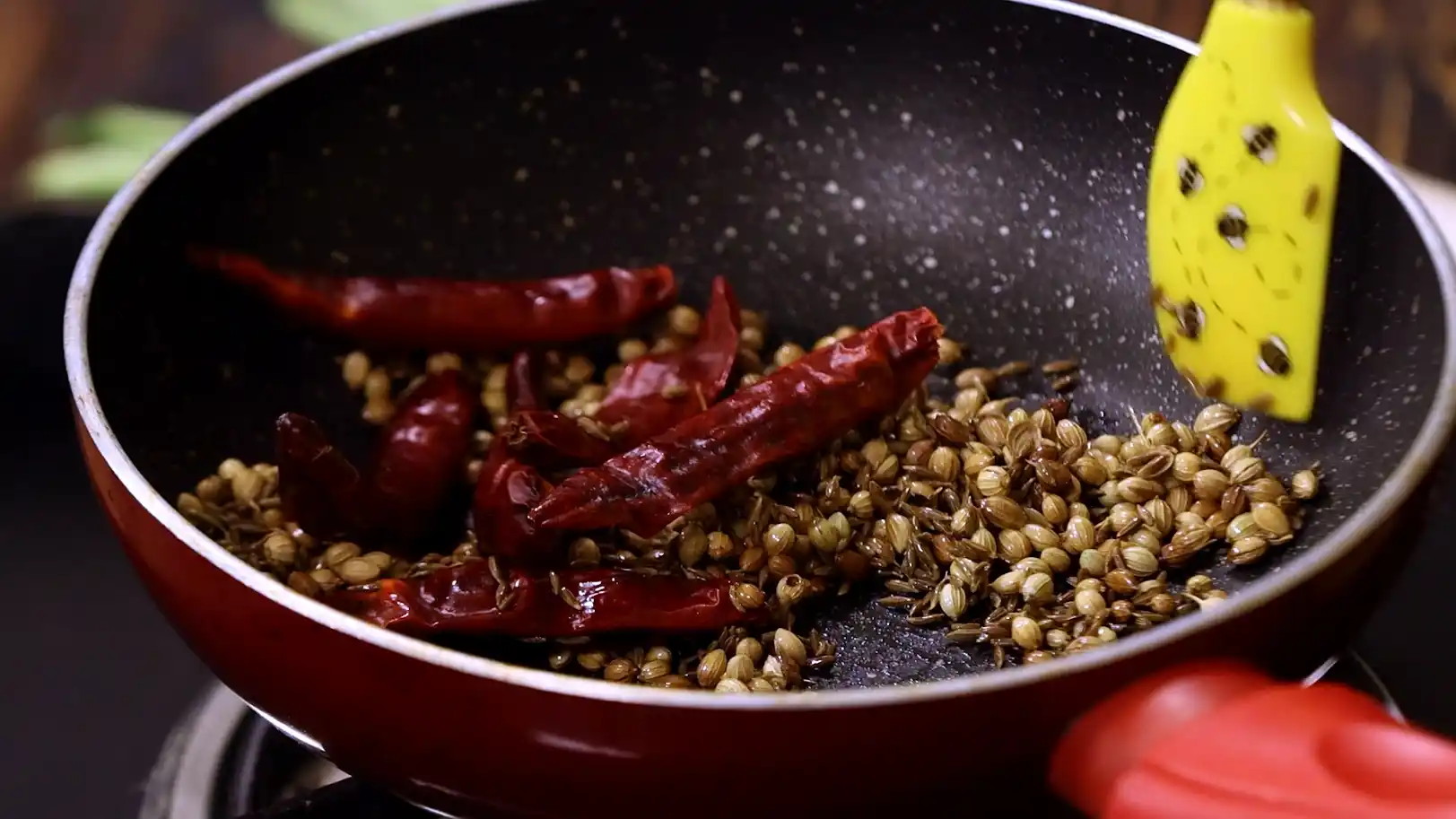
-
Grind spices
Grind roasted spices into a fine powder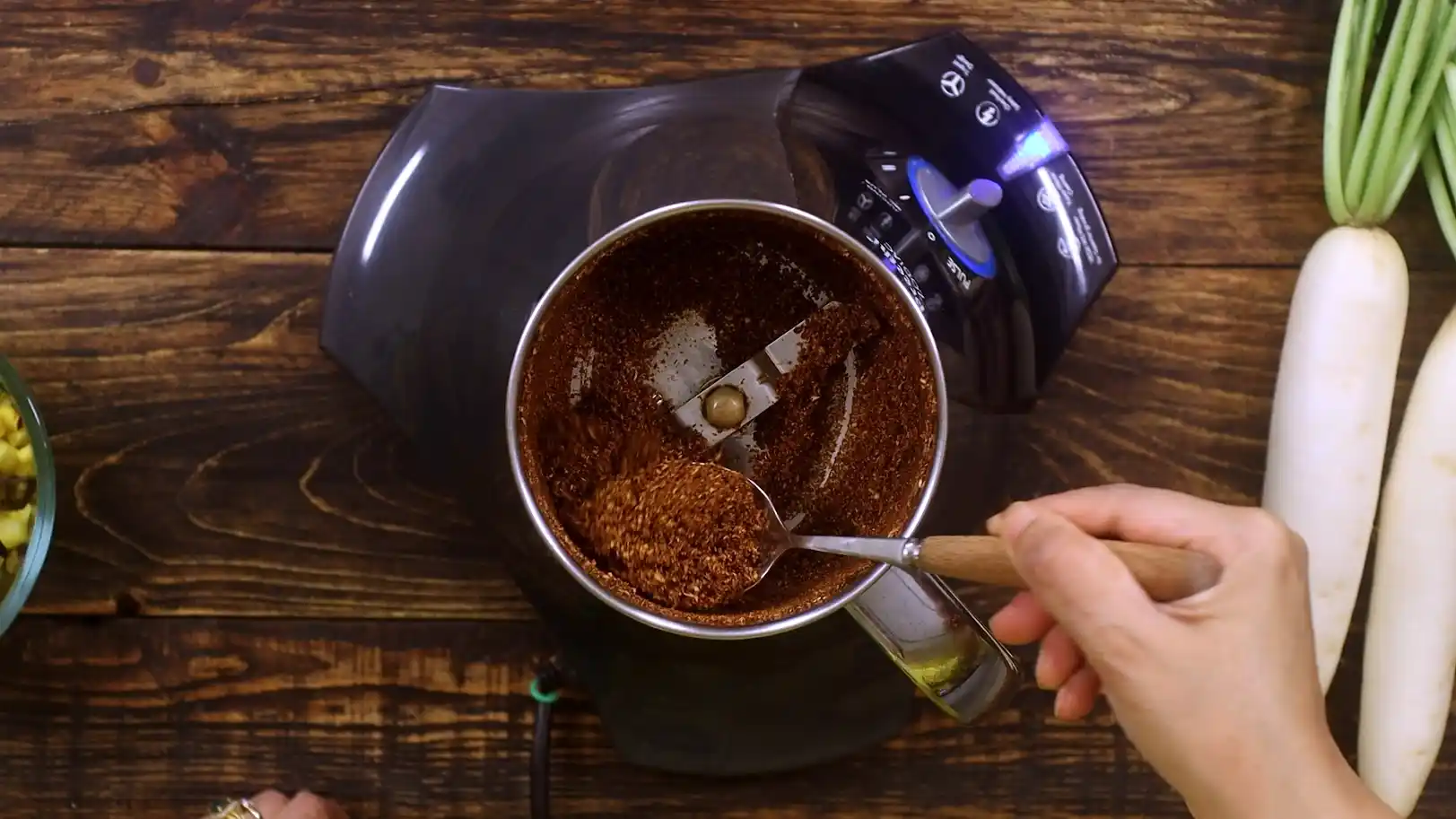
-
Grind chutney
Grind radish mixture with spice powder to coarse chutney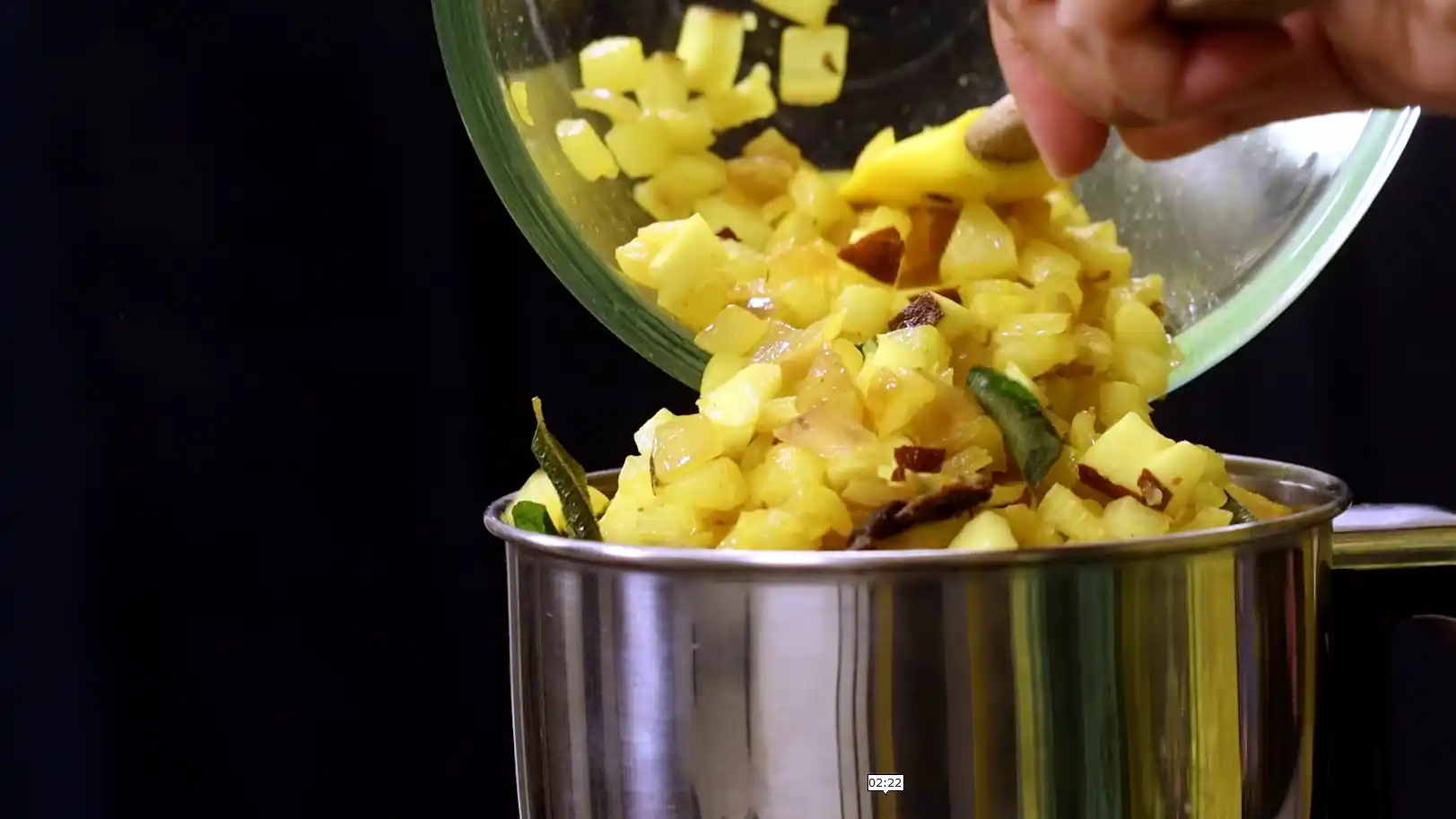
-
Prepare tempering
Heat oil and add mustard, cumin, chillies, hing, curry leaves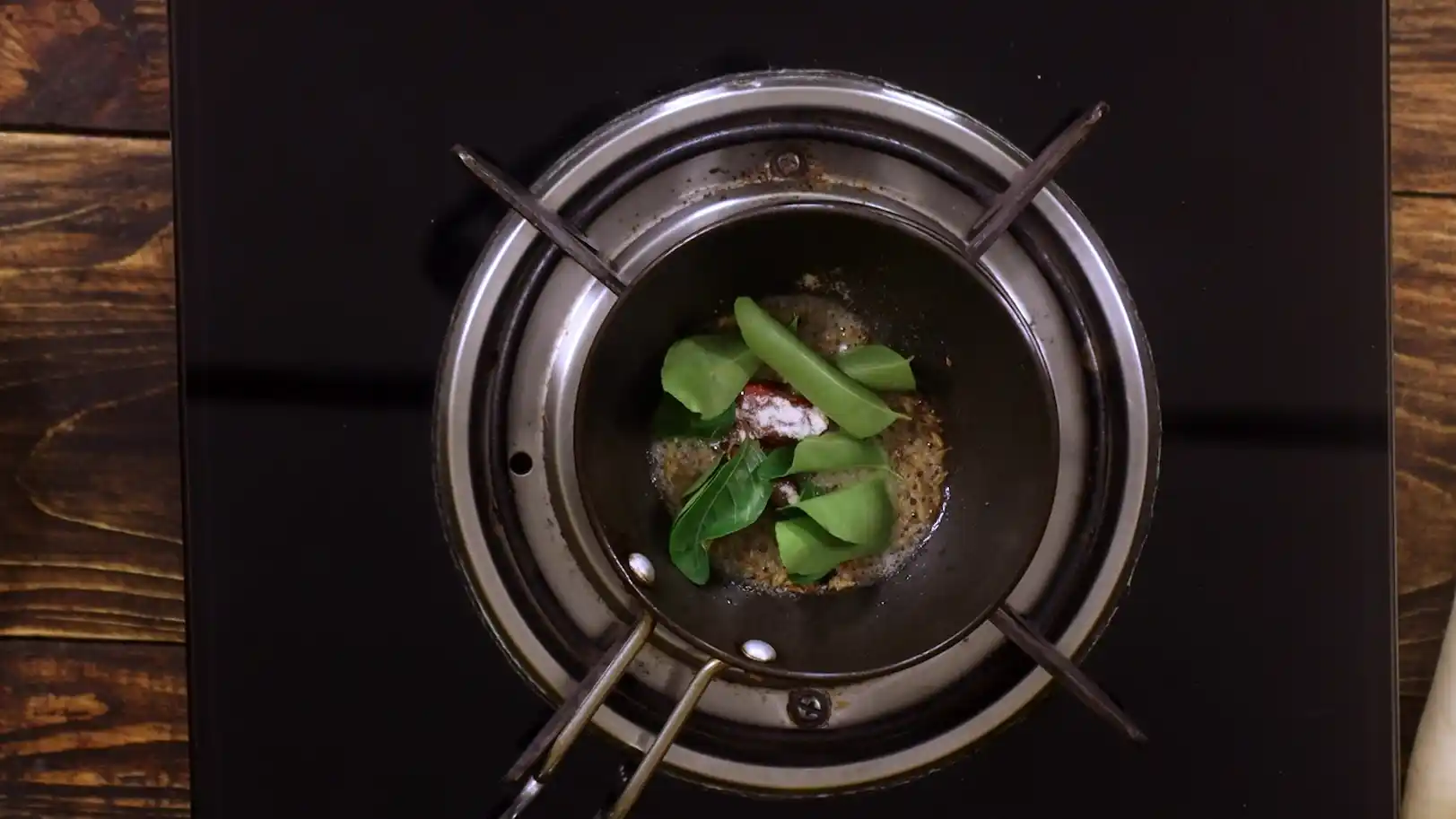
-
Finish chutney
Pour tempering over chutney and mix well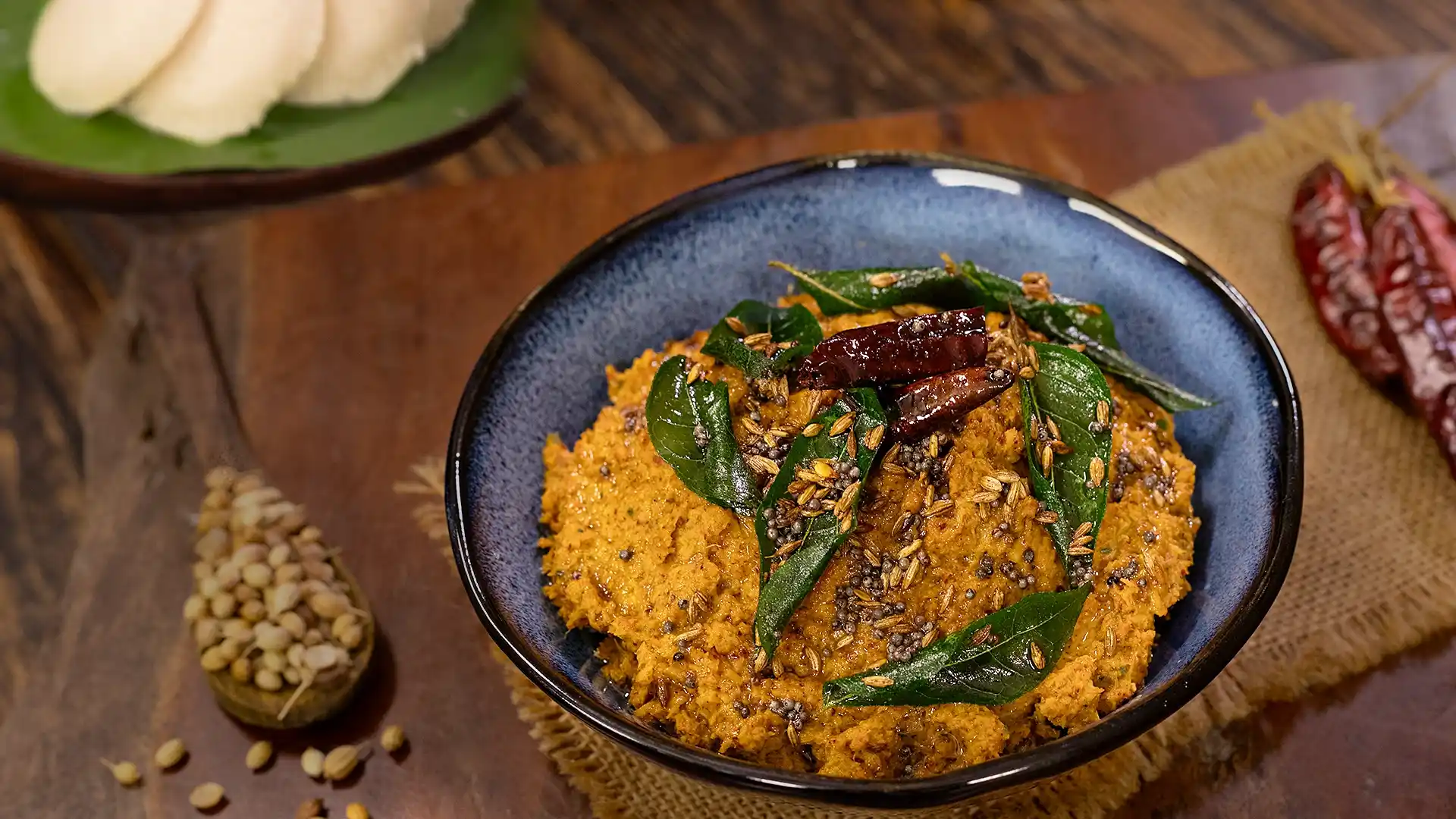
Equipment

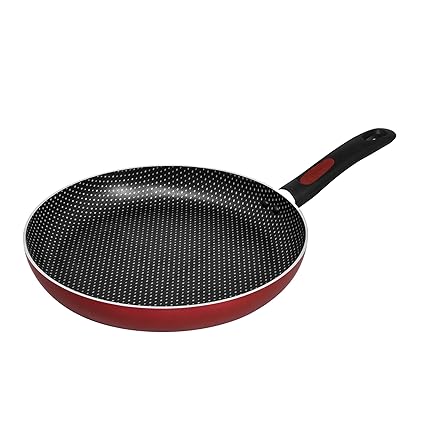
Affiliate Disclosure: This post contains Amazon affiliate links, i.e., when you buy any product using the links below, we get commissions. but it doesn’t cost you anything extra. If you do purchase any product using the given links, we thank you in advance!
Nutrition Facts
Servings 4
- Amount Per Serving
- Calories 120kcal
- % Daily Value *
- Total Fat 7g11%
- Saturated Fat 3g15%
- Sodium 240mg10%
- Potassium 280mg8%
- Total Carbohydrate 11g4%
- Dietary Fiber 3g12%
- Sugars 4g
- Protein 2.5g5%
- Vitamin C 18 mg
- Calcium 55 mg
- Iron 1.2 mg
* Percent Daily Values are based on a 2,000 calorie diet. Your daily value may be higher or lower depending on your calorie needs.