

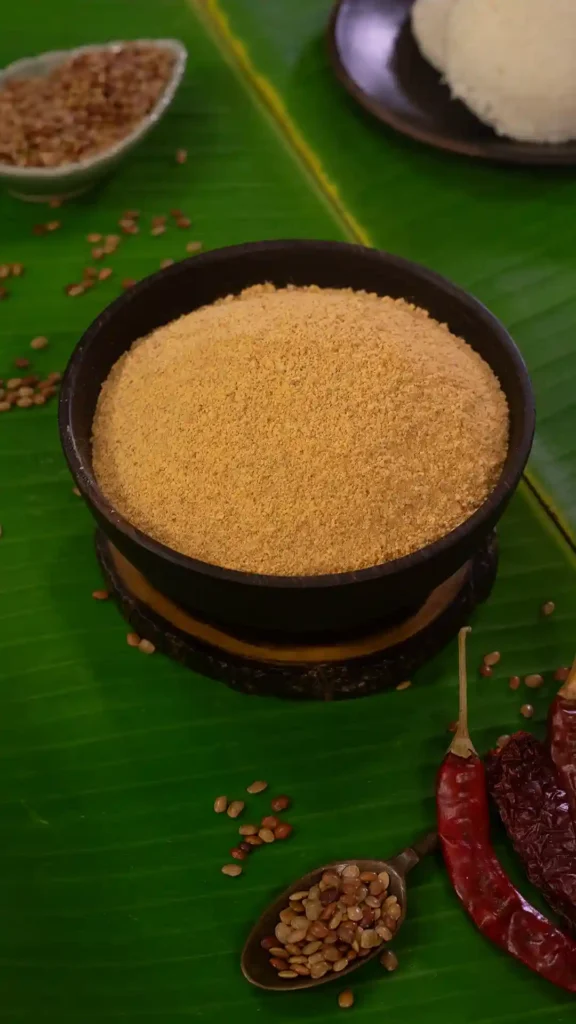

Ever noticed how the foods our elders trusted are suddenly trending again?
Horse gram podi is one of those quietly powerful recipes. No fancy ingredients. No oil. No shortcuts. Just slow roasting, bold flavor, and serious nutrition packed into a spoonful.
If you’ve ever eaten hot idlis with podi and gingelly oil on a rushed morning, you already know how comforting this can be. This kollu podi brings that same feeling, grounding, filling, and deeply satisfying.
Why Horse Gram Has Always Been a Kitchen Staple
Horse gram (kollu) has been used across South Indian kitchens for generations, especially during colder months or when the body needs strength.
Traditionally, it was valued because it is:
- Naturally high in protein
- Extremely filling
- Easy to store long-term
- Made without oil or preservatives
Turning it into podi makes it practical. One batch lasts weeks and instantly upgrades the simplest meal.
Why This Kollu Podi Works So Well
This recipe solves a lot of everyday problems:
- No time to cook sides? Podi is ready
- Trying to eat healthier? High fiber, no oil
- Managing blood sugar? Slow-digesting protein
- Need a pantry backup? Keeps for weeks
It’s functional food, not fancy, but dependable.
Ingredient Breakdown:
- Horse Gram The backbone of this podi. Dry roasting makes it nutty, aromatic, and easier to digest.
- Urad Dal & Chana Dal balance the strong flavor of horse gram, adding body and texture.
- Red Chillies (Guntur and Kashmiri) One brings heat, the other color and mild sweetness, together, they keep the podi bold but balanced.
- Garlic & Tamarind Garlic adds warmth and depth, while tamarind cuts through heaviness with gentle tang.
- Cumin & Asafoetida Aid digestion and make the podi easier on the stomach.
Vegan Swap 🌿: This recipe is naturally vegan. Just pair it with gingelly oil instead of ghee for serving.
How This Kollu Podi Comes Together
This is a slow, mindful recipe, not a rushed one.
Horse gram is roasted patiently until it turns deep brown and releases a nutty aroma. Dals follow, roasted just until golden. Chillies are crisped gently, not burned, so the heat stays clean. Garlic, cumin, and tamarind are lightly toasted to round out the flavor.
Everything cools completely before grinding; this step matters more than people think. Grinding hot ingredients traps steam and ruins shelf life.
The result is a coarse, fragrant podi that smells earthy and bold the moment you open the jar.
Pro Tip 💡: Always roast horse gram on low heat. High heat browns it outside but leaves it raw inside, affecting both taste and digestion.
Diet & Health Notes
This kollu podi fits easily into many diets:
Because there’s no oil and no added sugar, it works well as a daily side rather than an occasional indulgence.
How to Eat Horse Gram Podi
The classic way never fails:
- Hot idlis + podi + gingelly oil
Other easy pairings:
- Dosa or uthappam
- Steamed rice with oil or ghee
- Mixed into curd rice for a spicy twist
A little goes a long way.
Packing & Meal Prep Tips
This podi is made for meal prep.
- Store in a dry, airtight jar
- Use a clean, dry spoon every time
- Perfect for office lunchboxes and hostel cooking
Once made, breakfast decisions become effortless.
How to Store Kollu Podi
How to Store
- Cool completely before storing
- Keep in an airtight glass or steel container
- Store in a cool, dry place
Shelf Life
- Stays fresh for 3–4 weeks at room temperature
- Longer if refrigerated
How to Reheat
Podi doesn’t need reheating, but if it absorbs moisture:
- Dry roast lightly on low heat
- Cool completely before storing again
Never store warm podi; condensation ruins the texture.
Common Mistakes to Avoid
- Roasting on high heat
- Grinding while ingredients are warm
- Making it too fine (loses texture)
- Skipping tamarind entirely (flavor feels flat)
Avoid these, and your podi will stay aromatic and fresh.
Other Related Recipes You Might Like
- Kandi Podi – protein-rich Andhra-style podi made with toor dal, perfect for rice.
- Curry Leaves Podi – aromatic podi packed with iron and flavour.
- Idli Podi – classic gunpowder served with idli, dosa, and ghee.
- Horse Gram Rice – wholesome rice dish made with kollu for a complete meal.
- Temple Style Curd Rice – cooling comfort food that pairs well with podi and ghee.
- One Pot Rasam Rice – quick, comforting rice ideal with podi on the side.
- Multigrain Dosa – healthy dosa that tastes great with podi and gingelly oil.
- Buttermilk Rasam – light, soothing rasam to balance protein-rich meals.
Horse Gram Podi
Description
Traditional Horse Gram Podi (Kollu Podi) made with roasted horse gram, dals, red chillies, and garlic. This authentic recipe by Hema Subramanian is high‑protein, immunity-boosting, and perfect with hot rice and ghee. Meal‑prep friendly and naturally preservative‑free.
Ingredients
To make kollu podi
Instructions
Prep Work
-
Clean horse gram
Rinse and dry the horse gram completely
-
Prepare chillies
Remove stems from dried red chillies -
Peel garlic
Peel garlic cloves and keep ready -
Set ingredients
Keep all ingredients ready near the stove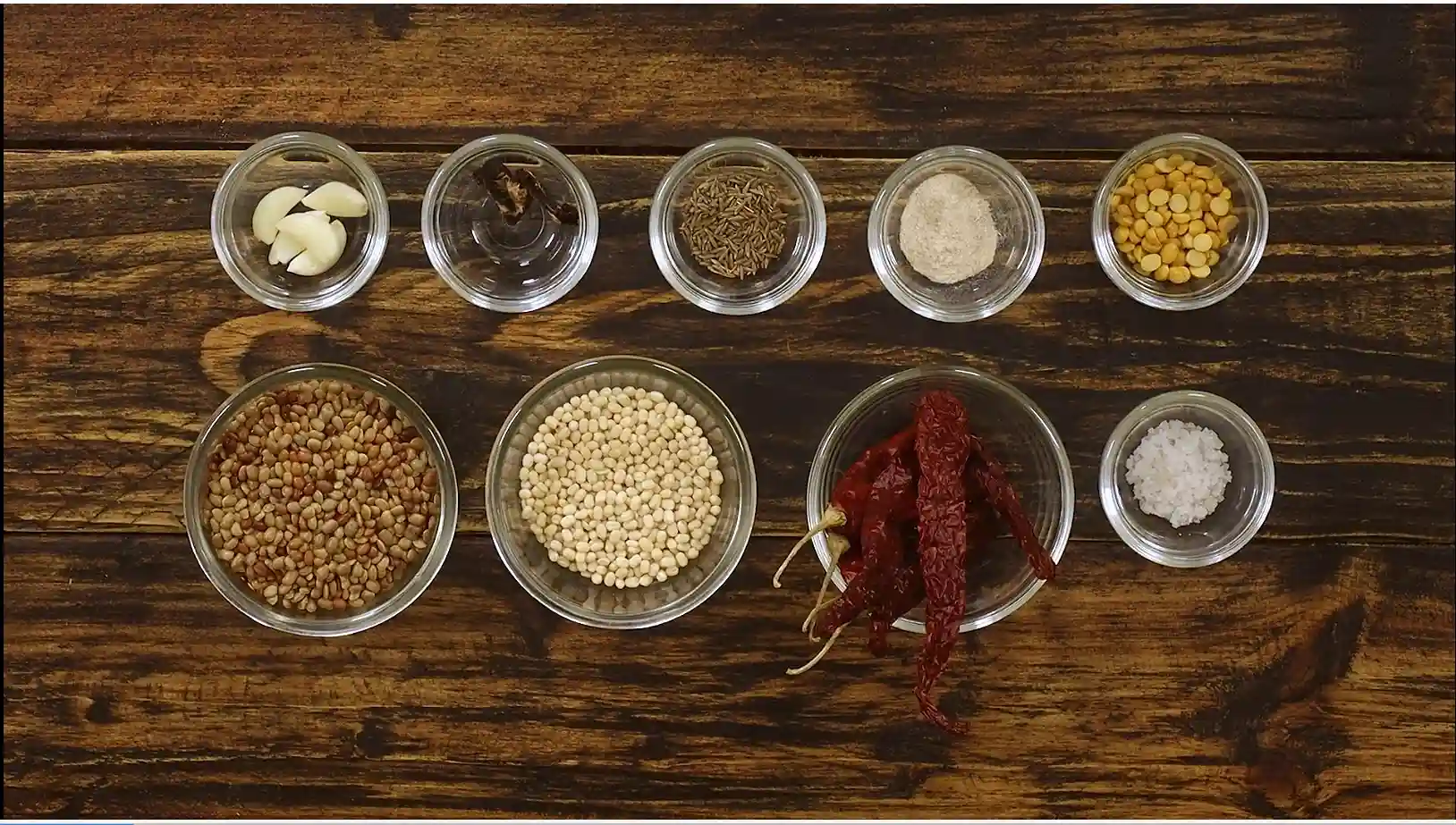
Method
-
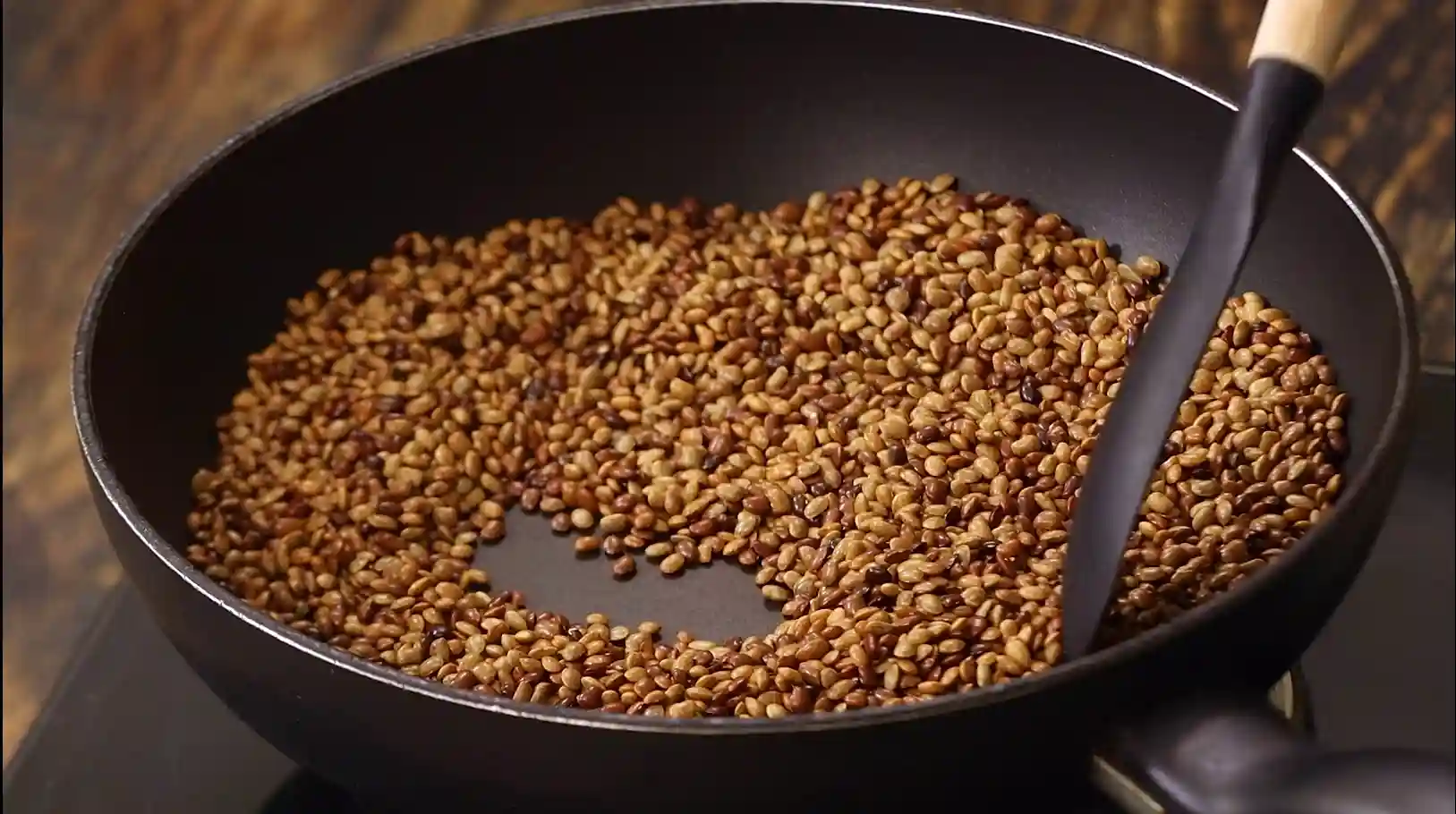
Roast horse gram
Dry roast horse gram on low heat, stirring continuously until aromatic and deep brown
-
Cool horse gram
Transfer roasted horse gram to a plate and cool completely -
Roast dals
Roast urad dal and chana dal until golden and fragrant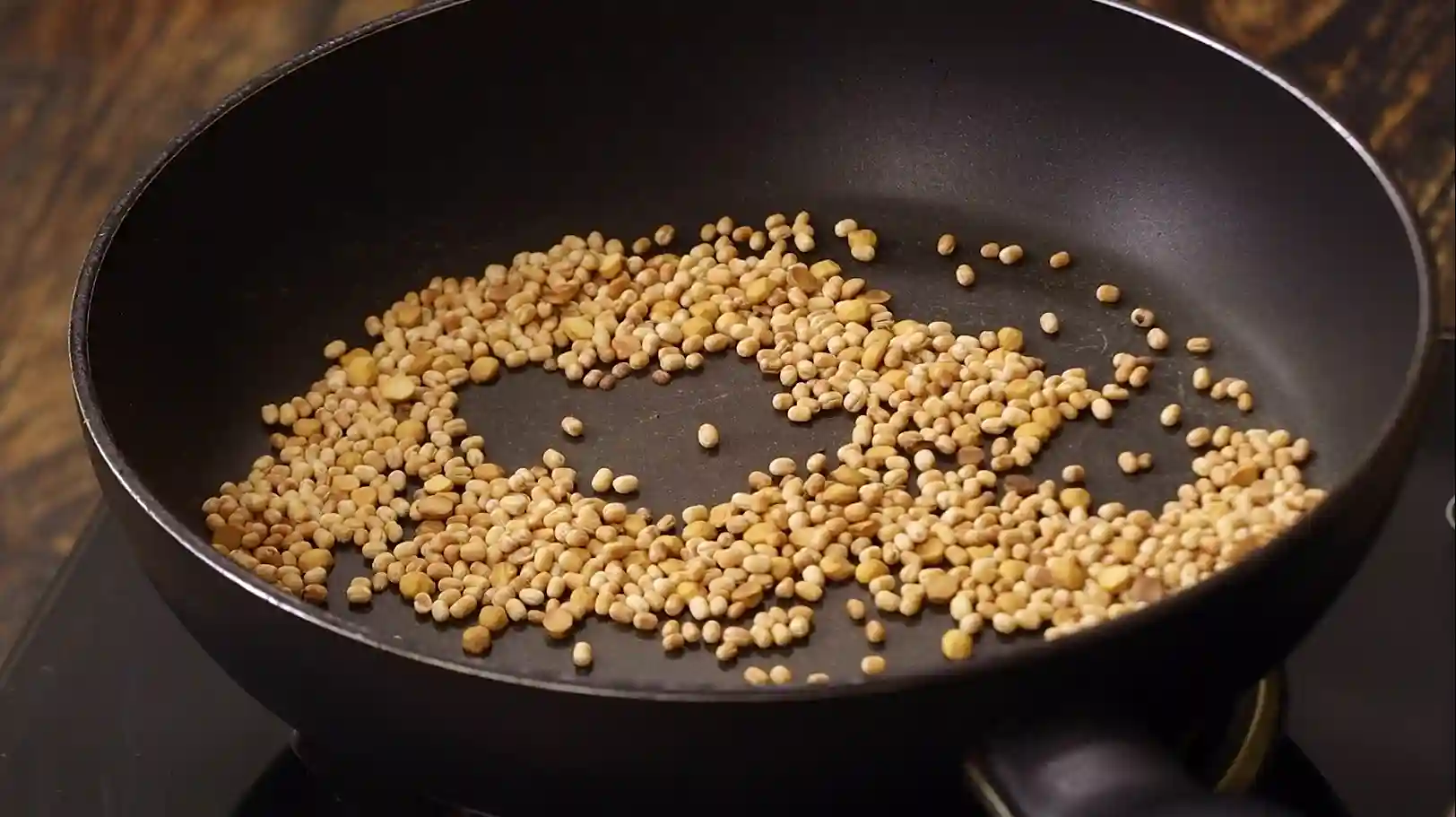
-
Roast chillies
Roast red chillies until crisp and aromatic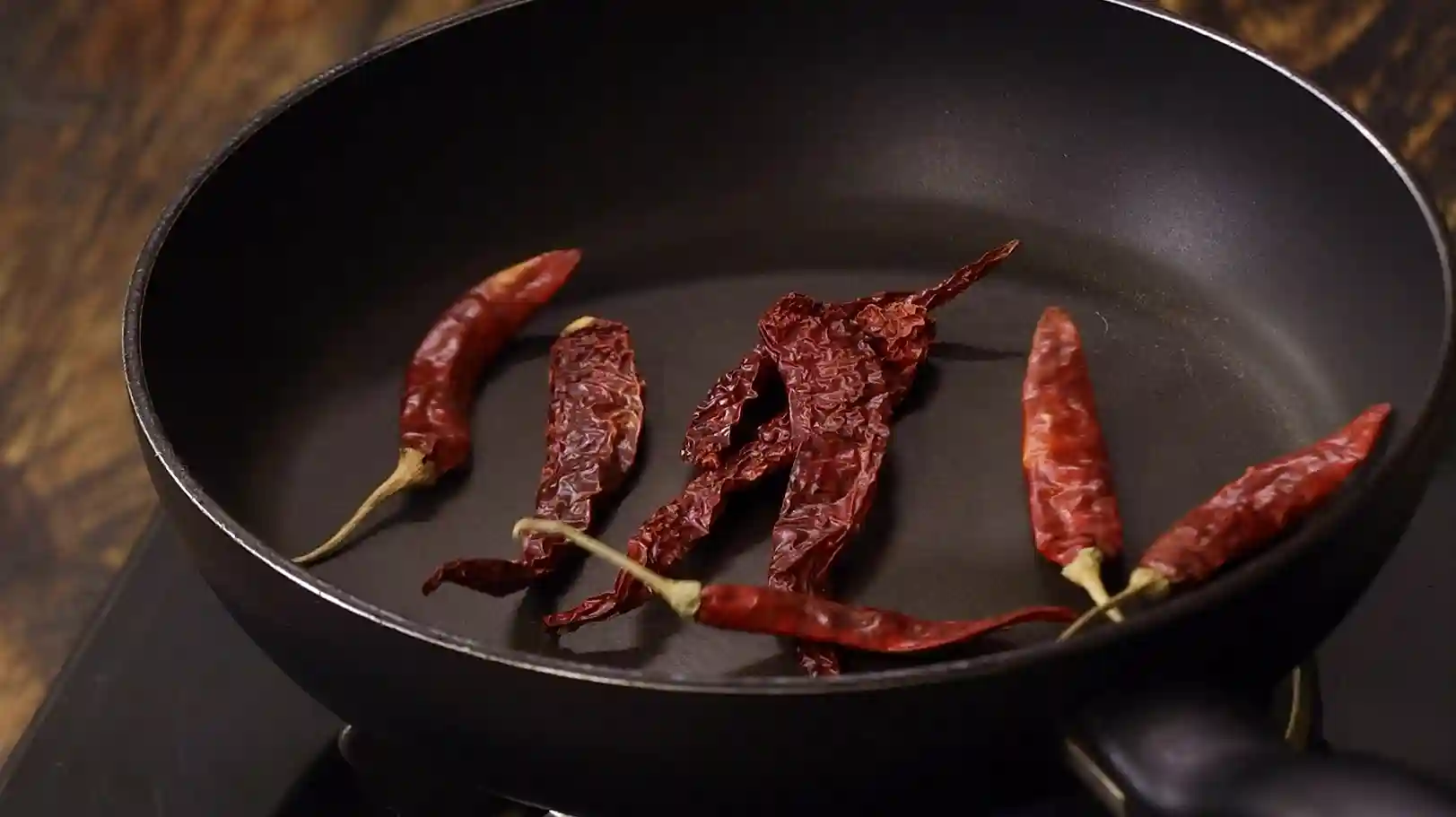
-
Roast aromatics
Roast garlic, tamarind, and cumin until lightly toasted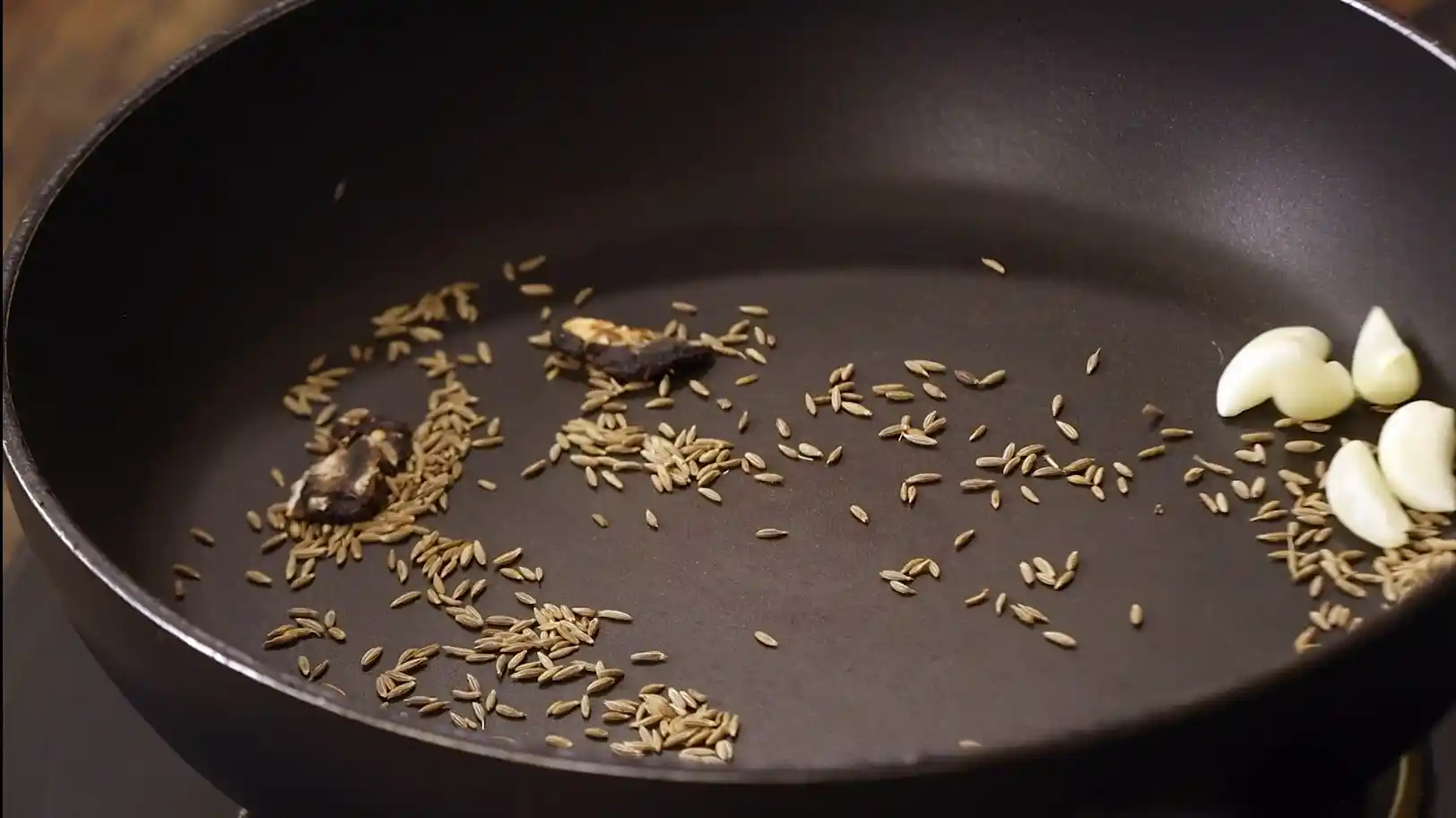
-
Cool ingredients
Allow all roasted ingredients to cool fully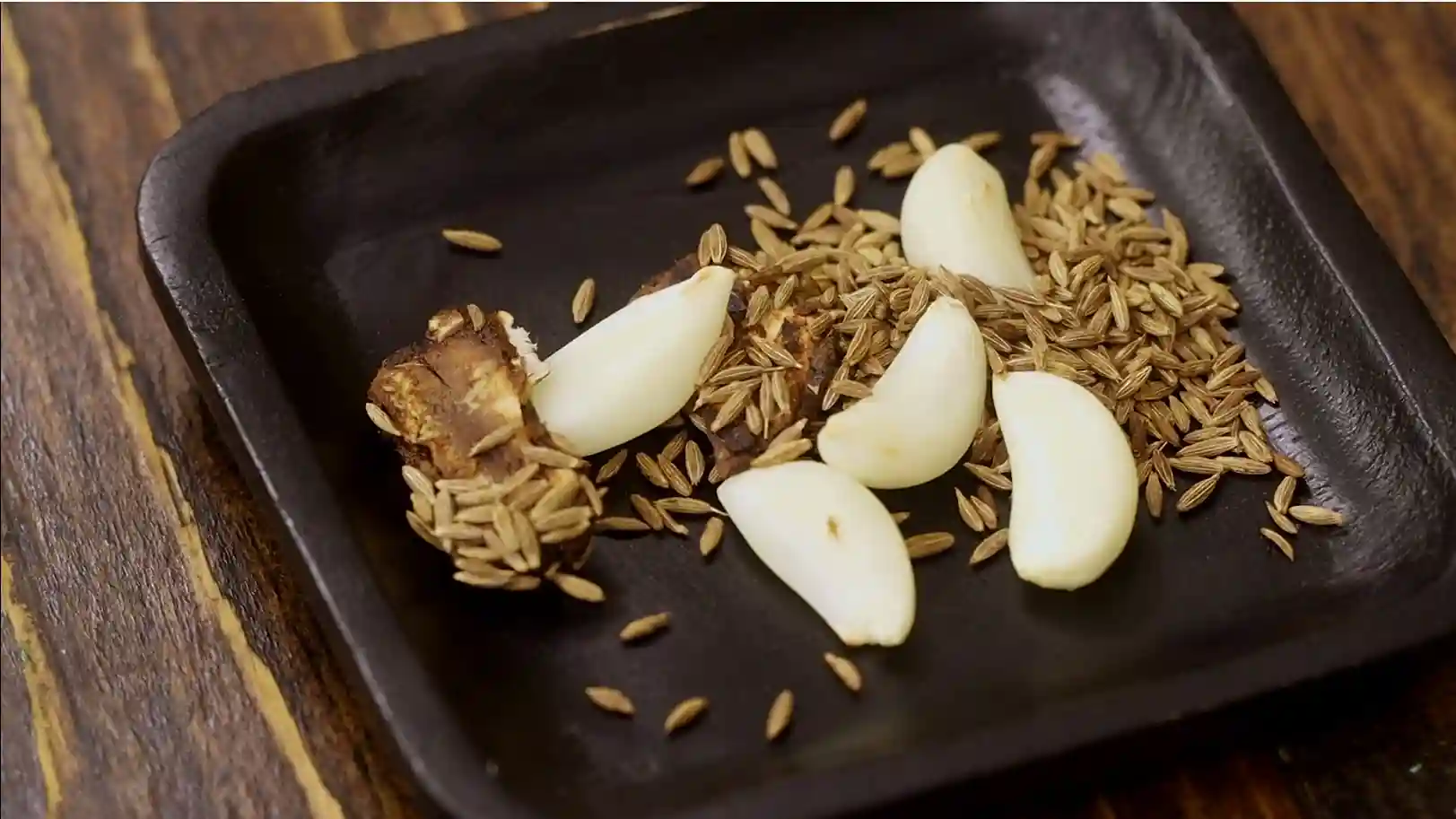
-
Grind chillies
Grind roasted chillies first to a coarse texture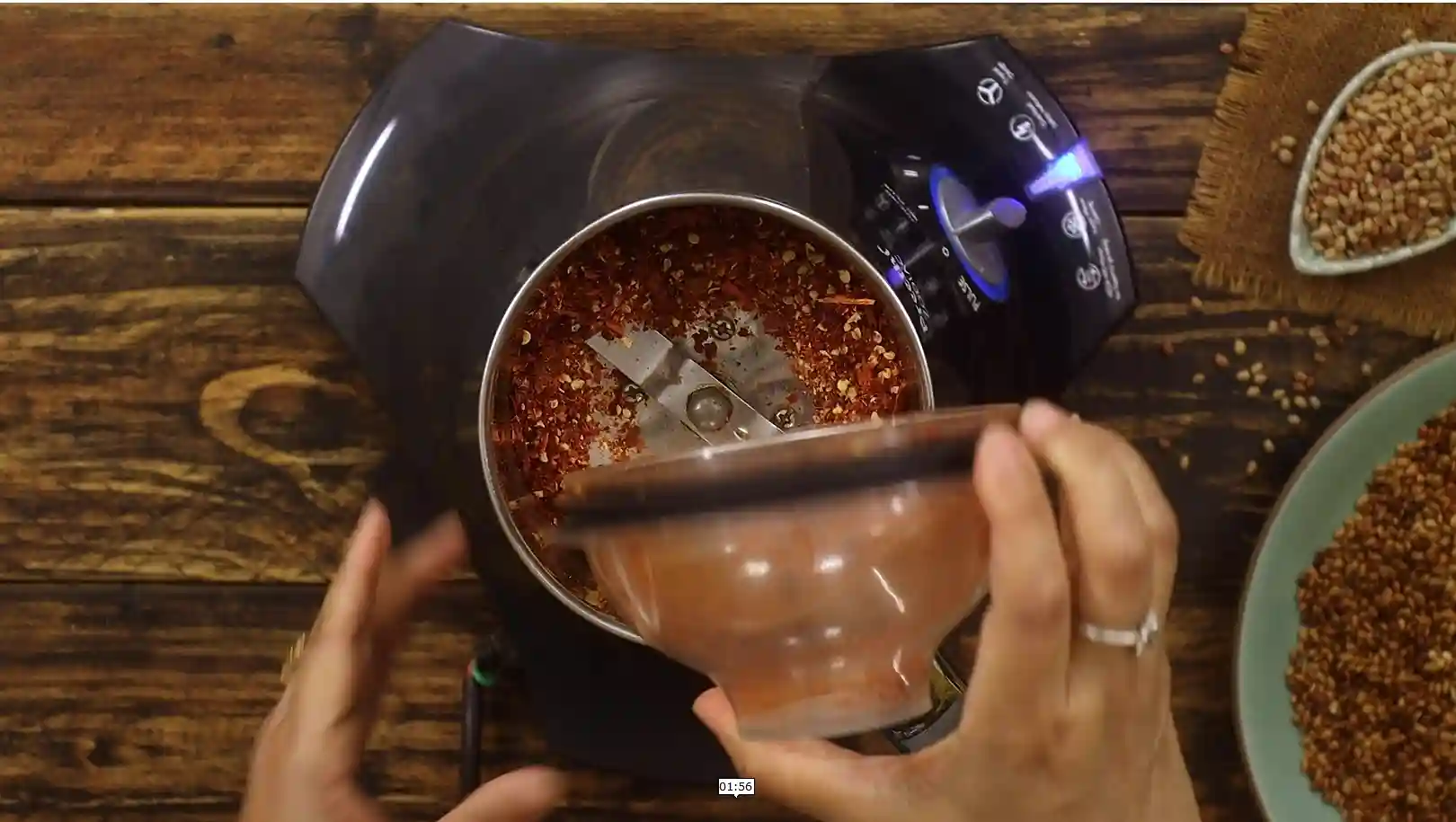
-
Grind dals
Add roasted dals and horse gram and grind coarsely -
Add seasoning
Add rock salt and asafoetida powder and blend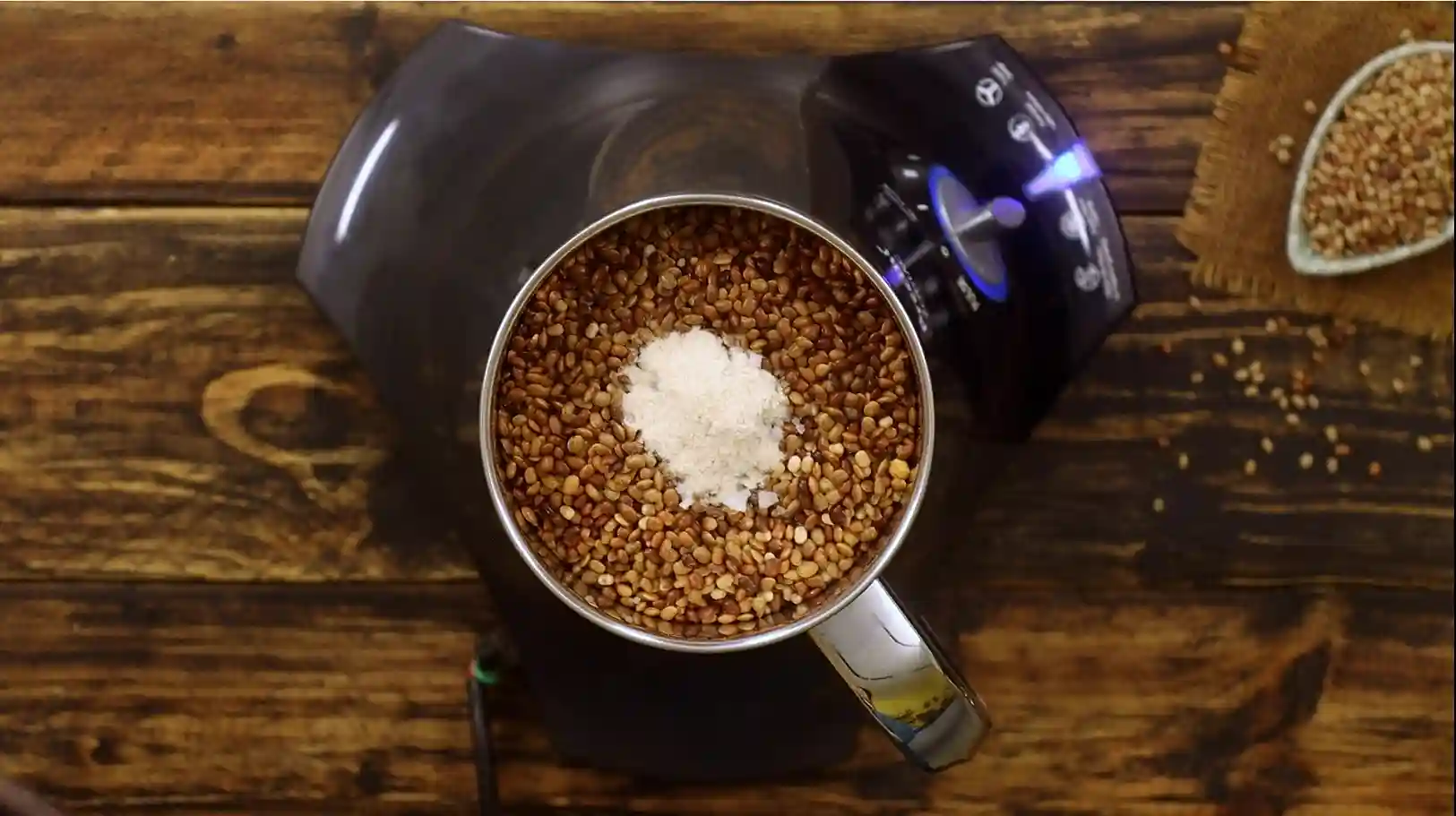
-
Finish grind
Add garlic, tamarind, cumin and grind until combined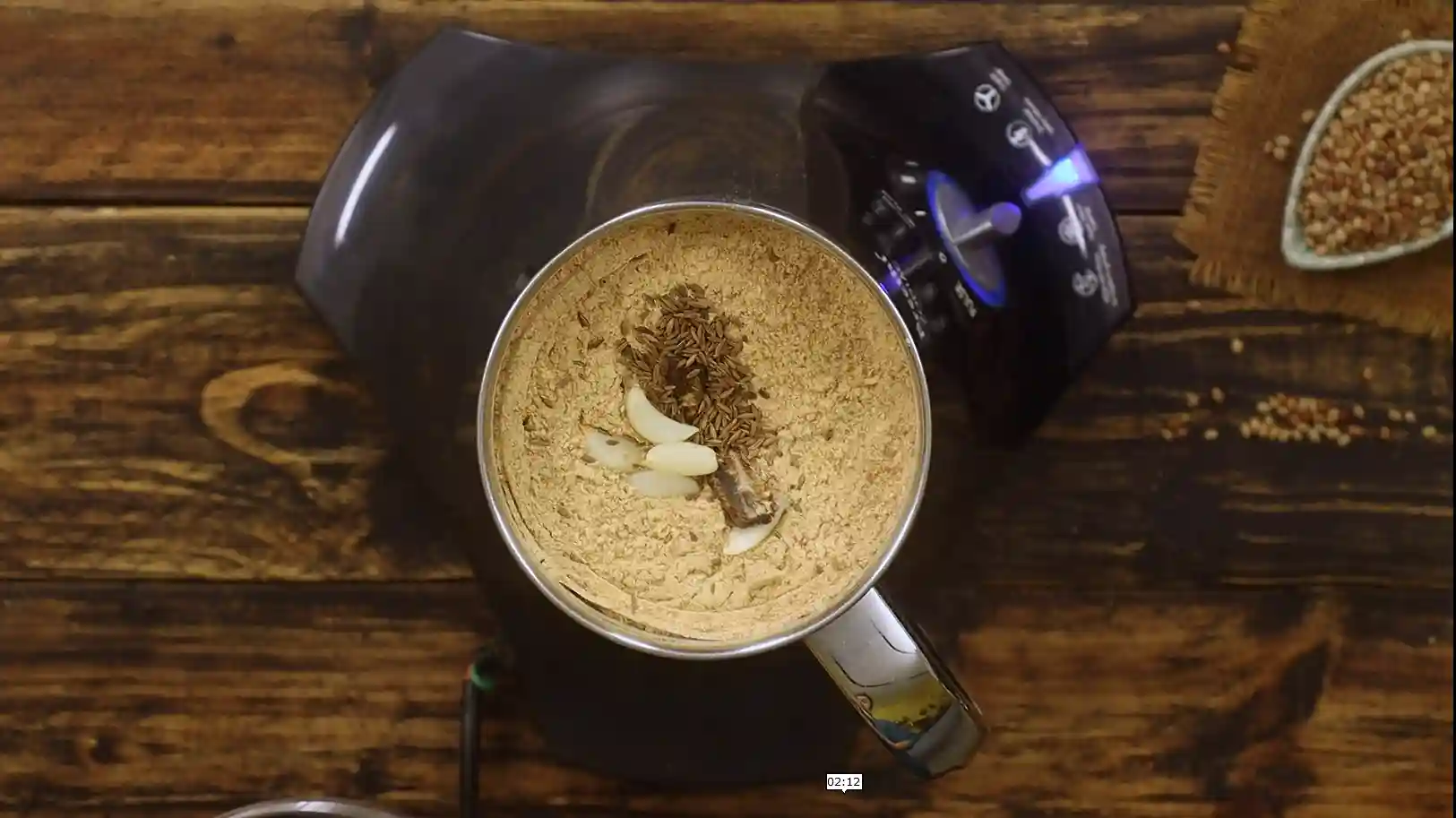
-
Store
Cool completely and store in airtight jar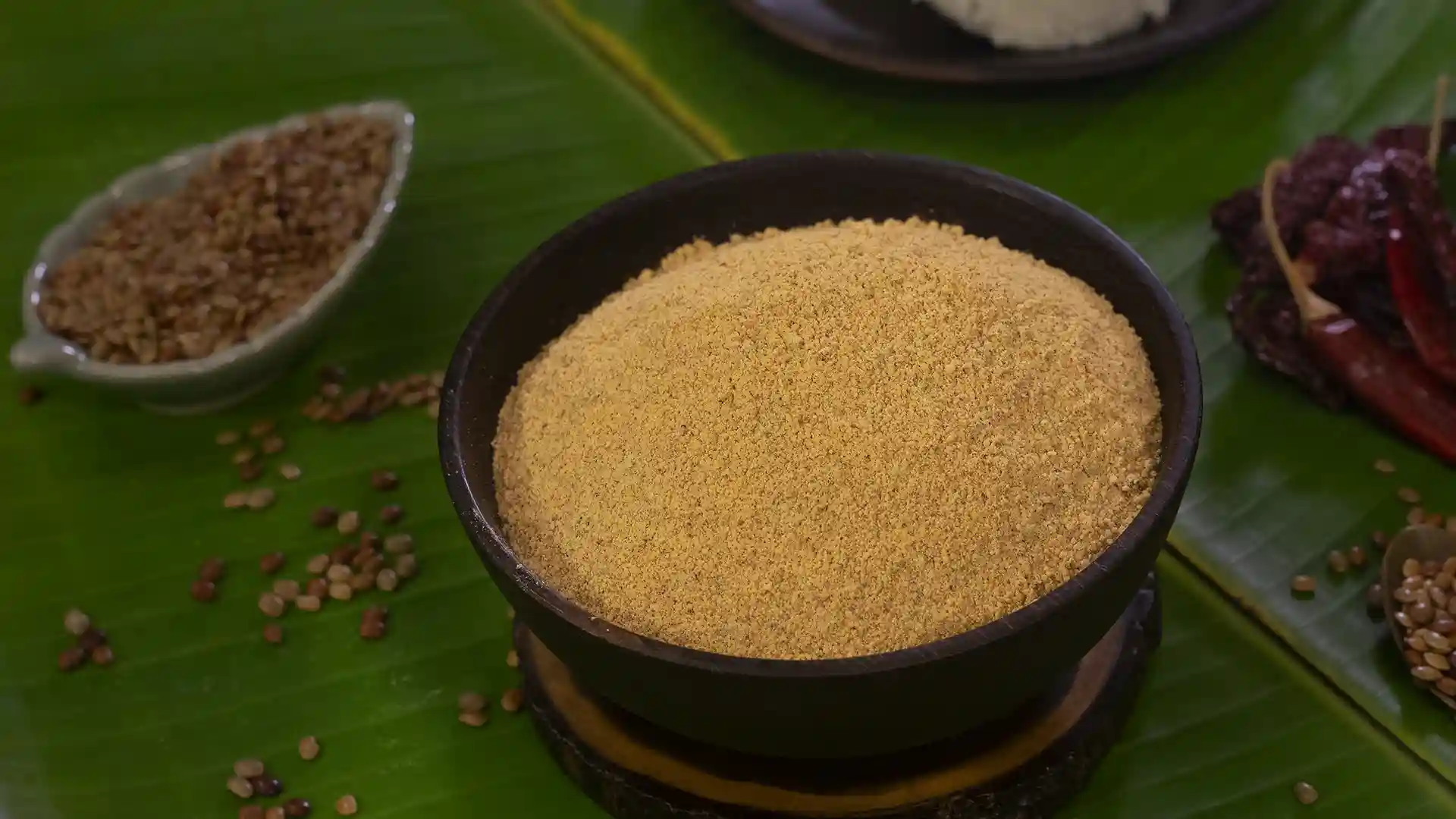
Equipment

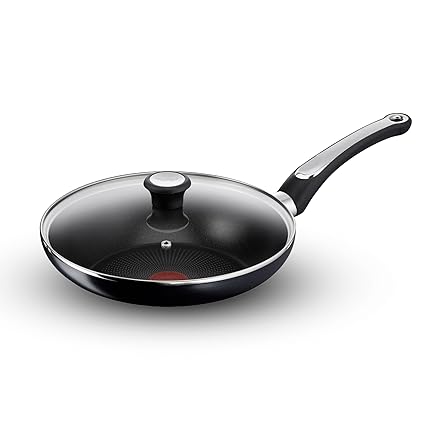
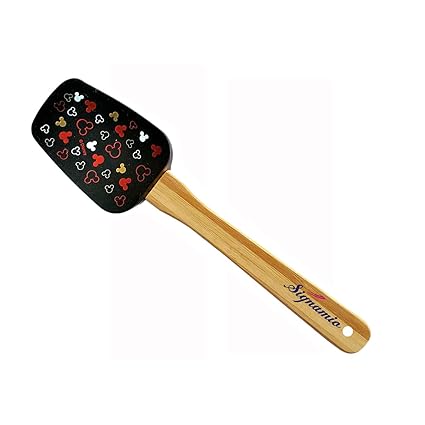
Affiliate Disclosure: This post contains Amazon affiliate links, i.e., when you buy any product using the links below, we get commissions. but it doesn’t cost you anything extra. If you do purchase any product using the given links, we thank you in advance!
Nutrition Facts
Servings 30
- Amount Per Serving
- Calories 95kcal
- % Daily Value *
- Total Fat 1.8g3%
- Saturated Fat 0.3g2%
- Sodium 210mg9%
- Potassium 210mg6%
- Total Carbohydrate 14g5%
- Dietary Fiber 5g20%
- Sugars 1.2g
- Protein 6.5g13%
- Calcium 42 mg
- Iron 2.8 mg
- Magnesium 55 mg
* Percent Daily Values are based on a 2,000 calorie diet. Your daily value may be higher or lower depending on your calorie needs.