

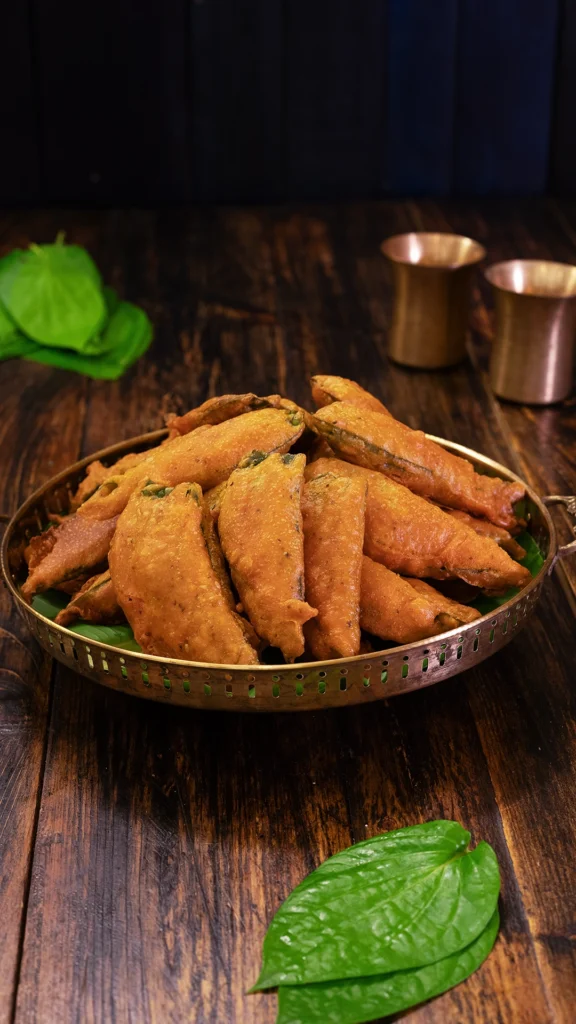

When the rains pour down, nothing beats the joy of munching on hot, crispy betel leaf bajji. Known as Tamalapaku Bajji in some parts of South India, this snack is a true monsoon special.
If you’ve ever walked by a busy roadside stall on a rainy evening, you’ve probably seen these golden fritters sizzling away—yes, this is a proper street style favorite that pairs perfectly with a hot cup of chai.
The unique flavor of betel leaf wrapped in spiced batter and fried till crisp makes it stand out from the usual bajjis. Easy to make at home, this is one of those snacks that instantly turns a gloomy day into something cozy and cheerful.
What is this dish, and where does it come from
Betel leaf bajji is a South Indian street-food favourite. Using tamalapaku (betel or paan leaf) as the canvas, the leaf gets dipped in a spiced gram-flour batter and deep-fried until lacy and crunchy.
You’ll find versions across Tamil Nadu and Karnataka at tea stalls and monsoon stalls — it’s one of those regional snacks that turned “unexpected ingredient” into a cult favourite.
Why you’ll love it
- Texture contrast: delicate, paper-thin leaves transformed into crisp bites.
- Flavor profile: nutty chickpea batter, warm ajwain and hing, with a hint of turmeric and chilli.
- Perfect with tea: the bitterness of the leaf offsets the fritter’s richness, making every bite interesting.
Ingredients breakdown — why each one matters
- Besan / gram flour: the structure. It crisps and browns beautifully.
- Rice flour: adds extra crunch — the two-flour combo gives that perfect brittle texture.
- Ajwain (carom seeds): cuts through oiliness and aids digestion — small but mighty.
- Hing (asafoetida): gives depth and a savoury lift (especially useful if you skip garlic/onion).
- Turmeric & chilli powder: color and warmth.
- Baking soda (pinch): aerates the batter for a lighter, crispier finish.
- Betel leaves: the star — fresh, glossy, and aromatic
How the cooking actually goes
You’ll want all your leaves trimmed and ready first — remove the stem so they sit flat. Make a batter that’s medium-thick: thinking pancake-batter, not a heavy dough. This is crucial — too thin and the batter slides off; too thick and the bannji becomes doughy.
Heat oil to medium-high, but not smoking. Coat each leaf evenly — don’t drown it; you want a thin, even layer of batter so the leaf’s shape shows through and fries into that signature lacy texture. Lower gently into oil and fry on moderate heat so the batter crisps through without burning. Flip once; a golden-brown on both sides is what you’re after.
Finish on a paper towel, season immediately with a tiny pinch of salt if the batter needs it, and serve hot. The contrast between the fragile crunch and the savory spice is what makes this snack sing.
Pro Tip 💡: Test one leaf first. If the batter peels or bubbles oddly, adjust the batter: add a tablespoon more water (if too thick) or a spoonful of rice flour (if batter spreads too much). Also, fry on medium rather than high heat — that gives the batter time to dehydrate and turn crisp without burning.
What goes along with tamalapaku bajji
- Chutney: coconut chutney or mint-coriander chutney for freshness.
- Tamarind dip: for sweet-tang contrast.
- Chai: strong kadak chai is the classic pairing — the astringency balances the oil.
- Plate it: arrange on banana leaf for that authentic street feel.
Serving, packing & party prep
- Serve immediately for best texture — these are at their peak crispness hot off the wok.
- Make-ahead for parties: fry in batches and hold in a warm oven (80–100°C) on a rack (not stacked) for up to 20–30 minutes. Don’t cover — steam is the enemy of crispness.
- Reheating: 3–4 minutes in a preheated 180°C oven (on a tray) revives crunch better than a microwave.
- Bulk tips: batter holds for a short while; if you need to scale up, keep batter in the fridge and stir in a little water before dipping if it thickens.
Betel Leaf Bajji (Tamalapaku Bajji)
Description
This betel leaf bajji recipe, also called Tamalapaku Bajji, is a crispy and flavorful snack made by dipping fresh betel leaves in a spiced gram flour batter and deep frying them till golden. Popular as a street style monsoon treat, these bajjis are crunchy on the outside with a unique herbal taste inside. They’re quick to make, beginner-friendly, and perfect to enjoy with hot tea or chutney on a rainy evening. If you love experimenting with traditional Indian snacks, this recipe is a must-try at home.
Ingredients
Instructions
Prep Work
-
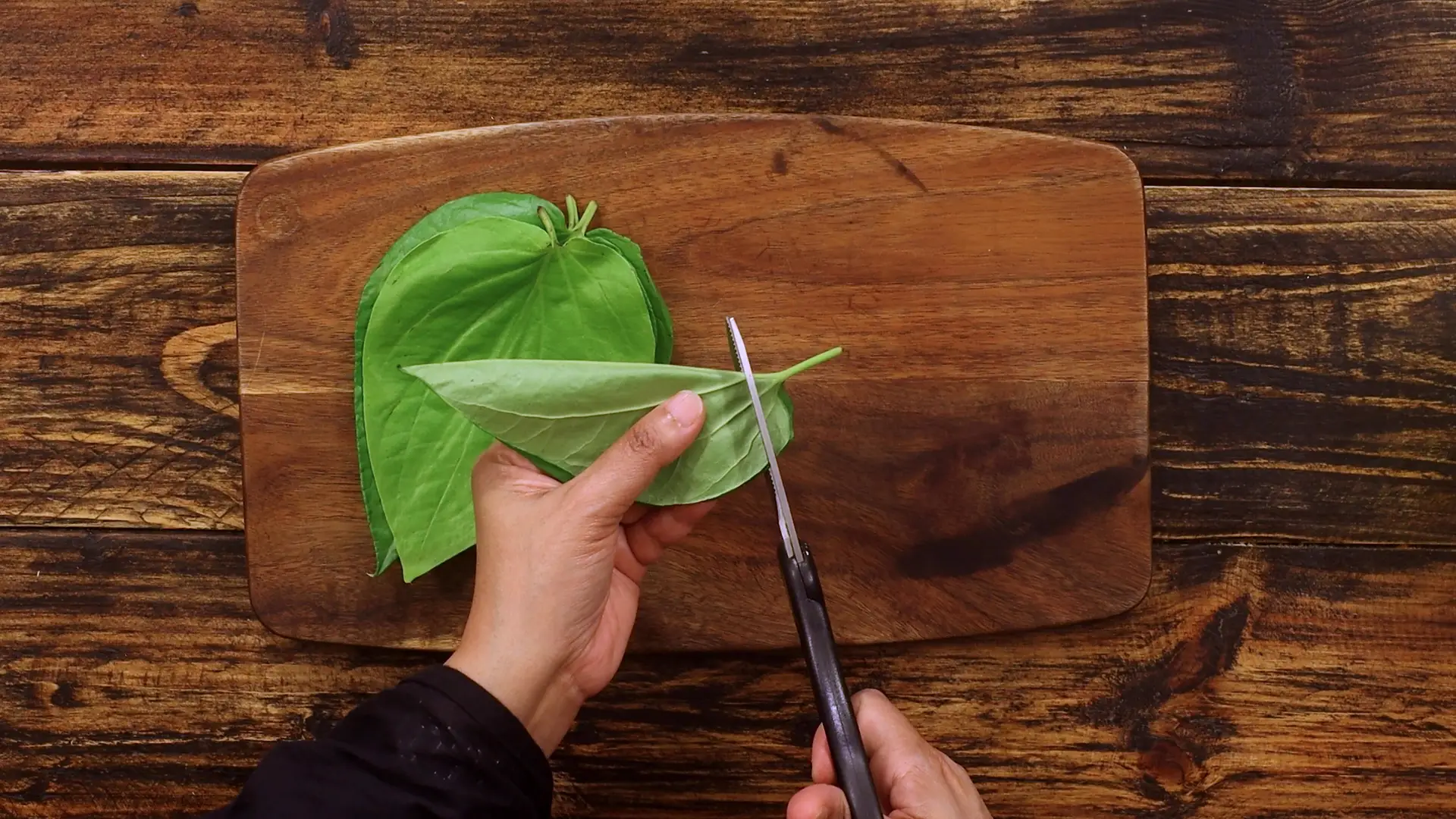
Remove stalks
Gently cut off the thick stalk from each betel leaf. Use scissors to trim the stem neatly.
-
Crush ajwain
Rub ajwain between palms before adding to batter.
Method
-
Make batter base
In a bowl, add besan and rice flour along with chilli powder, salt, hing, turmeric, and crushed ajwain. Mix well.
-
Add soda
Sprinkle in a pinch of baking soda and combine. -
Adjust consistency
Slowly pour water and whisk until smooth and medium-thick.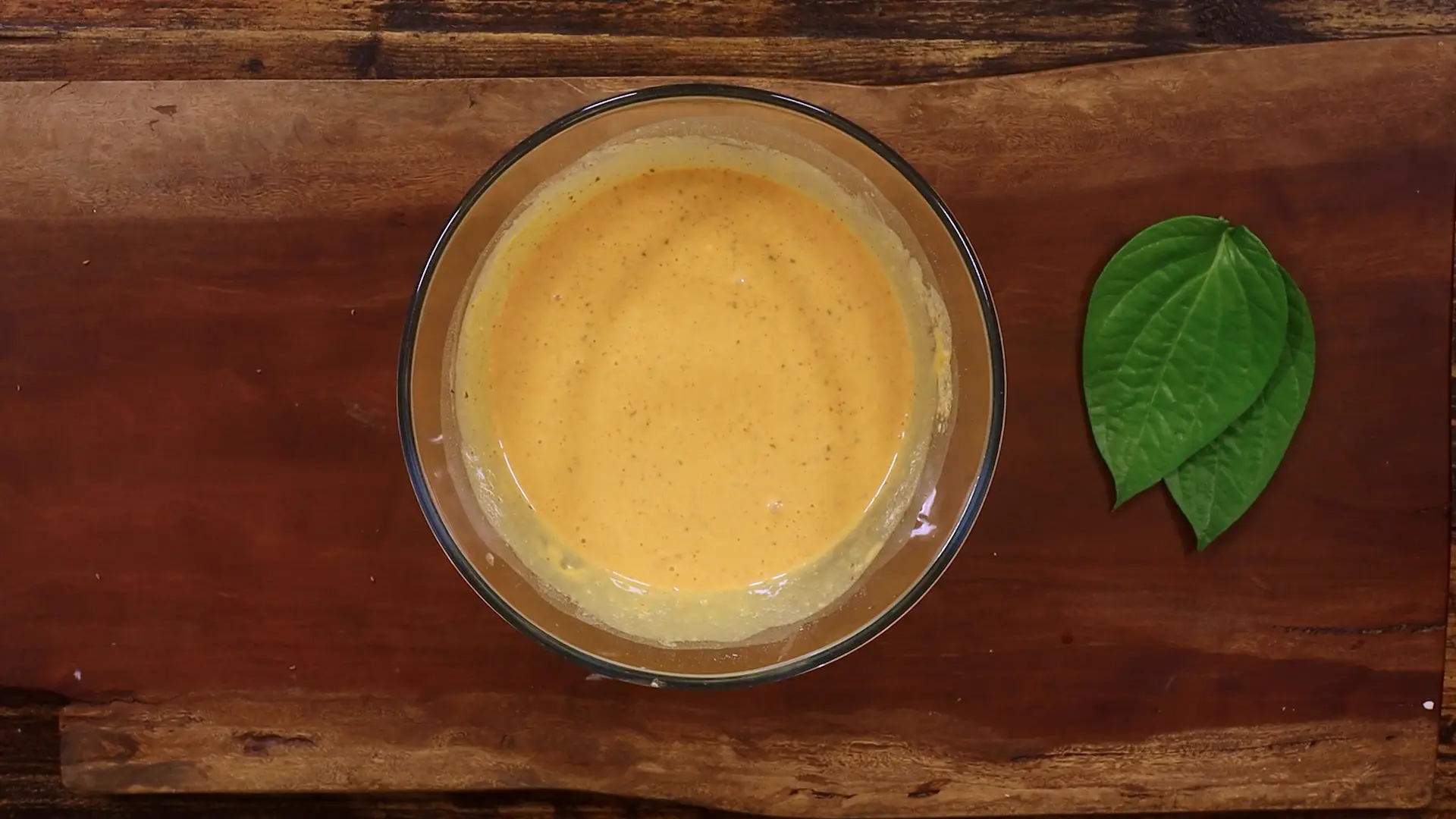
-
Coat leaves
Dip betel leaf into the batter, coating both sides evenly.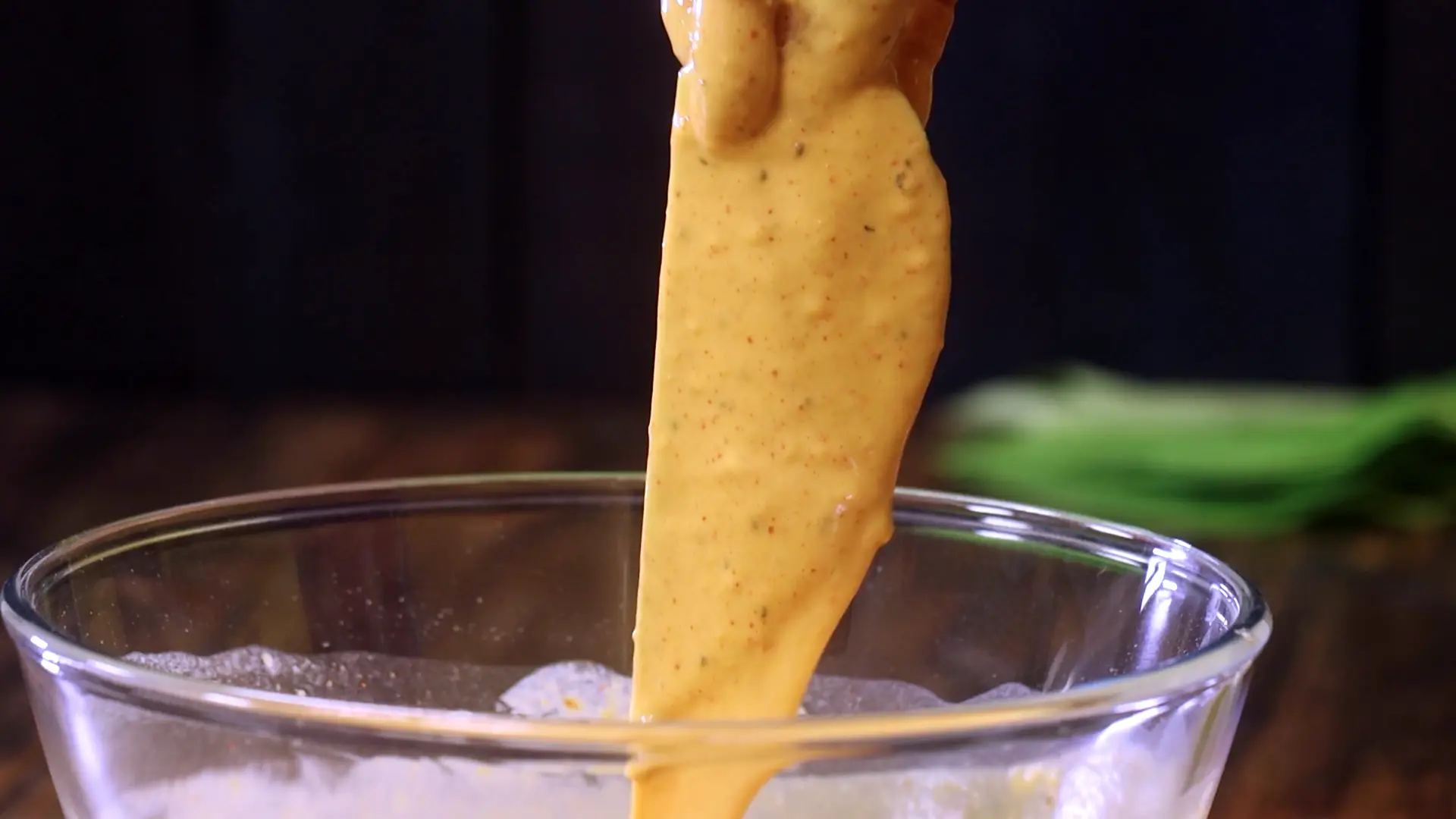
-
Heat oil
Warm oil in a deep pan for frying. -
Fry bajjis
Drop coated leaves in hot oil, fry on medium flame until golden and crisp, flipping in between. -
Drain excess oil
Remove bajjis and place on paper towel to absorb extra oil.
-
Serve hot
Enjoy crispy betel leaf bajjis with chutney or tea.
Equipment


Affiliate Disclosure: This post contains Amazon affiliate links, i.e., when you buy any product using the links below, we get commissions. but it doesn’t cost you anything extra. If you do purchase any product using the given links, we thank you in advance!
Nutrition Facts
Servings 4
- Amount Per Serving
- Calories 210kcal
- % Daily Value *
- Total Fat 10g16%
- Saturated Fat 1.5g8%
- Sodium 310mg13%
- Potassium 220mg7%
- Total Carbohydrate 24g8%
- Dietary Fiber 3g12%
- Sugars 2g
- Protein 7g15%
- Vitamin A 180 IU
- Vitamin C 2 mg
- Calcium 22 mg
- Iron 2 mg
- Magnesium 38 mg
- Zinc 0.7 mg
* Percent Daily Values are based on a 2,000 calorie diet. Your daily value may be higher or lower depending on your calorie needs.