

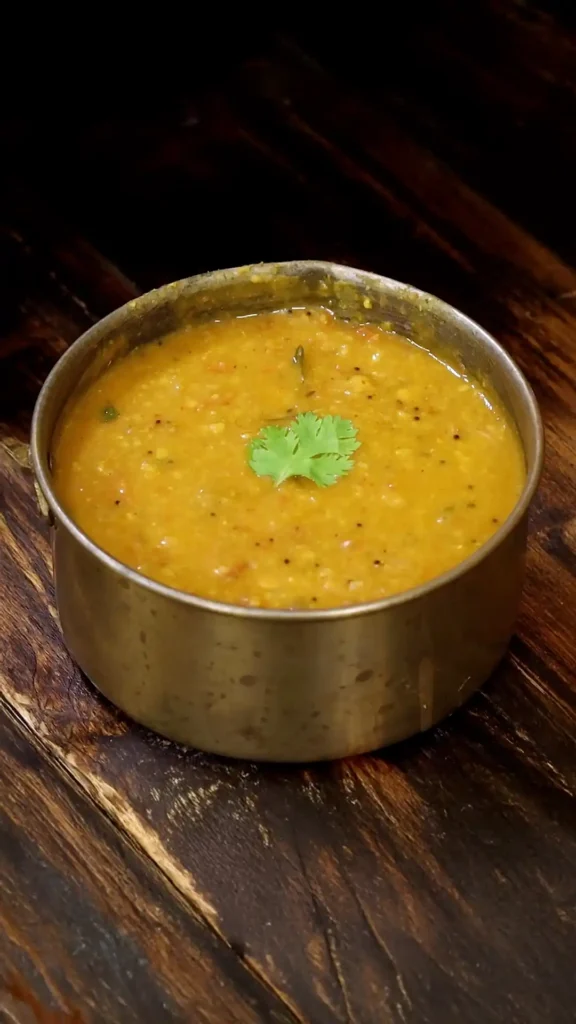

Ever noticed how hotel sambar smells different the moment it hits the table?
That deep aroma.
That slightly thick texture.
That rich coconut-spice flavour that clings to rice.
That’s not accidental; it comes from arachuvitta sambar, where the magic lies in the freshly ground masala.
This is the kind of sambar that doesn’t rush. It simmers, settles, and rewards you with flavour that feels layered and complete. If regular sambar feels light and everyday, arachuvitta sambar feels special, yet it’s still very doable at home.
What Makes Arachuvitta Sambar Different?
Most everyday sambars rely on ready-made powder. Arachuvitta sambar doesn’t.
Instead:
- Lentils and spices are roasted fresh
- Coconut is added and ground into a paste
- The masala becomes part of the body of the sambar, not just seasoning
This method is common in:
- Tamil Nadu hotel kitchens
- Temple cooking
- Festive or weekend lunches
It’s richer, slightly thicker, and far more aromatic.
Why This Sambar Works So Well
This recipe checks a lot of real-life boxes:
- Hotel-style taste without complicated steps
- Pressure cooker friendly
- Perfect for rice, idli, dosa, or pongal
- Gets better the next day
- Ideal for lunch, guests, or meal prep
If you want a sambar that feels complete on its own, this is it.
Ingredient Breakdown:
This recipe looks long, but every ingredient has a job.
Dal Base
- Toor dal gives creaminess and protein
- Onion & tomato add body and mild sweetness
- Turmeric & asafoetida keep digestion easy
Fresh Masala
- Chana dal & urad dal add nuttiness and thickness
- Coriander seeds bring warmth
- Red chillies provide depth, not just heat
- Coconut rounds everything out
Tempering & Vegetables
- Ghee carries aroma
- Shallots add natural sweetness
- Drumstick absorbs flavour beautifully
- Tamarind & jaggery balance sourness
Vegan Swap 🌿: Replace ghee with sesame oil or neutral oil. Aroma will differ slightly, but it still works well.
How Arachuvitta Sambar Comes Together
You begin by pressure-cooking dal with onion, tomato, and spices until it’s completely soft. This forms a smooth, comforting base.
Separately, lentils and coriander seeds are roasted slowly, followed by red chillies and coconut. Once cooled, this gets ground into a thick, fragrant paste, this is where the soul of the dish lives.
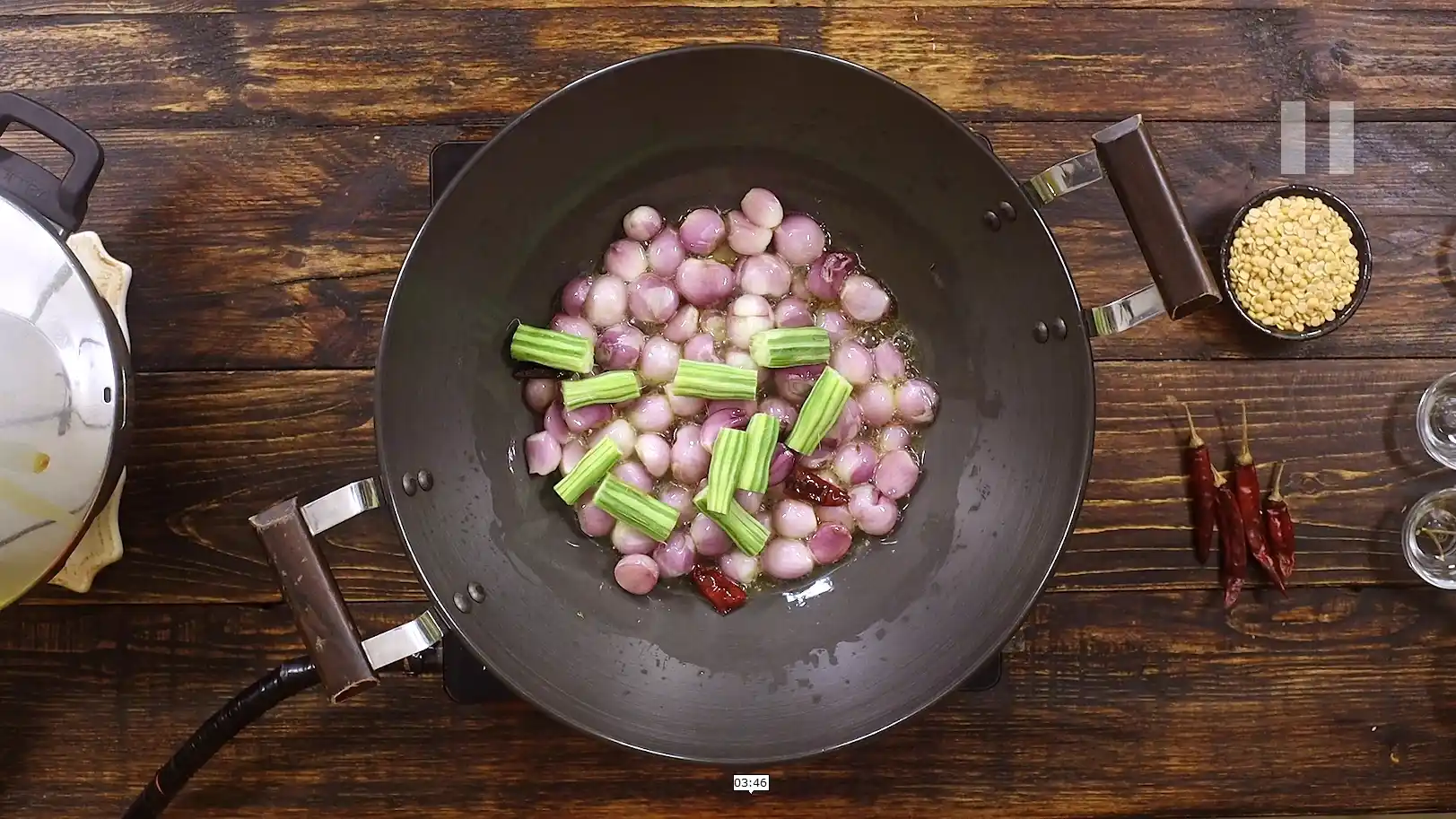
In another pot, ghee is heated and tempered with mustard, cumin, and urad dal. Shallots and drumsticks go in next, soaking up all that flavour.
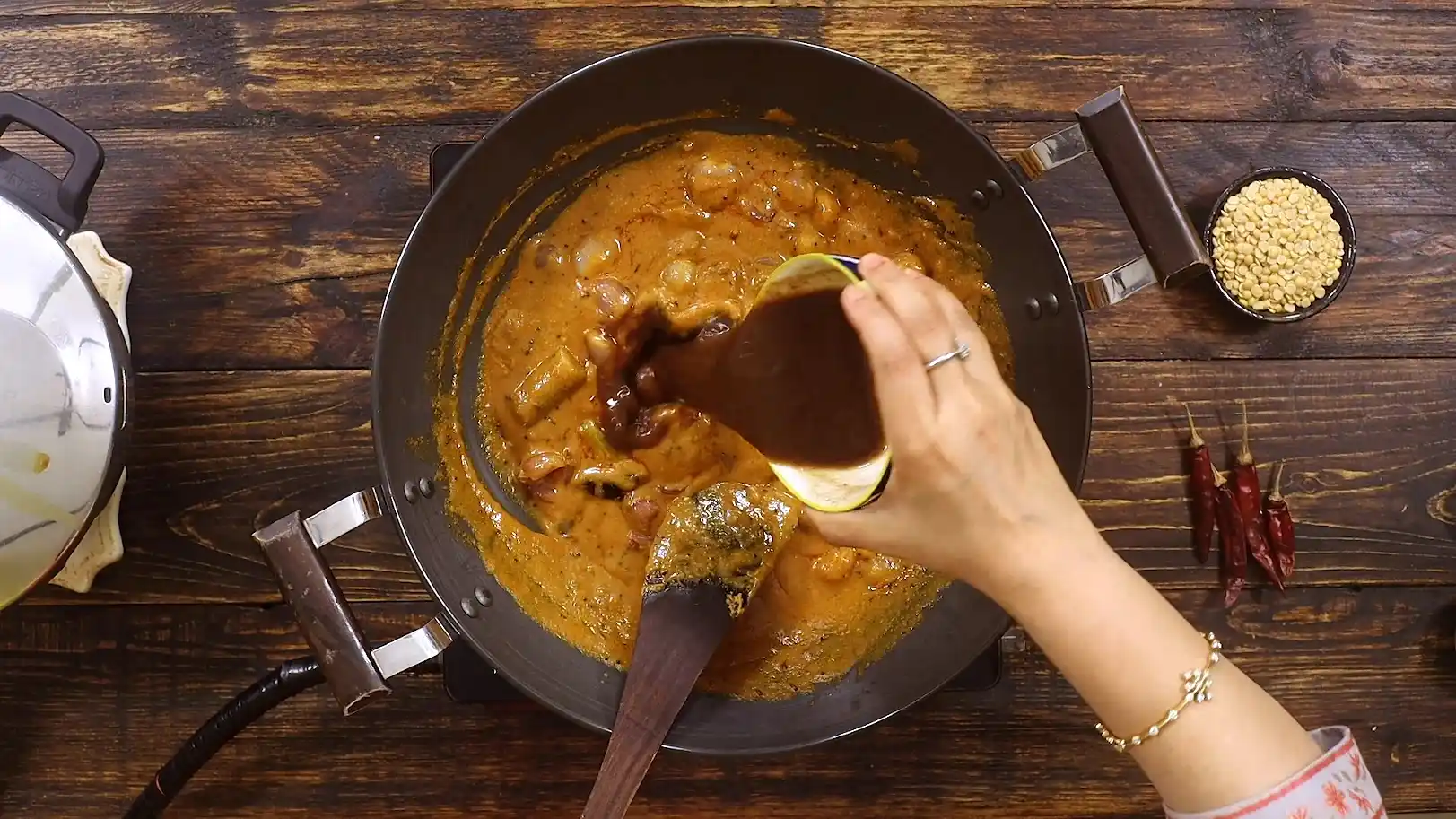
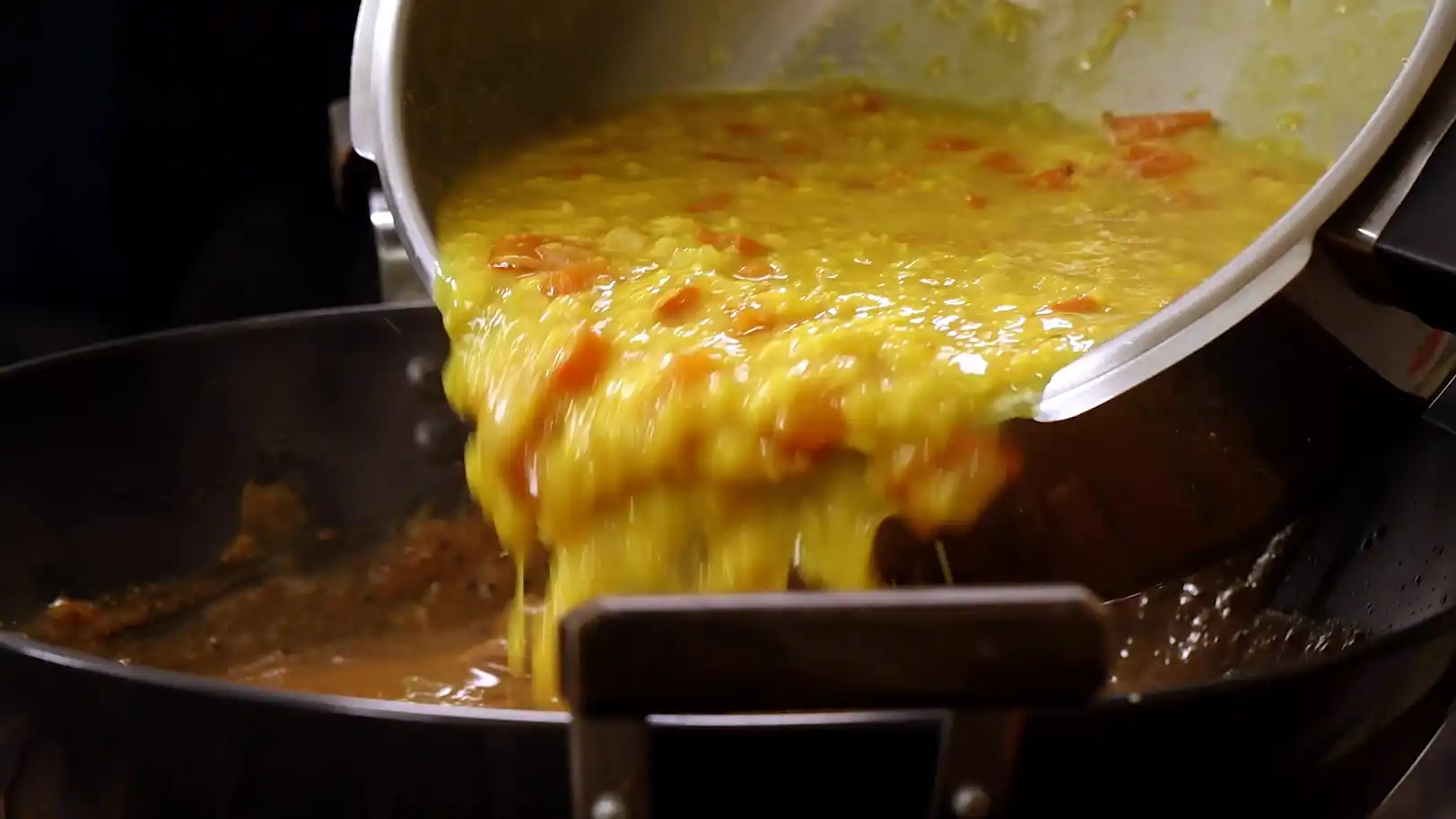
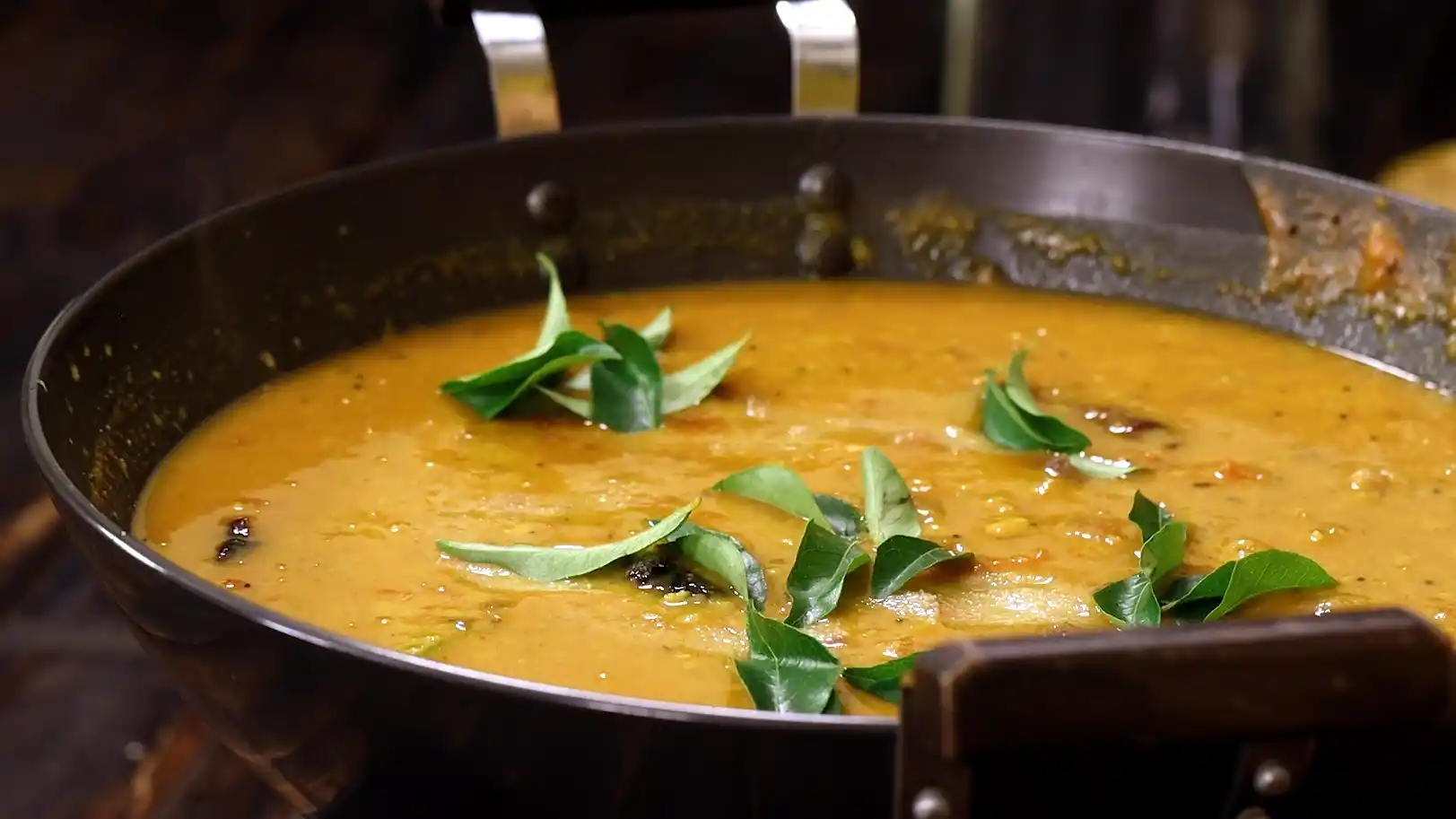
The ground masala, tamarind, and water are added, followed by the cooked dal. Everything simmers together, thickens naturally, and finally finishes with jaggery and curry leaves.
At this point, the sambar smells unmistakably hotel-style.
Pro Tip 💡: Roast the coconut only until the raw smell disappears. Over-roasting makes the sambar oily and heavy
What Problem This Recipe Solves
- Bored of thin, flat-tasting sambar?
- Want a sambar that feels special for lunch?
- Cooking for guests?
- Need a make-ahead curry that improves overnight?
Arachuvitta sambar quietly solves all of this.
Diet & Allergy Notes
What Goes Best With Arachuvitta Sambar
This sambar shines with:
It’s rich enough to be the hero of the meal.
How to Serve It Right
- Serve hot and freshly simmered
- Stir before serving, the coconut masala settles
- A drizzle of ghee on top makes it restaurant-worthy
Packing & Meal Prep Tips
For Lunchboxes
- Pack slightly thicker
- Travels well without separating
- Ideal for rice lunches
For Bulk Cooking
- Doubles easily
- Perfect for weekend cooking
- Flavours deepen overnight
How to Store Arachuvitta Sambar
How to Store
Refrigerate in an airtight container for up to 2 days.
How to Reheat
Reheat on stovetop:
- Add a splash of water
- Simmer gently
- Stir to bring back consistency
Avoid high heat, coconut masala prefers slow reheating.
Common Mistakes to Avoid
- Over-roasting coconut → makes sambar greasy
- Skipping jaggery → flavour feels sharp
- Not simmering enough → masala tastes raw
- Too much water at once → weak body
Small adjustments make a big difference here.
Other Related Recipes You Might Like
- Mullangi Sambar – comforting radish sambar made in traditional South Indian style.
- Idli Sambar – classic tiffin sambar served with soft idlis and dosas.
- Vegetable Broth – light, flavourful broth often served with idli and dosa.
- Kadambam (Sambar Rice) – wholesome one-pot sambar sadham for lunch.
- Buttermilk Rasam – soothing rasam that pairs beautifully with sambar meals.
- Peanut Chutney – classic chutney served alongside sambar at tiffin centres.
- Onion Chutney – spicy red chutney often paired with sambar and idli.
- Vada Curry – rich, flavourful side dish commonly served with idli and dosa.
Arachuvitta Sambar
Description
Traditional Arachuvitta Sambar made with freshly roasted and ground coconut masala. This authentic Tamil Nadu recipe by Hema Subramanian is rich, aromatic, and perfect with rice, idli, dosa, or pongal. Made in a pressure cooker and ready in about 30 minutes.
Ingredients
To cook the dal
To make the masala paste
To make sambar
Instructions
Prep Work
-
Soak dal
Soak toor dal until soft
-
Chop vegetables
Chop onions and tomatoes evenly -
Peel shallots
Peel and rinse shallots -
Cut drumstick
Cut drumstick into pieces -
Measure spices
Keep all spices ready nearby -
Prep coconut
Grate fresh coconut
Method
-
Cook dal
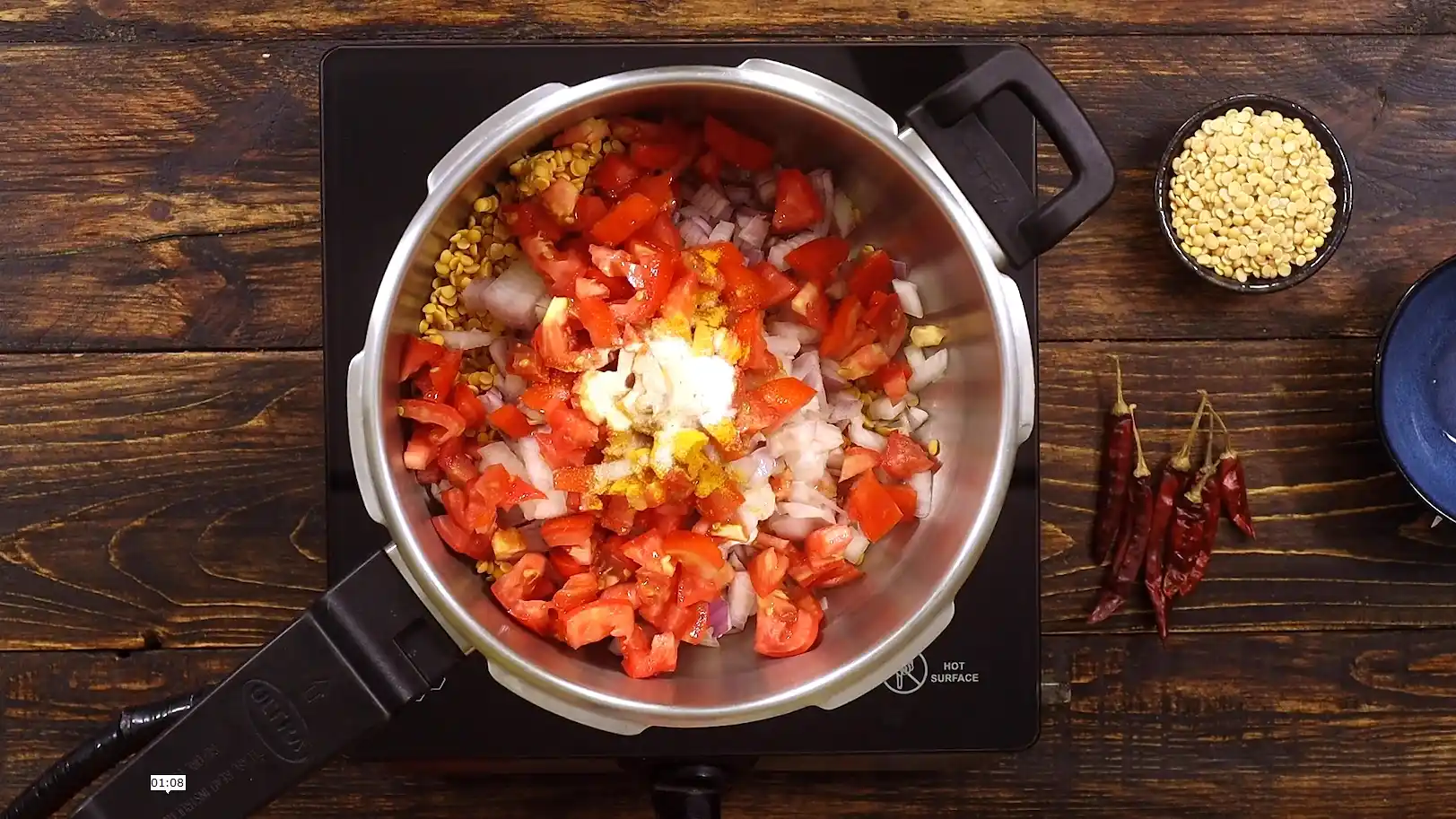
Add soaked dal, onions, tomatoes, turmeric, salt, and asafoetida to a pressure cooker
-
Pressure cook
Add water, mix, and pressure cook until soft -
Roast lentils
Roast chana dal, urad dal, and coriander seeds -
Roast chillies
Add red chillies and roast until dark -
Roast coconut
Add coconut and roast until raw smell leaves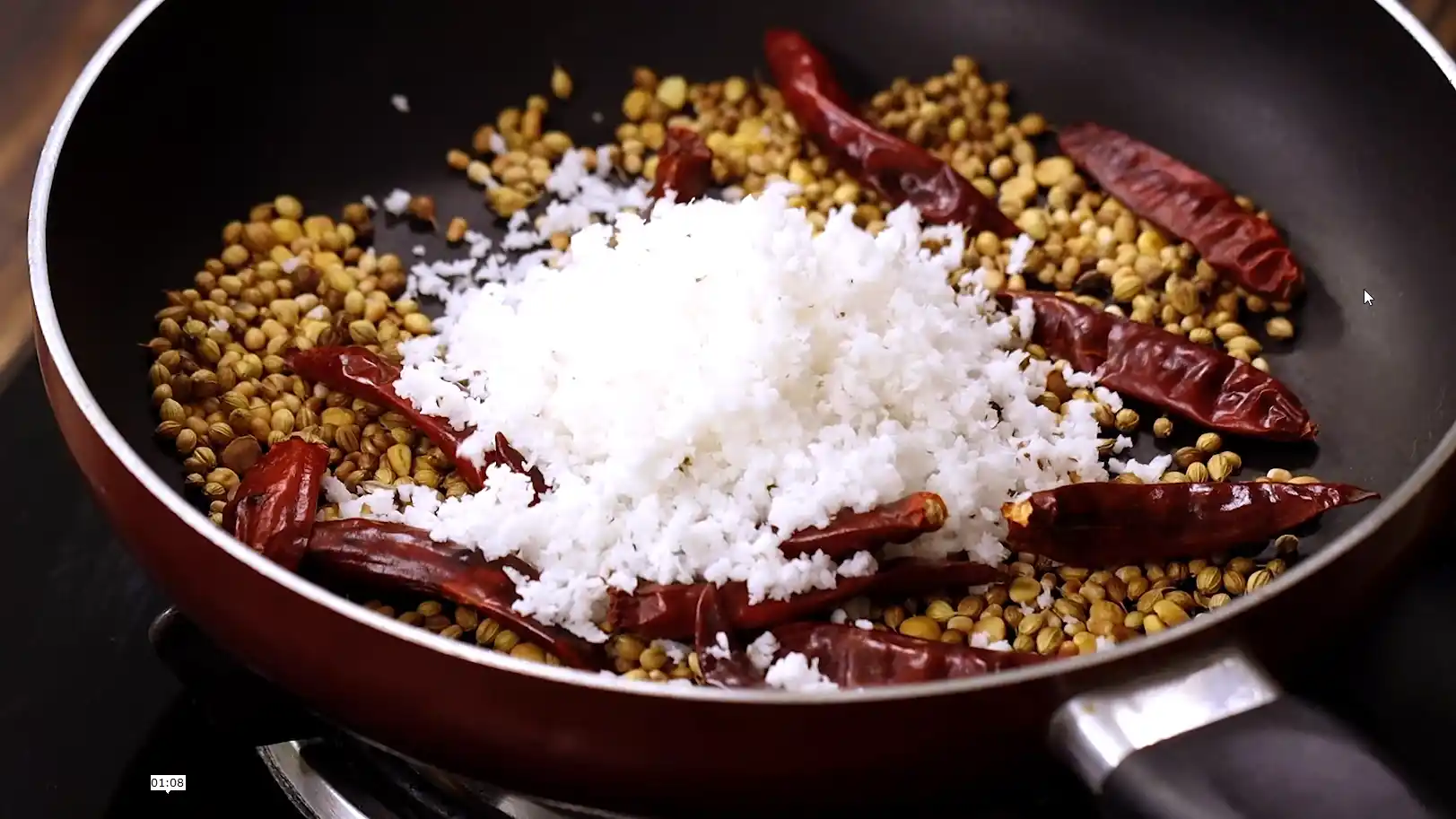
-
Cool mixture
Switch off stove and allow mixture to cool -
Grind masala
Grind roasted ingredients into a fine powder -
Make paste
Add water and grind into smooth paste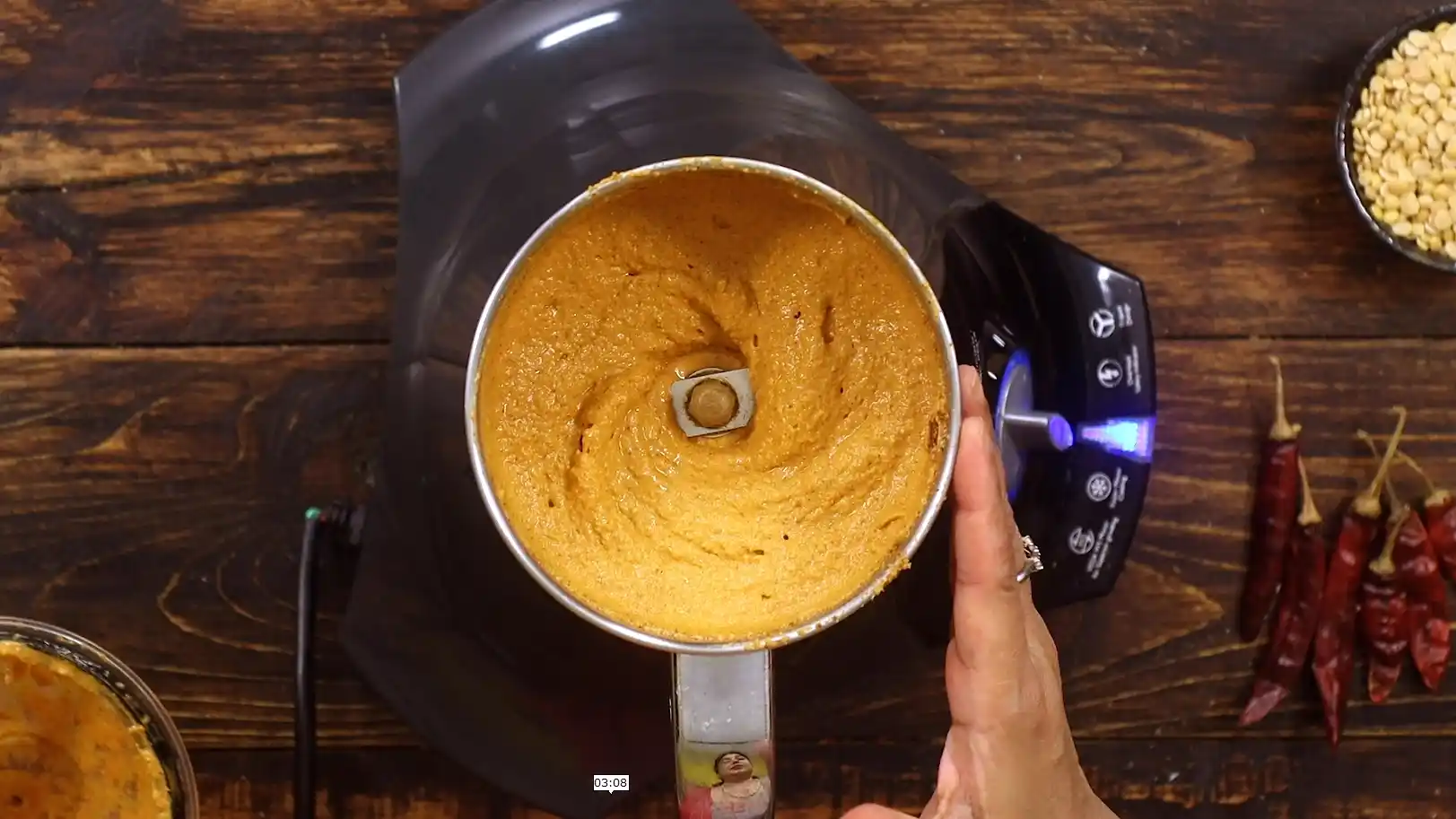
-
Temper ghee
Heat ghee and add urad dal, mustard, and cumin
-
Saute vegetables
Add red chillies, shallots, and drumsticks
-
Add masala
Add ground masala, water, and tamarind puree
-
Combine dal
Add cooked dal and mix well
-
Simmer sambar
Add curry leaves, cover, and cook
-
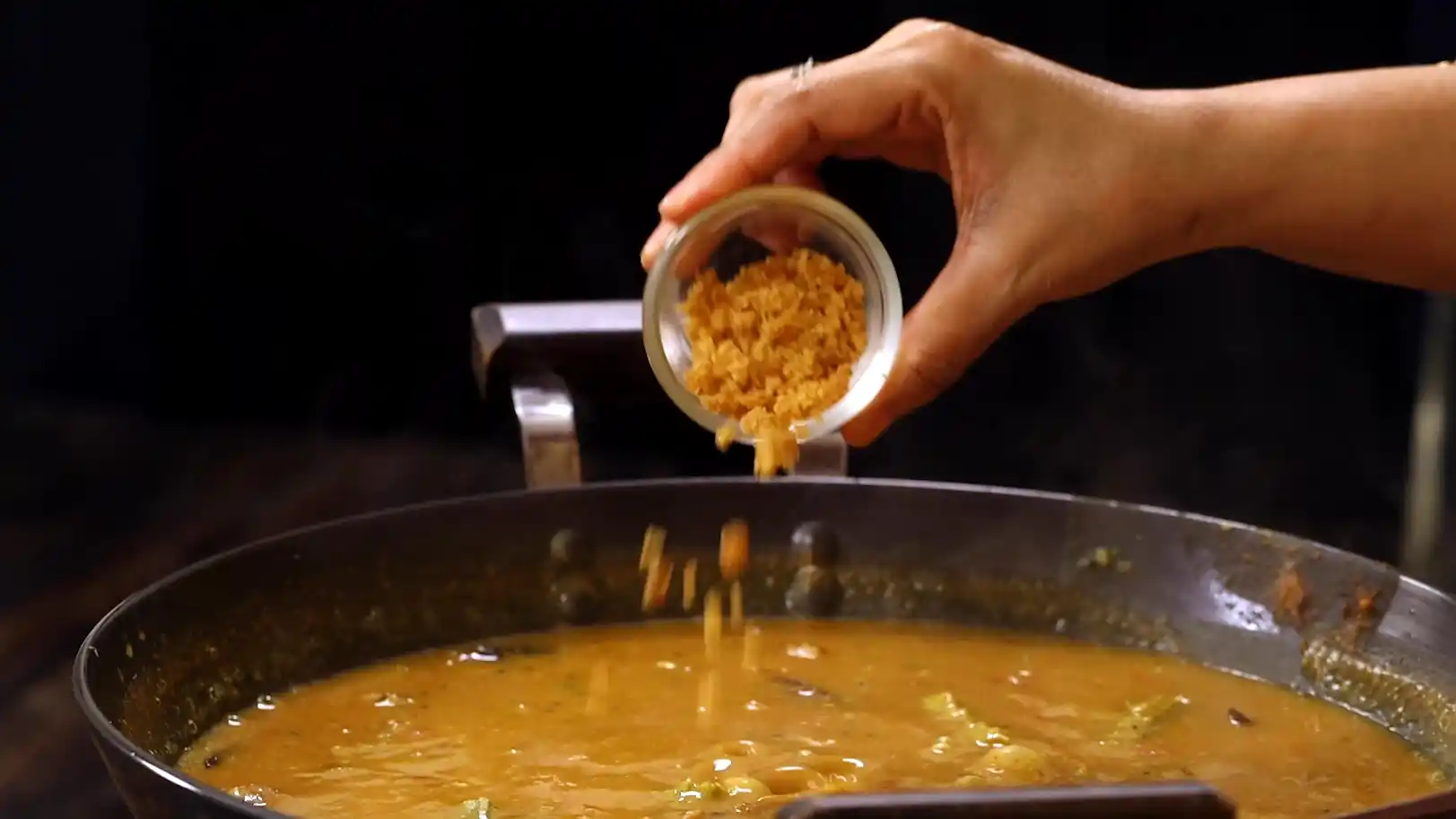
Finish with jaggery
Add jaggery and mix
-
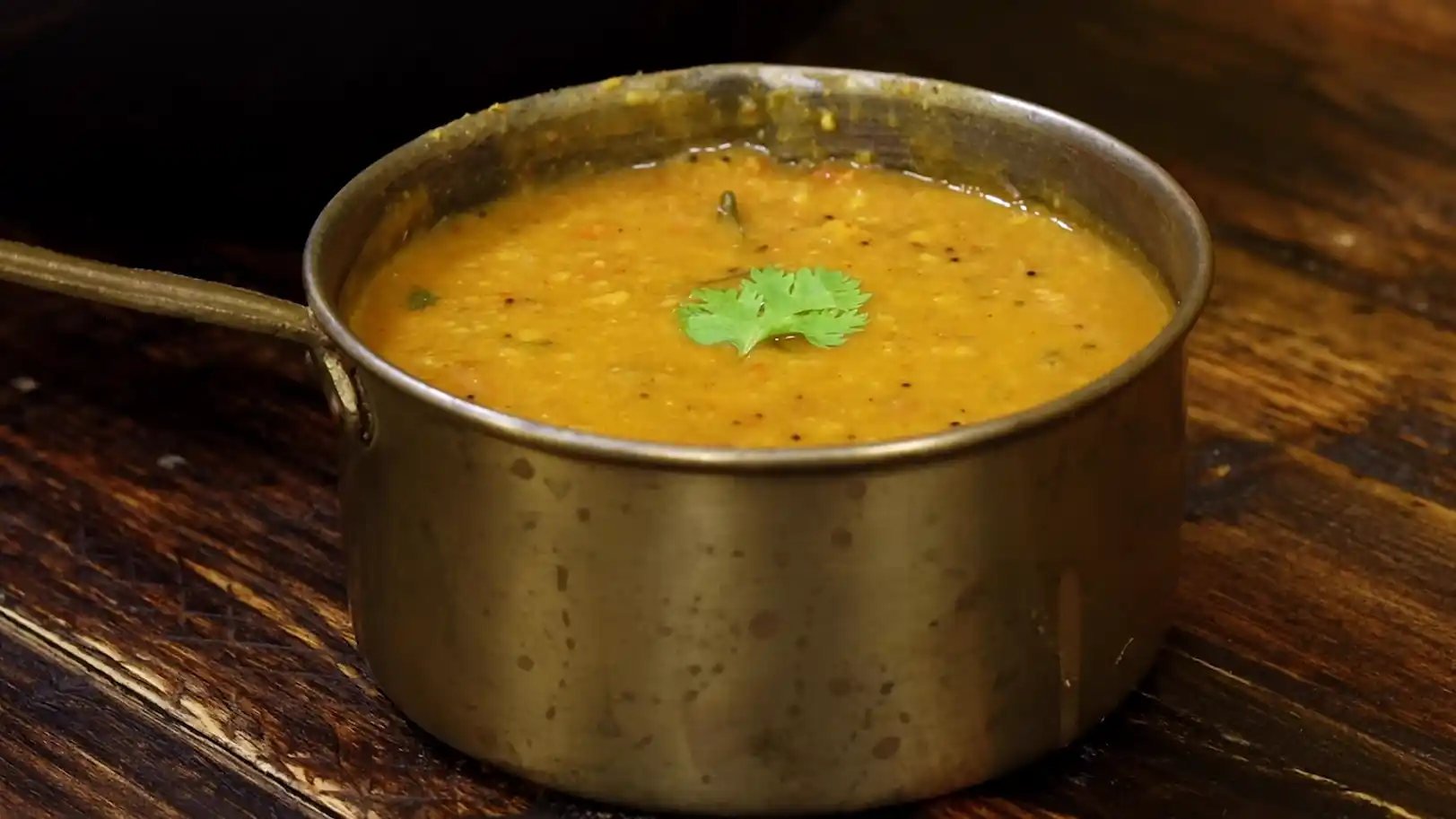
Garnish
Garnish with coriander and serve hot
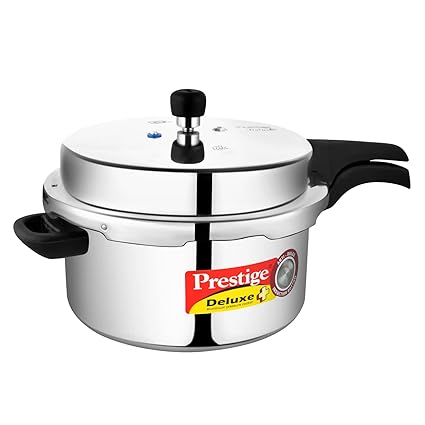
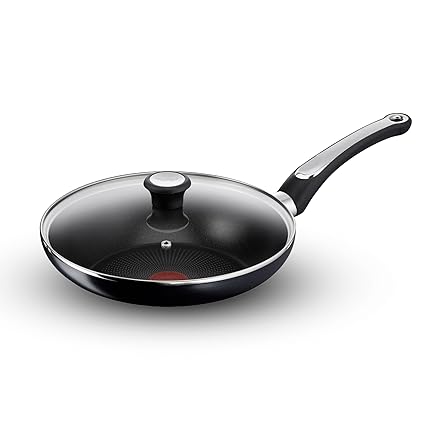
Equipment

Affiliate Disclosure: This post contains Amazon affiliate links, i.e., when you buy any product using the links below, we get commissions. but it doesn’t cost you anything extra. If you do purchase any product using the given links, we thank you in advance!
Nutrition Facts
Servings 6
- Amount Per Serving
- Calories 210kcal
- % Daily Value *
- Total Fat 9g14%
- Saturated Fat 4g20%
- Cholesterol 15mg5%
- Sodium 520mg22%
- Potassium 480mg14%
- Total Carbohydrate 26g9%
- Dietary Fiber 6g24%
- Sugars 6g
- Protein 9g18%
- Calcium 120 mg
- Iron 3.8 mg
- Magnesium 65 mg
* Percent Daily Values are based on a 2,000 calorie diet. Your daily value may be higher or lower depending on your calorie needs.