

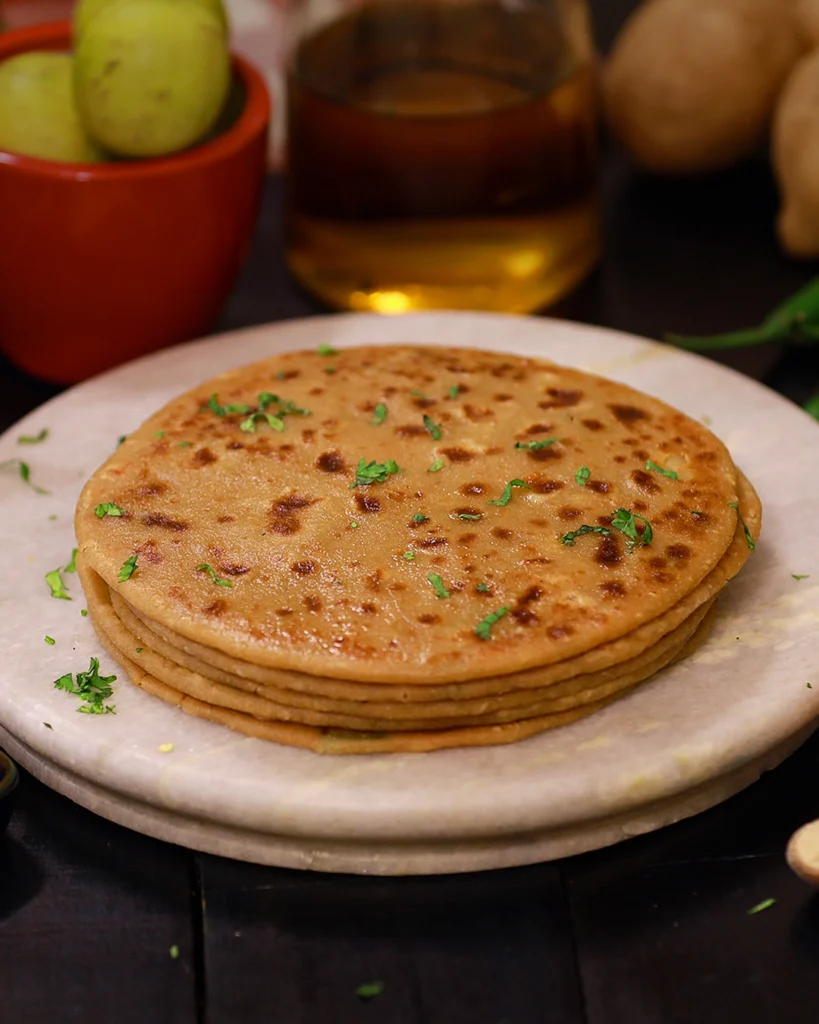

There’s a reason aloo paratha holds a special place in every North Indian’s heart—it’s the ultimate comfort food that manages to be both humble and utterly satisfying. Picture a golden-brown flatbread, crispy and flaky on the outside, tearing open to reveal a spiced potato filling that’s fluffy, aromatic, and just the right amount of fiery. The dough is soft and pliable, enriched with ajwain that adds a subtle, thyme-like warmth and aids digestion. Each bite delivers layers of texture: the crispy, oil-brushed exterior giving way to tender dough, then that perfectly spiced potato center with pops of fresh coriander, heat from green chilies, and the complex warmth of garam masala. The aroma while cooking—ajwain-scented dough hitting hot iron, potatoes browning slightly at the edges where they peek through, that distinctive smell of ghee or oil crisping up the surface—is pure breakfast magic that gets everyone to the table without being called twice.
Aloo paratha is Punjab’s gift to the world, born from the region’s agricultural abundance and the practical wisdom of farmers who needed filling, portable food for long days in the fields. Potatoes, introduced to India by the Portuguese, found their perfect home in North Indian cuisine, and aloo paratha became the most beloved member of the stuffed paratha family. It’s breakfast, lunch, dinner, road trip food, exam-time comfort food, and childhood nostalgia all rolled into one. In traditional Punjabi homes, Sunday mornings mean fresh aloo parathas with a slab of white butter melting on top, eaten with tangy yogurt and spicy pickle. My fondest memories involve watching my mother’s practiced hands—the way she’d roll out perfect circles without any filling escaping, flip them at just the right moment, and serve them so hot you’d have to juggle them from hand to hand before taking that first, perfect bite.
The Ingredients That Make This Potato-Stuffed Flatbread
For the dough, you’ll need wheat flour (atta)—the wholesome base that gives you that nutty, wheaty flavor and holds everything together. Ajwain (carom seeds) is crucial—these tiny seeds add a distinctive flavor (somewhere between thyme and cumin) and help digest the heavy, starchy meal. Salt seasons the dough from within. Water brings it all together into a workable dough. Oil keeps the dough soft and pliable, making it easier to roll without tearing.
For the filling, boiled potatoes form the bulk—starchy, comforting, and the perfect vehicle for all those spices. Green chilies bring fresh heat and a slight bitterness that balances the potato’s blandness. Garam masala adds that complex warmth with its blend of cinnamon, cardamom, cloves, and other spices. Kashmiri red chili powder provides color and mild heat without overwhelming spiciness. Chaat masala is the secret weapon—that tangy, slightly funky spice mix with dried mango powder, cumin, and black salt that makes everything taste more interesting. Fresh coriander leaves add brightness and that essential herbal note. Salt seasons and brings all the flavors together.
For cooking, you’ll need oil—enough to crisp up the parathas beautifully without making them greasy.
How To Make the Perfect Aloo Paratha
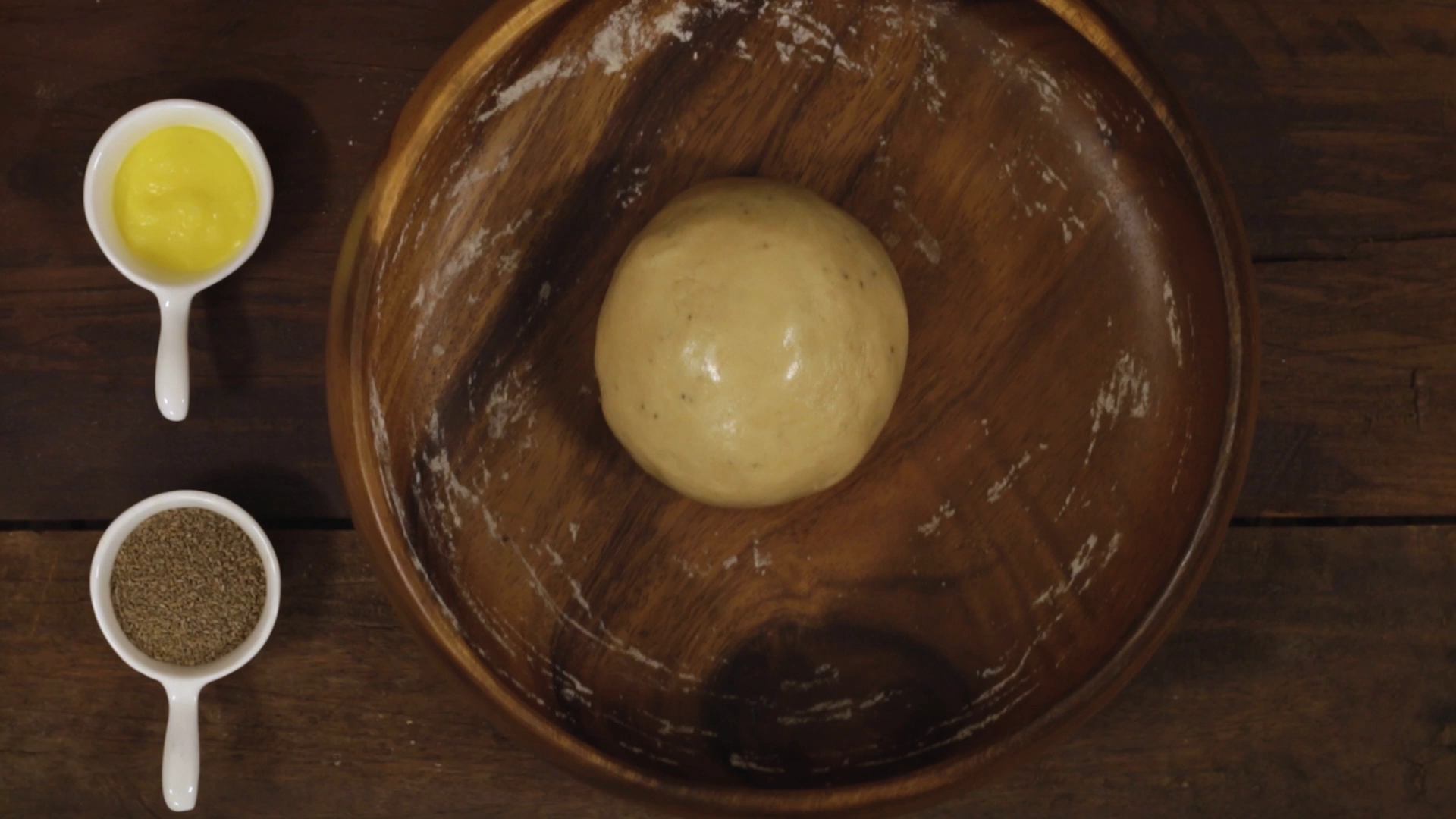
Let’s start with the dough because it needs time to rest and develop. In a large bowl, combine your wheat flour, ajwain, and salt. Mix these dry ingredients well so the ajwain is evenly distributed—you want that flavor throughout. Add water gradually, a little at a time, and start bringing the mixture together with your hands. Once it forms a shaggy mass, start kneading properly. Knead for about 5-7 minutes until you have a soft, smooth, pliable dough that’s slightly softer than chapati dough but not sticky. The dough should feel supple and elastic—when you poke it, it should spring back gently.
Rub a little oil all over the dough ball to prevent it from drying out, cover it with a damp cloth or place it in a covered bowl, and let it rest for at least 20-30 minutes. This resting time is crucial—it allows the gluten to relax and the flour to fully hydrate, making the dough much easier to roll without it springing back or tearing.
💡 Pro Tip: The softer your dough, the softer your parathas will be. Don’t be afraid of a slightly sticky dough—you can always dust with flour while rolling, but you can’t fix tough parathas made from stiff dough.
While the dough rests, let’s prepare that filling. If you haven’t already boiled your potatoes, do that now. Pressure cook them for 4 whistles with enough water to cover them, or boil them in a pot until they’re fork-tender—about 20 minutes. Once cooked, drain them, let them cool slightly, then peel off the skins. The potatoes should be cooked through but not waterlogged or mushy.
Mash the potatoes thoroughly in a large bowl—no lumps, please. Lumps make it harder to roll the parathas smoothly and can cause them to tear. Add your chopped green chilies (remove seeds if you want less heat), chopped coriander leaves, garam masala, Kashmiri red chili powder, chaat masala, and salt. Mix everything together really well with your hands until all the spices are evenly distributed throughout the potato. Taste the mixture—it should be well-seasoned and slightly more flavorful than you think necessary because the bland dough will balance it out. The filling should hold together when pressed but not be wet or sticky.
💡 Pro Tip: Make the filling slightly drier than you think it should be. Excess moisture makes parathas soggy and causes the filling to leak out during rolling. If your potatoes seem watery, cook the filling in a pan for 2-3 minutes to dry it out slightly.
Once your dough has rested, divide it into equal portions—about the size of a large lime or small lemon. Roll each portion between your palms to create smooth balls with no cracks. Divide your potato filling into the same number of portions as your dough balls. This ensures each paratha has equal filling and they cook uniformly.
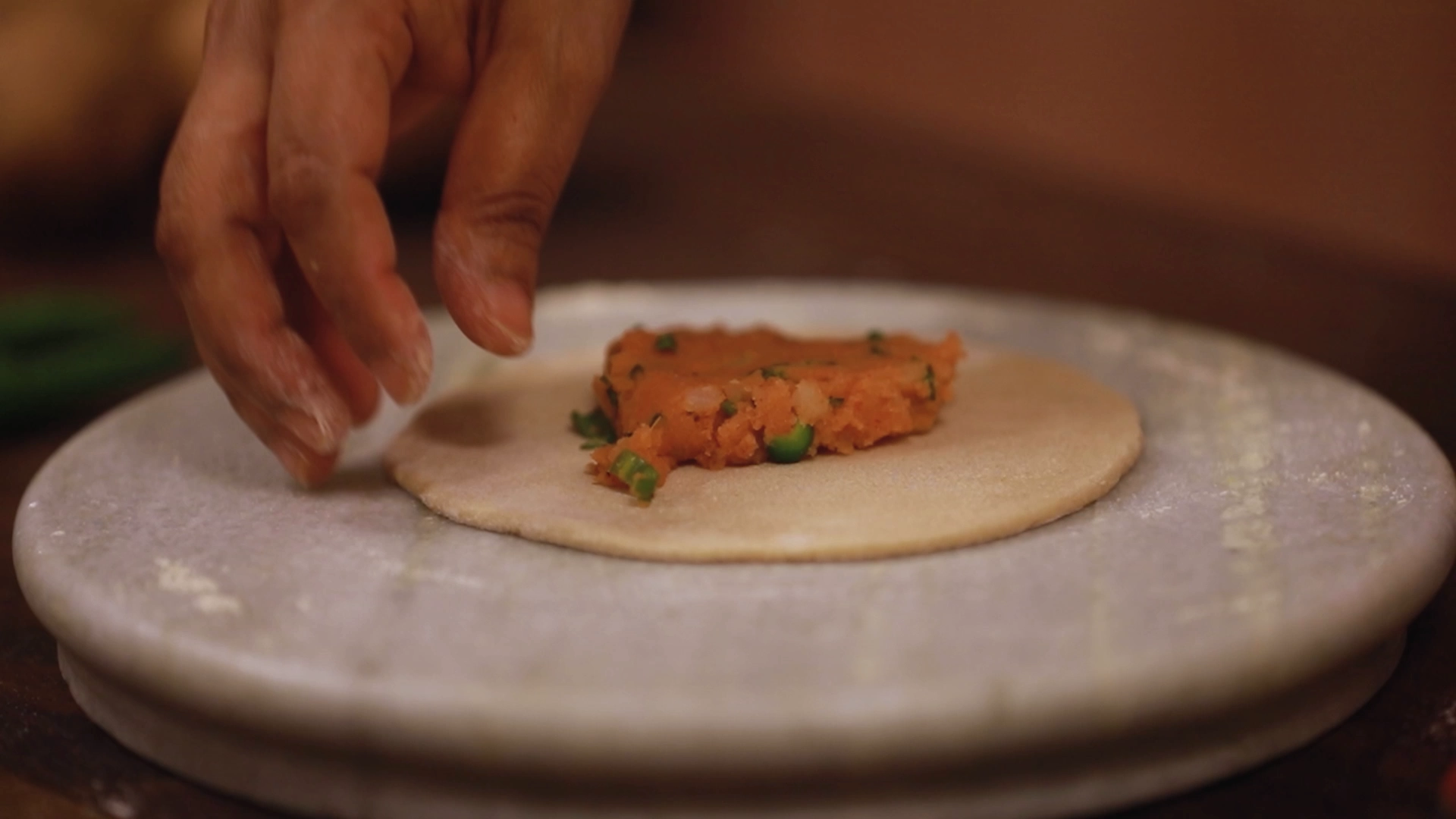
Now for the stuffing technique, which takes a little practice but becomes second nature quickly. Take one dough ball and flatten it slightly with your palm. Dust it lightly with flour and roll it out into a small circle about 3-4 inches in diameter—not too thin, you need it strong enough to hold the filling. Place one portion of potato filling right in the center of this circle. Don’t overfill—less is more here. If you’re greedy with the filling, you’ll struggle to seal it and it will leak out during rolling.
Now gently pull the edges of the dough up and over the filling from all sides, gathering them in the center like a little pouch or money bag. Pinch all the edges together firmly to seal, then twist slightly to secure. You should have a stuffed ball with all the filling completely enclosed inside and no cracks or openings.
Dust this stuffed ball lightly with flour on all sides. Place it seam-side down on your rolling surface and gently flatten it with your palm. Now comes the delicate part—rolling out the stuffed paratha. Using a rolling pin, roll gently and evenly from the center outward, rotating the paratha as you go to maintain a circular shape. Apply even, gentle pressure—if you press too hard in one spot, the filling will break through. Roll it out to about 6-7 inches in diameter, slightly thicker than a regular chapati.
💡 Pro Tip: If the filling breaks through while rolling, don’t panic. Just pinch that spot closed, dust it with flour, and continue carefully. A small leak won’t ruin the paratha. With practice, you’ll develop the feel for how much pressure to use.
Heat your tawa or flat griddle over medium-high heat until it’s properly hot—sprinkle a few drops of water on it; they should sizzle and evaporate immediately. Place your rolled paratha on the hot tawa. Let it cook undisturbed for about 30-45 seconds until you see small bubbles forming on the surface and the bottom side starts to develop light brown spots.
Flip it over using a flat spatula. Now drizzle about half a teaspoon of oil around the edges of the paratha and on top. After another 30-40 seconds, flip it again. Drizzle oil on this side too. Now use your spatula to press gently on the paratha, especially around the edges and any spots that look pale—this helps it cook evenly and develop those gorgeous golden-brown spots.
Keep flipping every 30 seconds or so, pressing gently with the spatula, until both sides have beautiful golden-brown spots and the paratha is cooked through and crispy on the outside. The whole process takes about 3-4 minutes per paratha. You should be able to see the layers separating slightly, and the paratha should feel firm but give slightly when pressed.
💡 Pro Tip: Don’t skimp on the oil or use high heat. Medium heat ensures the potato filling cooks through without the outside burning. The oil is what gives you that crispy, flaky texture. If you want it healthier, use less oil, but traditional aloo paratha is meant to be indulgent.
What Goes Along With This Delicious Aloo Paratha?
Aloo paratha is traditionally served with white butter or ghee melting on top—that’s non-negotiable in Punjabi homes. Plain yogurt or raita (yogurt with cucumber and spices) provides cooling contrast. Pickle—mango, lime, or mixed vegetable—adds tangy, spicy kick. Some people love it with a simple onion-tomato salad or just sliced onions sprinkled with chaat masala. A glass of lassi (sweet or salted yogurt drink) or a hot cup of masala chai completes the meal perfectly.
You can pair it with these gravies:
- Aloo Sabzi
- Meal Maker Curry (Soya Chunks Curry)
- Dal Fry
- Dal Makhani
- Tomato Curry
- Chana Masala
- Afghani Paneer
How to Serve
Serve aloo parathas hot off the tawa—that’s when they’re at their absolute best, crispy on the outside and steaming inside. Stack them in a covered container or wrap them in a clean kitchen towel to keep them warm if making multiple parathas. The traditional presentation is simple: place the paratha on a plate, top with a generous pat of butter or dollop of ghee, and serve with yogurt and pickle on the side. They’re meant to be eaten with your hands, torn into pieces and used to scoop up yogurt or wrapped around pickle.
How to Store
Store cooked parathas in an airtight container at room temperature for up to 24 hours, or refrigerate for 2-3 days. They won’t be as crispy after storing, but they’re still delicious. The dough can be refrigerated for up to 2 days—bring it to room temperature before rolling. The potato filling lasts 3-4 days refrigerated and can even be frozen for up to a month.
How to Reheat This Potato Paratha
Reheat parathas on a hot tawa for 30 seconds on each side, adding a tiny bit of oil or ghee to refresh the crispiness. You can also microwave them for 20-30 seconds wrapped in a damp paper towel (they’ll be soft, not crispy), or toast them in a toaster oven at 180°C (350°F) for 3-4 minutes to restore some crispiness.
Common Substitutions
No ajwain? Use dried thyme or just skip it—the parathas will still be delicious. Want to make the filling more interesting? Add grated paneer, chopped onions (sautéed first to remove moisture), or crushed kasuri methi (dried fenugreek leaves). Out of chaat masala? Use amchur (dried mango powder) mixed with a pinch of black salt. Can’t eat potatoes? Try mashed cauliflower or radish as filling—just make sure to squeeze out excess water. For a protein boost, add some cooked peas or crumbled paneer to the potato filling.
🌿 Vegan Swap: Aloo paratha is already vegetarian, and to make it vegan, simply use oil instead of ghee for cooking and skip the butter on top. Serve with vegan yogurt or just pickle. The dough and filling are already plant-based.
Packing for a Party / Bulk Preparation
Aloo parathas are fantastic for meal prep and feeding crowds. Make the dough and filling the night before and refrigerate separately. In the morning, assemble and cook fresh—once you’re in the rhythm, you can roll and cook simultaneously with two tawas going. For an even quicker option, stuff all the parathas, stack them with parchment paper between each one, and refrigerate or freeze. Cook directly from the fridge (or thawed if frozen) whenever you need them. For parties or large gatherings, set up a live paratha-making station—people love watching, and fresh hot parathas straight off the tawa are unbeatable. You can also make smaller, cocktail-sized parathas (about 4 inches in diameter) that are easier to handle as appetizers or snacks. For lunch boxes, these stay soft even when cold and are beloved by kids and adults alike.
Other Related Recipes You Might Like:-
- Vazhakkai Kola Urundai — crunchy plantain fritters that make a spicy, textural side with stuffed parathas.
- Fruit Mixer — chilled fruit drink to balance the heat — a refreshing beverage pairing.
- Plantain Fry (Easy Side Dish) — simple, spiced plantain slices — a sweet-savory side for parathas.
- Bhindi Masala — tangy, spiced okra curry — a dry vegetable side that complements parathas well.
- Quick Easy Tomato Poha — tangy, light flattened-rice stir — great as a breakfast alternative or side.
- Aloo Methi (Under 30 Minutes) — quick potato and fenugreek stir — a classic, flavorful partner for aloo paratha.
- Chole Masala Powder — spice blend to make a robust chickpea curry — excellent when served alongside parathas.
Aloo Paratha
Description
Golden, crispy on the outside and packed with a flavorful, spiced potato filling inside—Aloo Paratha is the ultimate comfort food. Whether it’s breakfast with a dollop of butter, a cozy lunch with curd, or a dinner treat with pickle, this stuffed flatbread never disappoints. It’s easy to make, satisfying, and guaranteed to put a smile on your face with every bite!
Ingredients
For the Dough
For the Filling
Other
Instructions
Prep Work
-
Knead the dough
Mix wheat flour, ajwain, salt, and water to knead a soft dough. Rub a little oil on a dough and Let it rest.
-
Boil and mash potatoes
Pressure cook the potatoes for 4 whistle and peel the skin, and mash them. -
Prepare the filling
Add green chilies, coriander, red chili powder, garam masala, chaat masala, and salt to mashed potatoes. Mix well.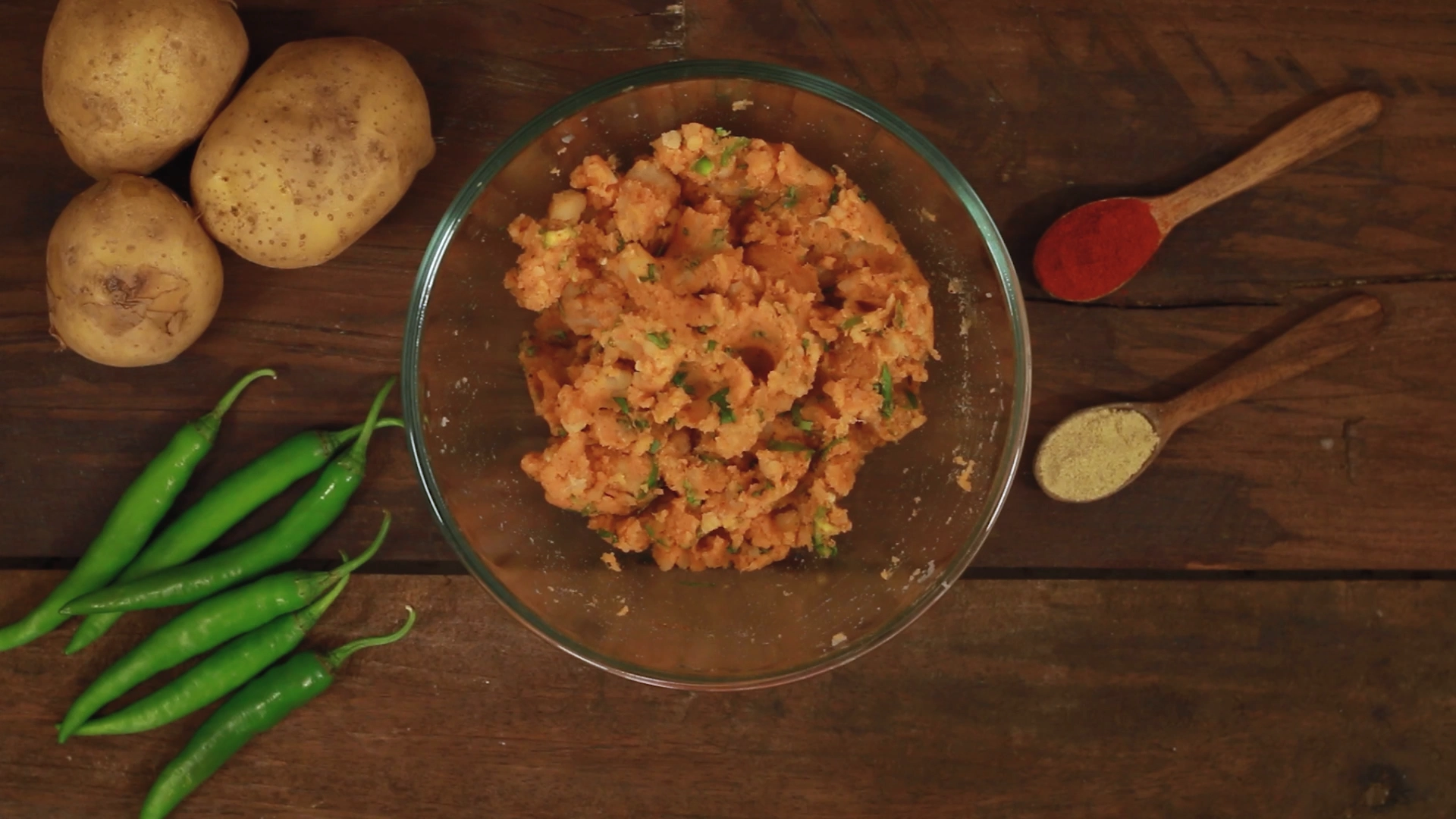
-
Make dough balls
Divide the dough into equal-sized balls for rolling.
Method
-
Stuff the dough
Flatten a dough ball, place some potato filling in the center, and fold it into a parcel.
-
Roll the paratha
Gently roll out the stuffed dough ball into a round paratha.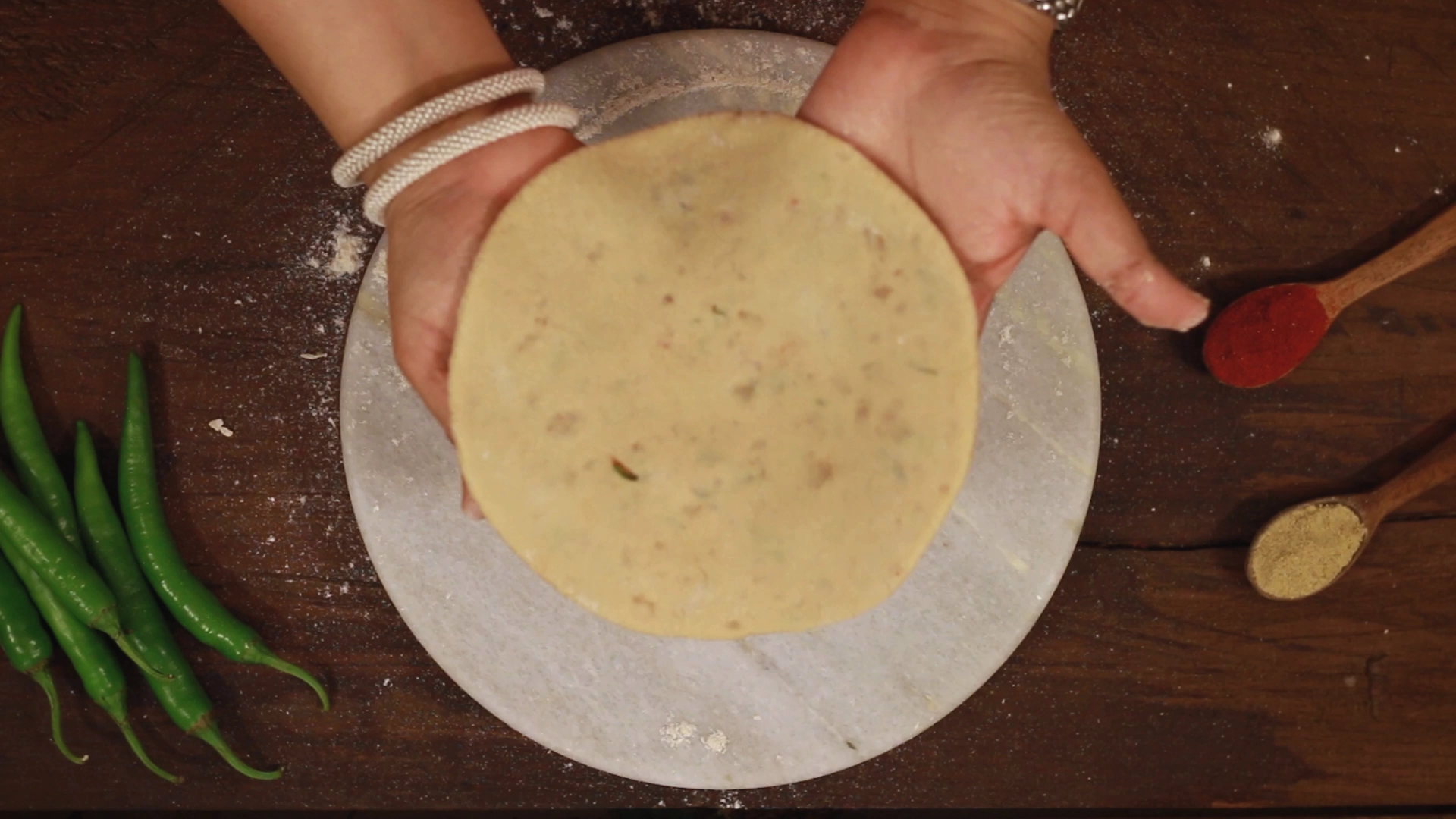
-
Heat the tawa
Place a rolled-out paratha onto a hot tawa. -
Flip and cook
Flip the paratha when one side is cooked. Cook the other side. -
Add oil and cook
Drizzle oil around the edges, cook both sides until golden. -
Serve hot
Remove from heat and serve hot with butter, yogurt, or pickle.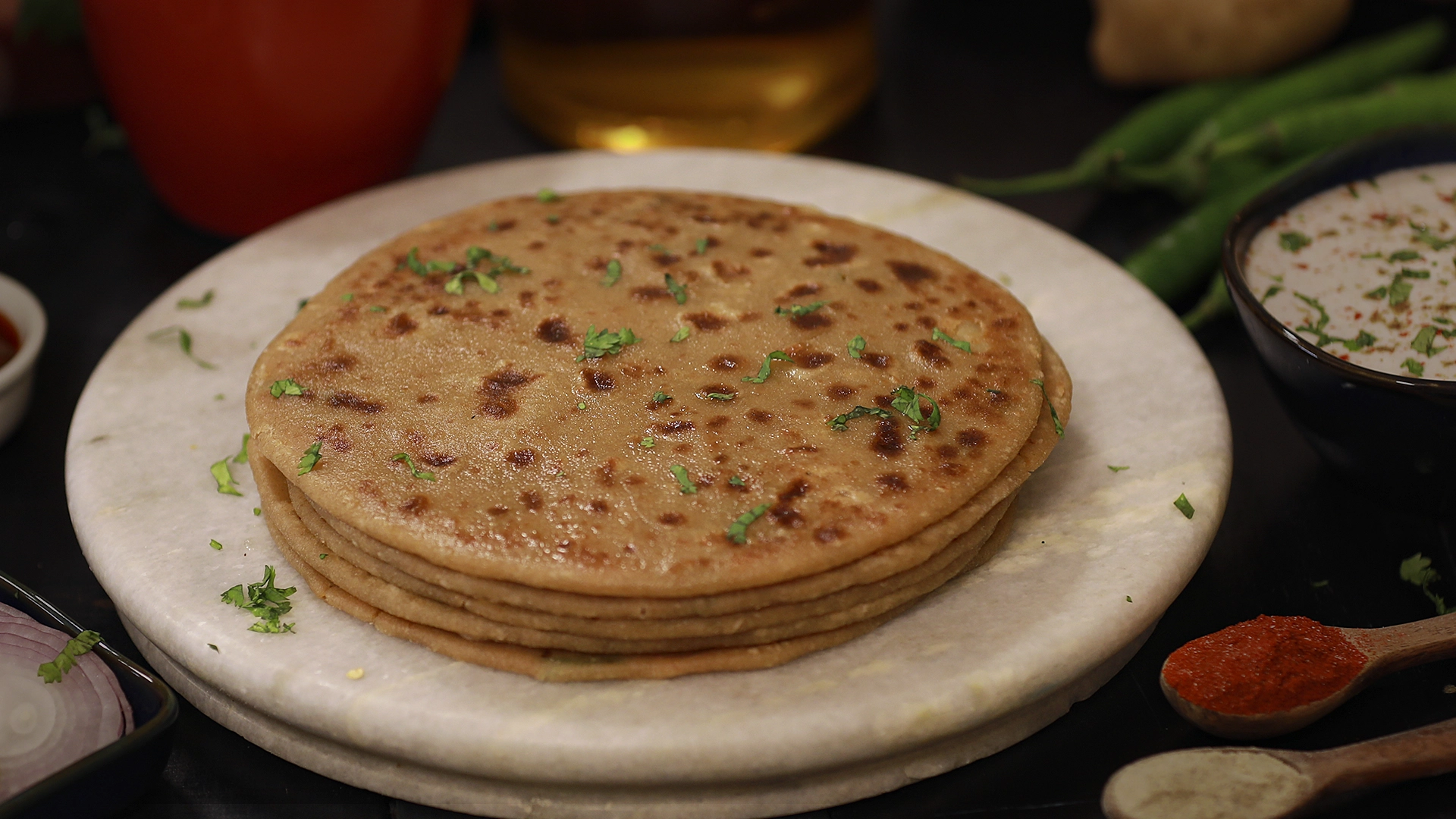
Equipment
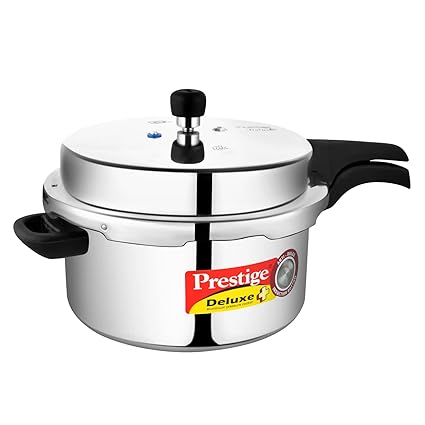
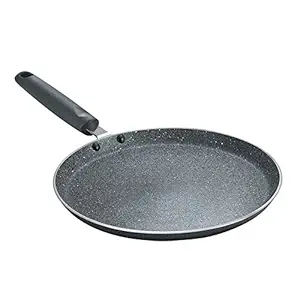
Affiliate Disclosure: This post contains Amazon affiliate links, i.e., when you buy any product using the links below, we get commissions. but it doesn’t cost you anything extra. If you do purchase any product using the given links, we thank you in advance!
Nutrition Facts
Servings 4
- Amount Per Serving
- Calories 280kcal
- % Daily Value *
- Total Fat 8g13%
- Saturated Fat 2g10%
- Sodium 320mg14%
- Potassium 450mg13%
- Total Carbohydrate 42g15%
- Dietary Fiber 6g24%
- Sugars 2g
- Protein 7g15%
- Vitamin A 220 IU
- Vitamin C 12 mg
- Calcium 40 mg
- Iron 2.5 mg
- Magnesium 35 mg
- Zinc 1 mg
* Percent Daily Values are based on a 2,000 calorie diet. Your daily value may be higher or lower depending on your calorie needs.