

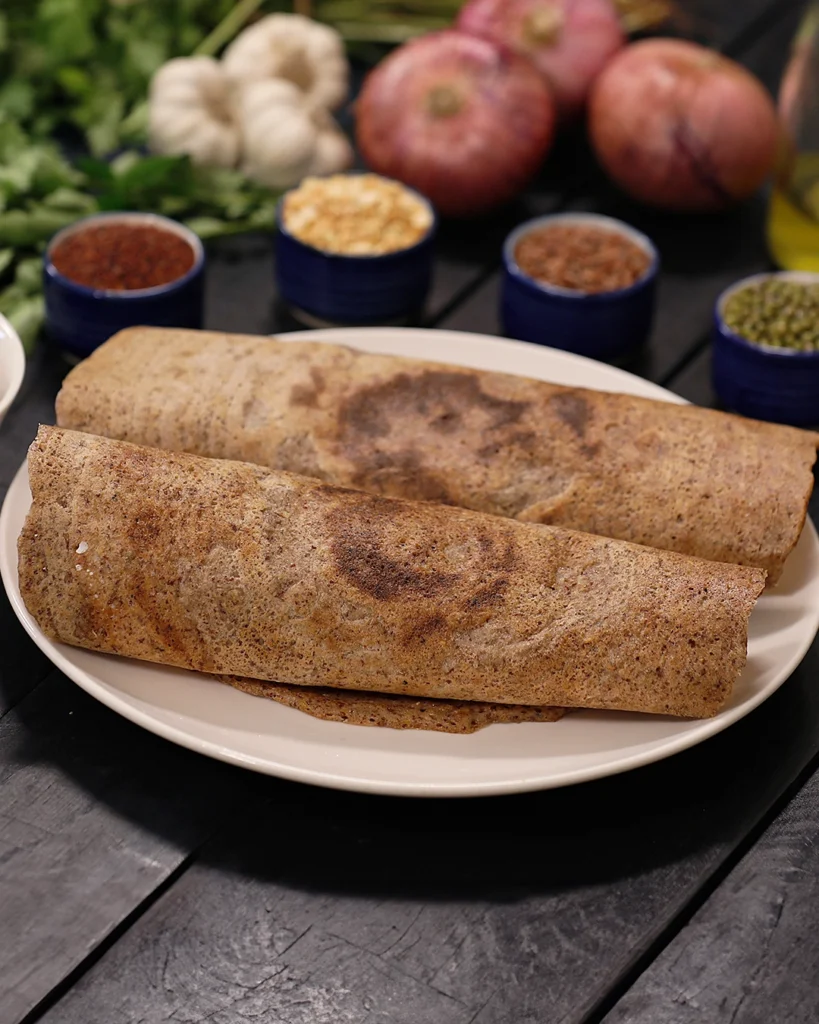

Imagine a dosa that’s not just delicious but practically a complete meal in itself—crispy-edged, golden-brown, with a nutty complexity that regular dosas can’t match. This isn’t your everyday rice-and-lentil dosa; this is a nutritional powerhouse loaded with nine different grains and lentils, each bringing its own texture, flavor, and health benefits. The taste is earthy and wholesome, with a subtle sweetness from the corn, a hint of nuttiness from the millets, and that familiar tangy fermented flavor we all love in dosas. The texture is slightly heartier than regular dosas, with a satisfying bite and gorgeous brown speckles from the ragi and brown rice. The aroma while cooking—that fermented batter hitting a hot griddle, releasing notes of toasted grains—tells you you’re making something special. This is breakfast that fuels you through the entire morning, perfect for health-conscious food lovers who refuse to compromise on taste.
Multigrain dosa is a modern innovation born from India’s growing wellness movement and the rediscovery of traditional millets and ancient grains. While our grandparents ate these grains regularly, they fell out of favor during the green revolution when polished white rice became the staple. Now, as people seek healthier alternatives and sustainable food choices, these forgotten grains are making a comeback. Nutritionists love multigrain dosa because it’s high in protein, fiber, and minerals while being naturally gluten-free. Home cooks love it because once you’ve got the batter fermenting, you have a week’s worth of healthy breakfasts ready to go. I started making this when my doctor suggested adding more whole grains to my diet, and I was skeptical that “healthy” food could taste this good—but it does, and now it’s become a weekend staple in my kitchen.
The Ingredients
For this nutritional marvel, you’ll need an impressive lineup:
- Moong dal (split green gram) brings a mild, slightly sweet flavor and helps with digestion.
- Urad dal (split black gram) is crucial for fermentation and gives the dosa its soft, fluffy texture.
- Toor dal (pigeon pea lentils) adds body and a subtle earthy taste.
- Corn kernels provide natural sweetness and little pops of texture.
- Green gram dal offers protein and a pleasant, bean-like flavor.
- Black gram dal adds depth and helps bind everything together.
- Ragi (finger millet) is the superfood star—loaded with calcium and giving the dosa its distinctive color and nutty taste.
- Foxtail millet brings a light, delicate texture and mild flavor.
- Brown rice (or red rice if you can find it) forms the base, providing structure and that classic dosa texture with added fiber and nutrients.
- Fresh green chilies and ginger add heat and aromatics.
- Salt seasons and controls fermentation.
- Chana dal (split chickpeas) adds a slightly sweet, nutty note and creates a lovely crispy texture when the dosa cooks.
How To Make Multigrain Dosa
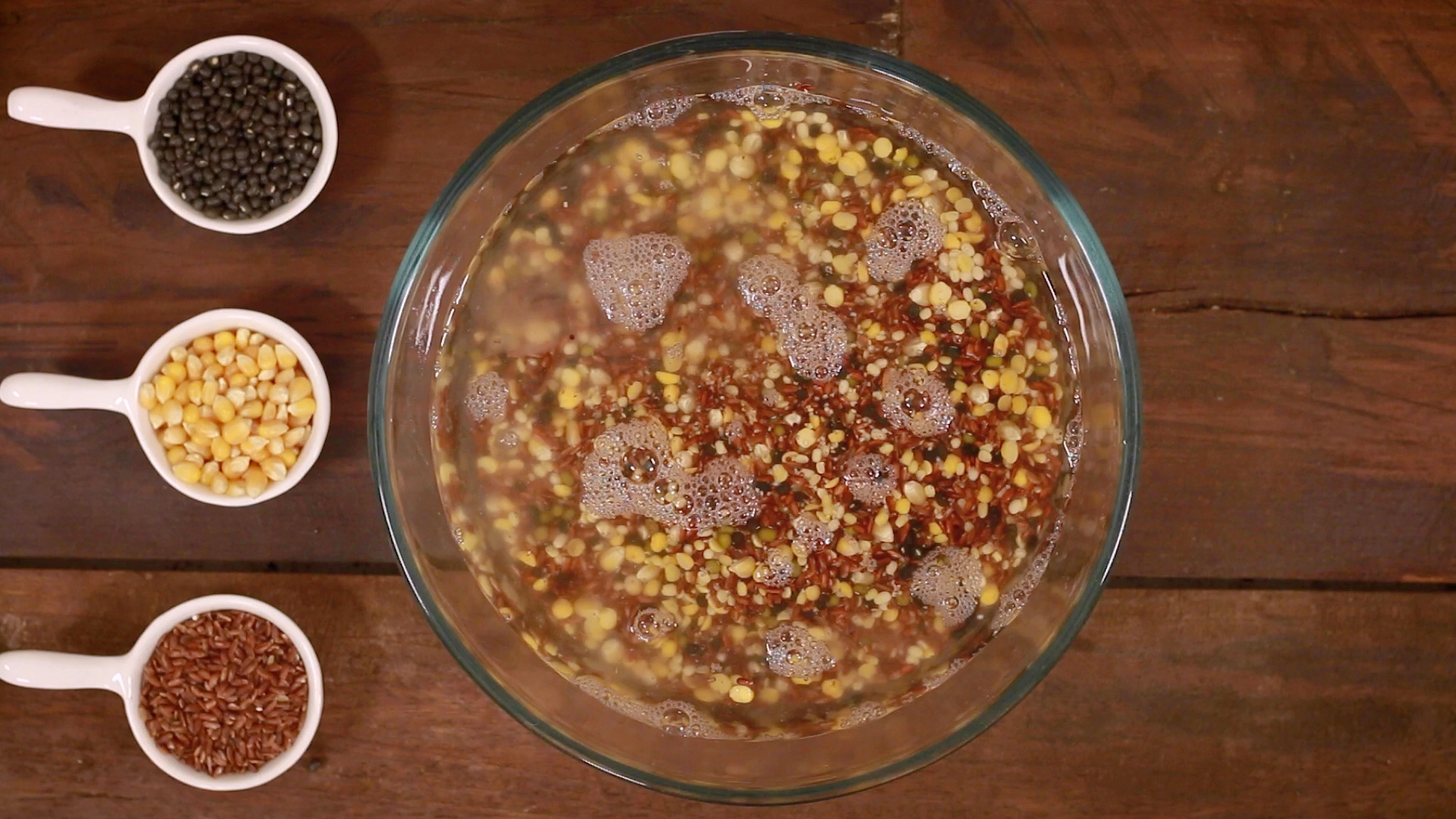
The prep work for multigrain dosa requires planning—this isn’t an instant recipe, but the hands-on time is minimal, and the results are absolutely worth it. Take all your grains, dals, and corn kernels (everything except the green chilies, ginger, and coriander leaves) and rinse them thoroughly in several changes of water. Combine them all in a large bowl and cover with plenty of water—they’ll expand as they soak, so give them room. Let them soak for 6-8 hours or overnight. This soaking is crucial—it softens the grains, makes them easier to grind, and kick-starts the fermentation process by activating enzymes.
While your grains are soaking, roughly chop your green chilies and ginger. You don’t need them super fine since they’re going into the grinder, but breaking them down a bit helps achieve a smoother batter.
💡 Pro Tip: Soaking time matters. Less than 6 hours and your grains won’t grind smoothly. More than 10 hours in hot weather and they might start fermenting prematurely, which can make the batter overly sour.
After soaking, drain the water completely—don’t add that soaking water to your batter as it can make it too thin and affect fermentation. Transfer everything to a wet grinder if you have one (that’s the traditional way and gives the best texture), or use a high-powered blender if you don’t. Add your chopped green chilies and ginger now. Grind everything together, adding fresh water gradually—just enough to help the blades move and create a smooth batter. You want it to be thick and slightly coarse, like a grainy pancake batter. The consistency should be such that it flows slowly off a spoon but still holds its shape.
The grinding might take 10-15 minutes depending on your equipment. With a blender, you may need to stop and scrape down the sides several times, and add water in small amounts to keep things moving. Don’t add too much water—you can always thin the batter later, but you can’t thicken it easily. The batter should have a slightly coarse texture from all those grains; perfectly smooth isn’t what you’re after here.
💡 Pro Tip: If using a regular blender, grind in batches. Overfilling makes it hard to get a uniform consistency, and you’ll end up with some grains ground fine and others barely broken down.
Transfer the batter to a large container—and I mean large, because this batter is going to rise significantly. Add salt and mix it in well. The salt helps control fermentation and adds flavor, but don’t add too much as it can slow down the fermentation process. Cover the container loosely with a lid or cloth—you want air to circulate but dust and insects to stay out. Place it in a warm spot and let it ferment for about 8 hours or until it becomes airy, bubbly, and has risen by at least a third. In warmer climates, this might happen in 6 hours; in colder places, it could take up to 12-14 hours. You’ll know it’s ready when you see bubbles throughout the batter and it smells pleasantly sour.
After fermentation, give the batter a gentle stir—it will deflate a bit, which is normal. Check the consistency. If it’s too thick after fermenting, add water a little at a time until you get a flowing but not watery consistency. The batter should spread easily on the pan but not run off like water.
Now for the fun part—making the dosas. Heat a non-stick pan or a well-seasoned cast iron dosa tawa over medium-high heat. The pan needs to be properly hot—sprinkle a few drops of water on it; they should sizzle and evaporate immediately. If you’re using a cast iron pan, rub it with a little oil and wipe it clean with a cloth.
Pour a ladleful of batter in the center of the pan and immediately spread it outward in circular motions using the back of the ladle, working from the center to the edges. Spread it as thin as you can—thinner dosas are crispier. You’ll see tiny holes forming in the dosa, which is perfect. Drizzle a little oil or ghee around the edges and on top.
Let it cook undisturbed for about 2-3 minutes. The edges will start to lift and turn golden brown, and the surface will look set and dry. Use a flat spatula to gently lift one edge—if it releases easily and has a nice golden-brown color underneath with crispy edges, it’s ready to flip. Flip it over and cook the other side for another minute or so until it’s golden and crisp.
💡 Pro Tip: The first dosa is always a test run to get the heat right. If it sticks, your pan isn’t hot enough or needs more oil. If it burns before cooking through, lower the heat. Adjust and try again—by the third dosa, you’ll have the technique down.
What Goes With Multigrain Dosa
Multigrain dosas are hearty enough to stand on their own, but they’re traditionally served with coconut chutney—the creamy coolness perfectly balances the earthy grains. A spicy sambhar loaded with vegetables makes it a complete meal. Tomato chutney or peanut chutney work beautifully too. Some people love multigrain dosas with just a smear of butter or ghee and a sprinkle of podi (spice powder). A side of potato palya (dry potato curry) is another classic combination.
How to Serve This Nutritious Dosa
Serve these dosas hot off the griddle—that’s when they’re at their crispiest. Fold them in half or roll them up, place them on a warm plate, and serve immediately with your choice of chutney and sambhar on the side. If you’re making multiple dosas, keep them warm in a covered casserole or hot pack, though they’re honestly best eaten fresh.
How to Store Multigrain Dosa Batter
The fermented batter is where the magic is—store it in an airtight container in the fridge for up to 5-7 days. It actually improves over the first couple of days as the flavors develop. Just give it a good stir before using and check the consistency, adding water if it’s thickened too much. Cooked dosas are best eaten fresh, but you can store leftovers in an airtight container in the fridge for a day. They’ll lose their crispiness but are still tasty.
How to Reheat
To reheat cooked dosas and bring back some crispiness, warm them on a dry tawa or pan for 30 seconds on each side. You can also use a toaster oven or regular oven at 180°C (350°F) for 3-4 minutes. Microwave works but makes them soft and chewy rather than crispy. For the batter, bring it to room temperature before making dosas—cold batter doesn’t spread as well.
Common Substitutions
Don’t have all nine grains and lentils? Use what you have—the beauty of multigrain dosa is its flexibility. Just maintain the ratio of about two-thirds grains to one-third lentils for proper texture and fermentation.
Can’t find ragi? Use more foxtail millet or add quinoa. No foxtail millet? Try barnyard millet or little millet. Missing brown rice? Regular parboiled rice works, though you’ll lose some nutritional value. Out of corn? Skip it or add some oats instead. The key is variety—you want at least 4-5 different grains and lentils for that complex flavor and texture.
Packing for a Party / Bulk Preparation
Multigrain dosa is a meal-prepper’s dream because the batter lasts all week. Make a big batch on Sunday, let it ferment, and you’ve got healthy breakfasts or light dinners for days. The batter also freezes beautifully—portion it into smaller containers or freezer bags, thaw overnight in the fridge when needed, and it’s ready to use. For parties, make the dosas ahead and keep them warm in a covered dish, or set up a live dosa-making station if you’re feeling ambitious—people love watching dosas being made. You can also make mini multigrain dosas (uttapam-sized) as appetizers, topped with onions and tomatoes, which are easier to manage for a crowd.
Other Dosa Recipes You Might Like:
- Set Dosa — Soft and spongy layered dosa variation.
- Soft Bun Dosa — Fluffy dosa with a bun-like texture.
- Ghee Karam Dosa — Dosa tossed with aromatic ghee for rich flavor.
- Green Gram Dosa Weight Loss Recipe — Healthy green gram dosa for a nutritious start.
- Egg Dosa — Protein-packed dosa with a thin egg layer.
- Banana Dosa — Sweet and fruity banana dosa variation.
- Beetroot Dosa — Vibrant, colorful dosa made with beetroot puree.
Multigrain Dosa
Description
This high-protein multigrain dosa is a delicious twist on the traditional South Indian favorite. Made with a hearty mix of dals, millets, and whole grains, it's naturally gluten-free, rich in plant-based protein, and full of fiber. The batter is soaked, blended with green chillies and ginger, then fermented to get that perfect crispy texture on the tawa. It’s a wholesome, nourishing breakfast that pairs beautifully with chutney or sambar. Whether you're looking to eat clean or just switch up your breakfast routine, this dosa will keep you full and fueled for hours!
Ingredients
Instructions
Prep Work
-
Soak grains and dals
Soak all grains and lentils (except green chillies, ginger, and coriander leaves) for 6–8 hours
-
Chop ingredients
Roughly chop green chillies and ginger before blending for a smoother batter texture
Method
-
Soak the grains and lentils
Soak all the grains, dals, and corn kernels together for 6-8 hours, excluding green chillies, ginger, and coriander leaves.
-
Blend the batter
After soaking, grind the ingredients with green chillies and ginger until you get a smooth batter.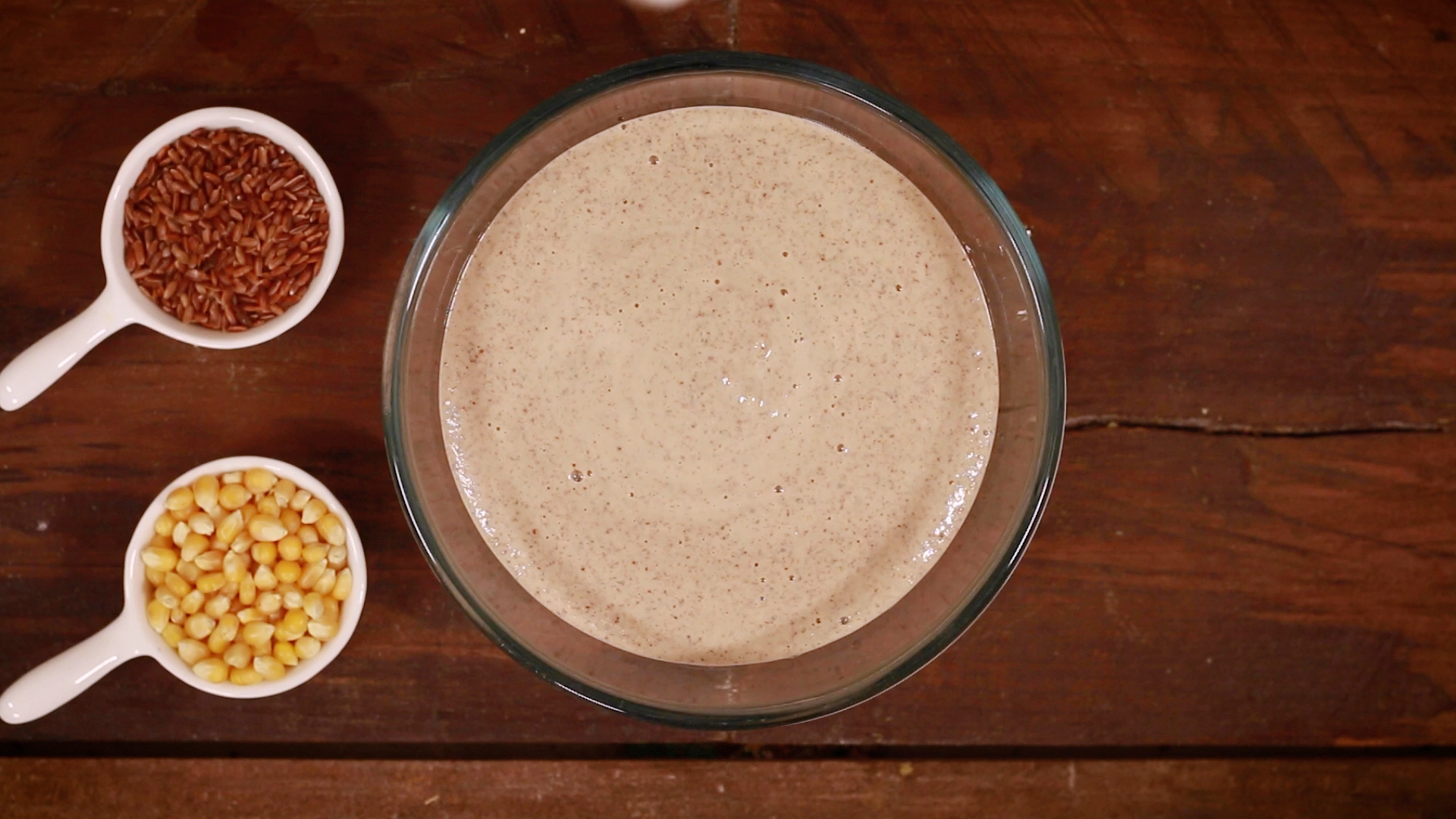
-
Ferment the batter
Let the batter ferment for around 8 hours until it becomes airy and slightly bubbly.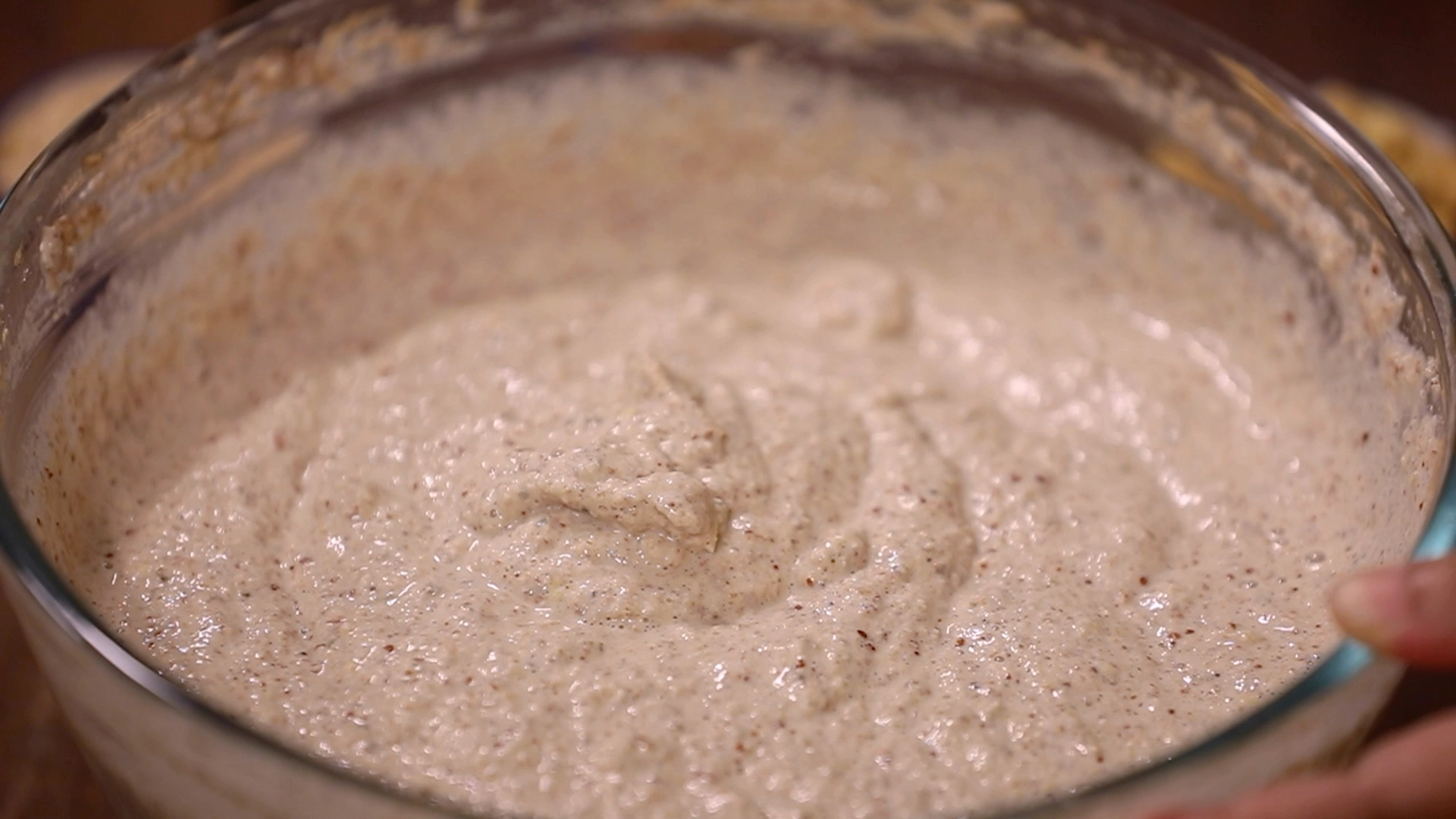
-
Make the dosas
Once fermented, heat a non-stick pan and spread the batter evenly to make thin dosas. Cook until crisp and golden on both sides.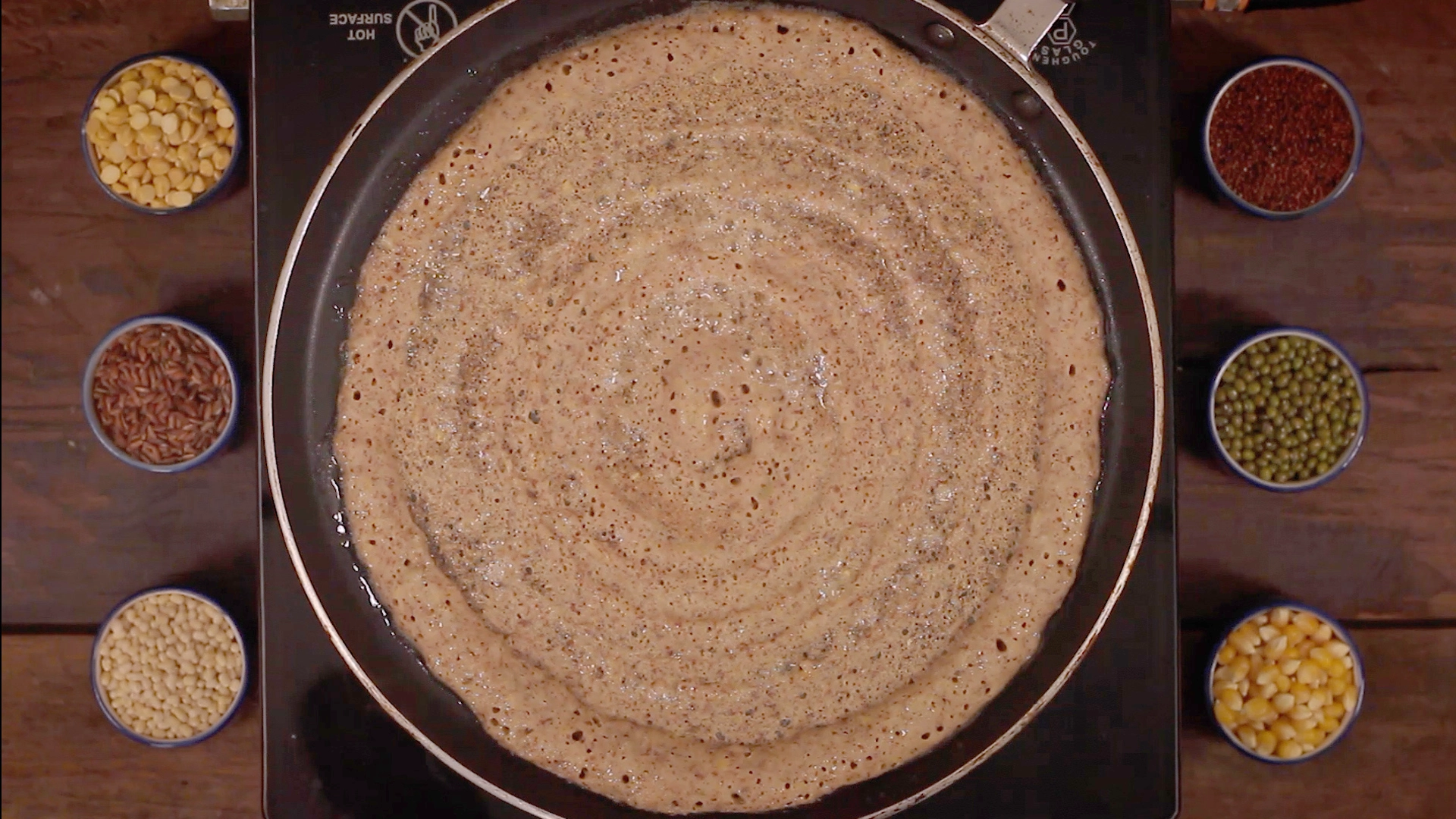
-
Serve hot
Serve your dosas hot with sambar and chutney for a complete, protein-rich meal.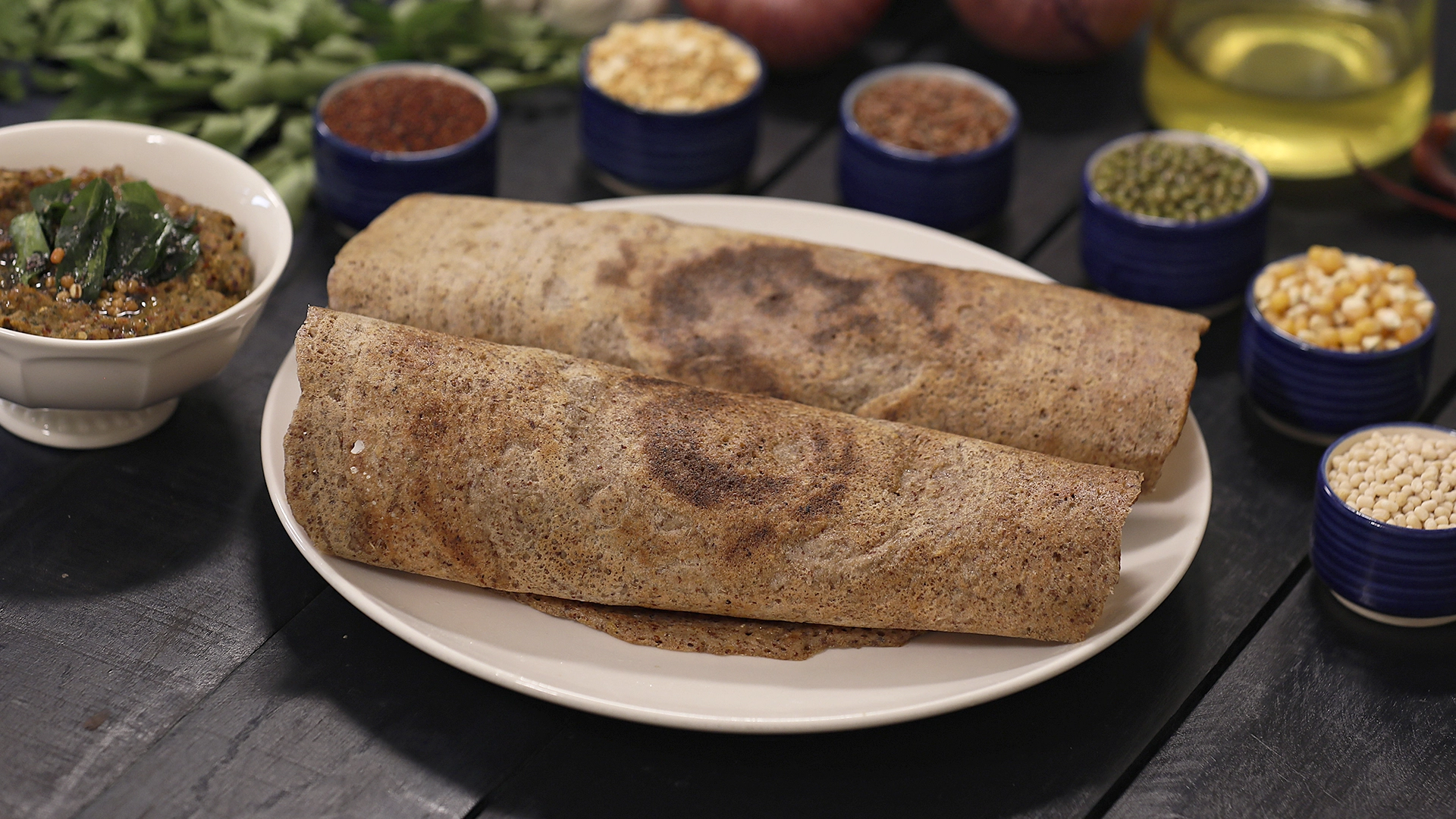
Equipment
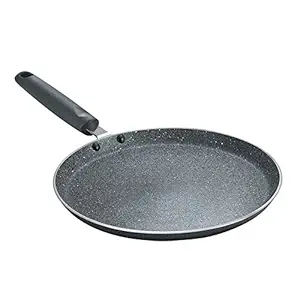

Affiliate Disclosure: This post contains Amazon affiliate links, i.e., when you buy any product using the links below, we get commissions. but it doesn’t cost you anything extra. If you do purchase any product using the given links, we thank you in advance!
Nutrition Facts
Servings 6
- Amount Per Serving
- Calories 210kcal
- % Daily Value *
- Total Fat 4g7%
- Sodium 120mg5%
- Potassium 280mg8%
- Total Carbohydrate 32g11%
- Dietary Fiber 5g20%
- Sugars 1g
- Protein 10g20%
- Vitamin A 50 IU
- Calcium 30 mg
- Magnesium 45 mg
* Percent Daily Values are based on a 2,000 calorie diet. Your daily value may be higher or lower depending on your calorie needs.