

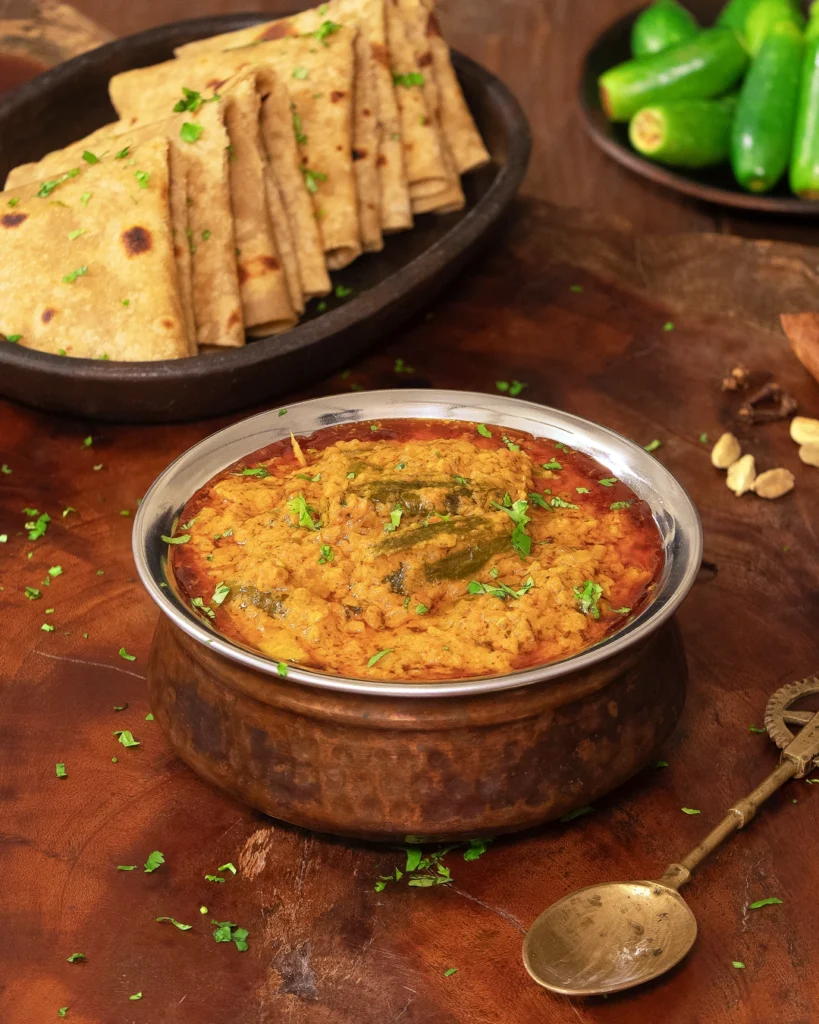

Ivy Gourd Curry (Kovakkai Curry), also known as Tindora Masala or Dondakaya Masala, is a rich and flavorful side dish that pairs beautifully with chapati, roti, or even rice. Ivy gourd (kovakkai) is a highly nutritious vegetable, packed with fiber, vitamins, and antioxidants. It is known for its benefits in regulating blood sugar and aiding digestion, making this dish a healthy and delicious choice.
Dondakaya in Andhra Cuisine
In Andhra cuisine, dondakaya (ivy gourd) is a staple vegetable used in everyday cooking. Known for its slightly crunchy texture and mild, neutral taste, it easily absorbs flavors, making it ideal for a variety of dishes. Andhra households prepare dondakaya in multiple ways—Dondakaya Vepudu (a simple stir-fry with spices), Dondakaya Pachadi (a spicy chutney), and Dondakaya Ulli Karam (stir-fried with onion and chili paste).
One of the most popular preparations is Dondakaya Masala Curry, where the vegetable is cooked in a rich, spicy gravy, making it a perfect side dish for rice or roti. The combination of whole spices, roasted peanut paste, and tangy tomato base enhances the natural taste of ivy gourd, turning it into a flavorful and hearty dish.
What Makes This Dondakaya Masala Curry So Flavorful?
- Ivy Gourd (Dondakaya / Kovakkai) – Has a mild taste and firm texture that absorbs the rich masala flavors. Light frying adds a subtle crispness.
- Oil – Enhances the flavors of spices and helps in frying the ivy gourd for better texture.
- Whole Spices (Cinnamon, Clove & Cardamom) – Adds warmth, depth, and an aromatic touch to the curry.
- Shahi Jeera & Fennel Seeds – Shahi jeera gives a slightly earthy, smoky flavor, while fennel seeds add a mild sweetness and fragrance.
- Onions – Provides a natural sweetness and base for the masala, helping to balance the spices.
- Tomato Puree – Adds tanginess and helps create a thick, luscious gravy.
- Ginger-Garlic Paste – Brings a sharp, pungent flavor that enhances the overall depth of the dish.
- Turmeric Powder – Gives color and a slight earthy bitterness, balancing other spices.
- Chili Powder – Adds heat and a vibrant red color to the curry.
- Coriander & Cumin Powder – Enhances the depth of flavor with warm, citrusy, and earthy notes.
- Salt – Balances and elevates all the flavors.
- Roasted Peanuts – Adds a creamy, nutty richness to the gravy, making it thick and flavorful.
- Garam Masala – A blend of spices that deepens the aroma and gives a final burst of warmth.
- Sugar – A small amount balances the acidity of tomatoes and spiciness.
- Ginger Juliennes & Green Chili – Adds fresh heat and a sharp bite at the end.
- Kasuri Methi – Infuses a mild bitterness and a rich, restaurant-style aroma to the curry.
How to Make It?
To make this flavorful Dondakaya Masala Curry, we start by preparing the ivy gourd. First, wash them thoroughly, trim off the edges, and make slits so they can absorb all the delicious masala later. Then, heat some oil in a pan and fry the ivy gourd until they turn slightly golden. This step is crucial because it enhances their texture, giving them a slight crispness on the outside while keeping them tender inside. Once fried, set them aside.
💡 Pro Tip: Frying the ivy gourd before adding it to the curry helps remove excess moisture and prevents the dish from becoming watery.
Now, in the same pan, we build the base of the curry. Add whole spices like cinnamon, cloves, and cardamom, followed by shahi jeera and fennel seeds. As they sizzle and release their aroma, add finely chopped onions and sauté them until golden brown. This step adds sweetness and depth to the curry. Once the onions are perfectly caramelized, stir in some ginger-garlic paste and let it cook until the raw smell disappears.
Next, it’s time to bring in the masalas. Sprinkle turmeric, red chili powder, coriander powder, and cumin powder, mixing everything well so the spices bloom in the oil. Then, pour in the tomato puree, letting it cook until the oil starts to separate—this ensures the tomatoes lose their raw taste and become rich and flavorful. To enhance the body of the gravy, add some water and allow everything to simmer.
Meanwhile, grind roasted peanuts into a fine powder. This is the secret to giving the gravy a creamy, nutty richness. Stir the peanut powder into the simmering masala and mix well. The peanuts not only thicken the gravy but also balance the heat from the spices. Now, return the fried ivy gourd to the pan, ensuring they are well-coated in the masala. Cover the pan and let everything cook together, allowing the tindora to soak up all the flavors.
As the curry nears completion, add a final touch of garam masala, a tiny bit of sugar to balance the flavors, and finish with fresh ginger juliennes, slit green chilies, and crushed kasuri methi. This last step gives the curry an irresistible aroma and a burst of freshness.
💡 Pro Tip: Always crush kasuri methi between your palms before adding—it releases more flavor and blends better into the dish.
At this point, the oil will have separated from the gravy, indicating that the dish is perfectly cooked. Give it a quick stir, and your rich, spicy, and deeply flavorful Dondakaya Masala Curry is ready to serve. It pairs beautifully with hot rotis, phulkas, or even a simple bowl of steamed rice.
What Pairs Well
Dondakaya Masala Curry is a rich, flavorful dish that works beautifully with both Indian breads and rice-based meals. Here’s how you can serve it for the best experience:
With Indian Breads
- Chapati or Phulka – The soft, slightly chewy texture of chapatis or phulkas balances the spicy, nutty curry beautifully.
- Paratha – A flaky, buttery paratha adds a delicious contrast to the thick gravy, making every bite indulgent.
- Naan or Tandoori Roti – If you’re looking for a slightly heavier option, naan or tandoori roti complements the creamy, masala-infused gravy well.
With Rice Dishes
- Steamed Rice – A simple bowl of plain, hot rice is the easiest and most comforting way to enjoy this curry.
- Jeera Rice – The mild cumin aroma of jeera rice pairs well with the rich, nutty undertones of the peanut-infused gravy.
- Ghee Rice – The buttery goodness of ghee rice enhances the curry’s spice and adds a subtle richness.
- Vegetable Pulao – A lightly spiced, fragrant pulao with vegetables makes for a well-balanced meal.
💡 Pro Tip: If serving with rice, add a spoonful of ghee on top—it enhances the flavors and makes the meal even more aromatic.
As Part of a Full South Indian Meal
- Pair it with curd rice or a side of raita for a cooling contrast.
- Serve it alongside papad or pickle for an added crunch and tang.
- If making a South Indian-style feast, pair it with sambar, rasam, and a dry vegetable stir-fry to complete the meal.
Ivy Gourd Curry
Description
This Ivy Gourd Curry, also known as Tindora Masala, is a flavorful Indian dish where tender ivy gourd is cooked in a rich, spiced peanut-based gravy. The combination of roasted peanuts, aromatic spices, and a touch of sweetness makes the curry creamy, balanced, and deeply satisfying. It’s a versatile recipe that pairs perfectly with roti, phulka, plain rice, or even flavored rice dishes. If you’re looking for a simple
Ingredients
Instructions
Prep Work
-
Prepare ivy gourd
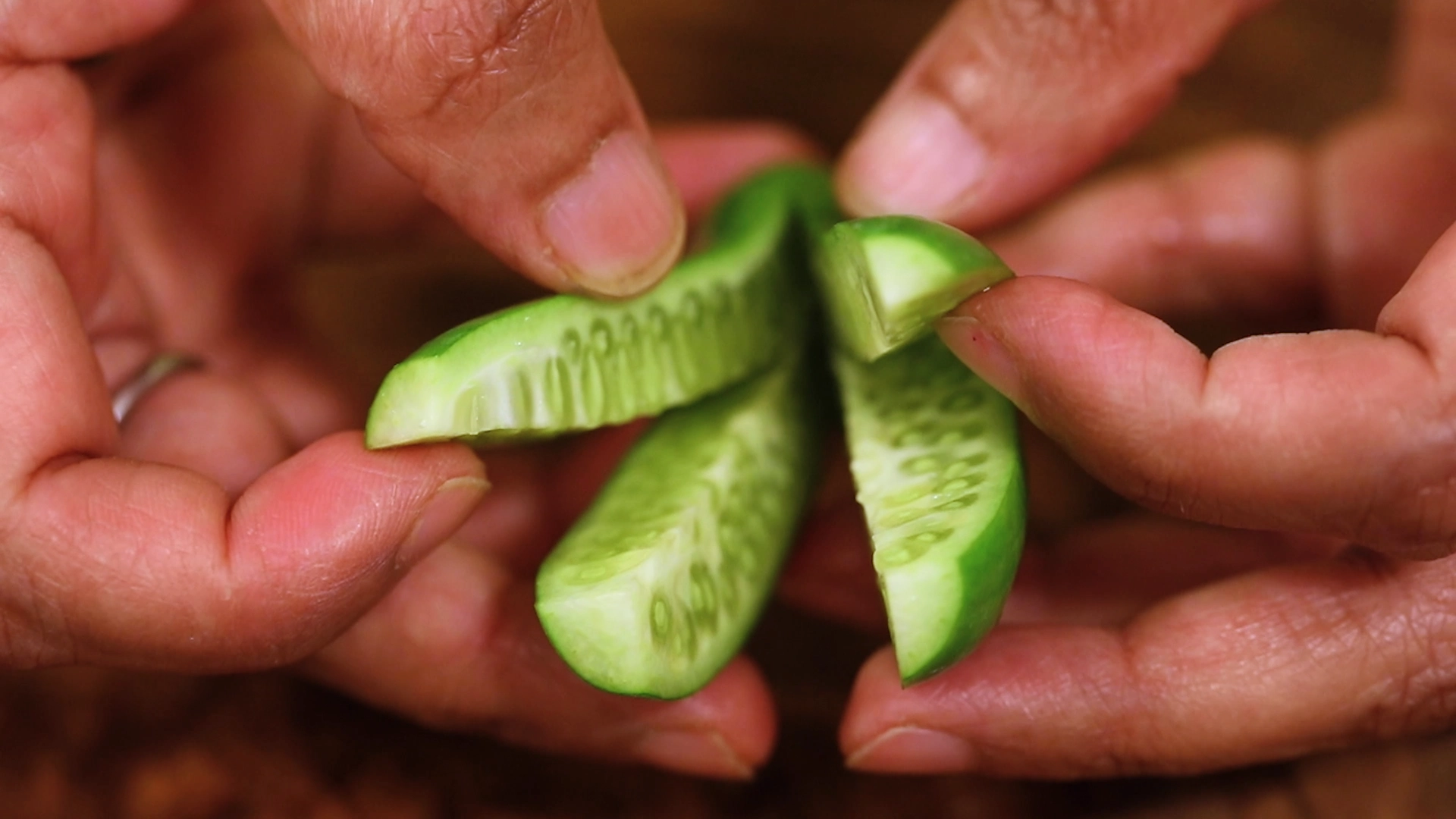
Wash, trim edges, and make slits in each ivy gourd
-
Chop onions
Finely chop onions for the curry base. -
Grind peanuts
Peel roasted peanuts and grind into a fine powder.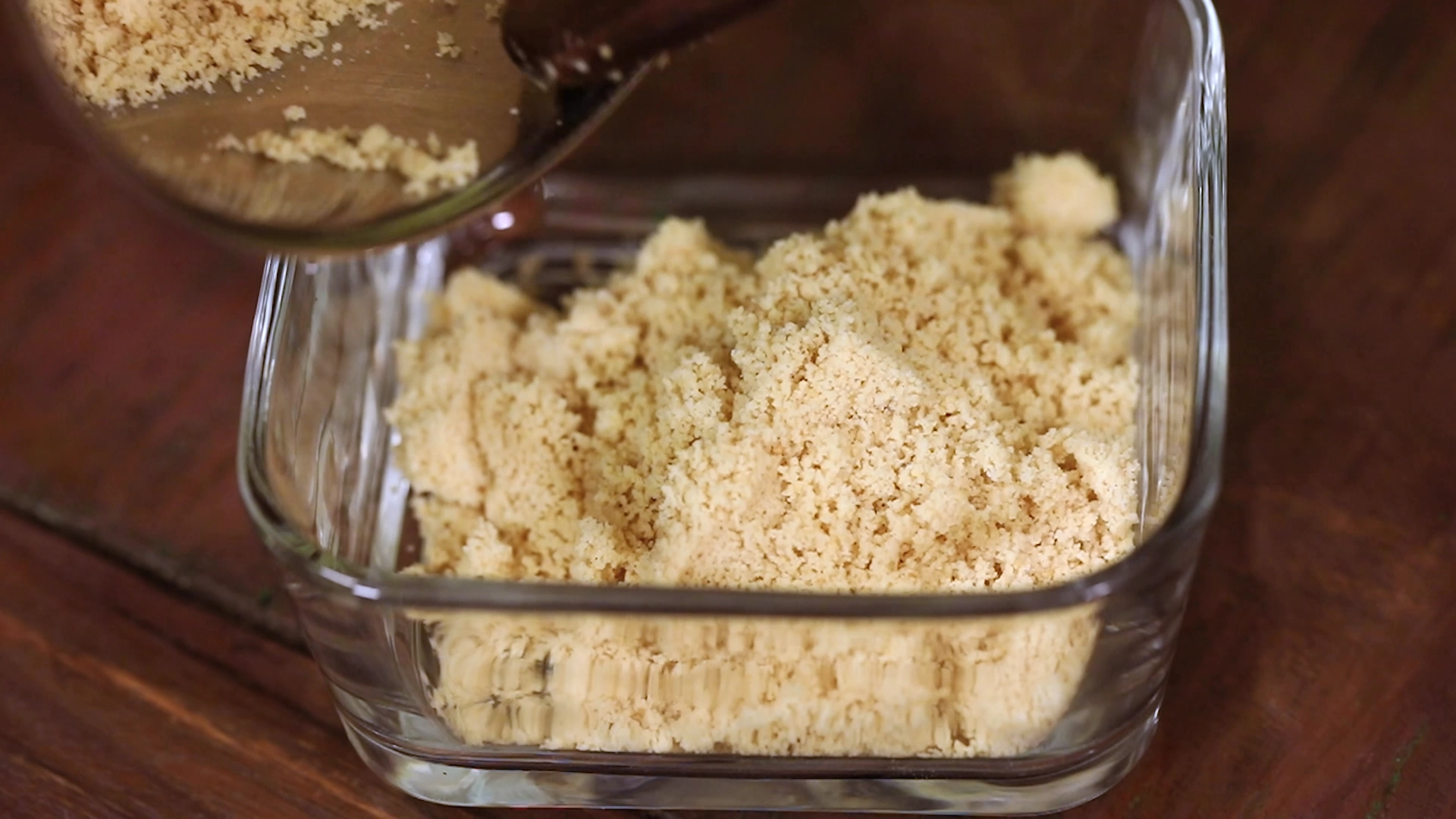
-
Julienne ginger
Cut ginger into thin julienne strips. -
Slit green chilies
Cut green chilies lengthwise.
Method
-
Fry ivy gourd
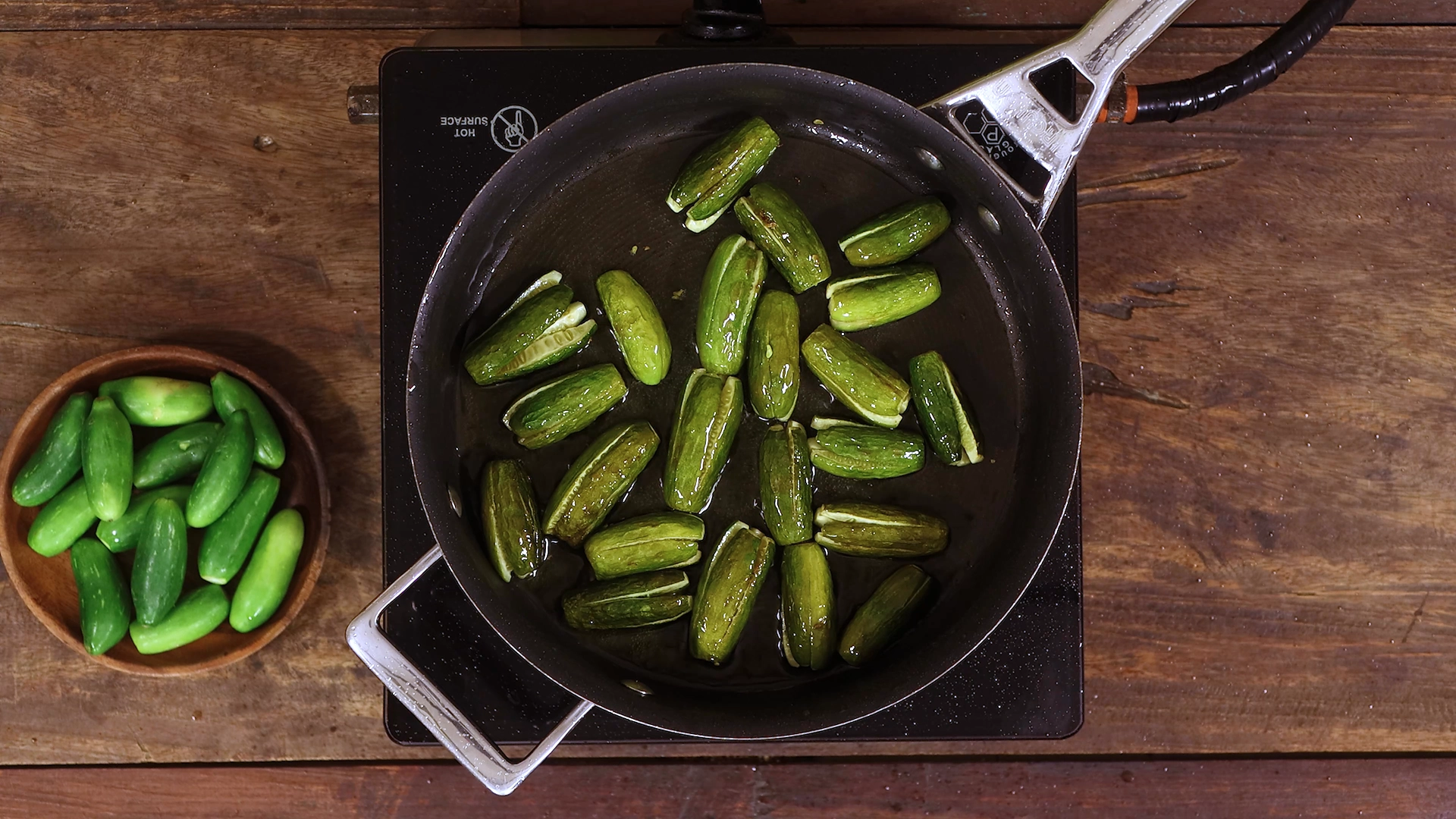
Heat oil in a pan and fry the slit ivy gourd for 10 minutes until slightly golden. Remove and set aside.
-
Sauté whole spices
In the same pan, add cinnamon,clove,cardamom, shahi jeera, and fennel seeds. Sauté until aromatic. -
Cook onions
Add chopped onions and cook until golden brown. -
Add ginger garlic paste
Stir in ginger garlic paste and cook until the raw smell disappears. -
Add powdered spices
Add turmeric, chili powder, coriander, and cumin powders. Stir well.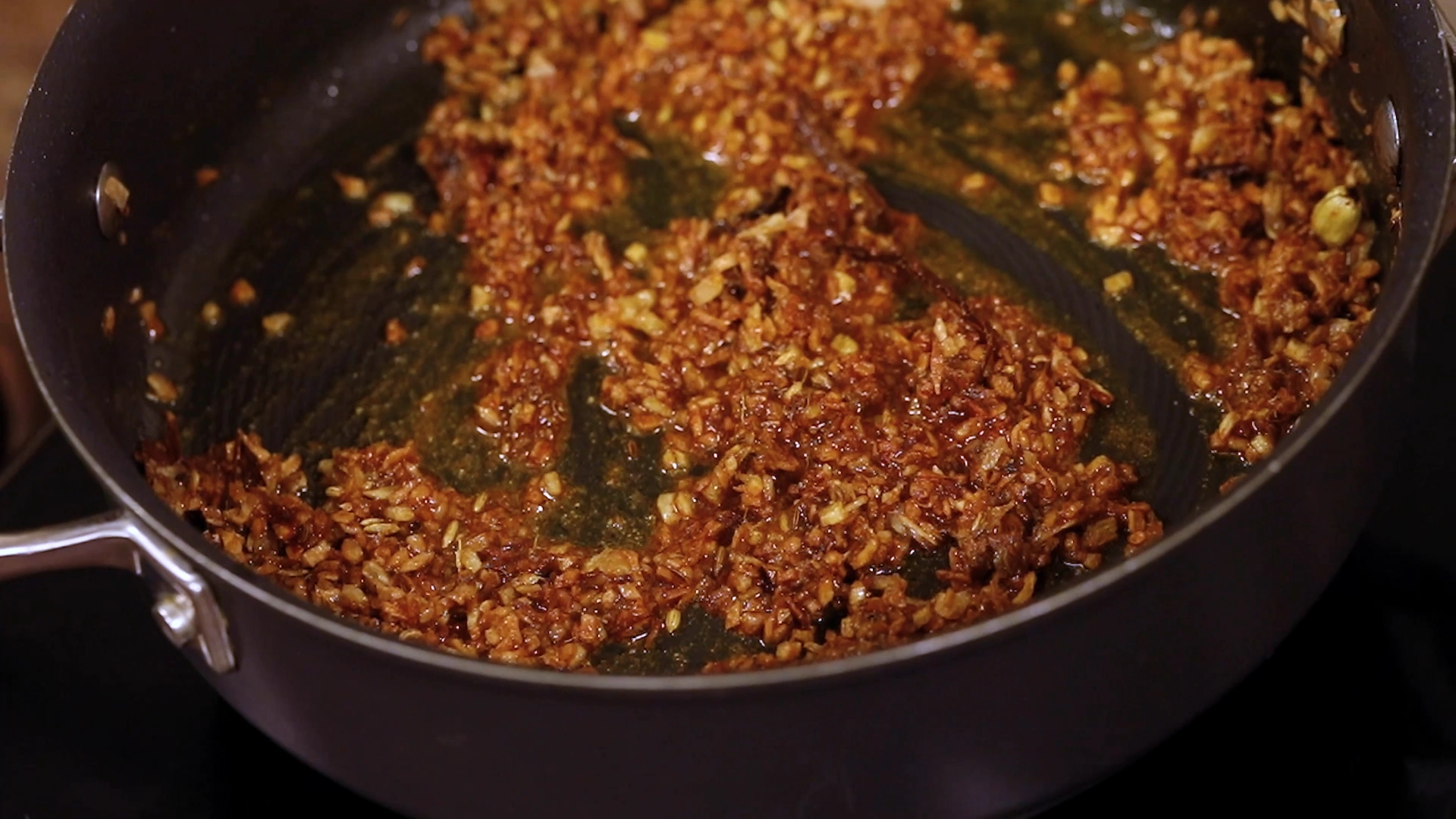
-
Add tomato puree
Pour in tomato puree and cook for 5 minutes. -
Add water
Pour water(¼ portion) and let the curry simmer.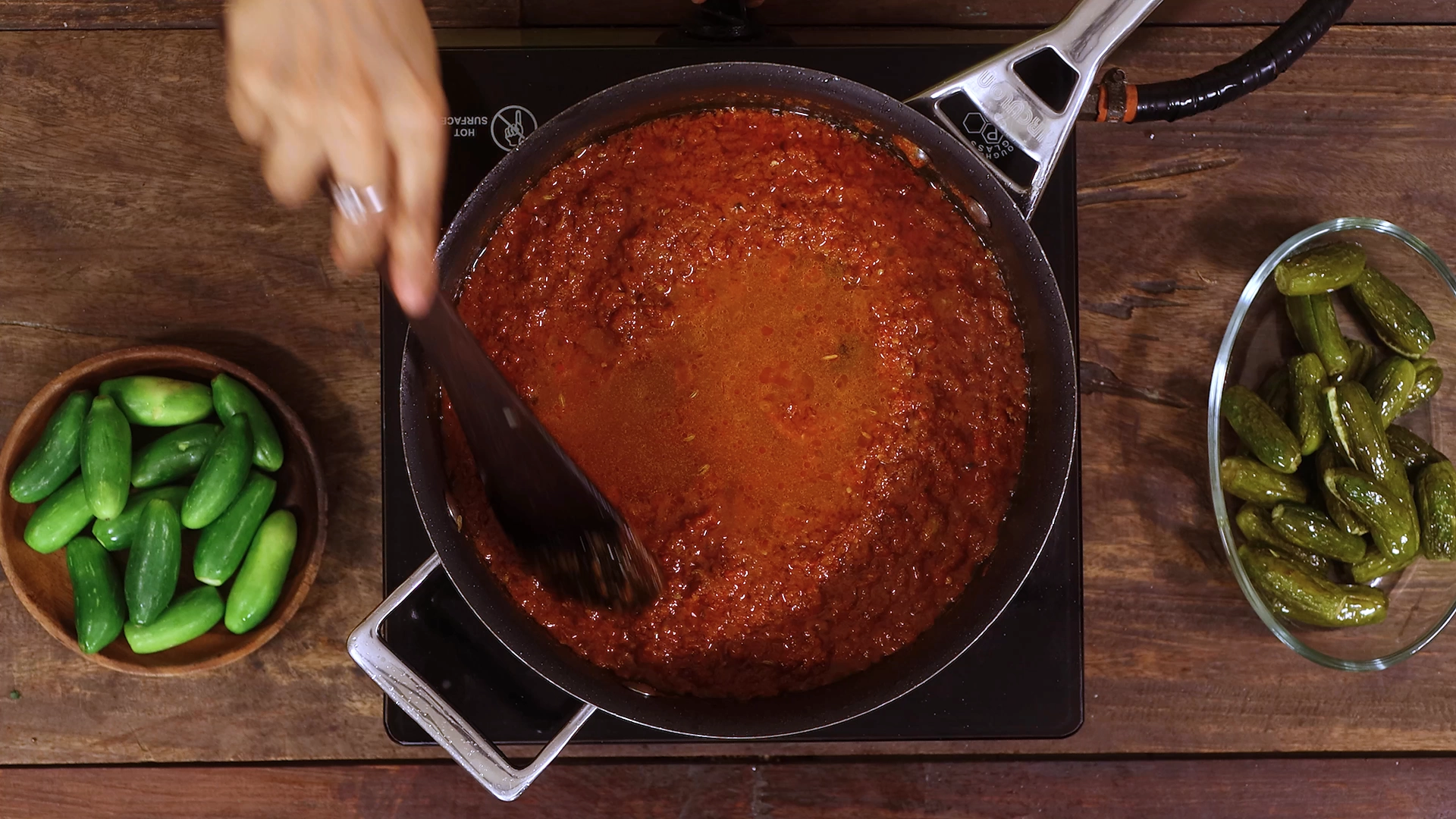
-
Add peanut powder
Mix in ground peanut powder, add remaining water and stir well. -
Add ivy gourd
Return fried ivy gourd to the pan, mix well, cover, and cook for 10 minutes.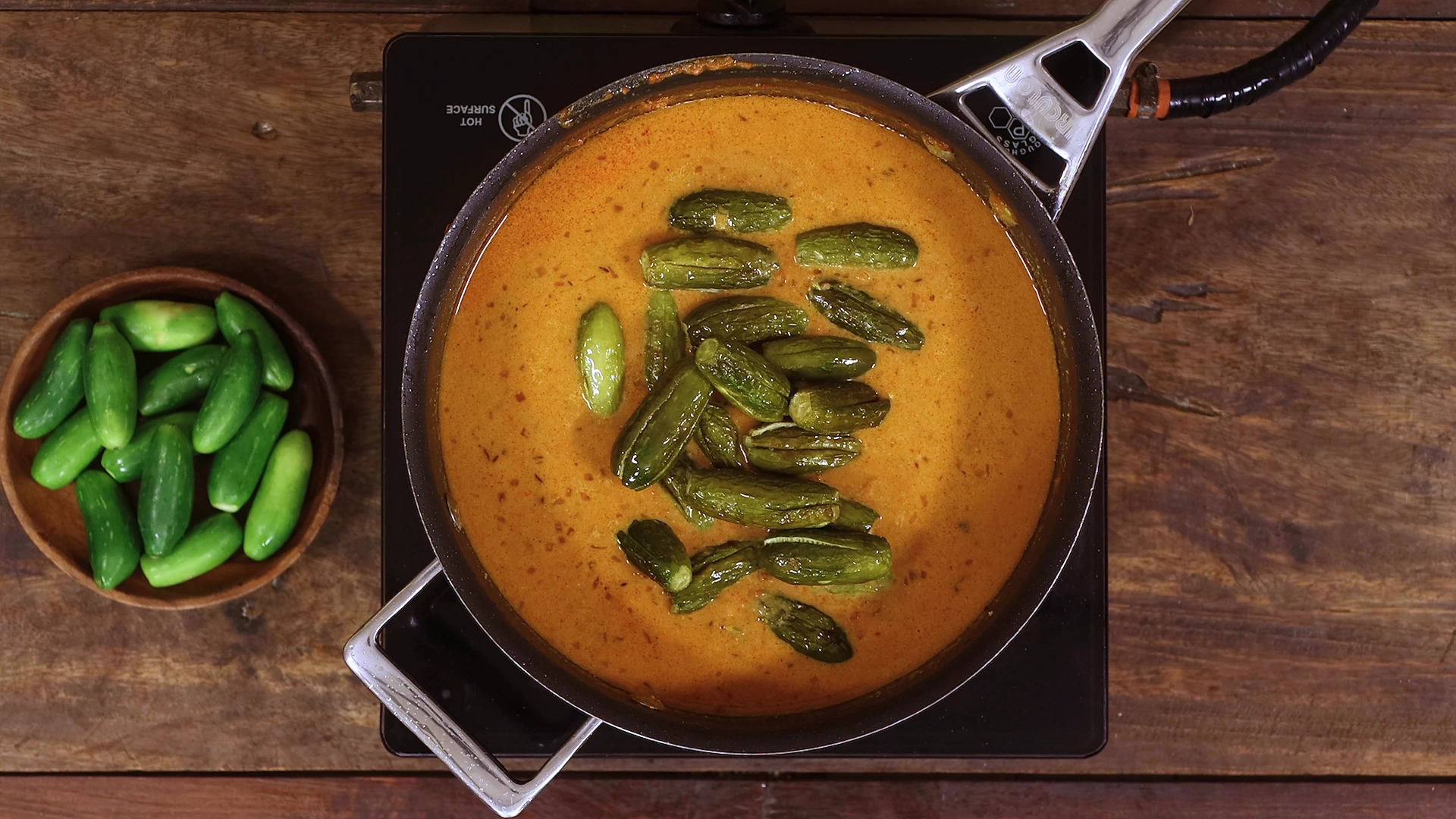
-
Add final spices
Stir in garam masala, sugar, ginger juliennes, green chilies, and kasuri methi. Mix well.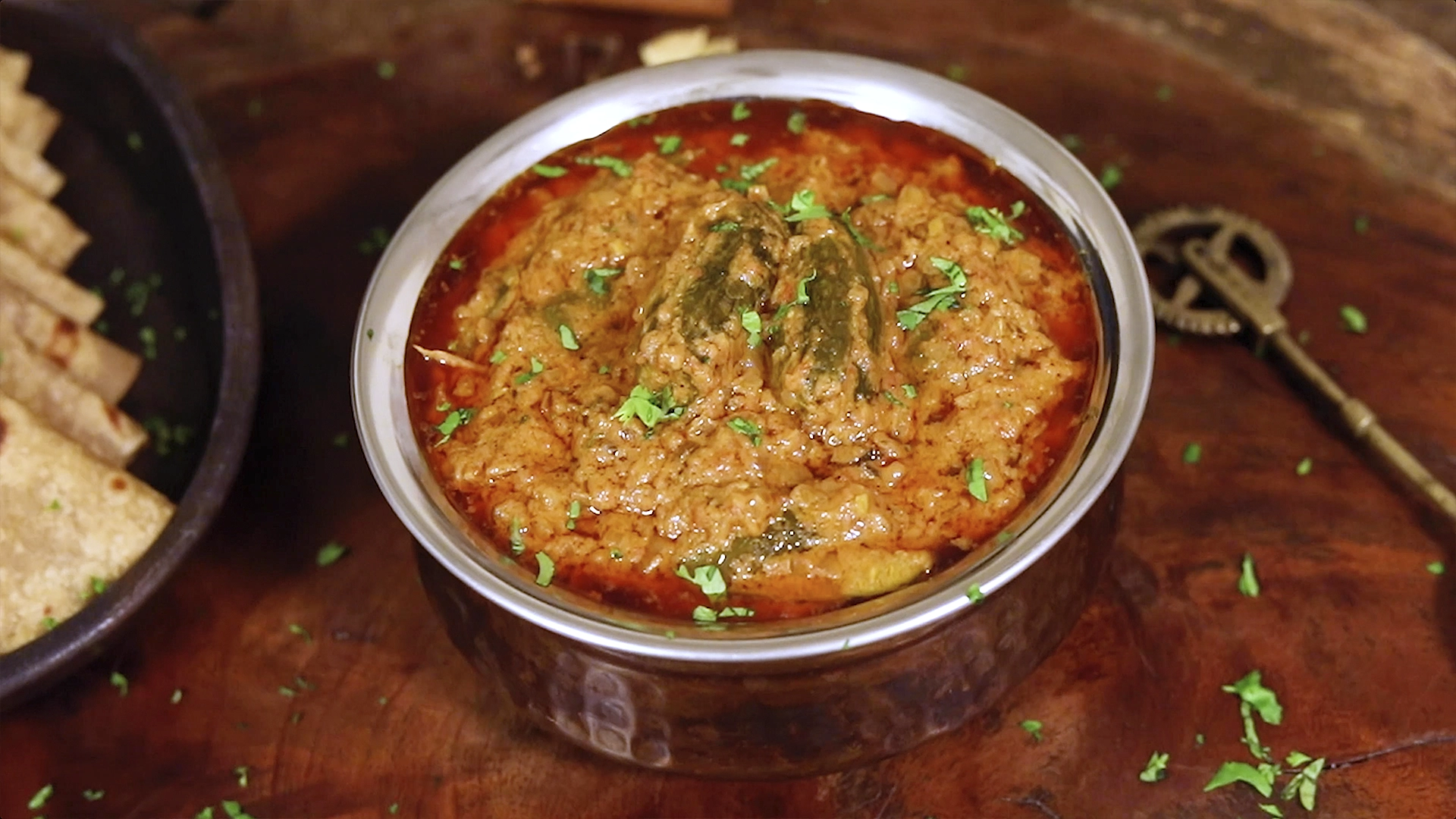
Equipment



Affiliate Disclosure: This post contains Amazon affiliate links, i.e., when you buy any product using the links below, we get commissions. but it doesn’t cost you anything extra. If you do purchase any product using the given links, we thank you in advance!
Nutrition Facts
Servings 4
- Amount Per Serving
- Calories 210kcal
- % Daily Value *
- Total Fat 14g22%
- Saturated Fat 2g10%
- Sodium 320mg14%
- Potassium 390mg12%
- Total Carbohydrate 18g6%
- Dietary Fiber 4g16%
- Sugars 6g
- Protein 5g10%
- Vitamin A 620 IU
- Vitamin C 22 mg
- Calcium 40 mg
- Iron 1.8 mg
* Percent Daily Values are based on a 2,000 calorie diet. Your daily value may be higher or lower depending on your calorie needs.

User Reviews
This was delicious. I made a couple of adjustments because of what I had on hand, but this was so good. Thank you for sharing.
Thank you so much, Kathrin! 🌸 I’m glad you enjoyed it. Love how you made it your own with adjustments—that’s the best part of cooking!