

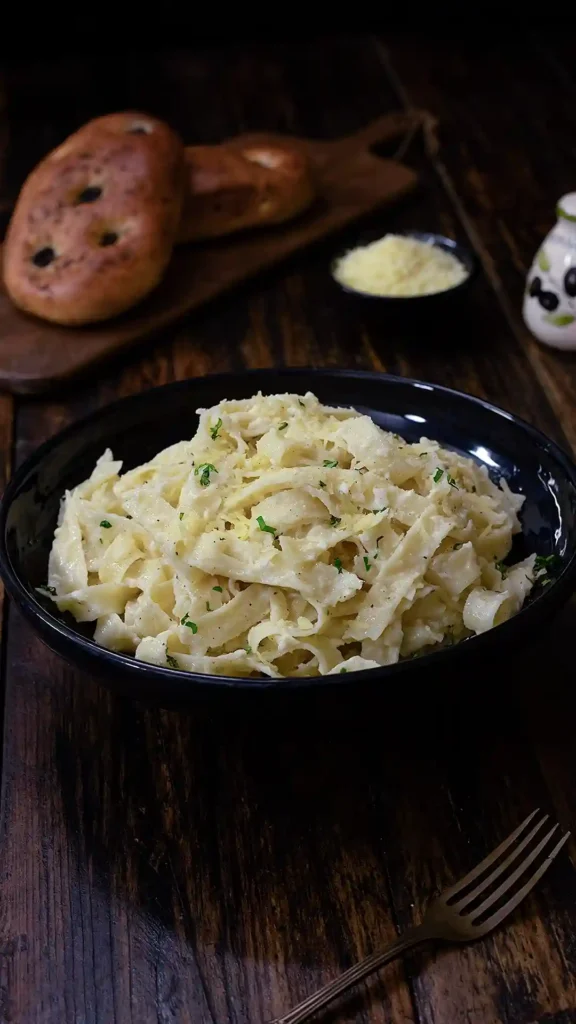

Ever had one of those evenings where you want comfort food now, not an hour later?
That’s exactly where fettuccine alfredo earns its place.
It’s rich without being complicated, creamy without needing fancy skills, and somehow manages to make everyone at the table happy, kids included. No deep frying, no long prep list, no “did I miss something?” moment halfway through cooking.
This is the kind of pasta that quietly saves busy weeknights.
A Quick Look at Alfredo’s Italian Roots
Classic fettuccine alfredo originated in Rome, where it was all about butter, cheese, and pasta water, simple ingredients handled well. Over time, especially outside Italy, cream made its way in, creating the silky, indulgent version many of us love today.
What hasn’t changed is the idea behind it:
- Minimal ingredients
- Gentle cooking
- A sauce that coats, not floods
That’s exactly the approach this recipe follows.
Why This Pasta Works Every Single Time
This dish solves multiple problems at once:
- Short on time? Done in 15 minutes
- Cooking for kids? Mild, creamy, familiar
- No oven, no deep fry? Just one pan
- Need comfort food? Mission accomplished
It’s filling without feeling heavy and indulgent without being overwhelming.
Ingredient Breakdown:
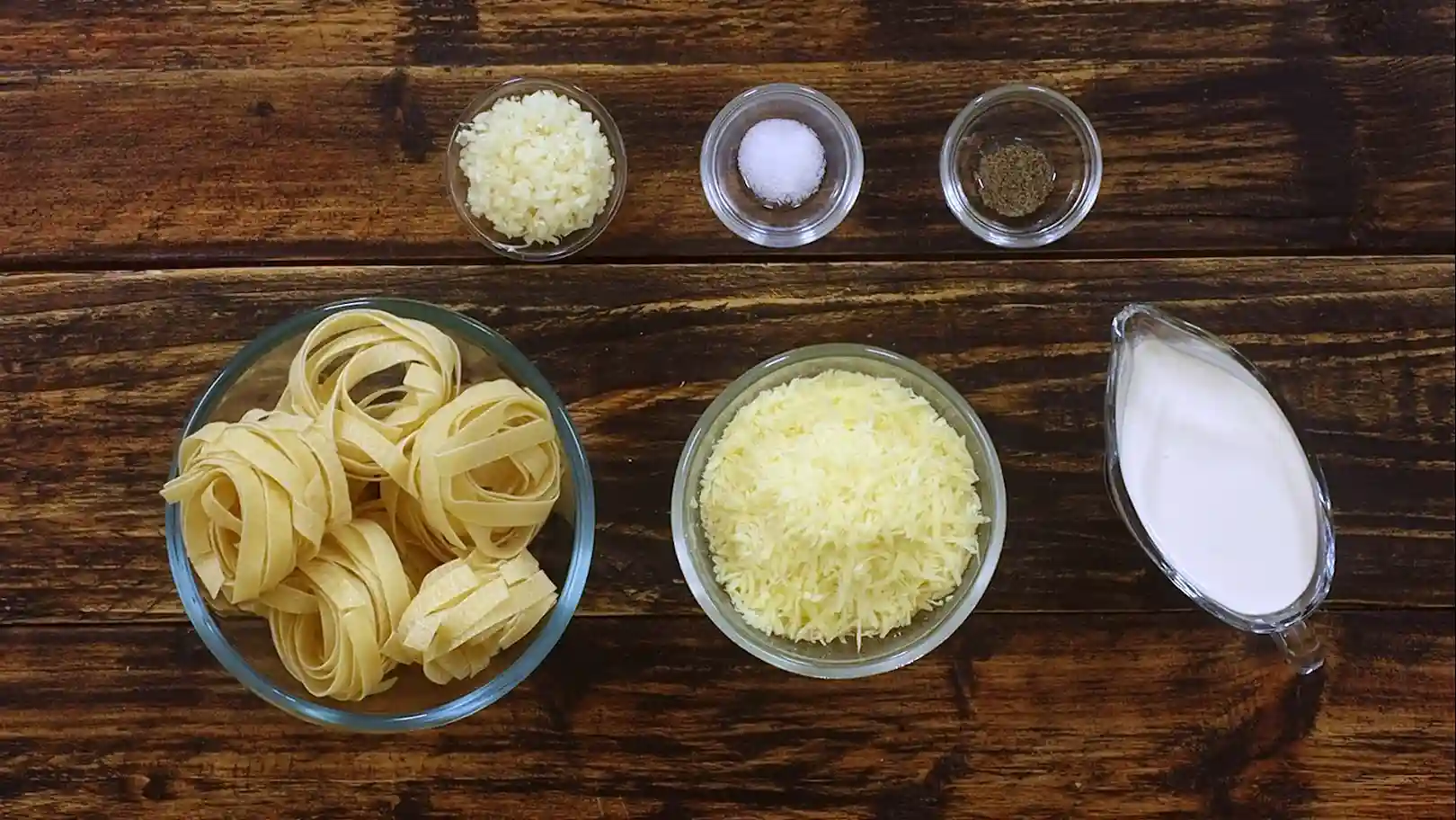
- Fettuccine Pasta Flat, wide strands hold creamy sauces better than thin pasta. That’s why Alfredo and fettuccine are a classic pairing.
- Butter, this is your flavor base. Unsalted butter lets you control seasoning precisely.
- Garlic adds warmth and depth without overpowering the sauce.
- Fresh Cream creates that signature silky texture. Low heat is key here.
- Parmesan Cheese: Salty, nutty, and essential for authentic flavor and proper sauce binding.
Vegan Swap 🌿: Use plant-based butter, cashew cream, and nutritional yeast or vegan parmesan for a dairy-free alfredo-style pasta.
How This Alfredo Comes Together
You begin by boiling the pasta until just shy of done. This is important because it finishes cooking in the sauce later. While that’s happening, butter melts gently in a wide pan. Garlic goes in next, just long enough to lose its raw edge.
The cream warms slowly on low heat, never rushed, before the cheese melts in, turning everything glossy and smooth. A splash of reserved pasta water loosens the sauce naturally, keeping the flavor intact.
Finally, the pasta is tossed through until every strand is coated. No splashing, no aggressive stirring, just gentle folds.
That’s how you get restaurant-style texture at home.
Pro Tip💡 : Always grate Parmesan fresh. Pre-grated cheese contains anti-caking agents that stop the sauce from turning smooth.
Diet & Allergen Notes
- Vegetarian
- Eggitarian
- Contains dairy
- Contains gluten
To make it gluten-free, swap in gluten-free fettuccine and keep everything else the same.
What to Serve with Fettuccine Alfredo
This pasta is rich, so simple sides work best:
- Garlic bread or toast
- Light green salad with lemon dressing
- Steamed vegetables like broccoli or beans
Avoid heavy sides, let the pasta shine.
How to Serve It Right
- Serve immediately, Alfredo thickens as it sits
- Use warm bowls to keep the sauce silky
- Finish with extra parmesan and cracked pepper
This is a sit-down-and-eat-now kind of dish.
Packing & Meal Prep Tips
For Lunchboxes
- Alfredo is best fresh
- If packing, slightly loosen the sauce with extra pasta water
For Family Dinners
- Make just before serving
- Keep on very low heat if waiting briefly
How to Store Fettuccine Alfredo
How to Store
- Cool completely
- Store in an airtight container
- Refrigerate up to 24 hours
How to Reheat
- Reheat on low heat in a pan
- Add milk or water a tablespoon at a time
- Stir gently until creamy again
Avoid microwaving if possible, it can split the sauce.
Common Mistakes to Avoid
- High heat → split sauce
- Overcooked pasta → mushy texture
- Skipping pasta water → thick, heavy sauce
- Pre-grated cheese → grainy finish
Fix these, and your alfredo turns out smooth every time.
Other Related Recipes You Might Like
- Creamy White Sauce Macaroni – similar rich, creamy white sauce base.
- Creamy Garlic Mushroom Pasta – Alfredo-style creaminess with mushrooms.
- Pink Sauce Pasta – creamy texture with a tomato twist for variation.
- Indian Style Masala Pasta – fusion option for readers who like Indian flavours.
- Pressure Cooker Pasta – quick one-pot pasta method alternative.
- Masala Macaroni – desi-style macaroni for fusion food lovers.
- Indian-Style Masala Pasta – spicy Indian twist on pasta.
- Veg Quesadilla – cheesy café-style snack that complements creamy pastas.
- Cheesy Vegetable Nachos – crunchy starter perfect alongside Alfredo pasta.
Fettuccine Alfredo
Description
Rich and creamy Fettuccine Alfredo made with butter, garlic, fresh cream, and parmesan cheese. This easy Italian pasta recipe by Hema Subramanian is ready in 30 minutes, kid‑friendly, and perfect for quick lunches or weeknight dinners.
Ingredients
To make fettuccine alfredo
Instructions
Prep Work
-
Prepare garlic
Peel and finely chop garlic
-
Grate cheese
Grate parmesan and keep ready -
Boil water
Bring water to a rolling boil for pasta -
Reserve water
Keep some cooked pasta water aside
Method
-
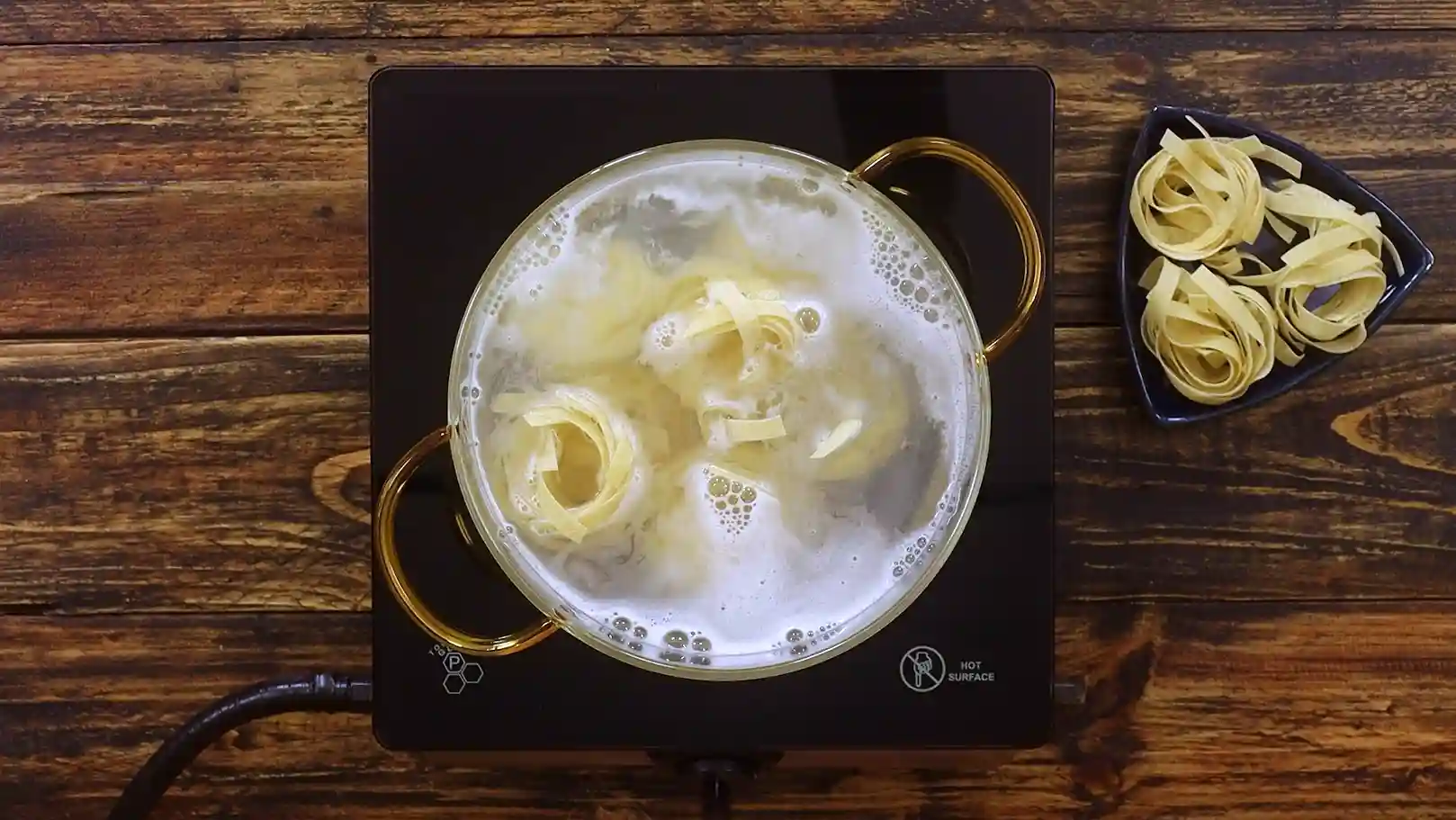
Cook pasta
Add pasta to boiling salted water and stir gently to prevent sticking
-
Check doneness
Cook until slightly more than three-fourth done, then drain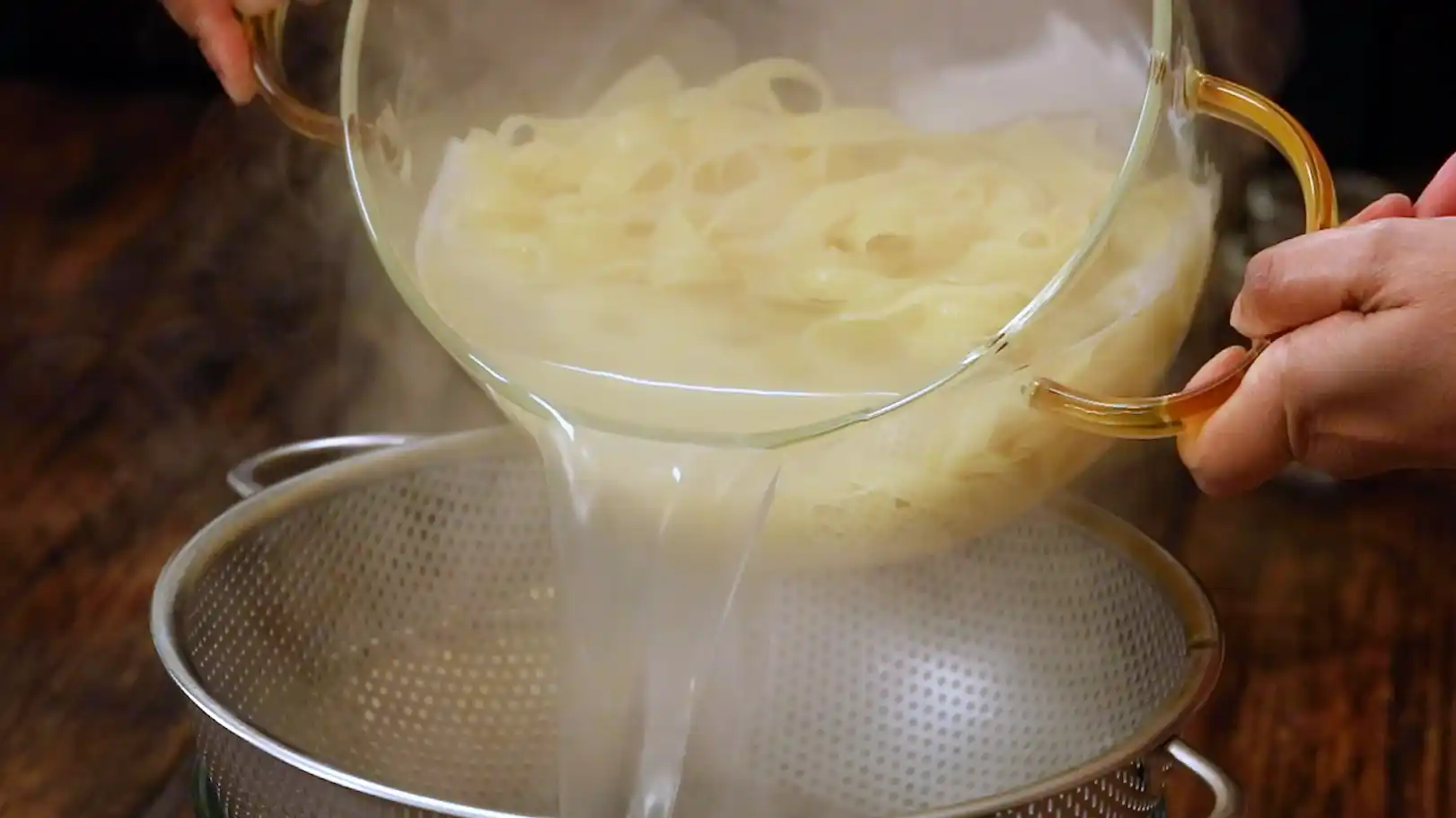
-
Melt butter
Melt butter in a wide pan on low heat -
Sauté garlic
Add garlic and sauté briefly until raw smell fades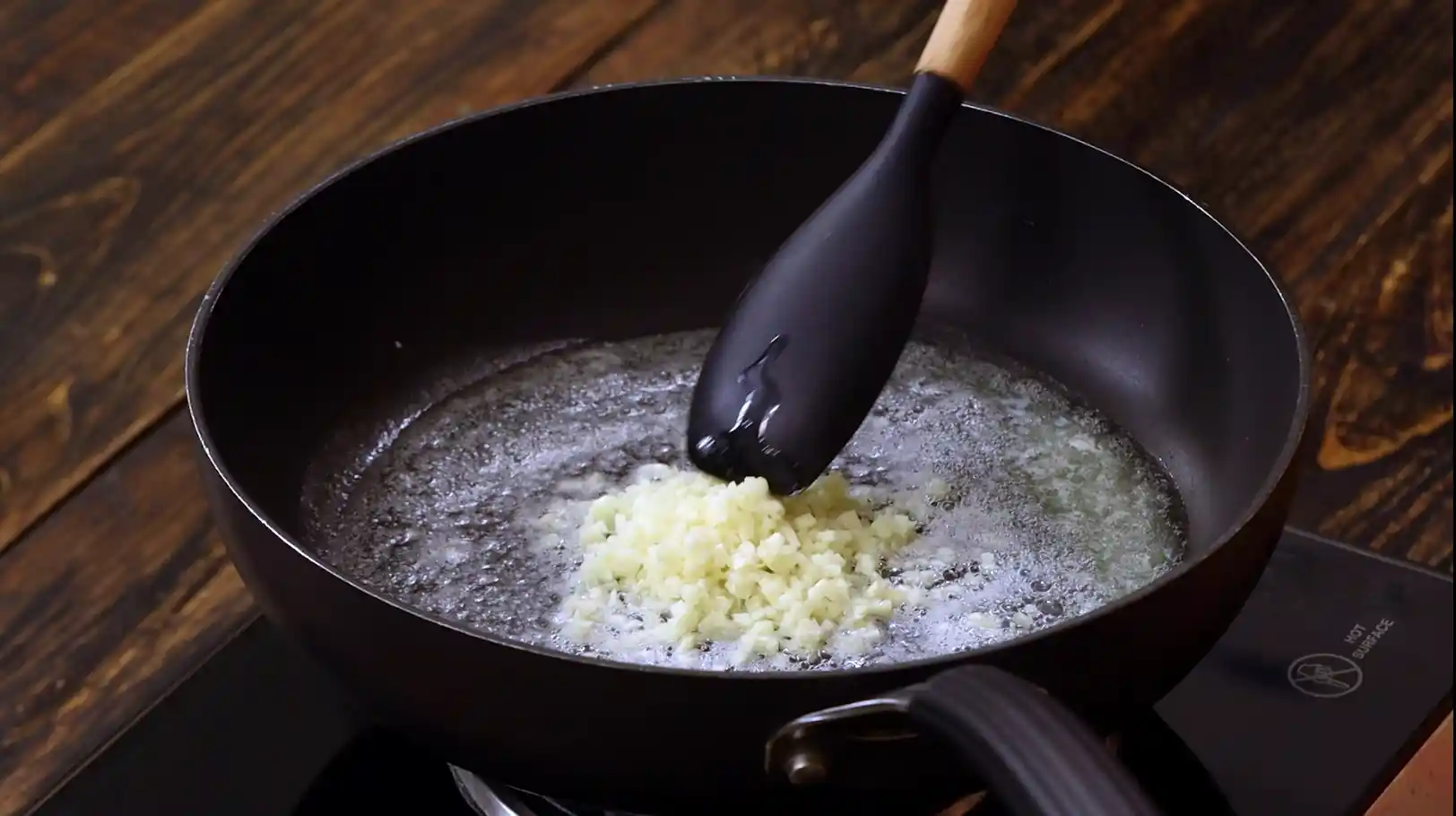
-
Add cream
Pour in fresh cream and stir on low flame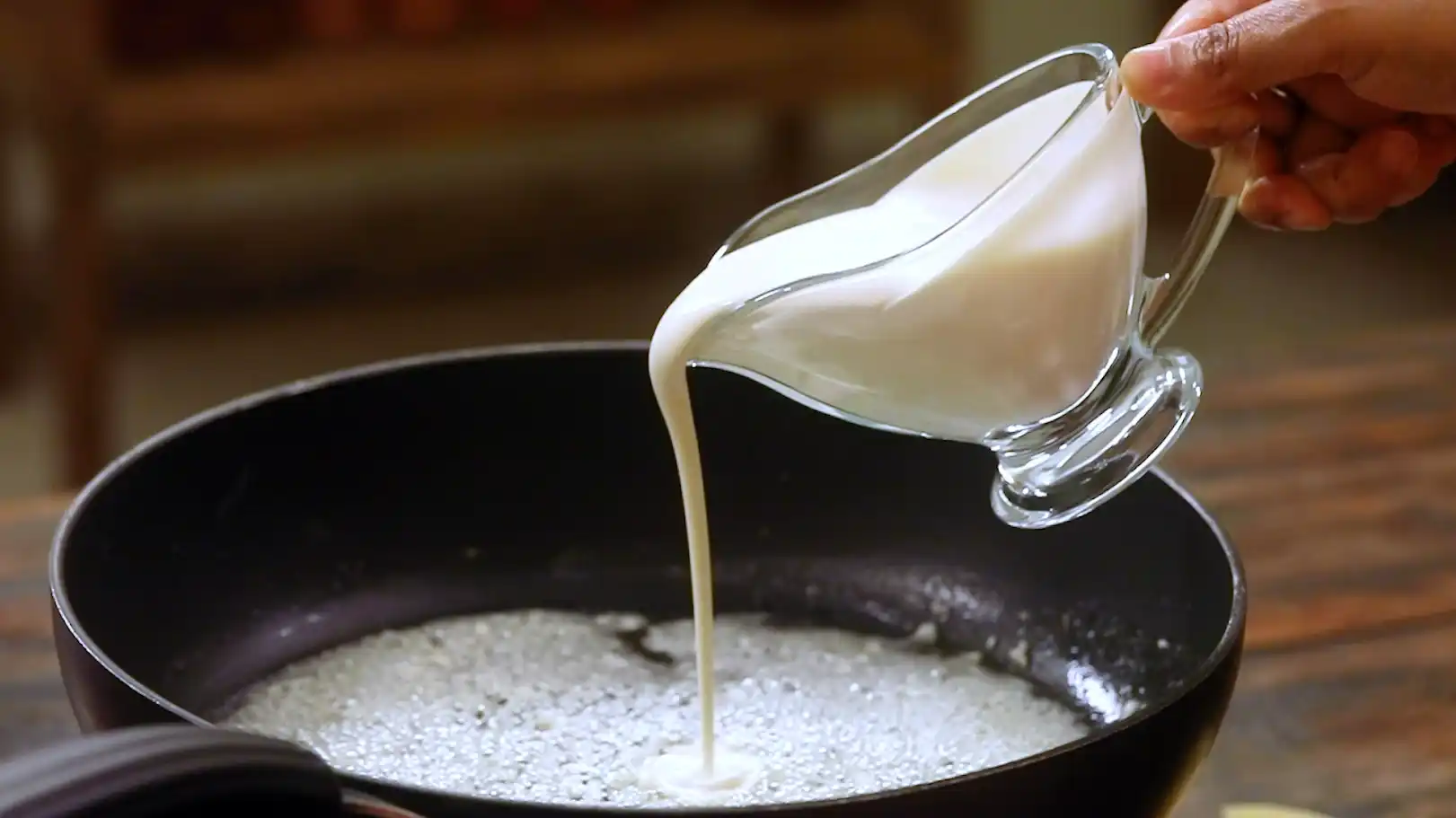
-
Add cheese
Add parmesan directly and stir until it melts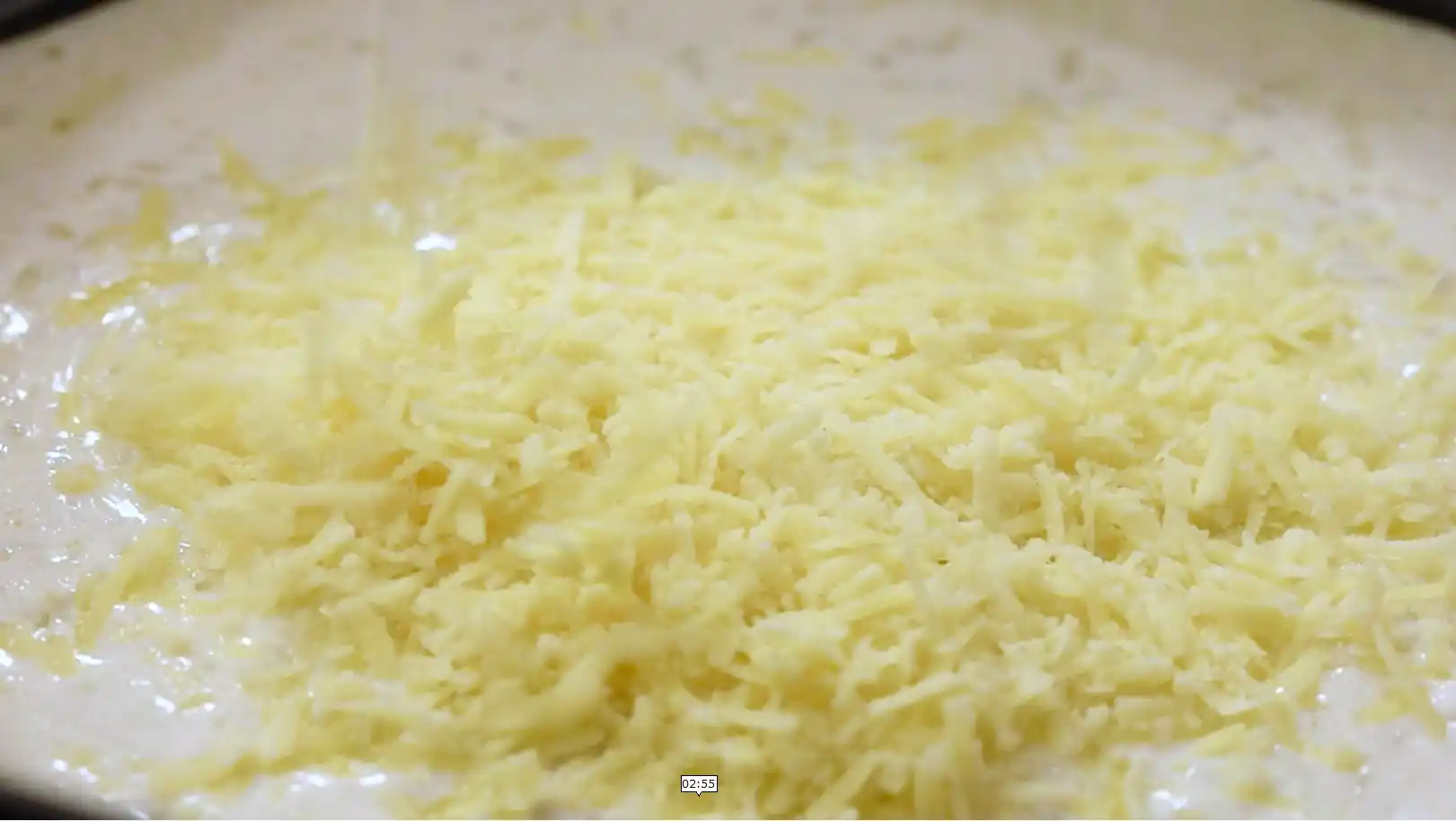
-
Loosen sauce
Add reserved pasta water to adjust consistency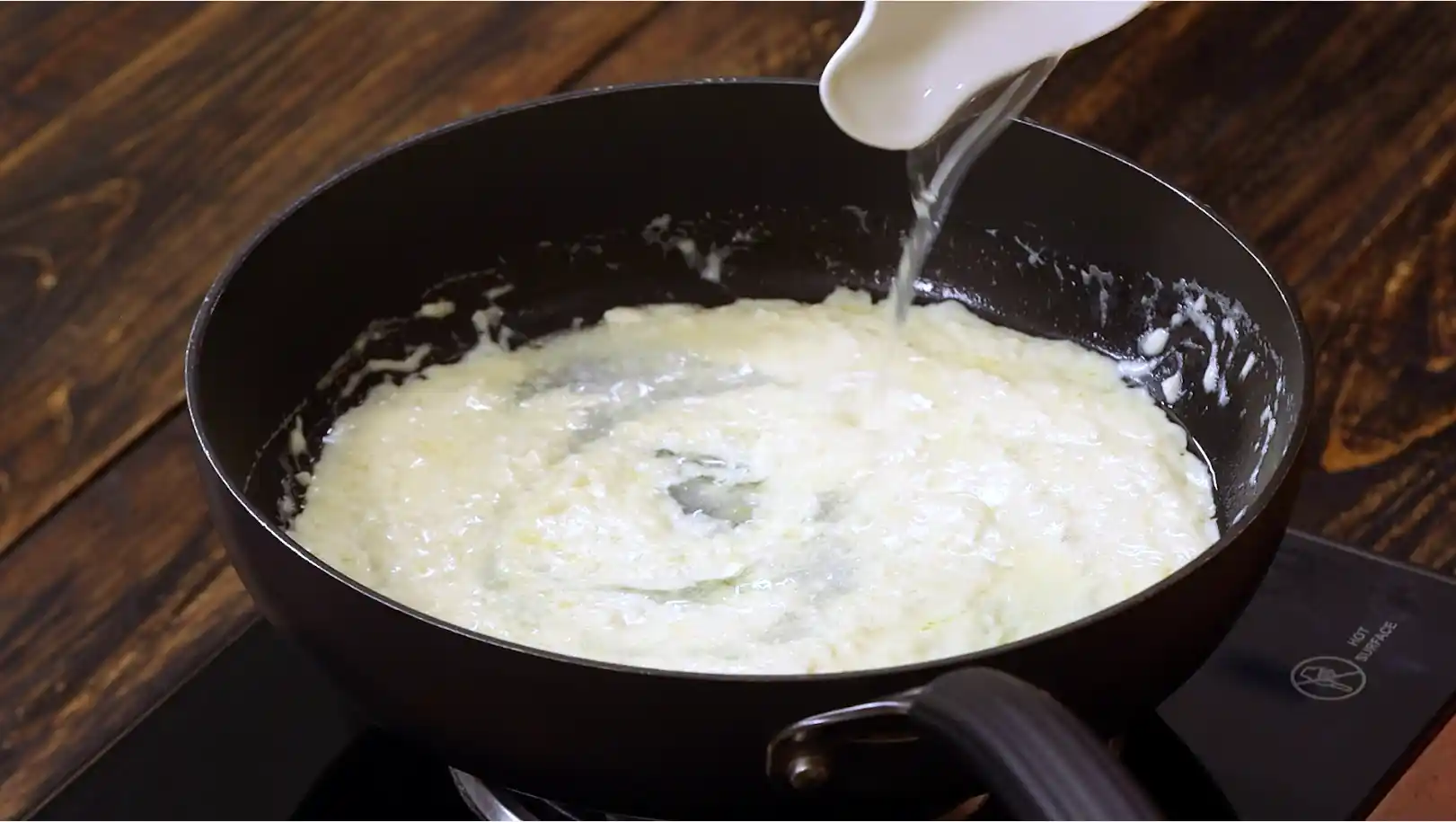
-
Season
Season with salt and crushed pepper -
Combine pasta
Add cooked pasta and toss gently to coat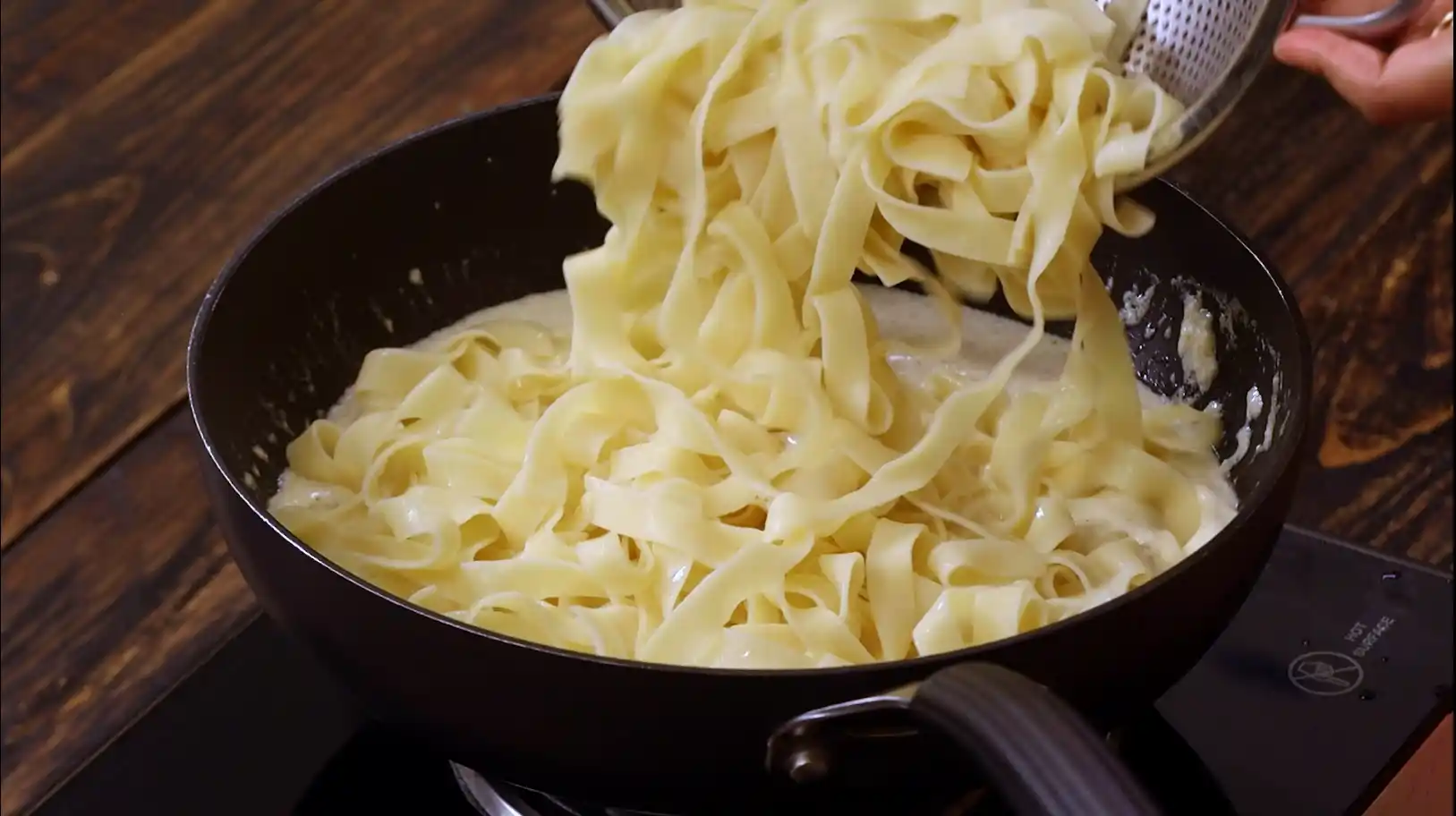
-
Finish and serve
Top with extra cheese and serve hot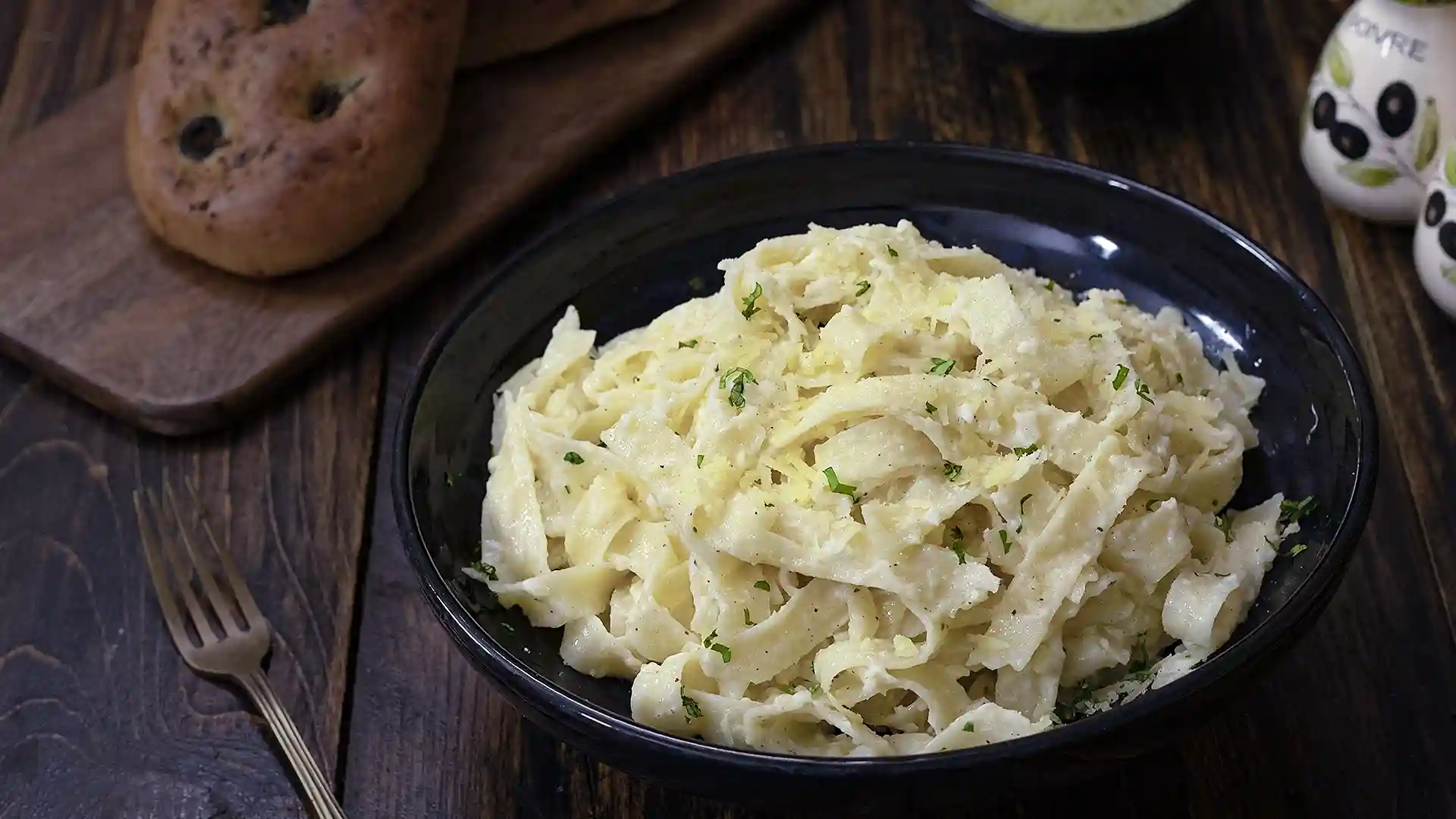
Equipment
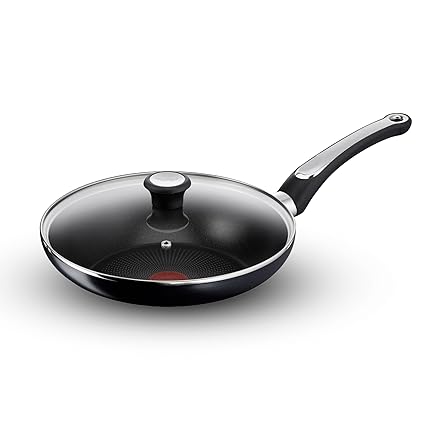
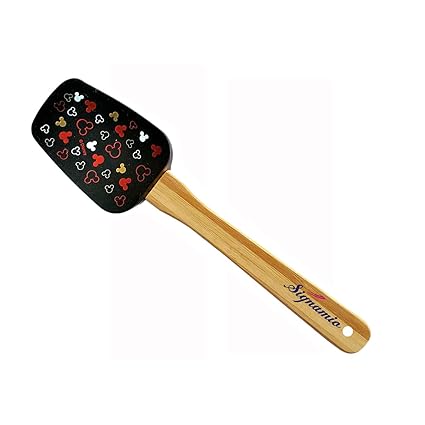
Affiliate Disclosure: This post contains Amazon affiliate links, i.e., when you buy any product using the links below, we get commissions. but it doesn’t cost you anything extra. If you do purchase any product using the given links, we thank you in advance!
Nutrition Facts
Servings 3
- Amount Per Serving
- Calories 520kcal
- % Daily Value *
- Total Fat 34g53%
- Saturated Fat 21g105%
- Cholesterol 95mg32%
- Sodium 420mg18%
- Potassium 280mg8%
- Total Carbohydrate 42g15%
- Dietary Fiber 2g8%
- Sugars 4g
- Protein 14g29%
- Vitamin A 980 IU
- Calcium 220 mg
- Iron 2.1 mg
- Vitamin B12 0.6 mcg
- Magnesium 38 mg
* Percent Daily Values are based on a 2,000 calorie diet. Your daily value may be higher or lower depending on your calorie needs.