

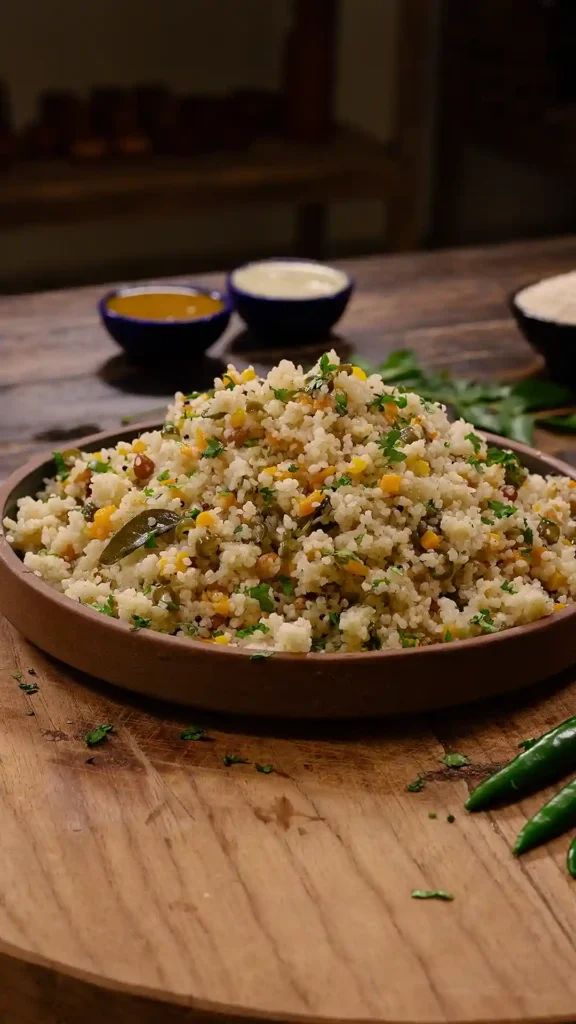

Trying to eat healthy but still want something warm, filling, and comforting for breakfast?
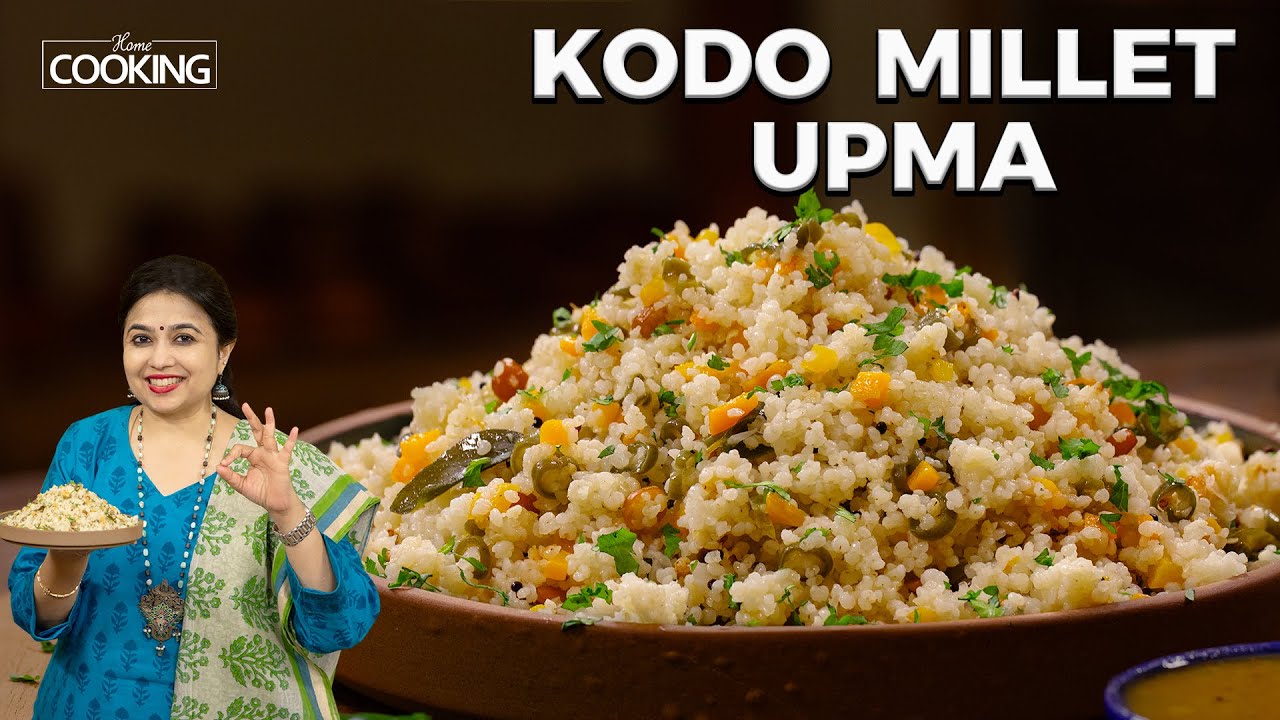
Then you’re going to love this Kodo Millet Upma (also called Varagu Upma). It’s soft, mildly spiced, loaded with veggies, and keeps you full for hours, without the heaviness of regular rava upma.
This is the kind of breakfast that feels light in your stomach but strong in nutrition. And the best part? You can make it in a pressure cooker with just one whistle.
What Is Kodo Millet (Varagu) & Why It’s Used in South Indian Cooking
Kodo millet, known as Varagu in Tamil, Arikelu in Telugu, and Kodri in Hindi, is one of India’s traditional millets that’s been used for centuries, long before polished white rice became common.
How Kodo Millet Is Traditionally Used
Across South India, it’s commonly cooked as:
- Upma
- Pongal-style dishes
- Simple steamed millet rice with curry
Because it absorbs flavors beautifully, it works perfectly in tempered dishes like upma, where every grain should taste seasoned.
Why Kodo Millet Upma Is a Smart Breakfast Choice
If you’re switching to millets, this recipe is a great place to start because it solves multiple problems at once:
- High in fiber → keeps you full longer
- Low glycemic index → better for blood sugar control
- Naturally gluten-free
- Great for weight management
- Easy to digest when soaked and cooked properly
Compared to rava upma, this version is more filling, more nutritious, and doesn’t cause mid-morning hunger pangs.
Ingredient Breakdown:
Kodo Millet
- Acts just like broken rice once soaked
- Absorbs flavors well
- Gives a soft, fluffy texture when cooked right
Ghee + Tempering Ingredients
- Ghee: Adds aroma and improves digestion
- Mustard seeds: Sharp, nutty base flavor
- Urad dal: Adds slight crunch and protein
Aromatics
- Onion: Sweetness and moisture
- Green chilli: Gentle heat
- Ginger: Aids digestion and cuts heaviness
- Curry leaves: Classic South Indian fragrance
Vegetables
- Carrot: Natural sweetness and color
- Beans: Crunch and fiber
- Peas (optional): Extra protein and softness
This combo makes the upma nutrient-dense without overpowering the millet flavor.
Vegan Swap 🌿: Replace ghee with any neutral oil or coconut oil. Flavor will still be great, just slightly less rich.
How the Cooking Process Comes Together
Once your millet is washed and soaked, you start by heating ghee in the pressure cooker and building flavor right from the tempering stage. When mustard seeds splutter and the dals turn golden, that nutty aroma tells you the base is ready.
Then you add chopped onions, green chillies, and ginger, letting them saute until the onions turn lightly golden and sweet. Curry leaves go in next, releasing that unmistakable South Indian aroma.
Now comes the vegetables, chopped carrots and chopped beans, which cook quickly and blend right into the base. A little salt at this stage helps draw moisture from the veggies and speeds up cooking.
Once the vegetables soften, the drained millet goes in, followed by measured water. Everything is mixed well, so the millet doesn’t clump, and then it’s just one whistle in the cooker.
After natural pressure release, a gentle fluffing gives you perfectly cooked, soft, non-sticky upma that’s ready for serving.
Pro Tip💡: Always soak Kodo millet for at least 30 minutes. It removes excess starch and helps the grains cook evenly without turning gummy.
What Problems This Recipe Solves
- Short on time in the morning? → Cooker method saves effort
- Want healthier breakfast for kids? → Mild spice, soft texture
- Trying to reduce rice intake? → Millet is a great replacement
- Looking for lunchbox-friendly food? → This stays soft for hours
Diet-Friendly & Allergy Notes
- Gluten-free: Naturally safe for gluten sensitivity
- Diabetic-friendly: Low GI when portion-controlled
- Weight-loss friendly: High fiber + slow digestion
What Goes Best With Kodo Millet Upma
This upma pairs beautifully with:
- Coconut chutney
- Tomato chutney
- Onion chutney
- Even simple curd if you want mild flavors
For crunch, add a side of:
- Papad
- Roasted peanuts
- Banana chips (small portion)
How to Serve It for the Best Taste
Serve hot, straight after fluffing.
Top with:
- Extra ghee (optional but amazing)
- Fresh coriander
- A squeeze of lemon if you like mild tang
It works equally well for breakfast, brunch, or light dinner.
Packing Tips for Lunchbox
- Pack while still warm to avoid dryness
- Add a spoonful of ghee before packing
- Pair with thick chutney to keep moisture
This upma doesn’t harden like rava upma, which makes it great for kids’ lunchboxes.
Party or Bulk Preparation Tips
Cooking for many people?
- Maintain the millet: water ratio carefully
- Stir well before closing the cooker to avoid lumps
- Let pressure release naturally for a fluffy texture
You can double or triple quantities easily with the same method.
How to Store Kodo Millet Upma
Store in an airtight container in the refrigerator for up to 24 hours.
Millet dishes are best consumed fresh, but this hold well for one day.
How to Reheat Kodo Millet Upma
Reheat on stove or microwave with:
- 2–3 tbsp water
- Mix gently and cover while heating
Avoid reheating on high heat—it can dry out the grains.
Substitutions You Can Try
- Vegetables: Add capsicum, cabbage, or peas
- Spice level: Reduce green chillies and add black pepper instead
- Millet swap: Same recipe works with little millet or foxtail millet
- Protein boost: Add roasted peanuts or boiled chickpeas
Common Pitfalls to Avoid
- Skipping soaking: Leads to uneven cooking and hard grains.
- Too little water: Millets need slightly more water than rava for softness.
- Over-stirring after cooking: Makes the upma mushy instead of fluffy.
- High flame pressure cooking: Can cause burning at the bottom.
Other Related Recipes You Might Like:-
- Ragi Upma – nutritious finger millet upma, perfect for a healthy breakfast.
- Millet Pongal – soft, comforting pongal made using healthy millets.
- Vegetable Oats Upma (For Weight Loss) – fibre-rich oats upma ideal for diet-friendly meals.
- Jowar Upma – wholesome sorghum upma that keeps you full for longer.
- Ragi Kanji – healthy millet drink often paired with light meals.
- Healthy Oats Paniyaram – crispy outside, soft inside paniyaram made with oats.
- Vegetable Oats Upma – quick and filling breakfast option.
- Green Gram Dosa (Weight Loss Recipe) – protein-packed dosa for a balanced meal.
Kodo Millet Upma
Description
This kodo millet upma is a simple, healthy twist on the classic breakfast we all love. Made easily in a pressure cooker, it comes together quickly and is perfect for busy mornings or meal prep. The soft millet, fresh veggies, and gentle spice make it filling without feeling heavy. It’s a great way to add millets to your routine, and even kids enjoy this comforting, tasty upma. Serve it hot with your favorite chutney and enjoy a wholesome start to your day.
Ingredients
Instructions
Prep Work
-
Wash millet
Wash the millet well under running water and soak it for 30 minutes.
-
Chop veggies
Finely chop onions, ginger, green chilli and beans, and grate the carrot -
Keep ready
Keep curry leaves and other ingredients ready near the stove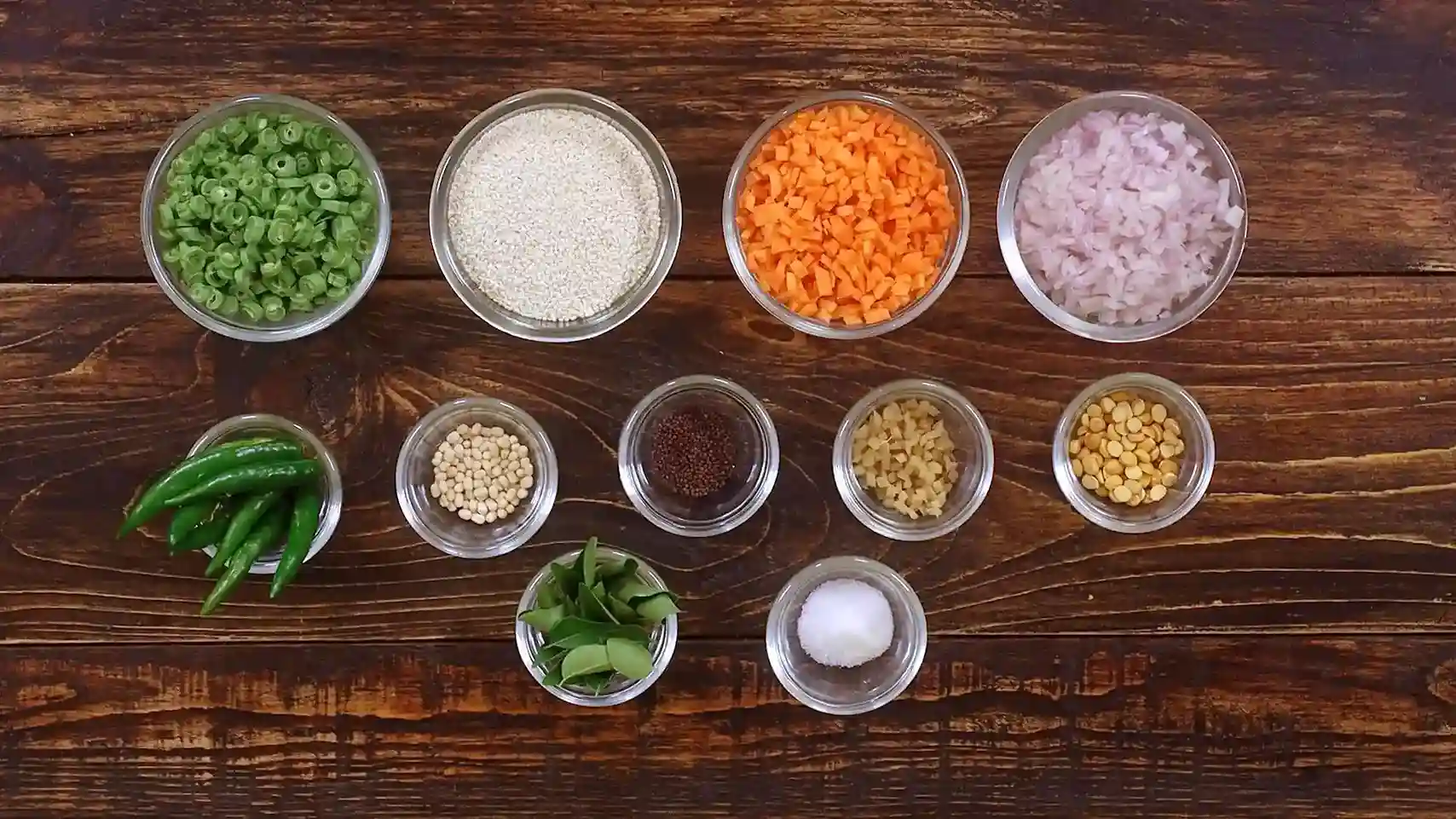
Method
-
Heat ghee
Heat ghee in the pressure cooker on medium flame
-
Add tempering
Add chana dal, urad dal and mustard seeds and let the mustard splutter -
Saute base
Add onions, green chilli and ginger and sauté till onions turn golden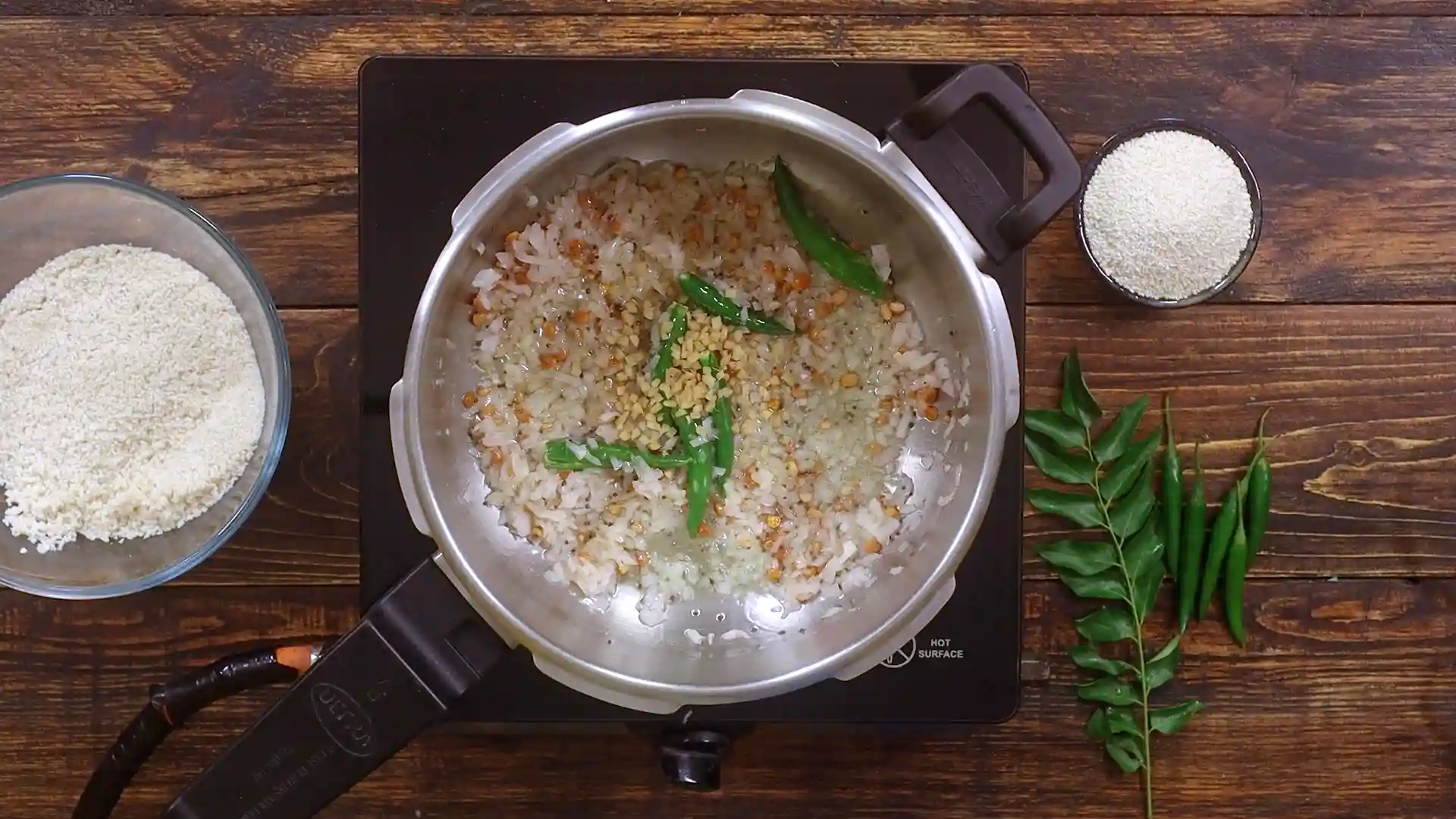
-
Add curry leaves
Add curry leaves and mix well -
Add veggies
Add carrot and beans and mix till slightly soft -
Season
Add salt and mix everything well -
Add millet
Drain soaked millet and add it to the cooker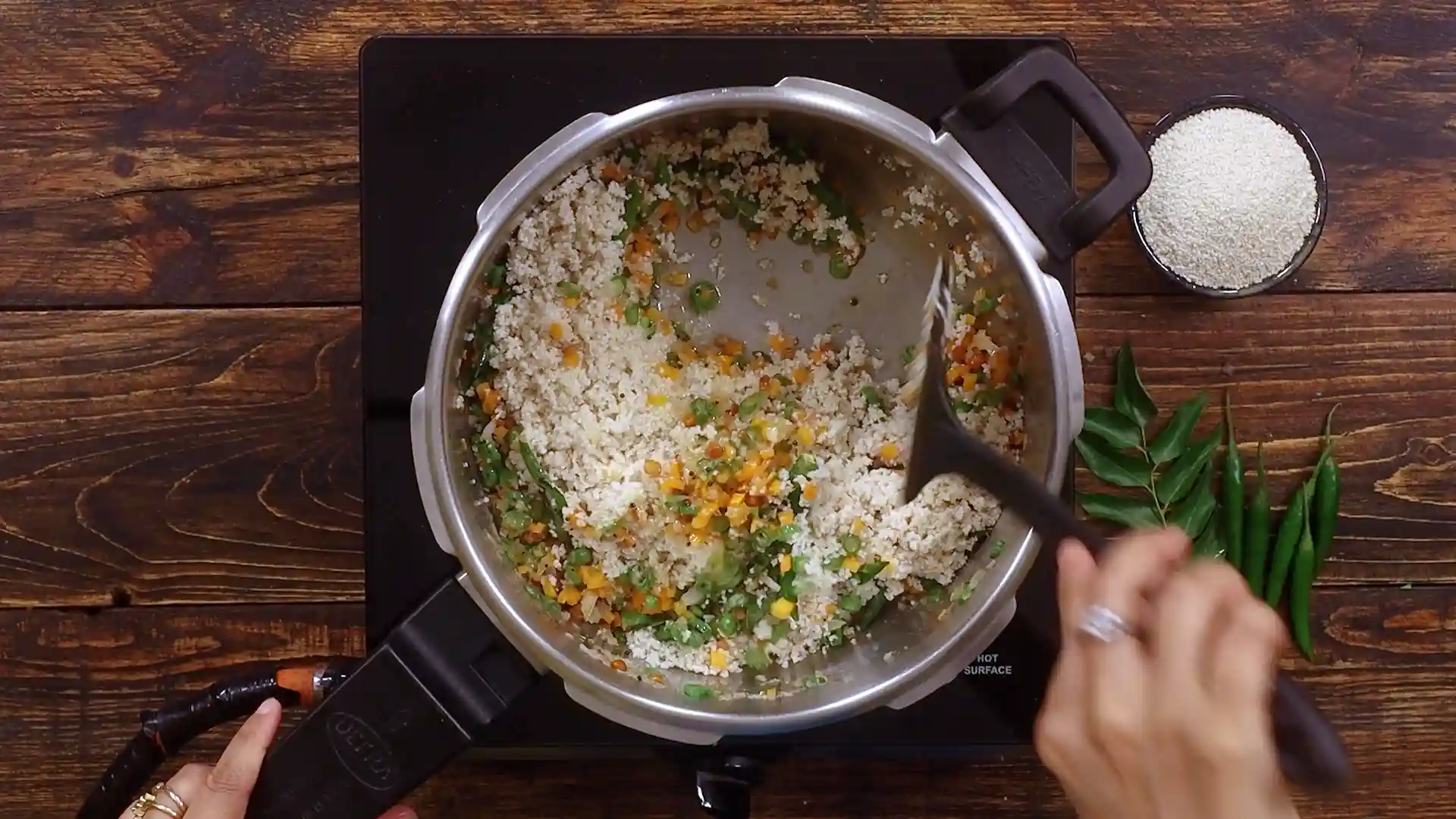
-
Add water
Pour in water and mix well so nothing sticks -
Pressure cook
Close lid and cook for one whistle on medium flame -
Rest and fluff
Let pressure release, open lid and fluff gently -
Garnish and serve
Garnish with coriander and serve hot with chutney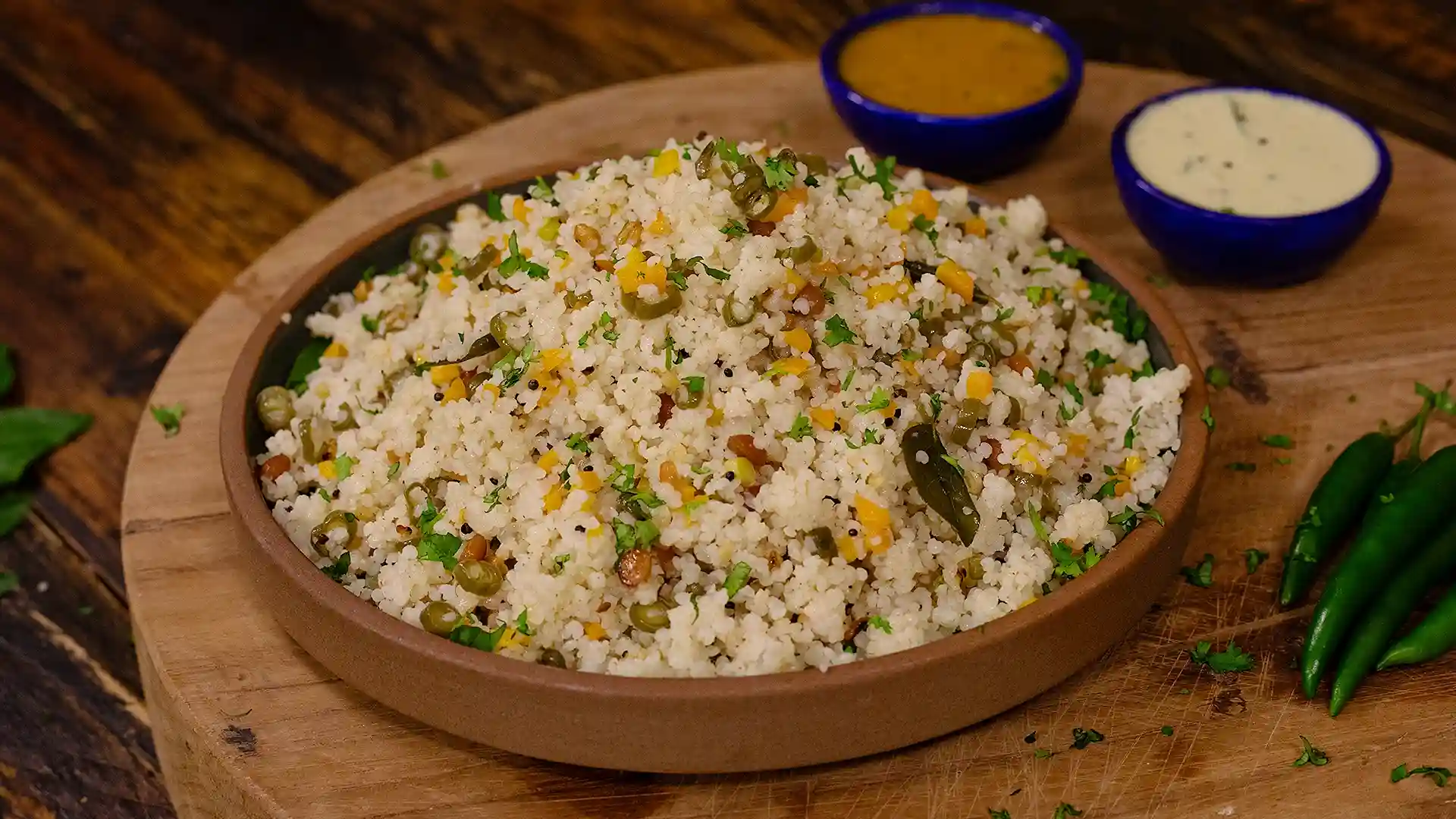
Equipment
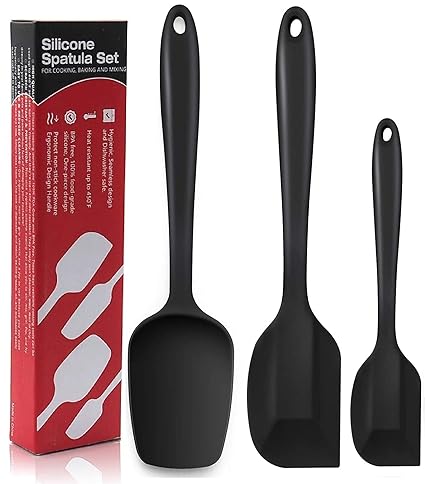
Affiliate Disclosure: This post contains Amazon affiliate links, i.e., when you buy any product using the links below, we get commissions. but it doesn’t cost you anything extra. If you do purchase any product using the given links, we thank you in advance!
Nutrition Facts
Servings 3
- Amount Per Serving
- Calories 240kcal
- % Daily Value *
- Total Fat 6g10%
- Saturated Fat 3g15%
- Cholesterol 12mg4%
- Sodium 380mg16%
- Potassium 310mg9%
- Total Carbohydrate 38g13%
- Dietary Fiber 7g29%
- Sugars 4g
- Protein 7g15%
- Vitamin A 3200 IU
- Vitamin C 18 mg
- Calcium 40 mg
- Iron 2.8 mg
- Phosphorus 180 mg
- Magnesium 85 mg
- Zinc 1.5 mg
* Percent Daily Values are based on a 2,000 calorie diet. Your daily value may be higher or lower depending on your calorie needs.